Chinese AI unicorn behind the Kimi chatbot is dismantling its offshore VIE structure in response to tightening Beijing scrutiny, aligning itself for a potential multibillion-dollar listing in Hong Kong.
SYSTEM-DRIVEN regulatory change in China’s offshore listing framework is forcing one of the country’s fastest-growing artificial intelligence startups, Moonshot AI, to fundamentally redesign its corporate structure as it prepares for a Hong Kong initial public offering.
Moonshot AI, the Beijing-based company behind the widely used Kimi chatbot, has informed shareholders that it plans to dismantle its offshore holding arrangement and move away from the variable interest entity structure commonly used by Chinese technology firms.
That structure typically places a parent company in jurisdictions such as the Cayman Islands while controlling mainland Chinese operations through contractual arrangements.
What is confirmed is that the company has begun formally communicating the restructuring plan to investors and is seeking feedback as part of preparations for a possible Hong Kong listing.
The move is intended to align the firm with evolving regulatory expectations in China, where authorities have increasingly scrutinized offshore listing frameworks and encouraged more direct, transparent ownership structures for companies operating domestically.
The restructuring is not merely procedural.
It represents a strategic shift required to access public markets.
Without resolving its offshore structure, Moonshot would face significant regulatory barriers in pursuing an IPO in Hong Kong, which remains the preferred listing venue for many mainland Chinese technology companies seeking international capital while remaining under Chinese regulatory oversight.
Moonshot’s current structure places its assets and operations in mainland China under control of a Cayman Islands-registered holding company.
The planned dismantling would effectively unwind this arrangement, potentially converting the company into a more domestically anchored corporate entity.
This type of transition is complex, typically requiring share reorganization, regulatory approvals, tax restructuring, and alignment with local ownership rules, and can take many months to complete.
The broader context is a tightening policy environment in China around so-called red-chip structures.
Regulators have been signaling greater caution toward offshore corporate models, particularly for high-profile technology companies in strategic sectors such as artificial intelligence.
The concern centers on transparency, capital control, and regulatory oversight, especially as domestic capital markets become more central to funding national technology priorities.
Moonshot AI’s decision reflects that shift in pressure.
The company has rapidly emerged as one of China’s leading AI startups, attracting significant private investment and building a large user base through its Kimi chatbot and related AI models.
Its valuation has reached the multibillion-dollar range in recent funding rounds, placing it among the most prominent contenders in China’s competitive AI sector.
The Hong Kong IPO itself remains in preparation rather than execution.
The restructuring is a prerequisite step rather than a final listing commitment, meaning timing and valuation are still subject to market conditions, regulatory approval, and the completion of corporate reorganization.
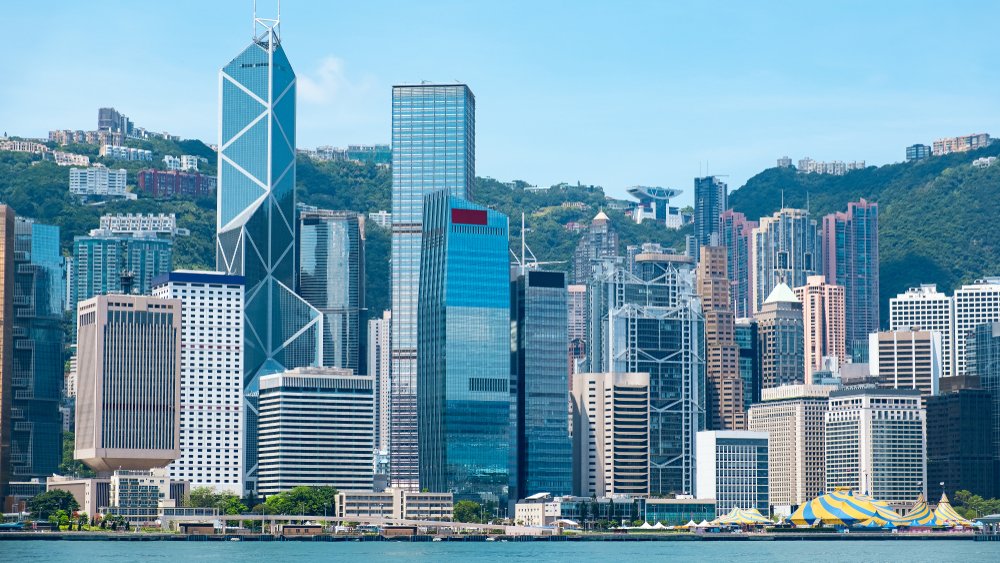
If completed, the listing would be one of the most significant AI-related public offerings in Hong Kong, further deepening the city’s role as a gateway for Chinese technology firms seeking global capital access while operating within a tightening domestic regulatory framework.
Moonshot AI, the Beijing-based company behind the widely used Kimi chatbot, has informed shareholders that it plans to dismantle its offshore holding arrangement and move away from the variable interest entity structure commonly used by Chinese technology firms.
That structure typically places a parent company in jurisdictions such as the Cayman Islands while controlling mainland Chinese operations through contractual arrangements.
What is confirmed is that the company has begun formally communicating the restructuring plan to investors and is seeking feedback as part of preparations for a possible Hong Kong listing.
The move is intended to align the firm with evolving regulatory expectations in China, where authorities have increasingly scrutinized offshore listing frameworks and encouraged more direct, transparent ownership structures for companies operating domestically.
The restructuring is not merely procedural.
It represents a strategic shift required to access public markets.
Without resolving its offshore structure, Moonshot would face significant regulatory barriers in pursuing an IPO in Hong Kong, which remains the preferred listing venue for many mainland Chinese technology companies seeking international capital while remaining under Chinese regulatory oversight.
Moonshot’s current structure places its assets and operations in mainland China under control of a Cayman Islands-registered holding company.
The planned dismantling would effectively unwind this arrangement, potentially converting the company into a more domestically anchored corporate entity.
This type of transition is complex, typically requiring share reorganization, regulatory approvals, tax restructuring, and alignment with local ownership rules, and can take many months to complete.
The broader context is a tightening policy environment in China around so-called red-chip structures.
Regulators have been signaling greater caution toward offshore corporate models, particularly for high-profile technology companies in strategic sectors such as artificial intelligence.
The concern centers on transparency, capital control, and regulatory oversight, especially as domestic capital markets become more central to funding national technology priorities.
Moonshot AI’s decision reflects that shift in pressure.
The company has rapidly emerged as one of China’s leading AI startups, attracting significant private investment and building a large user base through its Kimi chatbot and related AI models.
Its valuation has reached the multibillion-dollar range in recent funding rounds, placing it among the most prominent contenders in China’s competitive AI sector.
The Hong Kong IPO itself remains in preparation rather than execution.
The restructuring is a prerequisite step rather than a final listing commitment, meaning timing and valuation are still subject to market conditions, regulatory approval, and the completion of corporate reorganization.
If completed, the listing would be one of the most significant AI-related public offerings in Hong Kong, further deepening the city’s role as a gateway for Chinese technology firms seeking global capital access while operating within a tightening domestic regulatory framework.