New luxury-accessible watch release quickly appears on resale platforms, highlighting persistent demand distortion in limited-edition Swiss watch drops
A market-driven disruption in the global luxury watch sector has emerged following the launch of a new collaboration between Swatch and Audemars Piguet, with resale listings appearing within hours of the product’s official release in Hong Kong, underscoring the speed at which scarcity-based retail strategies translate into secondary-market speculation.
What is confirmed is that the watches released under the Swatch–Audemars Piguet collaboration were made available through official retail channels in Hong Kong as part of a limited launch.
Within a short time after the initial release, listings began appearing on secondary resale platforms at elevated prices, reflecting immediate arbitrage behavior by buyers seeking to profit from constrained supply.
The collaboration follows a broader industry pattern established by earlier Swatch partnership models, in which Swiss watchmakers release co-branded or reinterpretation pieces at significantly lower price points than traditional luxury models.
These releases typically generate high demand due to limited availability, brand prestige, and crossover appeal between entry-level consumers and established collectors.
The mechanism driving the rapid resale activity is scarcity amplification.
When supply is tightly controlled and distribution is limited to specific geographic or retail channels, initial buyers gain immediate pricing power in secondary markets.
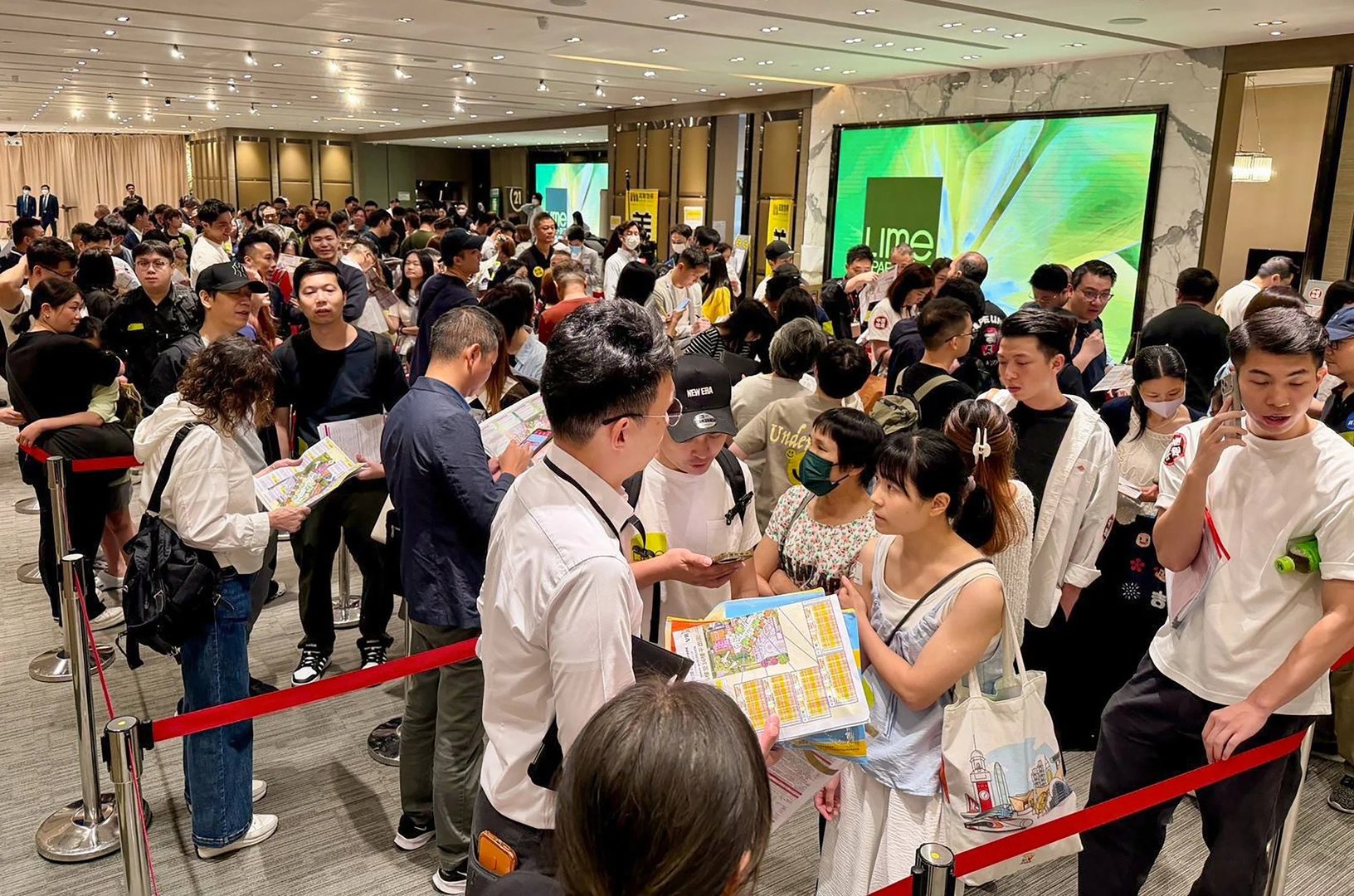
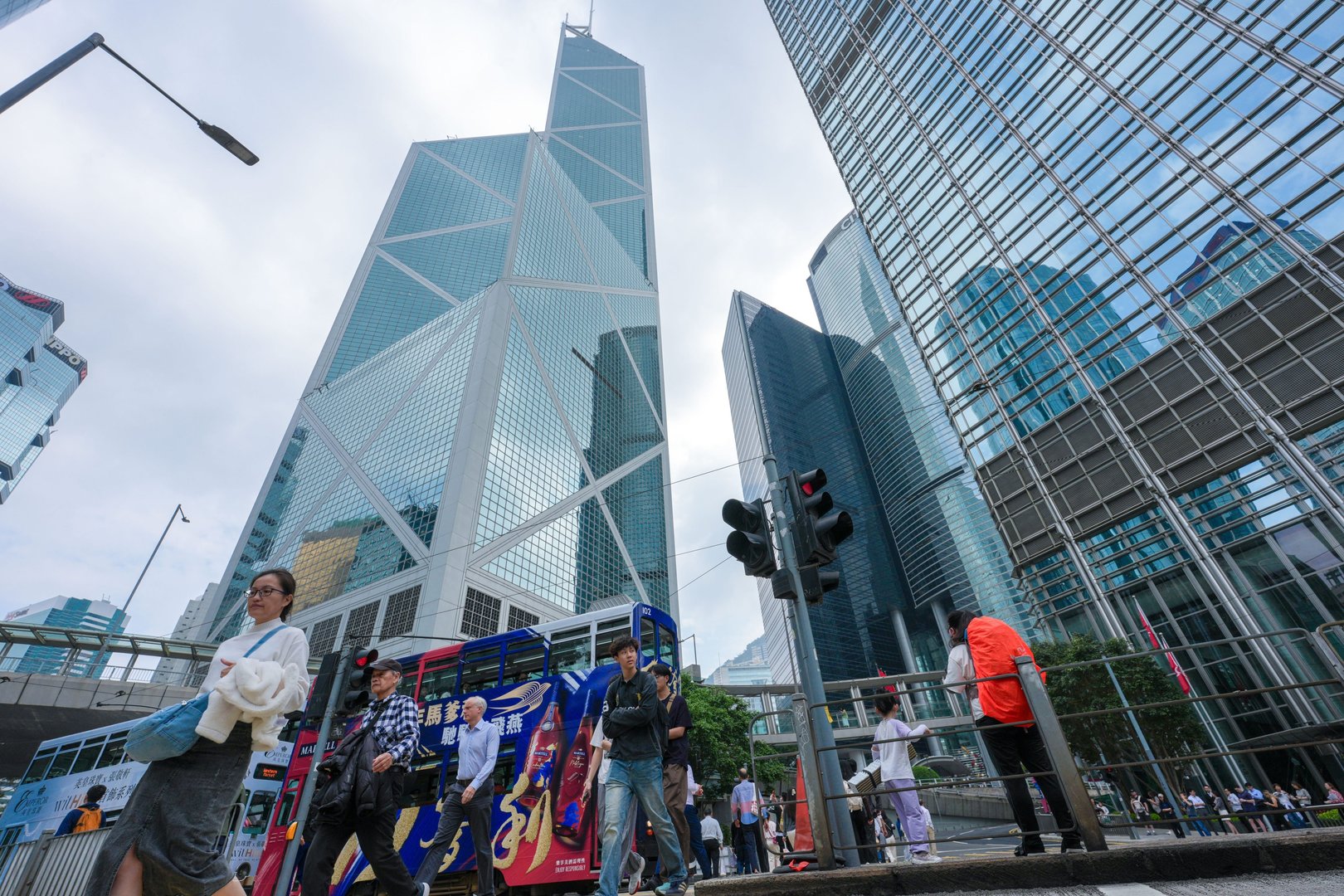
In this case, Hong Kong’s status as a major luxury retail hub with high-density collector demand accelerates the speed at which inventory is absorbed and relisted.
Swatch, a Swiss watch company known for mass-market and accessible designs, has previously collaborated with high-end Swiss luxury brands to create hybrid products intended to broaden audience reach while preserving exclusivity dynamics.
Audemars Piguet, positioned at the upper end of Swiss horology, operates in a market segment defined by limited production and high brand equity, making any association with mass retail distribution structurally significant for consumer demand patterns.
The rapid appearance of resale listings does not in itself confirm widespread market manipulation, but it does reflect a predictable outcome of limited-edition retail design.
Buyers with early access—whether through queues, allocation systems, or retail timing advantages—can capture immediate price differentials between retail and resale markets.
The stakes of this pattern extend beyond a single product drop.
For brands, it raises strategic questions about whether collaboration-driven hype strengthens long-term brand value or primarily fuels short-term speculative trading.
For consumers, it reinforces structural inequality in access, where availability is determined less by willingness to pay retail price and more by timing, location, and purchase logistics.
Hong Kong’s role as an early resale flashpoint reflects its established position in global luxury circulation networks, where high turnover rates and dense collector communities create immediate liquidity for newly released high-end goods.
This environment consistently produces rapid price discovery in secondary markets, particularly for limited-run luxury items.
The immediate consequence of the launch is the reinforcement of a well-established feedback loop in luxury retail: constrained supply drives urgency at launch, which drives secondary-market inflation, which in turn reinforces future demand anticipation for subsequent releases.
That cycle continues to shape how Swiss watch collaborations are designed, distributed, and monetized across global markets.
What is confirmed is that the watches released under the Swatch–Audemars Piguet collaboration were made available through official retail channels in Hong Kong as part of a limited launch.
Within a short time after the initial release, listings began appearing on secondary resale platforms at elevated prices, reflecting immediate arbitrage behavior by buyers seeking to profit from constrained supply.
The collaboration follows a broader industry pattern established by earlier Swatch partnership models, in which Swiss watchmakers release co-branded or reinterpretation pieces at significantly lower price points than traditional luxury models.
These releases typically generate high demand due to limited availability, brand prestige, and crossover appeal between entry-level consumers and established collectors.
The mechanism driving the rapid resale activity is scarcity amplification.
When supply is tightly controlled and distribution is limited to specific geographic or retail channels, initial buyers gain immediate pricing power in secondary markets.
In this case, Hong Kong’s status as a major luxury retail hub with high-density collector demand accelerates the speed at which inventory is absorbed and relisted.
Swatch, a Swiss watch company known for mass-market and accessible designs, has previously collaborated with high-end Swiss luxury brands to create hybrid products intended to broaden audience reach while preserving exclusivity dynamics.
Audemars Piguet, positioned at the upper end of Swiss horology, operates in a market segment defined by limited production and high brand equity, making any association with mass retail distribution structurally significant for consumer demand patterns.
The rapid appearance of resale listings does not in itself confirm widespread market manipulation, but it does reflect a predictable outcome of limited-edition retail design.
Buyers with early access—whether through queues, allocation systems, or retail timing advantages—can capture immediate price differentials between retail and resale markets.
The stakes of this pattern extend beyond a single product drop.
For brands, it raises strategic questions about whether collaboration-driven hype strengthens long-term brand value or primarily fuels short-term speculative trading.
For consumers, it reinforces structural inequality in access, where availability is determined less by willingness to pay retail price and more by timing, location, and purchase logistics.
Hong Kong’s role as an early resale flashpoint reflects its established position in global luxury circulation networks, where high turnover rates and dense collector communities create immediate liquidity for newly released high-end goods.
This environment consistently produces rapid price discovery in secondary markets, particularly for limited-run luxury items.
The immediate consequence of the launch is the reinforcement of a well-established feedback loop in luxury retail: constrained supply drives urgency at launch, which drives secondary-market inflation, which in turn reinforces future demand anticipation for subsequent releases.
That cycle continues to shape how Swiss watch collaborations are designed, distributed, and monetized across global markets.