Hundreds attend memorial service for the Shun Tak executive and daughter of casino magnate Stanley Ho, highlighting her quiet philanthropic role and influence across Hong Kong’s business establishment.
EVENT-DRIVEN social and institutional networks in Hong Kong’s business elite were on display as hundreds of mourners gathered in Wan Chai to pay tribute to Maisy Ho Chiu-ha, a senior executive and member of one of the city’s most influential families.
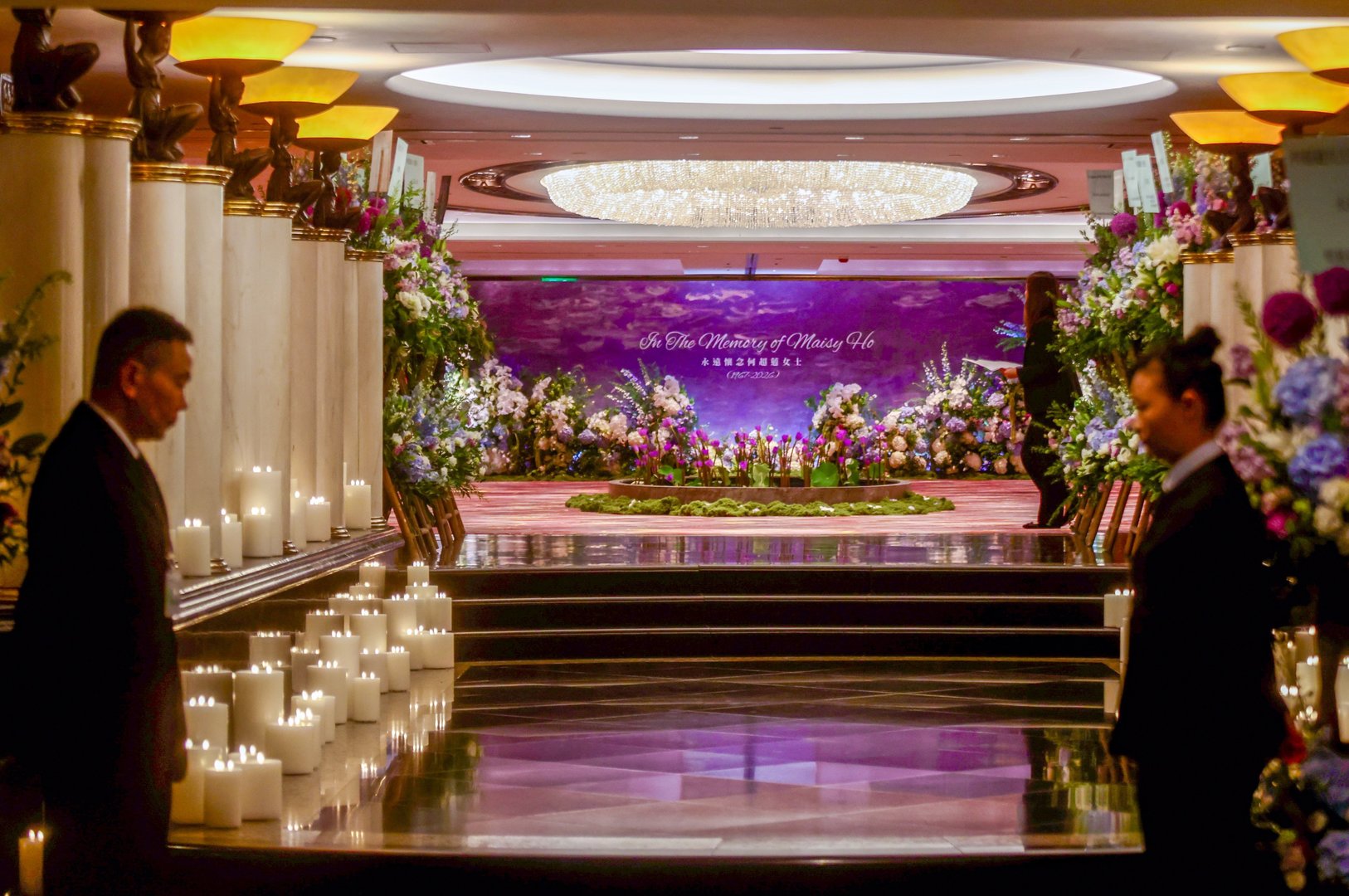
The memorial service was held on Sunday at the Grand Hyatt hotel, where attendees from business, entertainment, and political circles filled the ballroom to honour Ho, who died on April 12 at the age of fifty-eight.
She was the executive director of Shun Tak Holdings, a major conglomerate with interests spanning property, transportation, and hospitality, and was widely regarded as a low-profile figure who focused on philanthropy and corporate governance rather than public visibility.
Ho was the daughter of Stanley Ho Hung-sun, the late casino magnate whose empire shaped Macau’s modern gambling industry and made his family one of the most prominent business dynasties in Hong Kong and Macau.
Her death was previously announced by her siblings, although no cause was disclosed publicly.
Inside the memorial hall, a large portrait of Maisy Ho was placed at the centre, surrounded by floral arrangements including hydrangeas, peonies, lilies, and orchids.
Heart-shaped wreaths from close family members, including her siblings Pansy Ho Chiu-king, Daisy Ho Chiu-fung, Josie Ho Chiu-yee, and Lawrence Ho Yau-lung, framed the display, underscoring the prominence of the family network in both business and social life.
The attendance of senior figures from Hong Kong’s political and financial establishment reflected the family’s deep integration into the city’s institutional landscape.
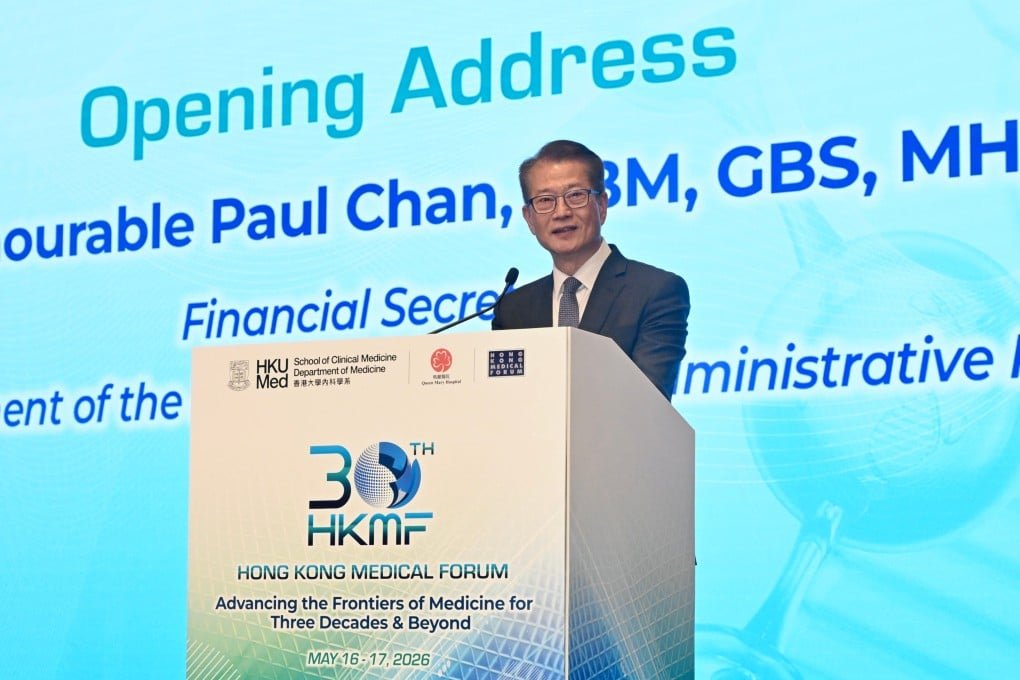
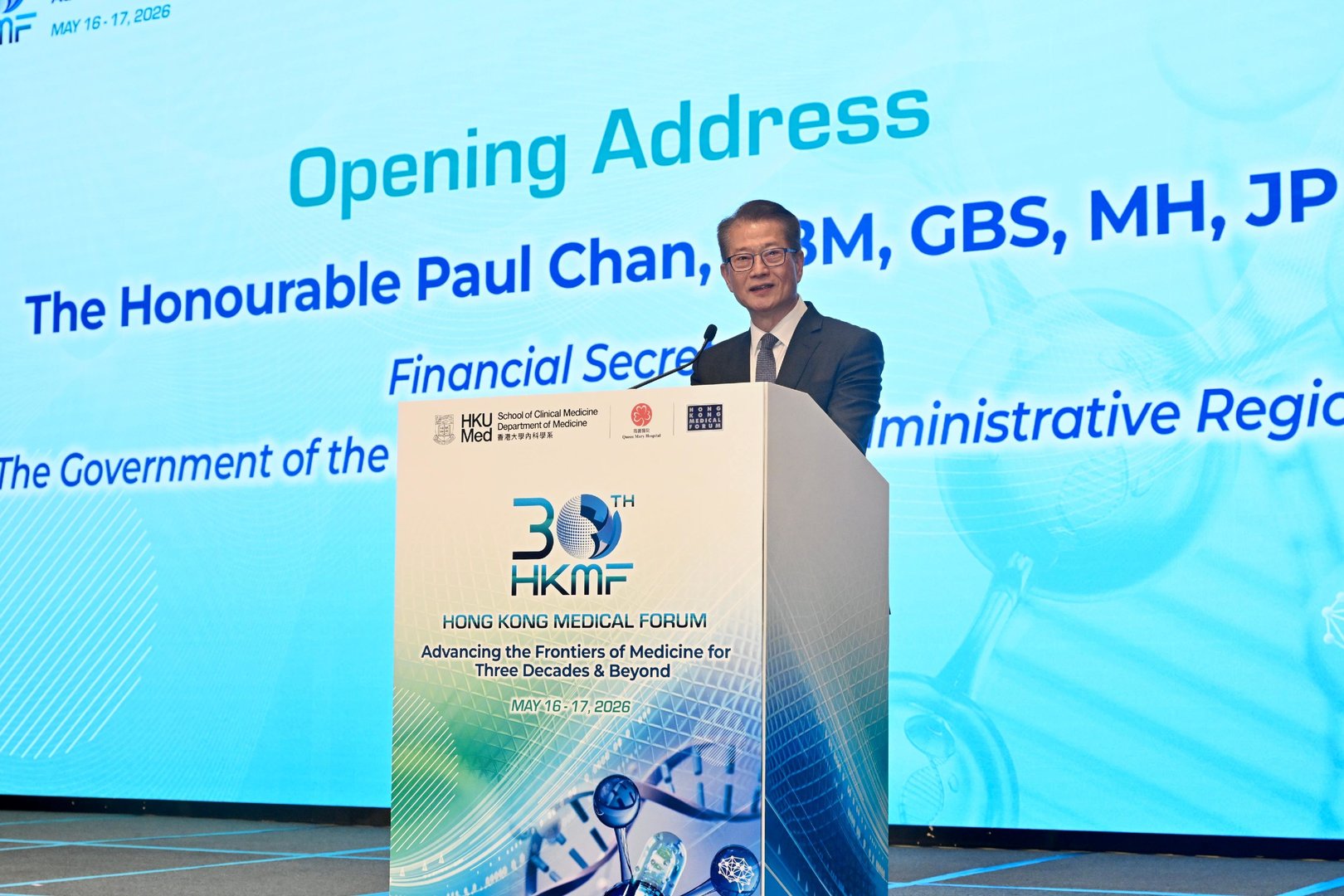
Among those present was Financial Secretary Paul Chan, alongside other prominent business leaders and public figures, highlighting the intersection between corporate influence and governance in Hong Kong’s elite circles.
Shun Tak Holdings, where Maisy Ho served as executive director, is a key component of the Ho family’s business portfolio.
The group has historically played a role in cross-border transport and property development, particularly linking Hong Kong and Macau, and remains a significant player in regional infrastructure and tourism-related assets.
Beyond her corporate role, Ho was remembered by attendees as a figure engaged in charitable and philanthropic work, contributing to initiatives that were largely conducted away from public attention.
Her reputation within the family enterprise was associated more with continuity and stewardship than expansion or public leadership.
The scale and composition of the memorial underscored the enduring influence of the Ho family in Hong Kong’s economic and social hierarchy, where business dynasties continue to overlap with political and institutional networks.
The gathering also reflected the city’s tradition of high-profile commemorations for figures tied to major corporate legacies, where personal histories often intersect with broader questions of economic power and social capital.
Her passing marks a generational transition within one of the region’s most recognizable business families, leaving key operational responsibilities and philanthropic commitments to be redistributed among surviving siblings within the group’s corporate structure.
The memorial service was held on Sunday at the Grand Hyatt hotel, where attendees from business, entertainment, and political circles filled the ballroom to honour Ho, who died on April 12 at the age of fifty-eight.
She was the executive director of Shun Tak Holdings, a major conglomerate with interests spanning property, transportation, and hospitality, and was widely regarded as a low-profile figure who focused on philanthropy and corporate governance rather than public visibility.
Ho was the daughter of Stanley Ho Hung-sun, the late casino magnate whose empire shaped Macau’s modern gambling industry and made his family one of the most prominent business dynasties in Hong Kong and Macau.
Her death was previously announced by her siblings, although no cause was disclosed publicly.
Inside the memorial hall, a large portrait of Maisy Ho was placed at the centre, surrounded by floral arrangements including hydrangeas, peonies, lilies, and orchids.
Heart-shaped wreaths from close family members, including her siblings Pansy Ho Chiu-king, Daisy Ho Chiu-fung, Josie Ho Chiu-yee, and Lawrence Ho Yau-lung, framed the display, underscoring the prominence of the family network in both business and social life.
The attendance of senior figures from Hong Kong’s political and financial establishment reflected the family’s deep integration into the city’s institutional landscape.
Among those present was Financial Secretary Paul Chan, alongside other prominent business leaders and public figures, highlighting the intersection between corporate influence and governance in Hong Kong’s elite circles.
Shun Tak Holdings, where Maisy Ho served as executive director, is a key component of the Ho family’s business portfolio.
The group has historically played a role in cross-border transport and property development, particularly linking Hong Kong and Macau, and remains a significant player in regional infrastructure and tourism-related assets.
Beyond her corporate role, Ho was remembered by attendees as a figure engaged in charitable and philanthropic work, contributing to initiatives that were largely conducted away from public attention.
Her reputation within the family enterprise was associated more with continuity and stewardship than expansion or public leadership.
The scale and composition of the memorial underscored the enduring influence of the Ho family in Hong Kong’s economic and social hierarchy, where business dynasties continue to overlap with political and institutional networks.
The gathering also reflected the city’s tradition of high-profile commemorations for figures tied to major corporate legacies, where personal histories often intersect with broader questions of economic power and social capital.
Her passing marks a generational transition within one of the region’s most recognizable business families, leaving key operational responsibilities and philanthropic commitments to be redistributed among surviving siblings within the group’s corporate structure.