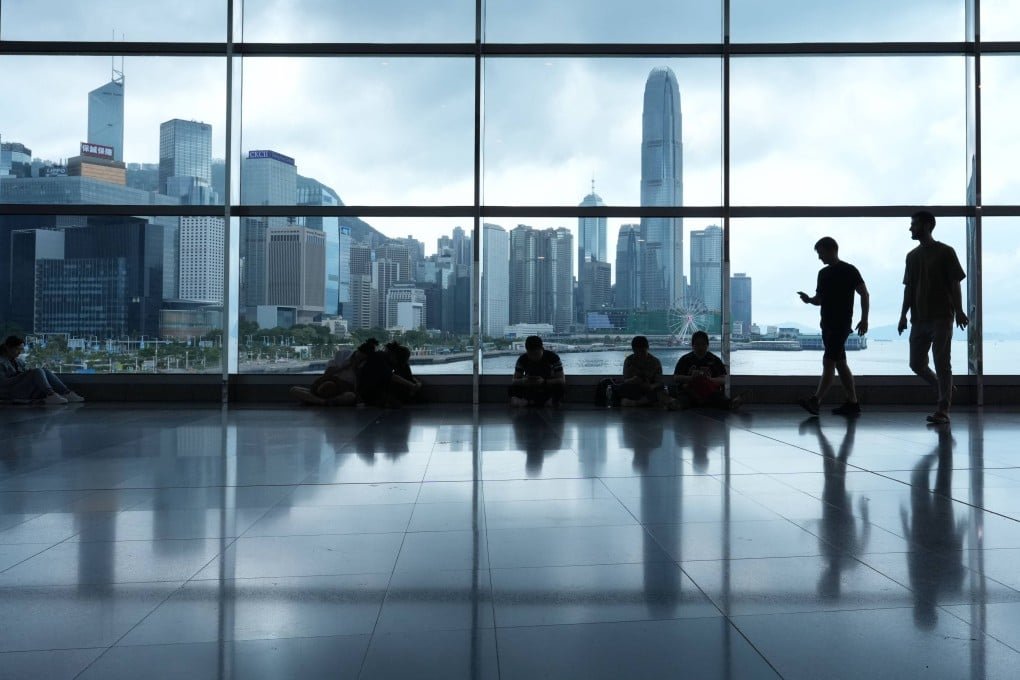
Investment officials say hundreds of firms are expanding in the city as leaders point to stabilising US-China ties and a shifting global economic order.
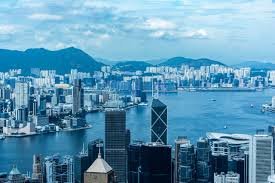
SYSTEM-DRIVEN dynamics in global trade and geopolitics are reshaping Hong Kong’s economic strategy as officials move to position the city as a hub for capital flows amid a temporary easing in US-China tensions.
More than three hundred and ten enterprises from mainland China and overseas have established or expanded operations in Hong Kong so far in twenty twenty six, according to data released by the government agency responsible for attracting foreign investment.
These companies have brought in more than twenty six billion Hong Kong dollars, or about three point three billion United States dollars, in initial-year capital inflows, highlighting continued corporate interest in using the city as a regional base.
The investment push comes as senior officials in Hong Kong frame the latest phase of US-China relations as a period of relative stabilisation following high-level diplomatic engagement between Washington and Beijing.
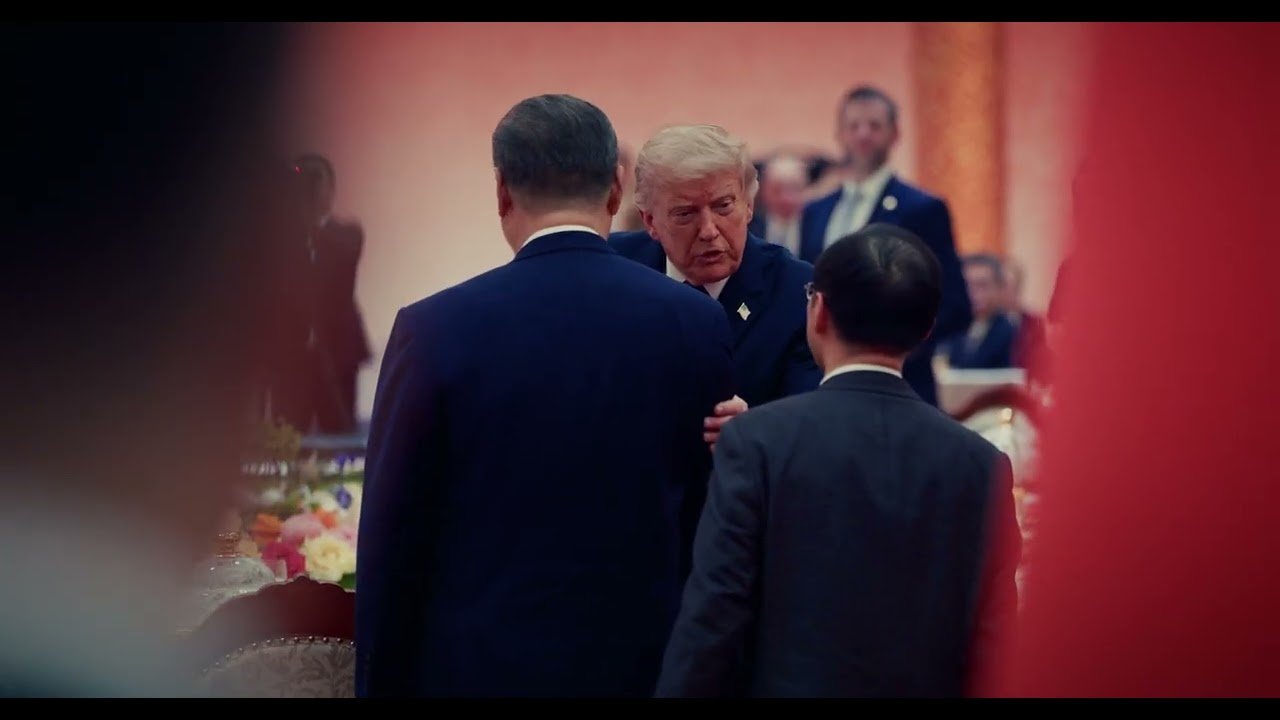
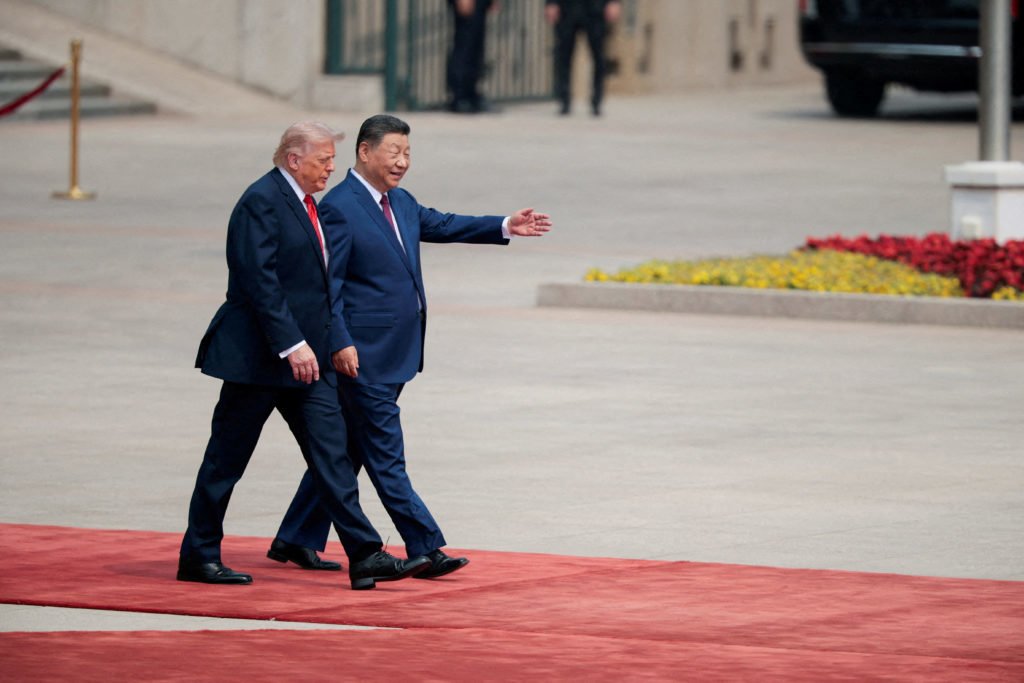
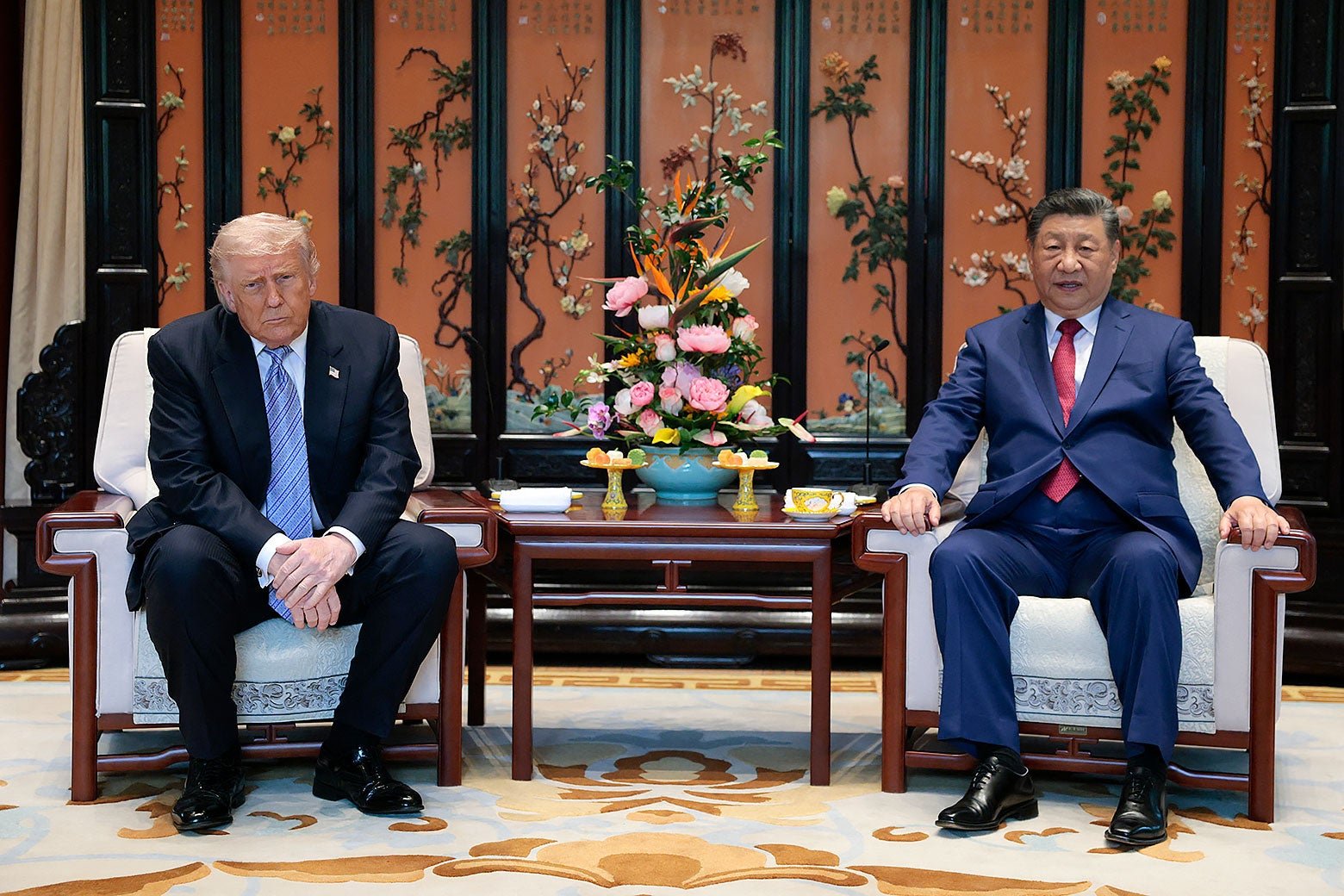
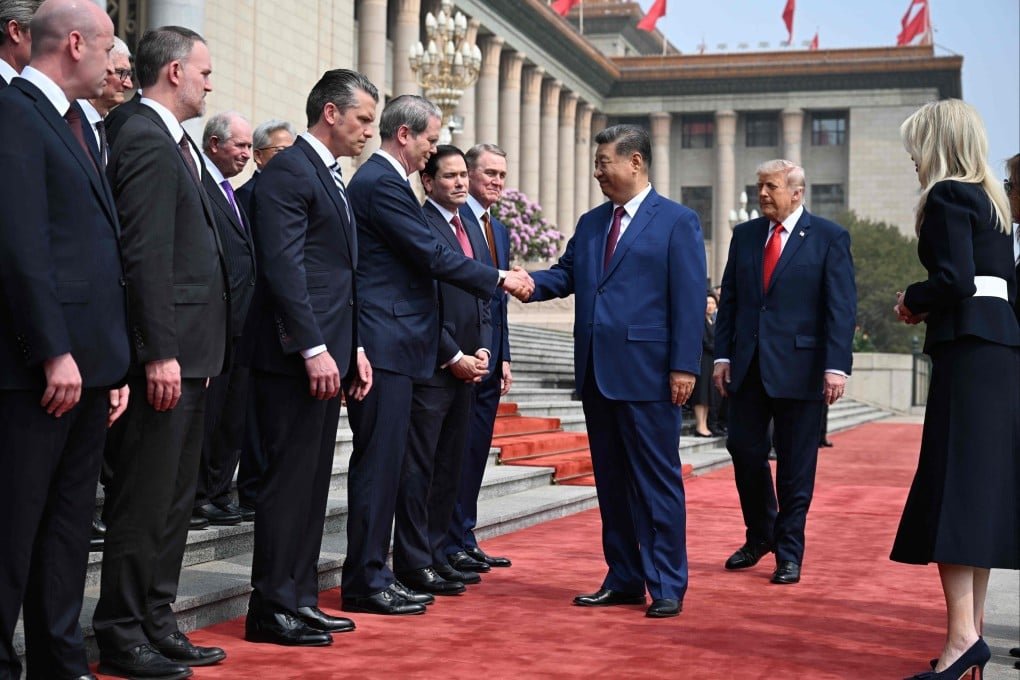
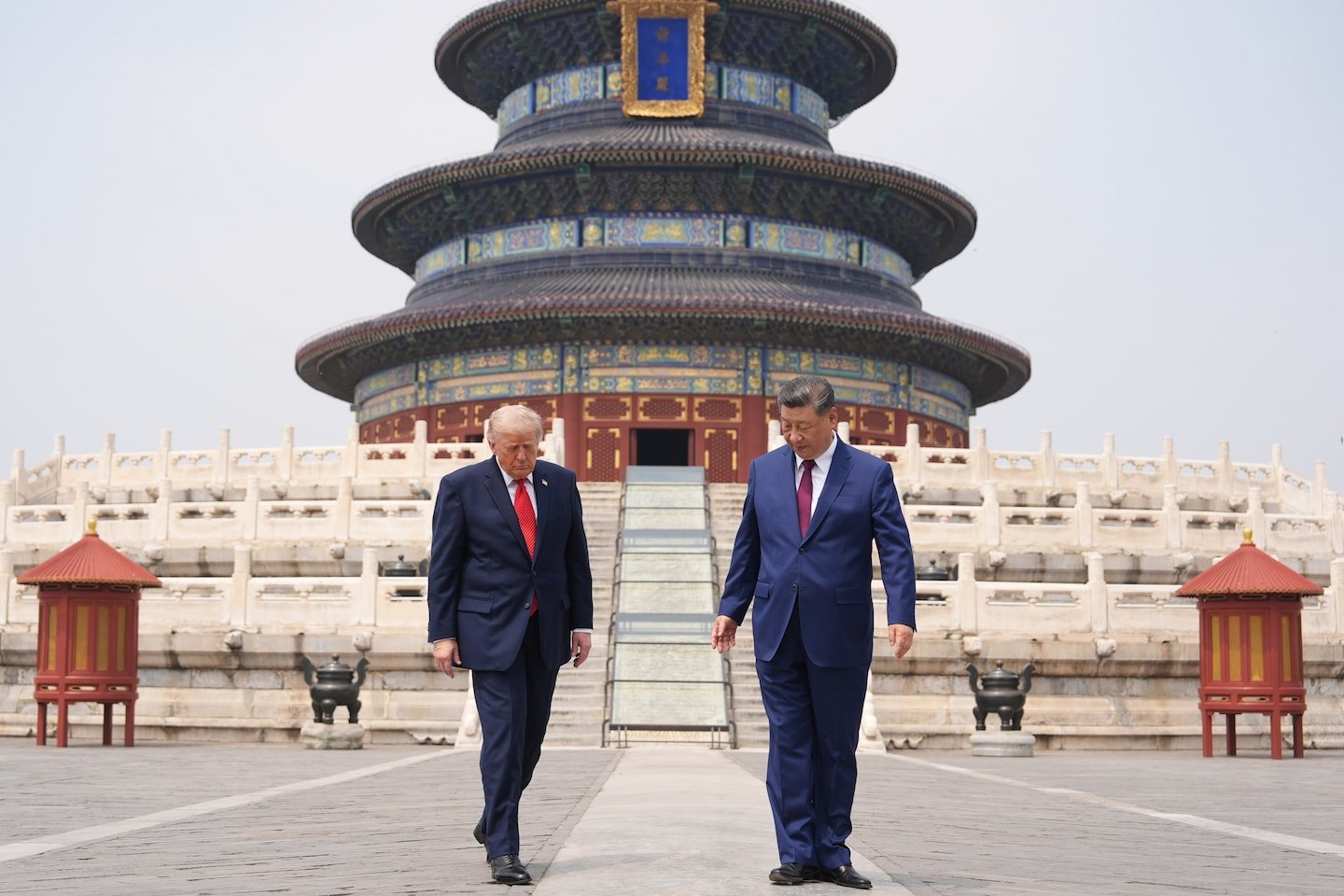
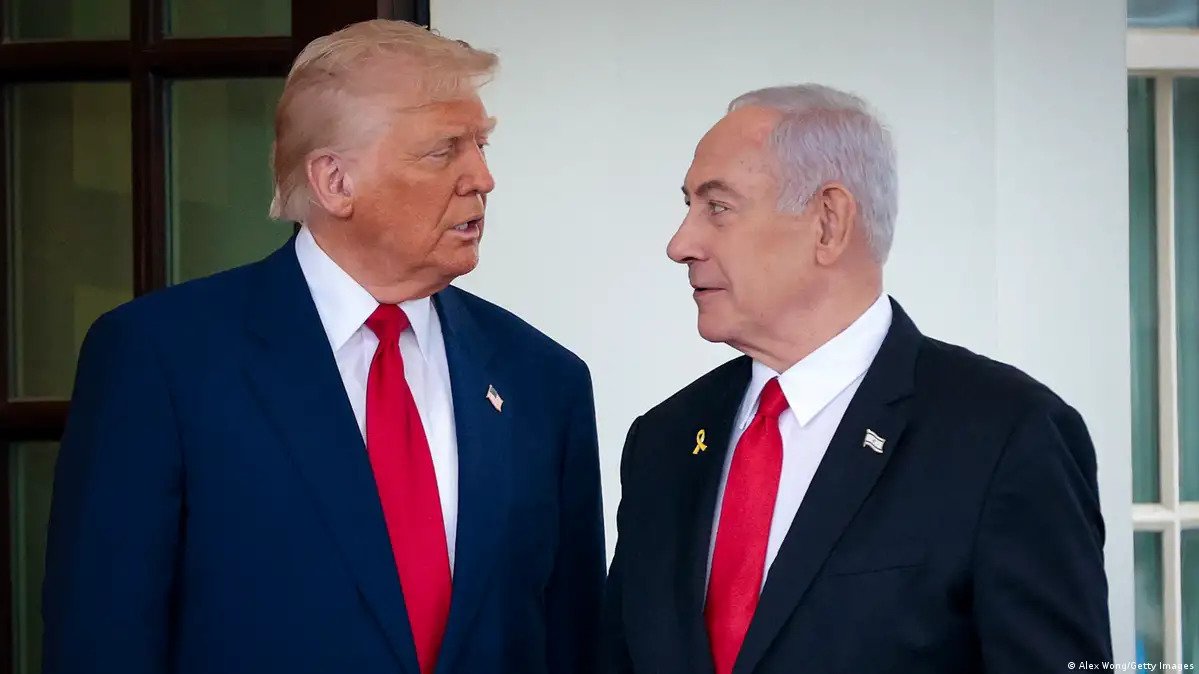
The most recent summit between US President Donald Trump and Chinese President Xi Jinping resulted in an agreement described as a commitment to a “constructive Sino-US relationship with strategic stability,” setting the tone for near-term expectations of reduced volatility in bilateral economic ties.
Alpha Lau, the director general of InvestHK, the government agency responsible for foreign investment promotion, said in public remarks that Hong Kong must adapt to a shifting international order and actively capture emerging opportunities.
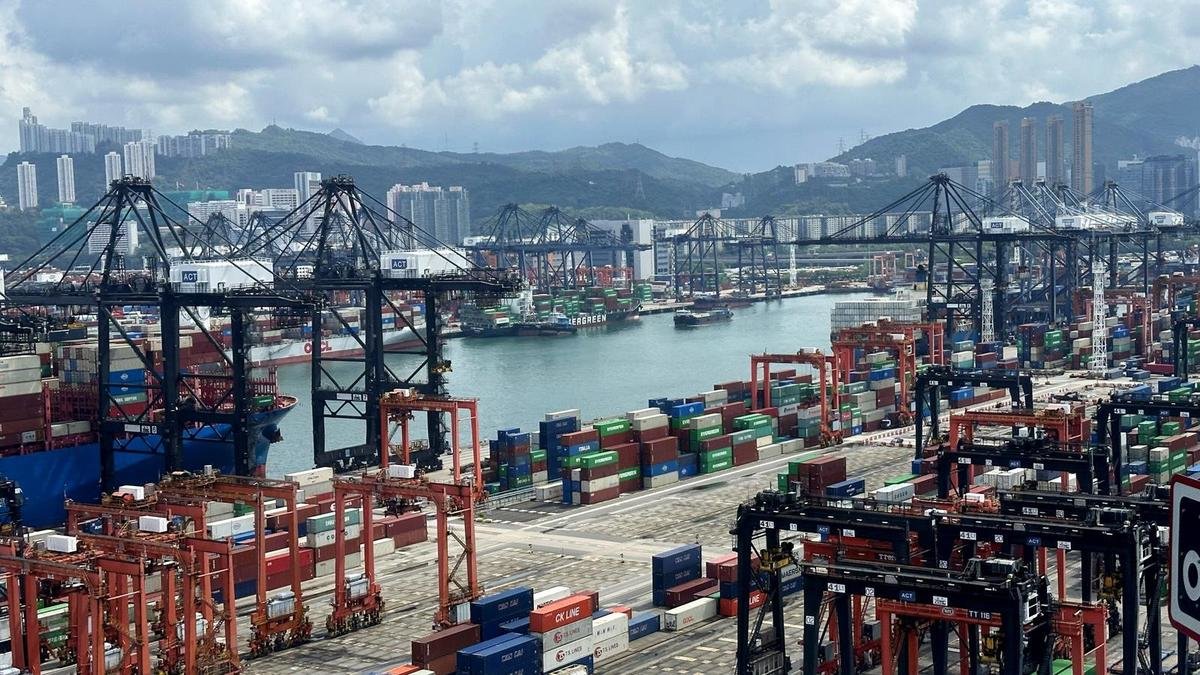
Her comments reflect a broader policy narrative in which Hong Kong is positioned not only as a gateway between China and global markets but also as a beneficiary of diversification in global supply chains.
Lau said market participants generally expect Sino-US relations to remain stable for a period, potentially extending through upcoming diplomatic milestones, including the possibility of further high-level meetings between the two countries.
This expectation, she suggested, is already influencing corporate decisions about regional expansion and financial structuring.
Her remarks also pointed to a structural shift in global trade patterns, arguing that the United States is no longer the sole anchor of global manufacturing and demand.
Instead, she described an emerging environment in which countries across Southeast Asia, Africa, and other regions are strengthening economic ties with China, contributing to a more multipolar trade system.
This framing aligns with broader Chinese policy narratives about diversification away from dependence on any single market.
The economic implications for Hong Kong are tied to its role as a financial and legal intermediary within China’s wider economic ecosystem.
As companies seek to navigate regulatory differences and geopolitical uncertainty, the city’s established infrastructure for cross-border finance, listing, and arbitration remains a key draw, particularly for firms managing exposure to both Western and Chinese markets.
At the same time, the stabilisation narrative carries inherent limits.
Even with reduced immediate tension, structural competition between the United States and China over technology, trade standards, and strategic industries continues to shape corporate planning.
For businesses operating in Hong Kong, the current environment represents not a resolution but a recalibration of risk.
The combination of rising investment inflows and cautious diplomatic optimism has therefore created a narrow window in which Hong Kong is attempting to reinforce its relevance as an international business hub.
That effort now depends on whether geopolitical stability holds long enough for firms to convert short-term confidence into durable regional commitments.
More than three hundred and ten enterprises from mainland China and overseas have established or expanded operations in Hong Kong so far in twenty twenty six, according to data released by the government agency responsible for attracting foreign investment.
These companies have brought in more than twenty six billion Hong Kong dollars, or about three point three billion United States dollars, in initial-year capital inflows, highlighting continued corporate interest in using the city as a regional base.
The investment push comes as senior officials in Hong Kong frame the latest phase of US-China relations as a period of relative stabilisation following high-level diplomatic engagement between Washington and Beijing.
The most recent summit between US President Donald Trump and Chinese President Xi Jinping resulted in an agreement described as a commitment to a “constructive Sino-US relationship with strategic stability,” setting the tone for near-term expectations of reduced volatility in bilateral economic ties.
Alpha Lau, the director general of InvestHK, the government agency responsible for foreign investment promotion, said in public remarks that Hong Kong must adapt to a shifting international order and actively capture emerging opportunities.
Her comments reflect a broader policy narrative in which Hong Kong is positioned not only as a gateway between China and global markets but also as a beneficiary of diversification in global supply chains.
Lau said market participants generally expect Sino-US relations to remain stable for a period, potentially extending through upcoming diplomatic milestones, including the possibility of further high-level meetings between the two countries.
This expectation, she suggested, is already influencing corporate decisions about regional expansion and financial structuring.
Her remarks also pointed to a structural shift in global trade patterns, arguing that the United States is no longer the sole anchor of global manufacturing and demand.
Instead, she described an emerging environment in which countries across Southeast Asia, Africa, and other regions are strengthening economic ties with China, contributing to a more multipolar trade system.
This framing aligns with broader Chinese policy narratives about diversification away from dependence on any single market.
The economic implications for Hong Kong are tied to its role as a financial and legal intermediary within China’s wider economic ecosystem.
As companies seek to navigate regulatory differences and geopolitical uncertainty, the city’s established infrastructure for cross-border finance, listing, and arbitration remains a key draw, particularly for firms managing exposure to both Western and Chinese markets.
At the same time, the stabilisation narrative carries inherent limits.
Even with reduced immediate tension, structural competition between the United States and China over technology, trade standards, and strategic industries continues to shape corporate planning.
For businesses operating in Hong Kong, the current environment represents not a resolution but a recalibration of risk.
The combination of rising investment inflows and cautious diplomatic optimism has therefore created a narrow window in which Hong Kong is attempting to reinforce its relevance as an international business hub.
That effort now depends on whether geopolitical stability holds long enough for firms to convert short-term confidence into durable regional commitments.