As Hong Kong expands economic ties with Central Asia through finance, infrastructure, energy, and logistics diplomacy, investment firms are positioning themselves to capitalize on a rapidly evolving Eurasian trade corridor reshaped by geopolitical fragmentation.
Hong Kong’s expanding engagement with Central Asia is fundamentally system-driven because the shift is being powered by structural changes in global trade routes, geopolitical fragmentation, Chinese outbound capital strategy, and the search for new investment corridors across Eurasia.
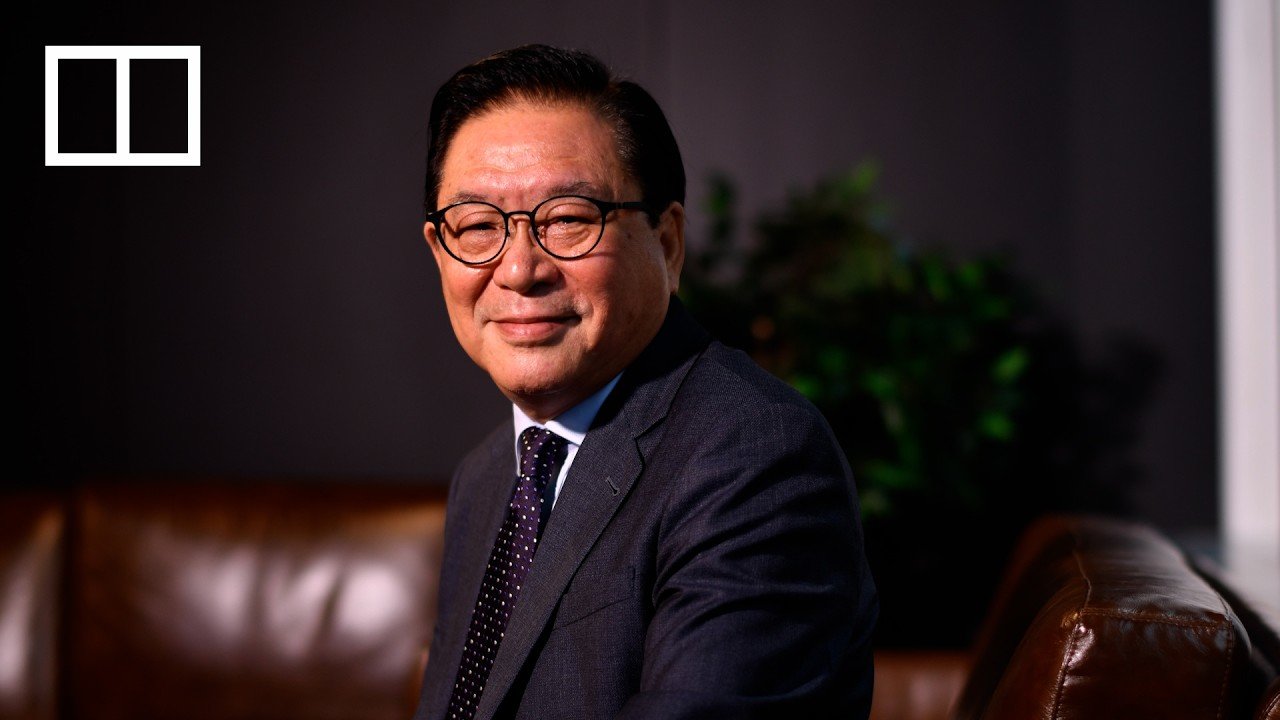
Private equity firm Templewater is emerging as one of the financial groups positioned to benefit from Hong Kong’s deepening commercial and investment ties with Central Asian economies as Beijing and regional governments intensify efforts to expand cross-border infrastructure, energy, logistics, and industrial cooperation.
What is confirmed is that Hong Kong authorities and business leaders have increased outreach toward Central Asia as part of a broader strategy to strengthen the city’s role in Belt and Road-linked finance, investment facilitation, and cross-border capital flows.
Templewater and similar firms are increasingly active in sectors aligned with that strategy, including energy transition projects, infrastructure-related investment, transportation systems, technology, and industrial development.
The shift reflects a major geopolitical and economic realignment.
Central Asia has become strategically more important since Russia’s invasion of Ukraine disrupted traditional Eurasian trade routes and accelerated efforts to diversify transport corridors linking China, Europe, the Middle East, and Asia.
Countries including Kazakhstan, Uzbekistan, Kyrgyzstan, and others are attempting to position themselves as transit, logistics, and energy hubs inside these evolving trade systems.
China views the region as critical to long-term continental connectivity.
The Belt and Road Initiative was always heavily tied to Central Asian overland infrastructure, pipelines, rail systems, industrial parks, and transport corridors.
But geopolitical fragmentation and sanctions pressure have now increased the urgency surrounding alternative Eurasian commercial routes.
Hong Kong is attempting to secure relevance inside that transition.
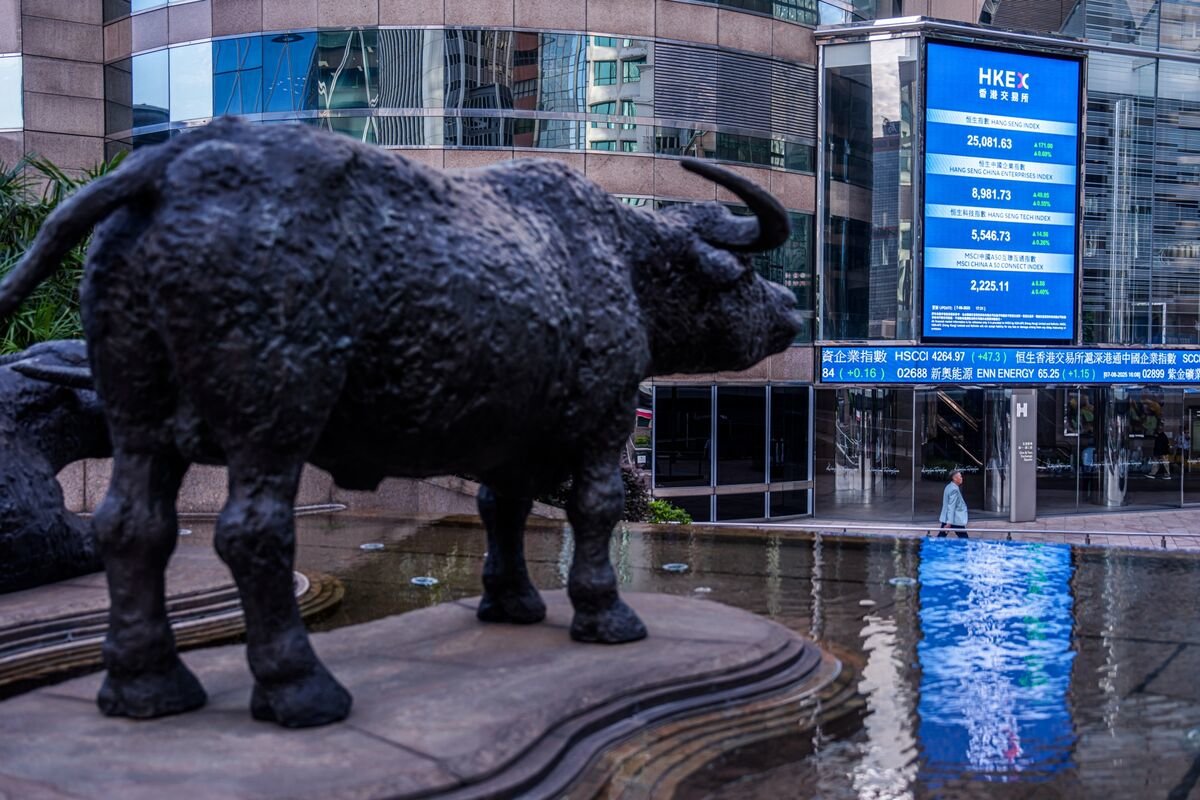
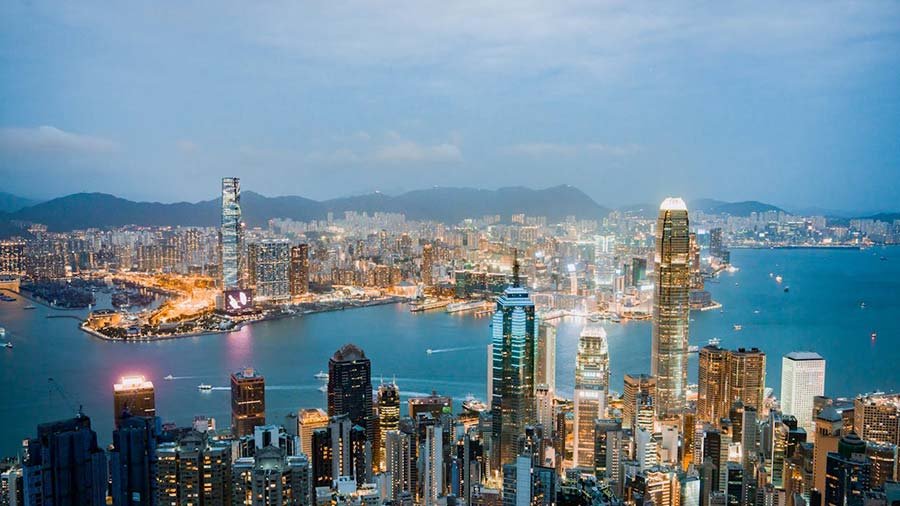
The city remains one of Asia’s largest financial centers and continues positioning itself as a gateway between Chinese capital and international markets despite mounting geopolitical pressure and intensified competition from Singapore.
Hong Kong officials increasingly argue the city can serve as a financing and investment-management platform for projects tied to infrastructure, logistics, renewable energy, industrial modernization, and cross-border commerce across emerging Belt and Road corridors.
Templewater’s positioning reflects that broader financial logic.
The firm has focused heavily on infrastructure-adjacent investments, sustainability-linked sectors, energy transition assets, transportation systems, waste management, and industrial technologies.
Those sectors align directly with the kinds of long-term development projects increasingly associated with Central Asian modernization strategies.
The key issue is not simply geographic expansion.
It is the changing structure of global investment itself.
Private capital is increasingly moving toward hard infrastructure, energy resilience, logistics systems, and industrial assets tied to strategic supply chains rather than purely consumer-driven growth models.
Central Asia fits that trend because the region possesses large reserves of oil, gas, uranium, rare earth materials, industrial metals, and renewable energy potential while also occupying crucial transport geography between major markets.
Kazakhstan in particular has become a major focal point.
The country is one of the world’s largest uranium producers, an important oil exporter, and a critical participant in overland transport corridors linking China with Europe through the so-called Middle Corridor route.
Uzbekistan is also pursuing major economic reforms designed to attract foreign investment into energy, mining, manufacturing, infrastructure, and industrial modernization.
Hong Kong’s interest is partly financial and partly strategic.
As mainland Chinese growth slows and property-sector weakness reduces traditional investment opportunities, financial institutions and private equity firms are searching for new growth areas tied to industrial transition, energy infrastructure, and emerging trade systems.
Central Asia offers access to exactly those sectors.
The city also benefits from its legal infrastructure, capital markets, banking system, and longstanding role in structuring cross-border investment flows involving Chinese and international investors.
For firms like Templewater, the opportunity lies in acting as an intermediary between capital and long-duration infrastructure-style projects.
These investments often involve renewable energy generation, grid systems, transport logistics, water infrastructure, industrial facilities, and decarbonization technologies.
The energy transition dimension is becoming increasingly important.
Central Asian governments are under pressure to modernize aging infrastructure, diversify economies beyond raw commodity exports, and adapt to global decarbonization trends.
That creates investment demand in solar power, wind energy, battery storage, grid modernization, and cleaner industrial systems.
Hong Kong-based investment firms are increasingly marketing themselves as capable of channeling Asian capital into those sectors.
The broader geopolitical context matters enormously.
Russia’s influence in Central Asia remains significant but has become more complicated since the Ukraine war.
China’s economic role in the region continues expanding rapidly through infrastructure financing, trade integration, industrial investment, and logistics development.
Western governments are also attempting to strengthen engagement with Central Asia because of energy security concerns, supply-chain diversification, and competition over strategic minerals.
That multipolar competition increases the commercial importance of the region.
Hong Kong’s approach remains pragmatic.
Rather than positioning itself primarily through political influence, the city is emphasizing finance, project structuring, investment management, arbitration services, and connectivity with mainland Chinese capital networks.
This is especially important as Hong Kong seeks to reinforce its relevance at a time when some international investors remain cautious about the city’s political environment following the national security law and broader geopolitical tensions.
Economic integration with emerging Belt and Road markets offers an alternative growth pathway.
Templewater’s positioning therefore reflects more than the ambitions of a single investment firm.
It reflects the wider evolution of Hong Kong’s financial identity.
The city is increasingly attempting to transition from a traditional East-West financial gateway into a strategic platform for Chinese outbound capital, infrastructure finance, energy-transition investment, and emerging Eurasian trade corridors.
The practical consequence is that private equity firms operating in Hong Kong are no longer focused mainly on domestic property, consumer markets, or public-equity arbitrage.
They are increasingly orienting toward long-term geopolitical infrastructure linked to supply-chain security, industrial transformation, and the reorganization of global trade routes across Eurasia.
That shift is likely to deepen as Central Asia becomes more important to global logistics, strategic resources, and continental trade integration during a period of intensifying fragmentation in the world economy.