The prosecution of former organizers of Hong Kong’s annual Tiananmen Square vigil has reached final submissions, testing the boundaries of lawful assembly and political expression under the city’s national security framework.
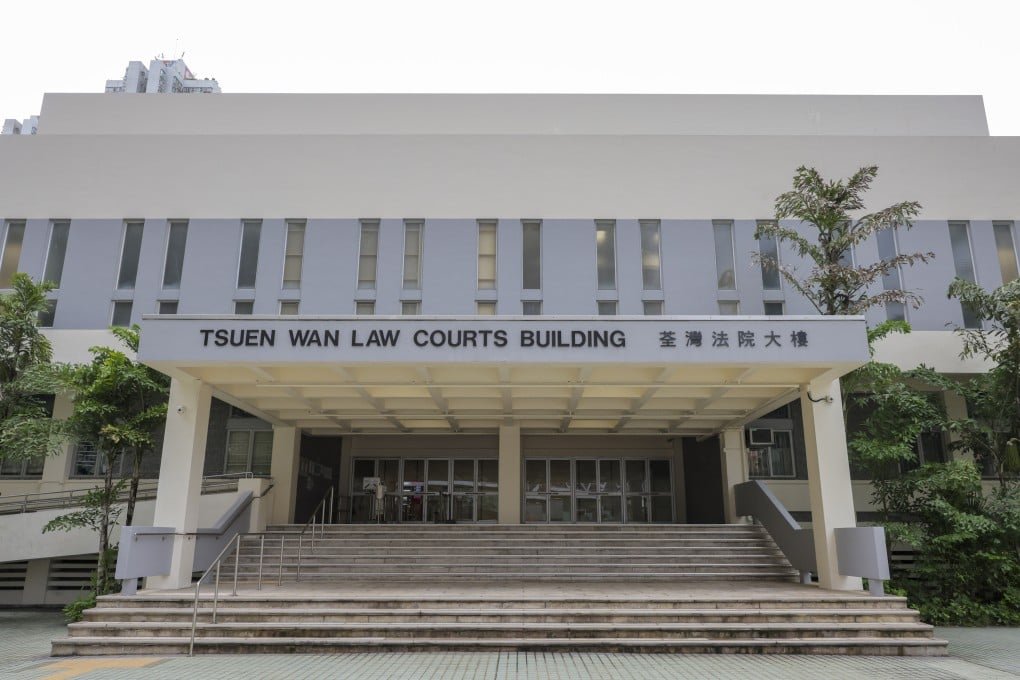
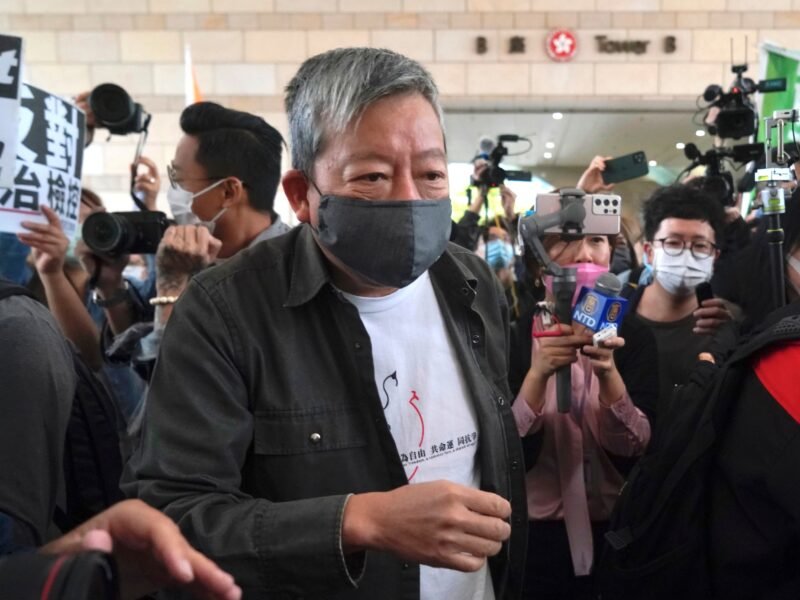
A court in Hong Kong has heard final arguments in the trial of individuals linked to the organization of past Tiananmen Square commemoration vigils, marking a critical stage in a case that has become emblematic of the city’s tightening restrictions on public political gatherings.
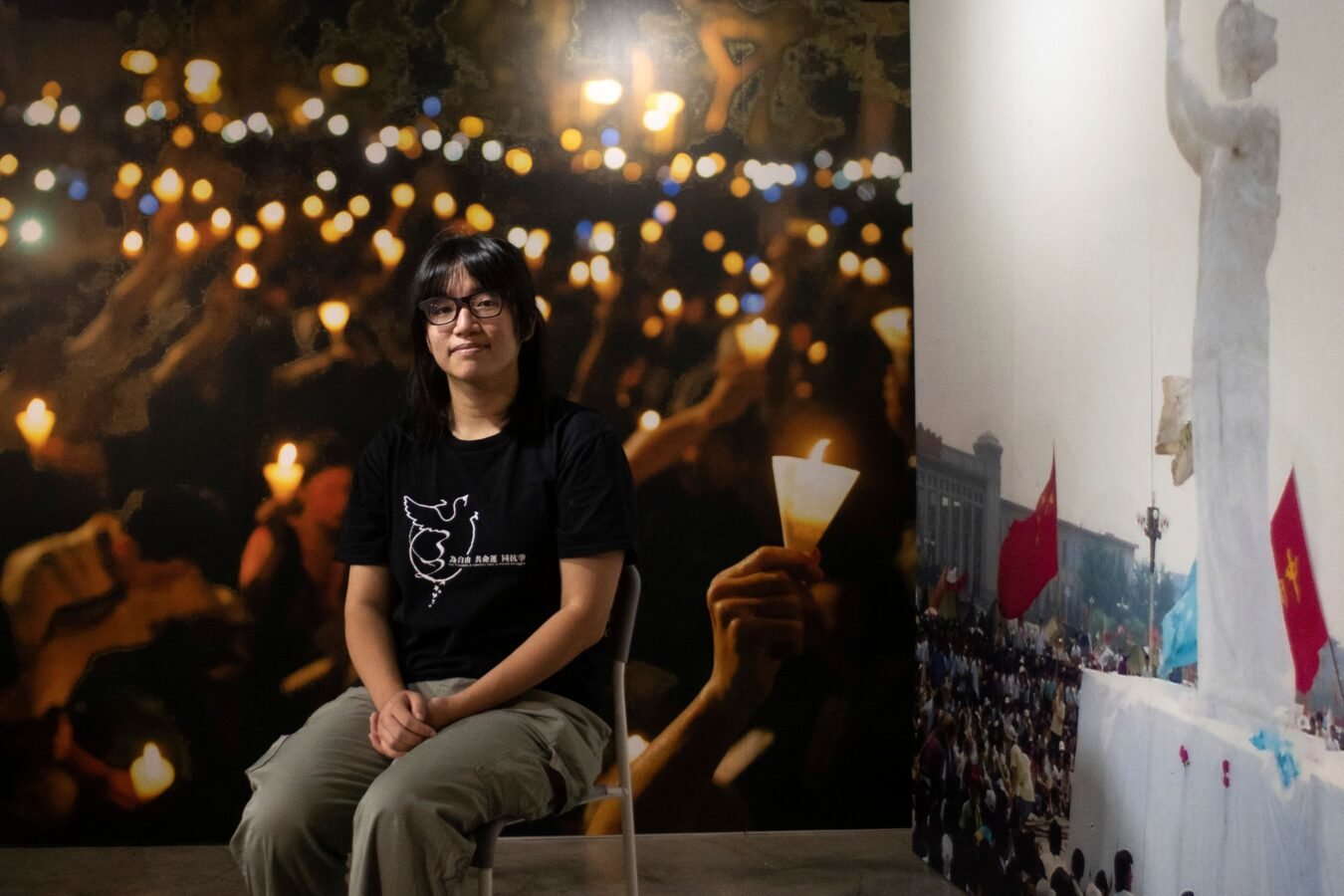
The defendants include former leaders of the Hong Kong Alliance in Support of Patriotic Democratic Movements of China, a group that once organized the city’s largest annual candlelight vigil on June 4 to mark the 1989 Tiananmen Square crackdown.
The organization was disbanded in 2021 amid mounting legal pressure, and several of its former executives were subsequently charged under laws related to national security and alleged subversion.
What is confirmed is that the case does not concern participation in a single protest event, but rather the alleged long-term activities of an organization over many years, including its stated mission, fundraising structures, and public advocacy.
Prosecutors argue that the group’s objectives and operations amounted to activities that crossed into unlawful political opposition under Hong Kong’s updated legal framework.
The defense has rejected these allegations, maintaining that the organization’s activities were peaceful, publicly declared, and focused on memorializing historical events through lawful assembly and expression.
They argue that commemorating the Tiananmen crackdown and advocating democratic values does not constitute subversion, and that the prosecution is interpreting political speech as criminal conduct.
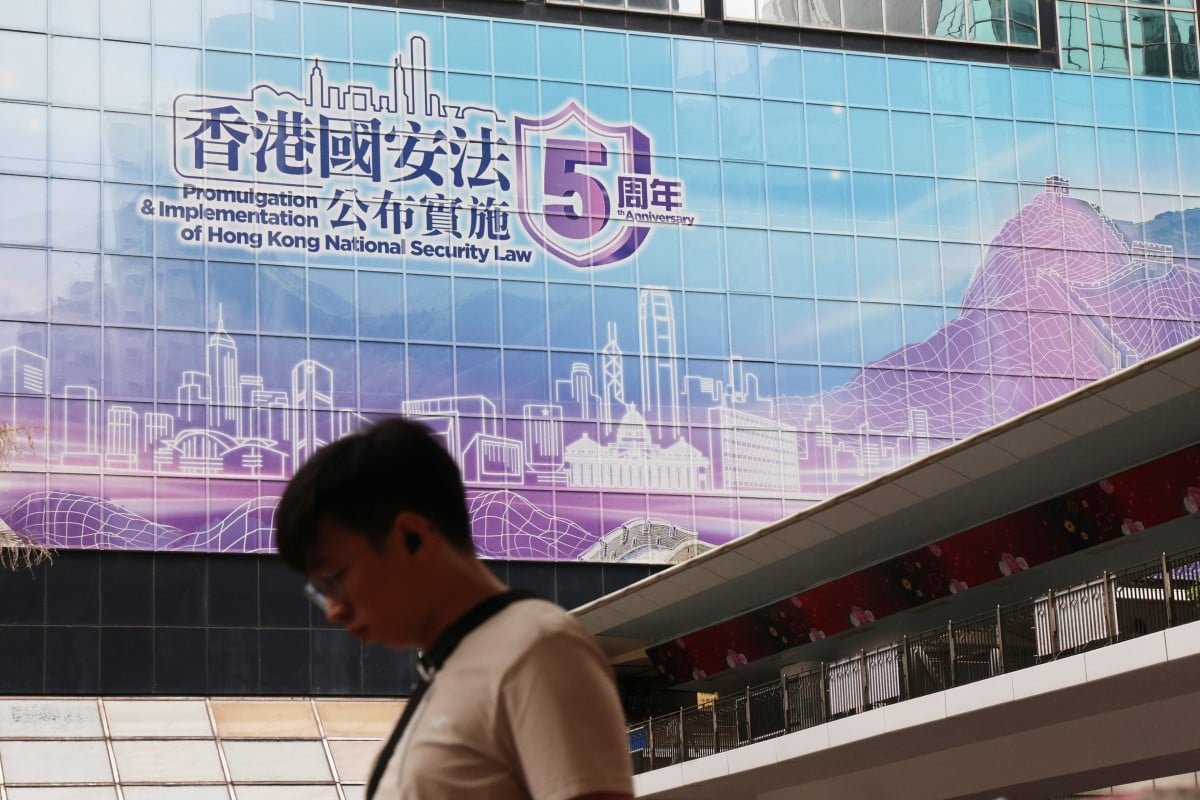
The legal mechanism at the center of the case is the national security law imposed on Hong Kong in 2020, which introduced broad offences including subversion, secession, terrorism, and collusion with foreign forces.
The law significantly expanded prosecutorial discretion in cases involving political organizations, particularly those engaged in advocacy or mass mobilization.
The Tiananmen vigil was once one of the few large-scale annual political gatherings permitted in Hong Kong, drawing tens of thousands of participants at its peak.
In recent years, authorities have increasingly restricted or prohibited public commemorations, citing public order considerations and legal compliance requirements, and no official candlelight vigil has taken place in Victoria Park since 2020.
The current proceedings are being closely watched because they test how far historical political advocacy can be treated as a criminal matter under the national security framework, particularly when the conduct in question predates the law’s introduction.
The outcome is expected to shape the legal boundaries for civic organizations, advocacy groups, and commemorative events in the city.
Regardless of the verdict, the case underscores a structural shift in Hong Kong’s civic space, where organizations tied to political expression face heightened legal exposure even when their activities are non-violent and publicly declared.
The defendants include former leaders of the Hong Kong Alliance in Support of Patriotic Democratic Movements of China, a group that once organized the city’s largest annual candlelight vigil on June 4 to mark the 1989 Tiananmen Square crackdown.
The organization was disbanded in 2021 amid mounting legal pressure, and several of its former executives were subsequently charged under laws related to national security and alleged subversion.
What is confirmed is that the case does not concern participation in a single protest event, but rather the alleged long-term activities of an organization over many years, including its stated mission, fundraising structures, and public advocacy.
Prosecutors argue that the group’s objectives and operations amounted to activities that crossed into unlawful political opposition under Hong Kong’s updated legal framework.
The defense has rejected these allegations, maintaining that the organization’s activities were peaceful, publicly declared, and focused on memorializing historical events through lawful assembly and expression.
They argue that commemorating the Tiananmen crackdown and advocating democratic values does not constitute subversion, and that the prosecution is interpreting political speech as criminal conduct.
The legal mechanism at the center of the case is the national security law imposed on Hong Kong in 2020, which introduced broad offences including subversion, secession, terrorism, and collusion with foreign forces.
The law significantly expanded prosecutorial discretion in cases involving political organizations, particularly those engaged in advocacy or mass mobilization.
The Tiananmen vigil was once one of the few large-scale annual political gatherings permitted in Hong Kong, drawing tens of thousands of participants at its peak.
In recent years, authorities have increasingly restricted or prohibited public commemorations, citing public order considerations and legal compliance requirements, and no official candlelight vigil has taken place in Victoria Park since 2020.
The current proceedings are being closely watched because they test how far historical political advocacy can be treated as a criminal matter under the national security framework, particularly when the conduct in question predates the law’s introduction.
The outcome is expected to shape the legal boundaries for civic organizations, advocacy groups, and commemorative events in the city.
Regardless of the verdict, the case underscores a structural shift in Hong Kong’s civic space, where organizations tied to political expression face heightened legal exposure even when their activities are non-violent and publicly declared.