The city’s electronic health record system is reaching older residents, but uneven digital literacy and access barriers are limiting real-world usage despite government expansion efforts.
Hong Kong’s public healthcare digitization program is entering a critical phase as authorities push wider adoption of the eHealth platform among senior citizens, a group that relies heavily on medical services but remains least comfortable with digital tools.
The system is designed to centralize personal medical records, prescriptions, and clinical histories into a single digital platform accessible across public and private healthcare providers.
The expansion reflects a broader SYSTEM-DRIVEN transformation in healthcare administration, where governments are shifting from fragmented paper-based records to integrated electronic health infrastructure.
In theory, such systems improve continuity of care, reduce duplication of tests, and allow faster clinical decision-making.
In practice, success depends on whether patients and healthcare providers actively use and update the platform.
What is emerging in Hong Kong is a persistent usage gap.
Seniors, who represent a large share of healthcare demand due to chronic conditions and frequent hospital visits, are among the least likely to use mobile applications or manage digital accounts independently.
Many rely instead on family members or caregivers to access online services, creating indirect usage rather than direct engagement with the system.
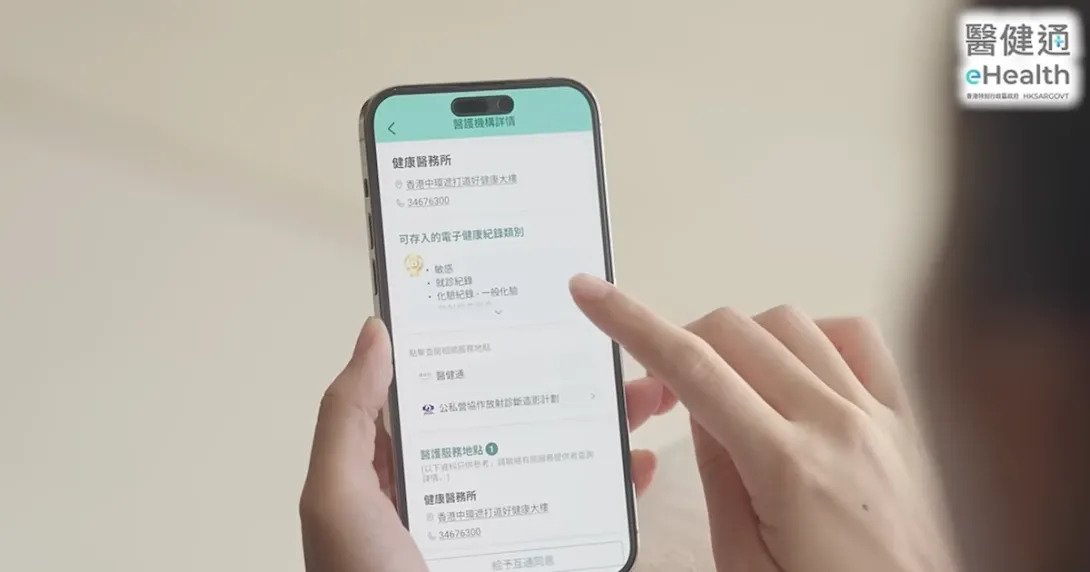
The eHealth platform itself is built to allow patients to view medical records, vaccination history, and medication prescriptions, while also enabling doctors to access prior treatment data across institutions.
This interoperability is intended to reduce administrative fragmentation in a system where patients often move between public clinics, specialist outpatient services, and private practitioners.
However, the effectiveness of the system depends on consistent data entry and user participation.
If older patients do not regularly log in or verify information, parts of the system risk becoming incomplete or underutilized.
That limits its potential to serve as a fully reliable clinical reference tool.
The government’s push toward senior adoption includes outreach efforts, assistance programs, and simplified onboarding processes.
These measures are intended to reduce friction in registration and improve accessibility for users with limited digital experience.
Yet the underlying challenge remains structural: older populations tend to have lower smartphone proficiency, and healthcare-related applications require both trust and technical familiarity.
The gap between infrastructure availability and actual usage highlights a broader tension in digital public services.
Building systems is comparatively fast; changing user behavior at scale is slower and more complex.
In Hong Kong’s case, the success of its healthcare digitization strategy will depend not only on technical performance but on whether elderly residents can meaningfully integrate the platform into routine care decisions.
As the system continues to expand across clinics and hospitals, its long-term impact will be determined by whether adoption barriers among seniors can be reduced enough to make digital records the default rather than a supplementary tool in everyday healthcare delivery.
The system is designed to centralize personal medical records, prescriptions, and clinical histories into a single digital platform accessible across public and private healthcare providers.
The expansion reflects a broader SYSTEM-DRIVEN transformation in healthcare administration, where governments are shifting from fragmented paper-based records to integrated electronic health infrastructure.
In theory, such systems improve continuity of care, reduce duplication of tests, and allow faster clinical decision-making.
In practice, success depends on whether patients and healthcare providers actively use and update the platform.
What is emerging in Hong Kong is a persistent usage gap.
Seniors, who represent a large share of healthcare demand due to chronic conditions and frequent hospital visits, are among the least likely to use mobile applications or manage digital accounts independently.
Many rely instead on family members or caregivers to access online services, creating indirect usage rather than direct engagement with the system.
The eHealth platform itself is built to allow patients to view medical records, vaccination history, and medication prescriptions, while also enabling doctors to access prior treatment data across institutions.
This interoperability is intended to reduce administrative fragmentation in a system where patients often move between public clinics, specialist outpatient services, and private practitioners.
However, the effectiveness of the system depends on consistent data entry and user participation.
If older patients do not regularly log in or verify information, parts of the system risk becoming incomplete or underutilized.
That limits its potential to serve as a fully reliable clinical reference tool.
The government’s push toward senior adoption includes outreach efforts, assistance programs, and simplified onboarding processes.
These measures are intended to reduce friction in registration and improve accessibility for users with limited digital experience.
Yet the underlying challenge remains structural: older populations tend to have lower smartphone proficiency, and healthcare-related applications require both trust and technical familiarity.
The gap between infrastructure availability and actual usage highlights a broader tension in digital public services.
Building systems is comparatively fast; changing user behavior at scale is slower and more complex.
In Hong Kong’s case, the success of its healthcare digitization strategy will depend not only on technical performance but on whether elderly residents can meaningfully integrate the platform into routine care decisions.
As the system continues to expand across clinics and hospitals, its long-term impact will be determined by whether adoption barriers among seniors can be reduced enough to make digital records the default rather than a supplementary tool in everyday healthcare delivery.