Lenovo Group stock climbed around one point seven percent in Hong Kong trading, reflecting shifting sentiment around global PC recovery, AI-driven hardware demand, and corporate restructuring expectations.
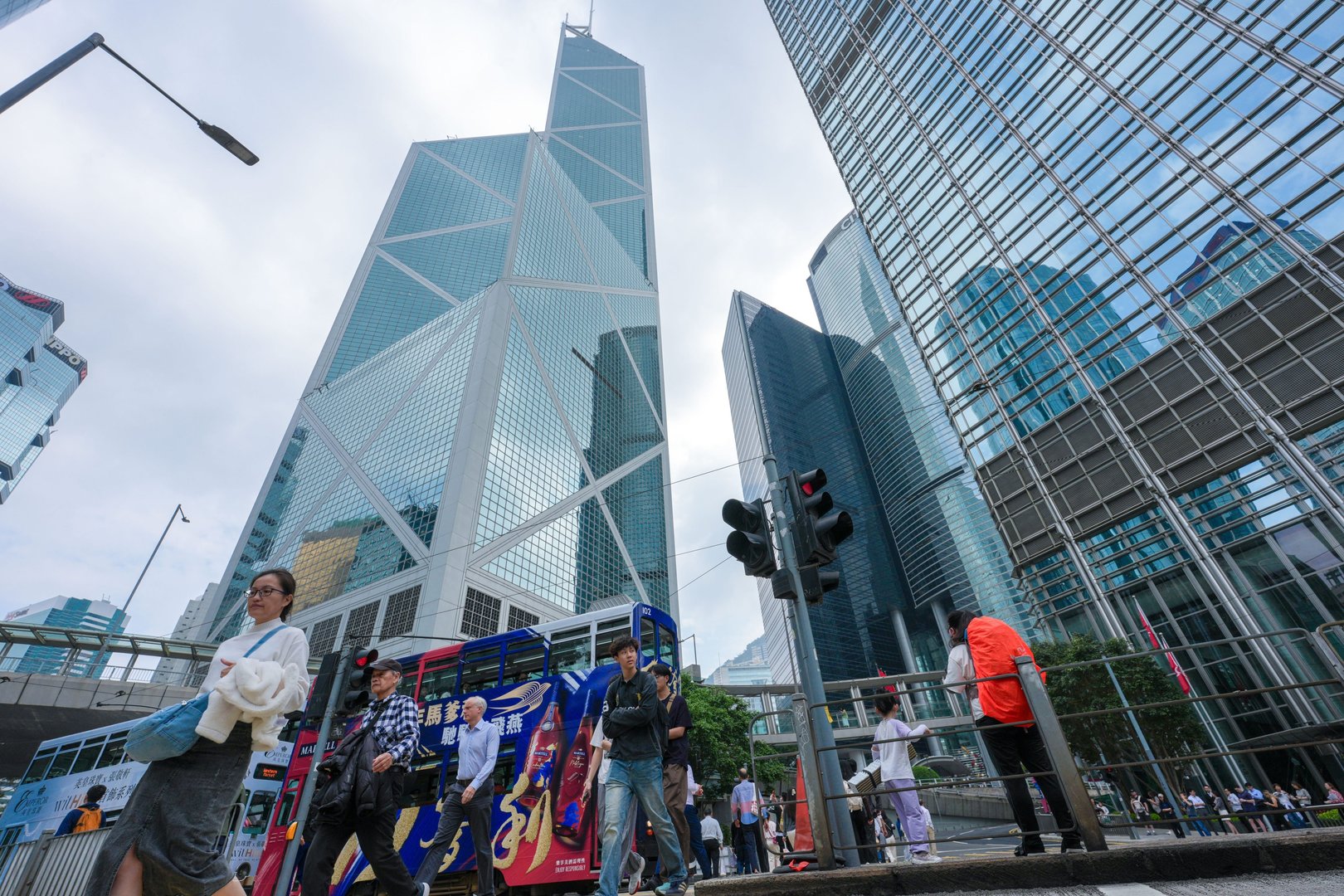
Lenovo Group’s shares rose about one point seven percent in Hong Kong trading, a move driven by renewed investor attention on the company’s positioning in the global personal computer and enterprise hardware market.
The price movement reflects broader SYSTEM-DRIVEN dynamics in the technology sector, where hardware manufacturers are being re-evaluated based on cyclical demand recovery and emerging artificial intelligence infrastructure needs.
Lenovo is one of the world’s largest PC manufacturers and a major supplier of enterprise servers, laptops, and related infrastructure products.
Its performance is closely tied to global PC shipment cycles, corporate IT spending, and demand from cloud and data center operators.
After a prolonged slowdown in the PC market following the pandemic-era boom, investors have been watching for signs of stabilization or recovery.
The recent share increase signals cautious optimism that the worst of the PC downturn may be easing, while also reflecting expectations that AI-related demand could support higher-margin segments of Lenovo’s business.
In particular, enterprise hardware tied to data processing and AI workloads has become a focal point for technology investors seeking exposure beyond software-based artificial intelligence plays.
At the same time, Lenovo faces structural pressures.
Competition remains intense in both consumer and enterprise segments, with pricing sensitivity continuing to constrain margins in traditional PC sales.
The company’s strategy has increasingly focused on balancing legacy hardware revenue with growth in services, infrastructure solutions, and AI-capable systems.
Market sentiment toward Lenovo is also influenced by broader macroeconomic conditions, including interest rate expectations and corporate capital expenditure trends.
When businesses delay IT upgrades during periods of uncertainty, PC and server demand tends to weaken.
Conversely, stabilization in global enterprise spending can quickly translate into improved order volumes for manufacturers like Lenovo.
The modest share gain does not represent a structural shift on its own, but it highlights how sensitive the stock remains to incremental signals about demand cycles and technology transitions.
For investors, Lenovo is increasingly viewed through a dual lens: a cyclical hardware company still exposed to global PC volatility, and a potential beneficiary of long-term AI infrastructure expansion.
As trading continues, the company’s near-term trajectory will depend on whether improving sentiment around technology spending translates into sustained order growth rather than short-term price movements in equity markets.
The price movement reflects broader SYSTEM-DRIVEN dynamics in the technology sector, where hardware manufacturers are being re-evaluated based on cyclical demand recovery and emerging artificial intelligence infrastructure needs.
Lenovo is one of the world’s largest PC manufacturers and a major supplier of enterprise servers, laptops, and related infrastructure products.
Its performance is closely tied to global PC shipment cycles, corporate IT spending, and demand from cloud and data center operators.
After a prolonged slowdown in the PC market following the pandemic-era boom, investors have been watching for signs of stabilization or recovery.
The recent share increase signals cautious optimism that the worst of the PC downturn may be easing, while also reflecting expectations that AI-related demand could support higher-margin segments of Lenovo’s business.
In particular, enterprise hardware tied to data processing and AI workloads has become a focal point for technology investors seeking exposure beyond software-based artificial intelligence plays.
At the same time, Lenovo faces structural pressures.
Competition remains intense in both consumer and enterprise segments, with pricing sensitivity continuing to constrain margins in traditional PC sales.
The company’s strategy has increasingly focused on balancing legacy hardware revenue with growth in services, infrastructure solutions, and AI-capable systems.
Market sentiment toward Lenovo is also influenced by broader macroeconomic conditions, including interest rate expectations and corporate capital expenditure trends.
When businesses delay IT upgrades during periods of uncertainty, PC and server demand tends to weaken.
Conversely, stabilization in global enterprise spending can quickly translate into improved order volumes for manufacturers like Lenovo.
The modest share gain does not represent a structural shift on its own, but it highlights how sensitive the stock remains to incremental signals about demand cycles and technology transitions.
For investors, Lenovo is increasingly viewed through a dual lens: a cyclical hardware company still exposed to global PC volatility, and a potential beneficiary of long-term AI infrastructure expansion.
As trading continues, the company’s near-term trajectory will depend on whether improving sentiment around technology spending translates into sustained order growth rather than short-term price movements in equity markets.