Policy advisers and industry stakeholders are calling for faster hydrogen deployment in power, transport, and industrial systems as the city struggles to decarbonize hard-to-abate sectors.
SYSTEM-DRIVEN climate and energy policy planning in Hong Kong is increasingly centering on hydrogen as authorities face mounting pressure to meet the city’s 2050 carbon neutrality target.
What is confirmed is that policymakers and industry participants have renewed calls for Hong Kong to accelerate hydrogen adoption across its energy transition strategy.
The push focuses on integrating hydrogen into sectors where electrification alone is considered difficult, including heavy transport, industrial heat processes, and parts of the power generation system.
Hong Kong has already committed to achieving carbon neutrality by 2050, in line with broader regional climate strategies.
However, progress toward that goal depends heavily on reducing emissions from imported electricity, transport fuels, and construction-related energy use.
Hydrogen is being positioned as a potential complement to renewable electricity, rather than a replacement, particularly for high-intensity energy applications where batteries and direct electrification face physical or economic limits.
The key issue is structural constraint.
Hong Kong has limited domestic renewable energy capacity due to land scarcity and high urban density.
This makes large-scale renewable generation difficult, increasing reliance on imported electricity and imported fuels.
Hydrogen, if produced through low-carbon methods such as electrolysis powered by renewables or imported green hydrogen, is seen by some planners as a way to diversify energy supply while reducing emissions.
At the same time, the hydrogen transition faces significant technical and economic barriers.
Production of green hydrogen remains expensive compared with fossil fuels, and infrastructure for storage, transport, and distribution is not yet established at scale in Hong Kong.
The city would need to develop import terminals, refueling stations, and safety regulatory frameworks before hydrogen can be deployed widely.
Stakeholders advocating for faster adoption argue that early investment is necessary to avoid technological lock-in and to ensure Hong Kong is not dependent on delayed infrastructure development in neighboring markets.
They also point to regional competition, as jurisdictions such as mainland China, Japan, and South Korea expand hydrogen pilot programs and supply chains.
Critically, hydrogen’s role in Hong Kong’s energy system remains policy-directed rather than market-driven at scale.
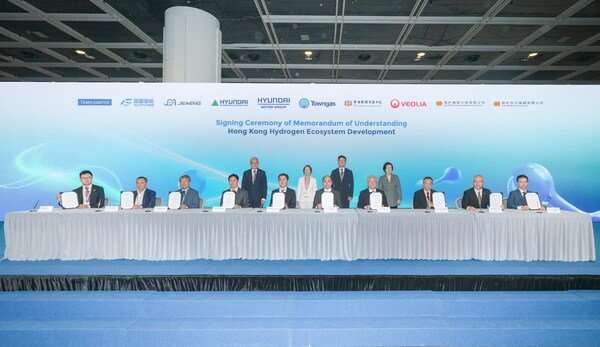
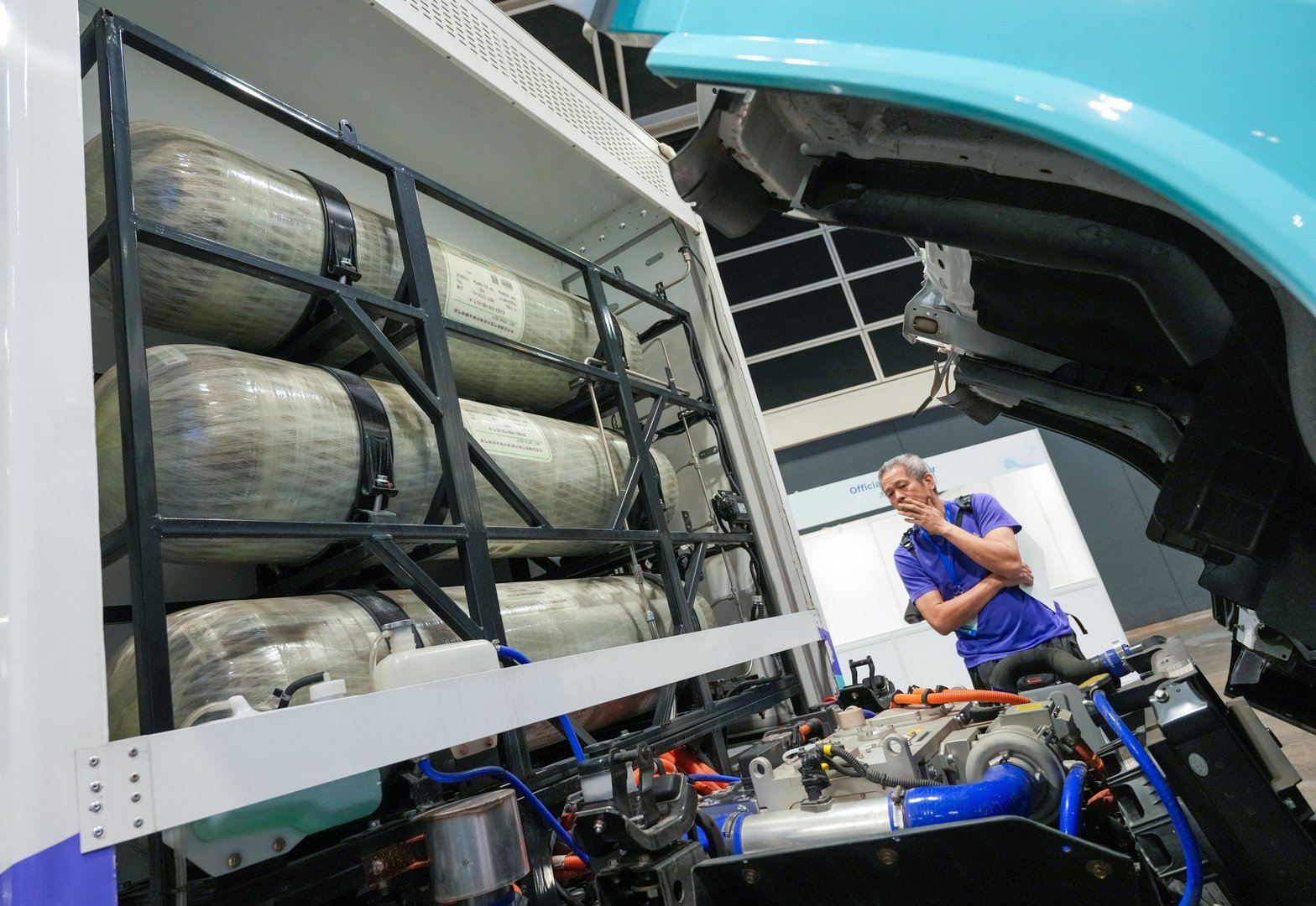
Existing deployment is limited to pilot projects and feasibility studies, particularly in transport and logistics sectors.
These early-stage efforts are intended to test safety protocols, cost structures, and integration with existing energy networks.
The government’s long-term decarbonization framework continues to prioritize energy efficiency, electrification, and imported clean electricity as primary tools.
Hydrogen is currently positioned as a supplementary technology, with its future role dependent on cost reductions, supply chain maturity, and international trade routes for low-carbon hydrogen.
The renewed push highlights a broader policy tension: Hong Kong’s carbon neutrality goal is clear, but the technological pathway remains uncertain, with hydrogen emerging as a contested but increasingly prominent component of the city’s long-term energy strategy.
What is confirmed is that policymakers and industry participants have renewed calls for Hong Kong to accelerate hydrogen adoption across its energy transition strategy.
The push focuses on integrating hydrogen into sectors where electrification alone is considered difficult, including heavy transport, industrial heat processes, and parts of the power generation system.
Hong Kong has already committed to achieving carbon neutrality by 2050, in line with broader regional climate strategies.
However, progress toward that goal depends heavily on reducing emissions from imported electricity, transport fuels, and construction-related energy use.
Hydrogen is being positioned as a potential complement to renewable electricity, rather than a replacement, particularly for high-intensity energy applications where batteries and direct electrification face physical or economic limits.
The key issue is structural constraint.
Hong Kong has limited domestic renewable energy capacity due to land scarcity and high urban density.
This makes large-scale renewable generation difficult, increasing reliance on imported electricity and imported fuels.
Hydrogen, if produced through low-carbon methods such as electrolysis powered by renewables or imported green hydrogen, is seen by some planners as a way to diversify energy supply while reducing emissions.
At the same time, the hydrogen transition faces significant technical and economic barriers.
Production of green hydrogen remains expensive compared with fossil fuels, and infrastructure for storage, transport, and distribution is not yet established at scale in Hong Kong.
The city would need to develop import terminals, refueling stations, and safety regulatory frameworks before hydrogen can be deployed widely.
Stakeholders advocating for faster adoption argue that early investment is necessary to avoid technological lock-in and to ensure Hong Kong is not dependent on delayed infrastructure development in neighboring markets.
They also point to regional competition, as jurisdictions such as mainland China, Japan, and South Korea expand hydrogen pilot programs and supply chains.
Critically, hydrogen’s role in Hong Kong’s energy system remains policy-directed rather than market-driven at scale.
Existing deployment is limited to pilot projects and feasibility studies, particularly in transport and logistics sectors.
These early-stage efforts are intended to test safety protocols, cost structures, and integration with existing energy networks.
The government’s long-term decarbonization framework continues to prioritize energy efficiency, electrification, and imported clean electricity as primary tools.
Hydrogen is currently positioned as a supplementary technology, with its future role dependent on cost reductions, supply chain maturity, and international trade routes for low-carbon hydrogen.
The renewed push highlights a broader policy tension: Hong Kong’s carbon neutrality goal is clear, but the technological pathway remains uncertain, with hydrogen emerging as a contested but increasingly prominent component of the city’s long-term energy strategy.