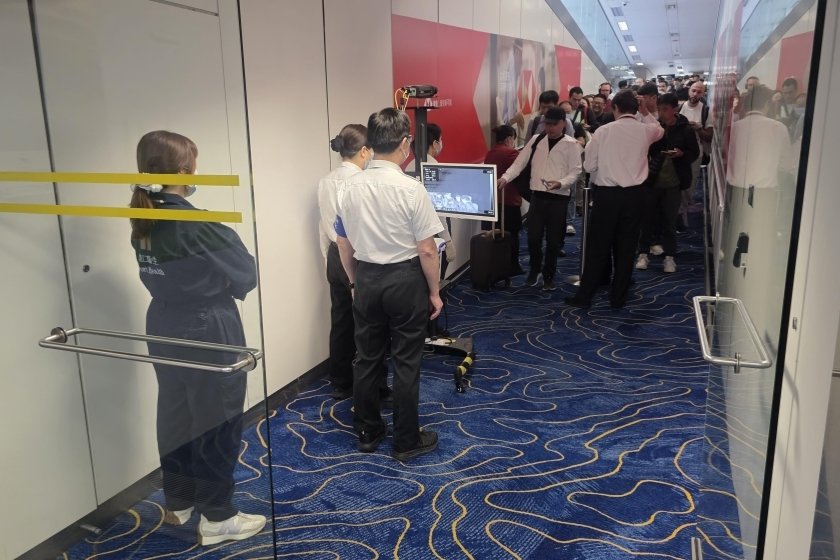
Authorities are upgrading isolation capacity and border health surveillance as part of contingency planning for potential Ebola or other high-risk infectious disease cases.
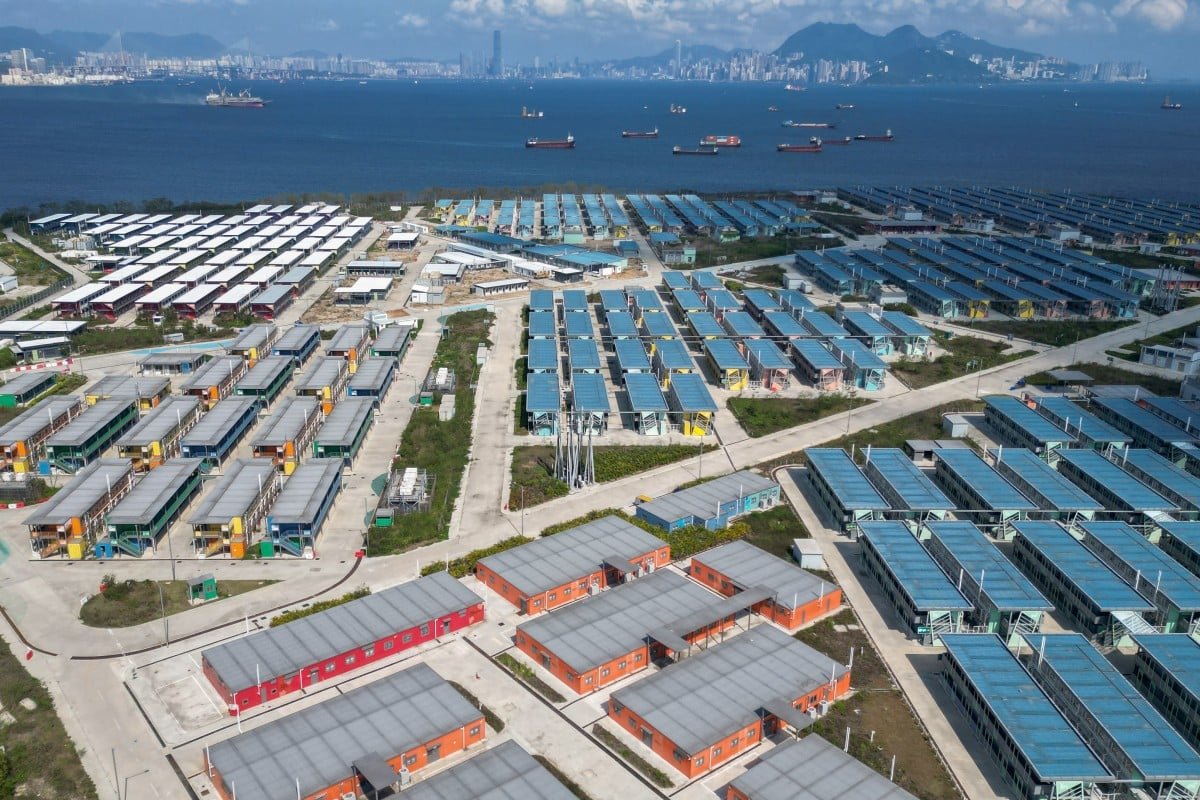
EVENT-DRIVEN public health preparedness measures in Hong Kong have intensified as authorities reinforce contingency planning for Ebola virus disease, including readiness protocols for a quarantine facility on Lantau Island.
What is confirmed is that Hong Kong health authorities are stepping up preparedness measures for potential Ebola cases, with operational planning that includes the use or activation of a designated quarantine facility on Lantau Island.
The measures are part of a broader infectious disease readiness framework designed to handle rare but high-consequence viral outbreaks.
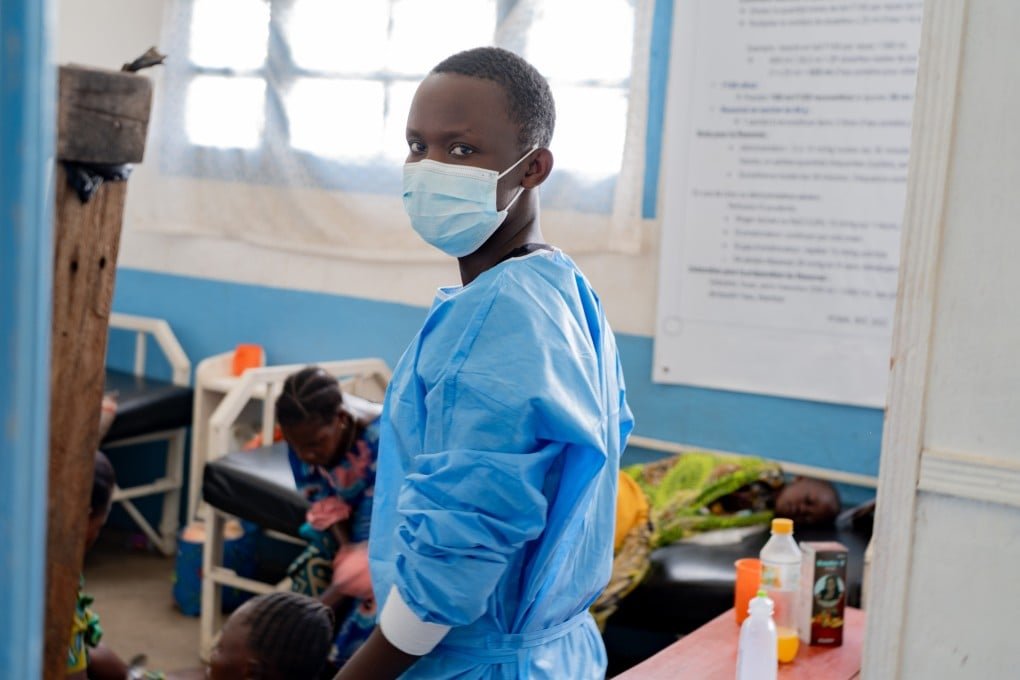
Ebola virus disease is a severe and often fatal illness transmitted through direct contact with infected bodily fluids.
While no active outbreak has been reported in Hong Kong, the disease’s high mortality rate and history of cross-border spread during international outbreaks have led many jurisdictions to maintain dedicated isolation and response infrastructure.
The key issue driving the policy is risk containment.
Hong Kong is a densely populated international hub with one of the world’s busiest air traffic networks, making it particularly sensitive to imported infectious disease threats.
Even a single suspected case can require rapid isolation, contact tracing, and medical containment to prevent wider transmission.
The planned or pre-identified quarantine capacity on Lantau Island forms part of Hong Kong’s emergency public health architecture.
Facilities of this type are typically designed to function as controlled isolation environments, allowing medical teams to manage high-risk patients while limiting exposure to general hospital systems and the wider community.
Such facilities were previously used or placed on standby during global outbreaks of infectious diseases, including SARS and COVID-19, when Hong Kong expanded its isolation capacity and developed rapid-response protocols for incoming travelers and suspected cases.
The current preparedness measures are focused on readiness rather than active treatment demand.
This includes maintaining operational protocols, ensuring staff training, and verifying that isolation infrastructure can be activated quickly if required.
It also includes coordination between border health officials, hospitals, and emergency response units.
Public health authorities globally have emphasized that Ebola remains rare outside specific endemic regions in Africa, but international travel and medical evacuation scenarios require countries with advanced healthcare systems to maintain contingency capabilities.
Hong Kong’s approach reflects that principle, prioritizing early containment capacity over reactive expansion during a crisis.
The existence of dedicated quarantine infrastructure reduces the time needed to isolate suspected cases, which is critical in diseases where transmission can occur through direct physical contact.
The broader implication is that Hong Kong continues to treat high-consequence infectious diseases as a standing risk within its public health system design, maintaining infrastructure that can be rapidly deployed even in the absence of active local outbreaks.
The Lantau facility remains part of that strategic preparedness framework, ready for activation if a confirmed case emerges.
What is confirmed is that Hong Kong health authorities are stepping up preparedness measures for potential Ebola cases, with operational planning that includes the use or activation of a designated quarantine facility on Lantau Island.
The measures are part of a broader infectious disease readiness framework designed to handle rare but high-consequence viral outbreaks.
Ebola virus disease is a severe and often fatal illness transmitted through direct contact with infected bodily fluids.
While no active outbreak has been reported in Hong Kong, the disease’s high mortality rate and history of cross-border spread during international outbreaks have led many jurisdictions to maintain dedicated isolation and response infrastructure.
The key issue driving the policy is risk containment.
Hong Kong is a densely populated international hub with one of the world’s busiest air traffic networks, making it particularly sensitive to imported infectious disease threats.
Even a single suspected case can require rapid isolation, contact tracing, and medical containment to prevent wider transmission.
The planned or pre-identified quarantine capacity on Lantau Island forms part of Hong Kong’s emergency public health architecture.
Facilities of this type are typically designed to function as controlled isolation environments, allowing medical teams to manage high-risk patients while limiting exposure to general hospital systems and the wider community.
Such facilities were previously used or placed on standby during global outbreaks of infectious diseases, including SARS and COVID-19, when Hong Kong expanded its isolation capacity and developed rapid-response protocols for incoming travelers and suspected cases.
The current preparedness measures are focused on readiness rather than active treatment demand.
This includes maintaining operational protocols, ensuring staff training, and verifying that isolation infrastructure can be activated quickly if required.
It also includes coordination between border health officials, hospitals, and emergency response units.
Public health authorities globally have emphasized that Ebola remains rare outside specific endemic regions in Africa, but international travel and medical evacuation scenarios require countries with advanced healthcare systems to maintain contingency capabilities.
Hong Kong’s approach reflects that principle, prioritizing early containment capacity over reactive expansion during a crisis.
The existence of dedicated quarantine infrastructure reduces the time needed to isolate suspected cases, which is critical in diseases where transmission can occur through direct physical contact.
The broader implication is that Hong Kong continues to treat high-consequence infectious diseases as a standing risk within its public health system design, maintaining infrastructure that can be rapidly deployed even in the absence of active local outbreaks.
The Lantau facility remains part of that strategic preparedness framework, ready for activation if a confirmed case emerges.