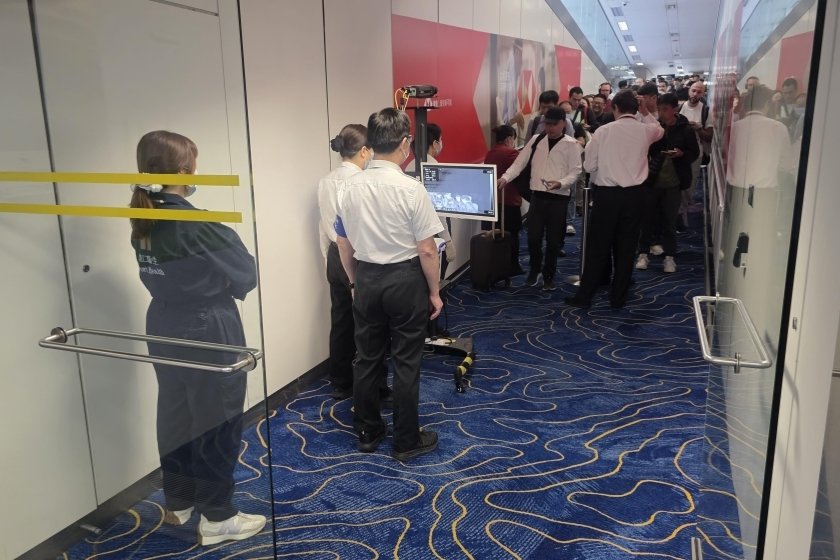
The city has raised its public health alert level as international agencies escalate monitoring of an Ebola outbreak, intensifying scrutiny of cross-border preparedness and containment measures.
EVENT-DRIVEN: The story is driven by an escalating infectious disease response framework triggered by renewed concern over an Ebola outbreak and the resulting public health precaution measures adopted by Hong Kong authorities.
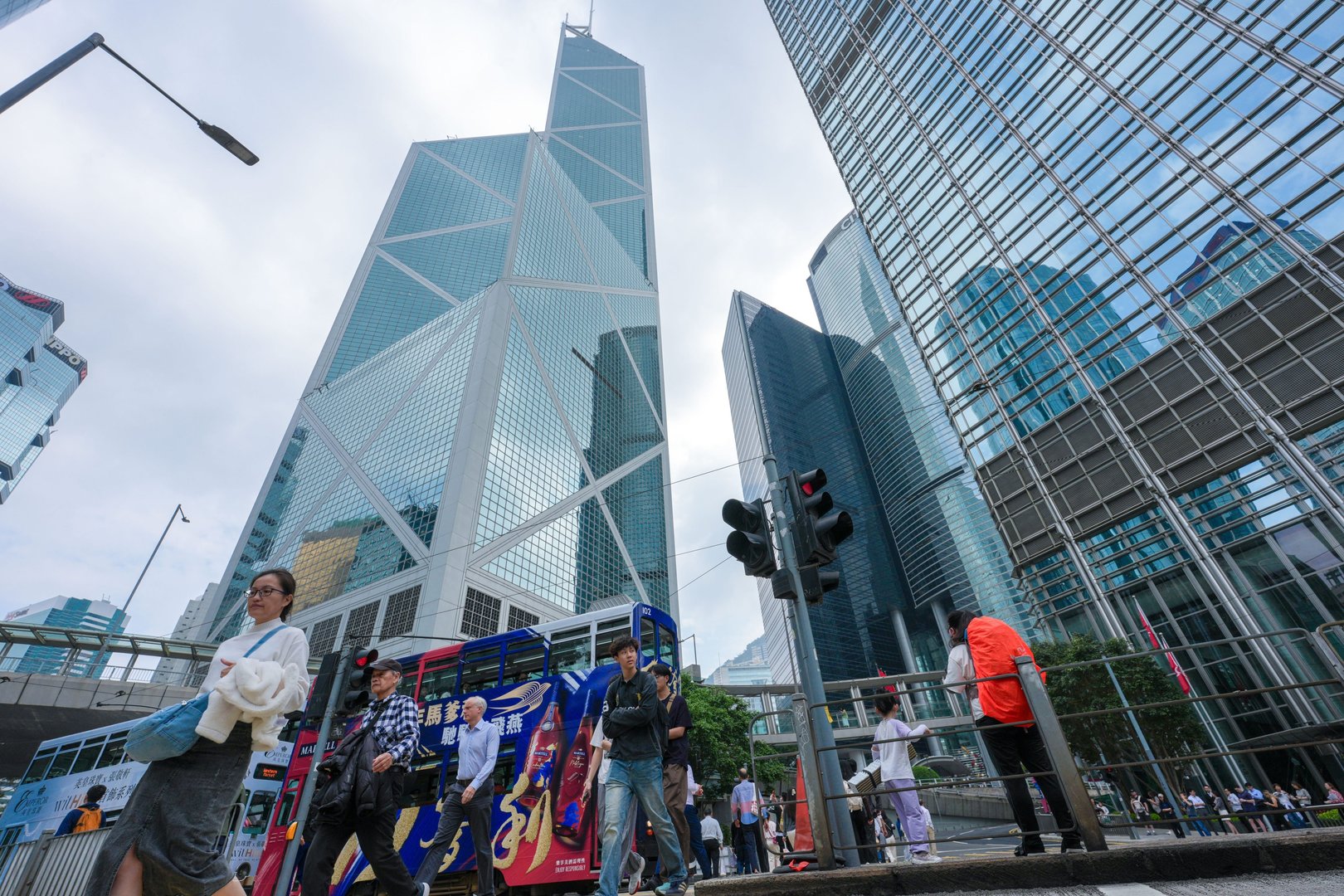
Hong Kong has raised its public health alert level in response to an escalating global health situation involving Ebola, as international health authorities increase their monitoring and coordination efforts around the outbreak.
What is confirmed is that Hong Kong authorities have activated heightened preparedness protocols, which typically include strengthened border screening, enhanced hospital readiness procedures, and updated public health guidance for medical institutions.
These measures are designed to detect potential imported cases early and prevent local transmission in the event of cross-border exposure.
The action follows a broader escalation in international attention to Ebola, a severe viral hemorrhagic fever known for high mortality rates and transmission through direct contact with infected bodily fluids.
Outbreak response typically relies on rapid isolation, contact tracing, and strict infection control protocols rather than population-wide restrictions.
The World Health Organization has been described in global discussions as intensifying its response to the outbreak situation, including elevated risk assessment and coordination with national health authorities.
In such frameworks, classification changes can influence travel advisories, funding allocation, and emergency preparedness protocols across multiple countries.
Hong Kong’s health alert system is tiered, allowing authorities to escalate readiness without declaring a full emergency.
Raising the alert level signals increased vigilance rather than evidence of confirmed local cases, and is primarily aimed at strengthening early detection capacity at ports of entry and within healthcare facilities.
The mechanism of concern in Ebola response is importation risk through international travel or medical evacuation, rather than sustained airborne transmission.
This makes border control measures and rapid clinical isolation the most critical tools for prevention in non-endemic regions.
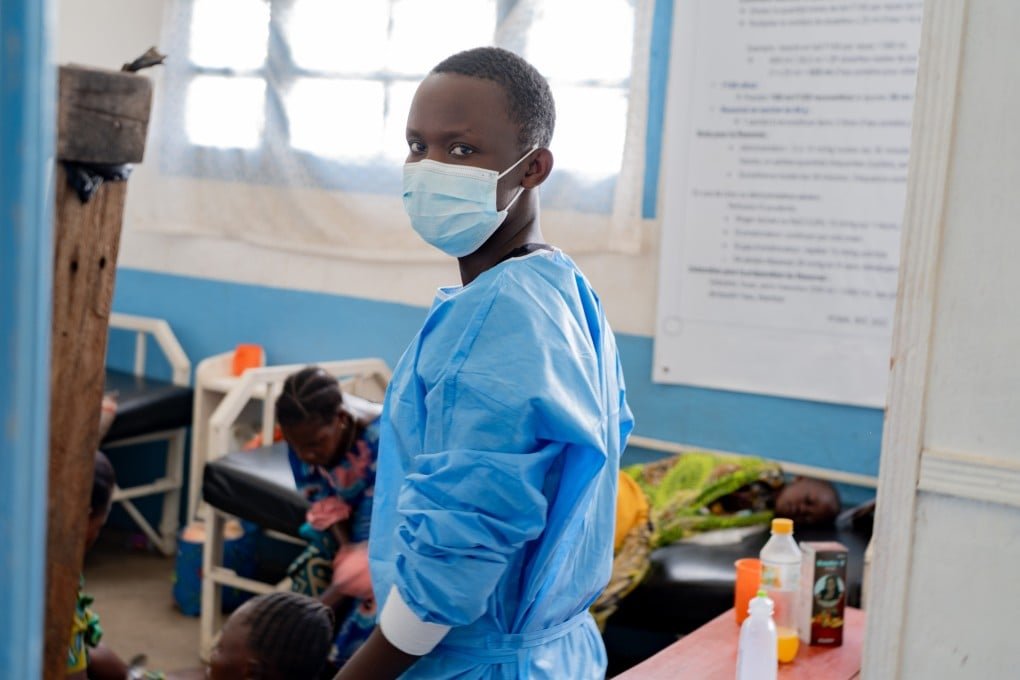
Hospitals in Hong Kong are expected under elevated alert conditions to reinforce infection control training, review isolation ward capacity, and ensure diagnostic readiness for rare high-consequence pathogens.
These steps are part of standard preparedness protocols for diseases with epidemic potential.
The broader implication of the alert escalation is not immediate evidence of local outbreak activity, but a shift in operational readiness across the healthcare system.
Such measures are designed to compress response time in the event of a detected case, reducing the risk of secondary transmission.
The development also reflects increasing sensitivity among global cities to infectious disease signals following previous pandemic experiences, where early-stage preparedness was identified as a key determinant of outbreak containment effectiveness.
Hong Kong has raised its public health alert level in response to an escalating global health situation involving Ebola, as international health authorities increase their monitoring and coordination efforts around the outbreak.
What is confirmed is that Hong Kong authorities have activated heightened preparedness protocols, which typically include strengthened border screening, enhanced hospital readiness procedures, and updated public health guidance for medical institutions.
These measures are designed to detect potential imported cases early and prevent local transmission in the event of cross-border exposure.
The action follows a broader escalation in international attention to Ebola, a severe viral hemorrhagic fever known for high mortality rates and transmission through direct contact with infected bodily fluids.
Outbreak response typically relies on rapid isolation, contact tracing, and strict infection control protocols rather than population-wide restrictions.
The World Health Organization has been described in global discussions as intensifying its response to the outbreak situation, including elevated risk assessment and coordination with national health authorities.
In such frameworks, classification changes can influence travel advisories, funding allocation, and emergency preparedness protocols across multiple countries.
Hong Kong’s health alert system is tiered, allowing authorities to escalate readiness without declaring a full emergency.
Raising the alert level signals increased vigilance rather than evidence of confirmed local cases, and is primarily aimed at strengthening early detection capacity at ports of entry and within healthcare facilities.
The mechanism of concern in Ebola response is importation risk through international travel or medical evacuation, rather than sustained airborne transmission.
This makes border control measures and rapid clinical isolation the most critical tools for prevention in non-endemic regions.
Hospitals in Hong Kong are expected under elevated alert conditions to reinforce infection control training, review isolation ward capacity, and ensure diagnostic readiness for rare high-consequence pathogens.
These steps are part of standard preparedness protocols for diseases with epidemic potential.
The broader implication of the alert escalation is not immediate evidence of local outbreak activity, but a shift in operational readiness across the healthcare system.
Such measures are designed to compress response time in the event of a detected case, reducing the risk of secondary transmission.
The development also reflects increasing sensitivity among global cities to infectious disease signals following previous pandemic experiences, where early-stage preparedness was identified as a key determinant of outbreak containment effectiveness.