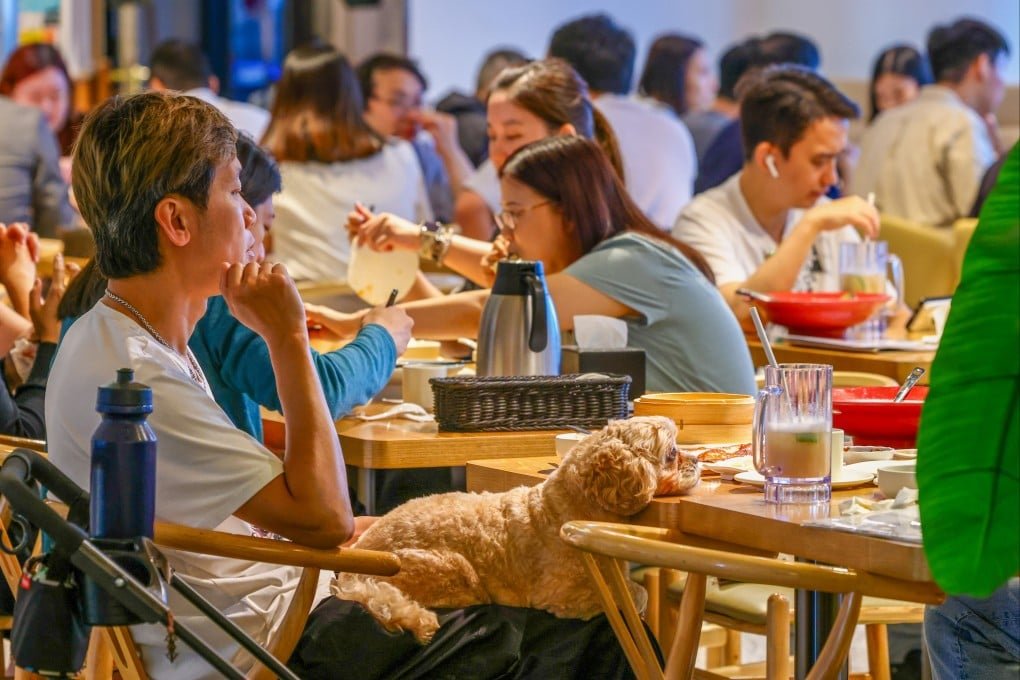
A new regulatory pathway allowing restaurants to welcome dogs has triggered immediate demand from operators, highlighting shifting consumer habits and a controlled relaxation of long-standing food safety rules.
A new licensing framework in Hong Kong allowing restaurants to formally admit dogs has received an unexpectedly high level of interest, with around 700 applications submitted on the first day of rollout, signaling strong demand from the hospitality sector for pet-inclusive dining spaces.
The scheme, introduced under updated public health and licensing rules, creates a structured approval process for restaurants that wish to allow dogs in designated areas.
It requires operators to comply with specific conditions, including separate food handling zones, sanitation measures, and clear distinctions between pet-friendly and non-pet areas.
The goal is to balance rising consumer demand for pet-inclusive venues with the city’s longstanding food safety standards.
What is confirmed is that the applications came from a broad range of food establishments, including cafés, casual dining venues, and private restaurants.
The volume of submissions on the first day exceeded typical expectations for new licensing categories of this type, suggesting that operators see commercial value in catering to pet owners as a growing customer segment.
The mechanism behind the scheme reflects a regulatory compromise rather than a full deregulation of food service rules.
Dogs are not automatically permitted in all restaurants; instead, participation is voluntary and conditional.
Each approved venue must comply with inspection requirements and operational restrictions designed to minimize hygiene risks while allowing controlled animal access.
Hong Kong has traditionally maintained strict food hygiene regulations that effectively barred animals from indoor dining spaces, with limited exceptions for service animals.
The introduction of a formal dog-friendly category represents a shift in policy posture, driven in part by changing urban lifestyles, higher rates of pet ownership, and pressure from hospitality businesses seeking new revenue streams.
Industry participants view the scheme as a potential differentiator in a competitive dining market, particularly in districts with high foot traffic and younger demographics.
Cafés and lifestyle-oriented restaurants are expected to benefit most, as pet-friendly dining has become a visible consumer trend in several global cities.
At the same time, regulators are expected to monitor implementation closely, particularly around hygiene compliance, enforcement consistency, and customer separation protocols.
The scale of initial applications suggests that administrative capacity will be tested as authorities process approvals and conduct inspections.
The broader implication of the scheme is structural: it introduces a new category of regulated hospitality service that formalizes what was previously informal or prohibited.
If successfully implemented, it could reshape restaurant design, licensing expectations, and consumer behavior in Hong Kong’s food and beverage sector, embedding pet-friendly dining into mainstream commercial practice rather than treating it as an exception.
The scheme, introduced under updated public health and licensing rules, creates a structured approval process for restaurants that wish to allow dogs in designated areas.
It requires operators to comply with specific conditions, including separate food handling zones, sanitation measures, and clear distinctions between pet-friendly and non-pet areas.
The goal is to balance rising consumer demand for pet-inclusive venues with the city’s longstanding food safety standards.
What is confirmed is that the applications came from a broad range of food establishments, including cafés, casual dining venues, and private restaurants.
The volume of submissions on the first day exceeded typical expectations for new licensing categories of this type, suggesting that operators see commercial value in catering to pet owners as a growing customer segment.
The mechanism behind the scheme reflects a regulatory compromise rather than a full deregulation of food service rules.
Dogs are not automatically permitted in all restaurants; instead, participation is voluntary and conditional.
Each approved venue must comply with inspection requirements and operational restrictions designed to minimize hygiene risks while allowing controlled animal access.
Hong Kong has traditionally maintained strict food hygiene regulations that effectively barred animals from indoor dining spaces, with limited exceptions for service animals.
The introduction of a formal dog-friendly category represents a shift in policy posture, driven in part by changing urban lifestyles, higher rates of pet ownership, and pressure from hospitality businesses seeking new revenue streams.
Industry participants view the scheme as a potential differentiator in a competitive dining market, particularly in districts with high foot traffic and younger demographics.
Cafés and lifestyle-oriented restaurants are expected to benefit most, as pet-friendly dining has become a visible consumer trend in several global cities.
At the same time, regulators are expected to monitor implementation closely, particularly around hygiene compliance, enforcement consistency, and customer separation protocols.
The scale of initial applications suggests that administrative capacity will be tested as authorities process approvals and conduct inspections.
The broader implication of the scheme is structural: it introduces a new category of regulated hospitality service that formalizes what was previously informal or prohibited.
If successfully implemented, it could reshape restaurant design, licensing expectations, and consumer behavior in Hong Kong’s food and beverage sector, embedding pet-friendly dining into mainstream commercial practice rather than treating it as an exception.