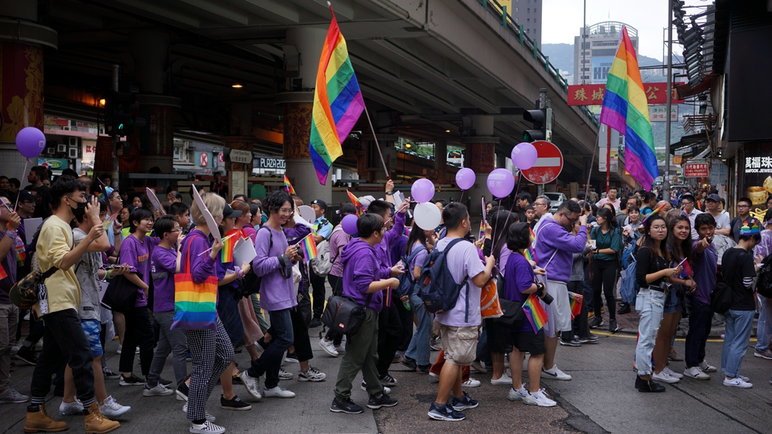
The sudden cancellation raises questions about tightening civic space, shifting governance influence, and the future of public LGBTQ+ organizing in the city
The cancellation of a major LGBTQ+ event in Hong Kong reflects a system-driven shift in the city’s civic and regulatory environment, where public gatherings increasingly sit at the intersection of local governance, national political sensitivities, and security-oriented administrative oversight.
The decision has drawn attention not only because of the event’s scale, but because of what it suggests about the boundaries of public expression in a territory that has undergone significant political restructuring in recent years.
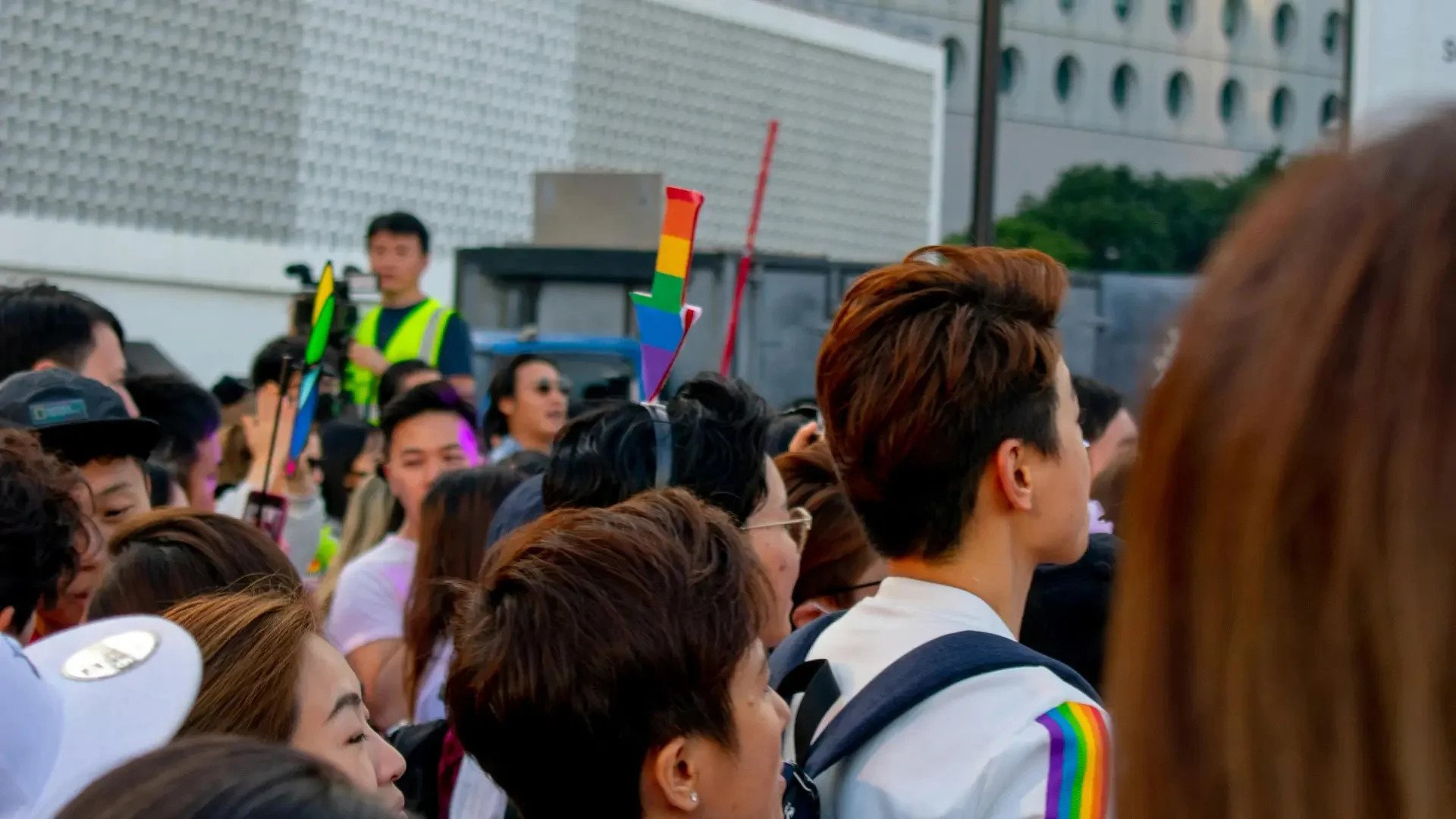
What is confirmed is that organizers of one of Hong Kong’s largest LGBTQ+ events announced its cancellation shortly before it was due to take place.
The event had been positioned as a high-visibility gathering combining community activities, cultural programming, and advocacy-oriented discussions.
Its cancellation was abrupt, with organizers citing external constraints rather than internal logistical failure.
The key issue driving the story is the environment in which permits, venues, and public-facing events are approved.
In Hong Kong, large-scale gatherings require coordination with multiple layers of administrative approval, including venue operators and relevant government departments.
In recent years, these processes have become more sensitive to perceived political risk, particularly around events that may be interpreted as touching on identity politics or social mobilization.
The allegation that political pressure played a role has not been formally confirmed by authorities, but it has emerged as a central explanation among affected groups and observers.
Organizers and advocacy voices have pointed to increasing caution among venues and sponsors when associated with events that could attract scrutiny.
This reflects a broader climate in which institutions often seek to avoid controversy by limiting exposure to politically sensitive themes.
Hong Kong’s LGBTQ+ community has previously hosted Pride-related events, film festivals, and public forums, but the scale and visibility of such events have fluctuated over time.
Some initiatives have shifted toward smaller, privately hosted formats, while others have been relocated or restructured to reduce public visibility.
The cancellation of a flagship event therefore carries symbolic weight beyond its immediate program loss.
The broader context includes Hong Kong’s evolving governance framework following major political changes in recent years.
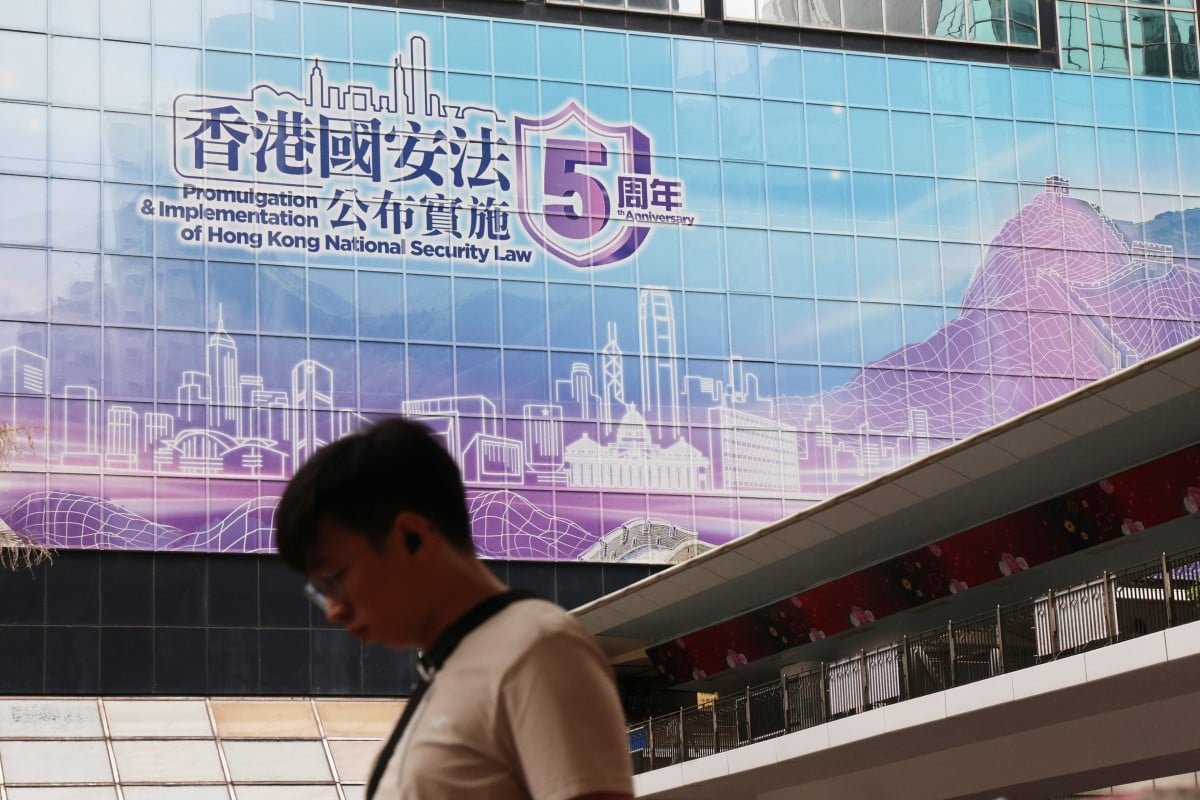
Increased emphasis on national security considerations has influenced how public space is regulated, including assembly permissions and content oversight.
While LGBTQ+ issues are not inherently political in legal terms, they exist within a broader environment where institutions are increasingly cautious about public-facing events that could be interpreted through a political lens.
For international observers and rights organizations, the development is significant because it tests the practical limits of civic participation in Hong Kong’s public sphere.
For local communities, it signals a shift in how visibility is negotiated—moving from open public programming toward more controlled, lower-profile formats.
The result is not an explicit prohibition, but a tightening of conditions that shape what kinds of events can be reliably executed at scale.
The immediate consequence is the loss of a major platform for community engagement and visibility in Hong Kong’s LGBTQ+ calendar.
The longer-term implication is a recalibration of how civil society groups design events in an environment where approval, sponsorship, and venue access are increasingly sensitive to perceived risk, setting a new operational baseline for public advocacy and cultural expression in the city.
The decision has drawn attention not only because of the event’s scale, but because of what it suggests about the boundaries of public expression in a territory that has undergone significant political restructuring in recent years.
What is confirmed is that organizers of one of Hong Kong’s largest LGBTQ+ events announced its cancellation shortly before it was due to take place.
The event had been positioned as a high-visibility gathering combining community activities, cultural programming, and advocacy-oriented discussions.
Its cancellation was abrupt, with organizers citing external constraints rather than internal logistical failure.
The key issue driving the story is the environment in which permits, venues, and public-facing events are approved.
In Hong Kong, large-scale gatherings require coordination with multiple layers of administrative approval, including venue operators and relevant government departments.
In recent years, these processes have become more sensitive to perceived political risk, particularly around events that may be interpreted as touching on identity politics or social mobilization.
The allegation that political pressure played a role has not been formally confirmed by authorities, but it has emerged as a central explanation among affected groups and observers.
Organizers and advocacy voices have pointed to increasing caution among venues and sponsors when associated with events that could attract scrutiny.
This reflects a broader climate in which institutions often seek to avoid controversy by limiting exposure to politically sensitive themes.
Hong Kong’s LGBTQ+ community has previously hosted Pride-related events, film festivals, and public forums, but the scale and visibility of such events have fluctuated over time.
Some initiatives have shifted toward smaller, privately hosted formats, while others have been relocated or restructured to reduce public visibility.
The cancellation of a flagship event therefore carries symbolic weight beyond its immediate program loss.
The broader context includes Hong Kong’s evolving governance framework following major political changes in recent years.
Increased emphasis on national security considerations has influenced how public space is regulated, including assembly permissions and content oversight.
While LGBTQ+ issues are not inherently political in legal terms, they exist within a broader environment where institutions are increasingly cautious about public-facing events that could be interpreted through a political lens.
For international observers and rights organizations, the development is significant because it tests the practical limits of civic participation in Hong Kong’s public sphere.
For local communities, it signals a shift in how visibility is negotiated—moving from open public programming toward more controlled, lower-profile formats.
The result is not an explicit prohibition, but a tightening of conditions that shape what kinds of events can be reliably executed at scale.
The immediate consequence is the loss of a major platform for community engagement and visibility in Hong Kong’s LGBTQ+ calendar.
The longer-term implication is a recalibration of how civil society groups design events in an environment where approval, sponsorship, and venue access are increasingly sensitive to perceived risk, setting a new operational baseline for public advocacy and cultural expression in the city.