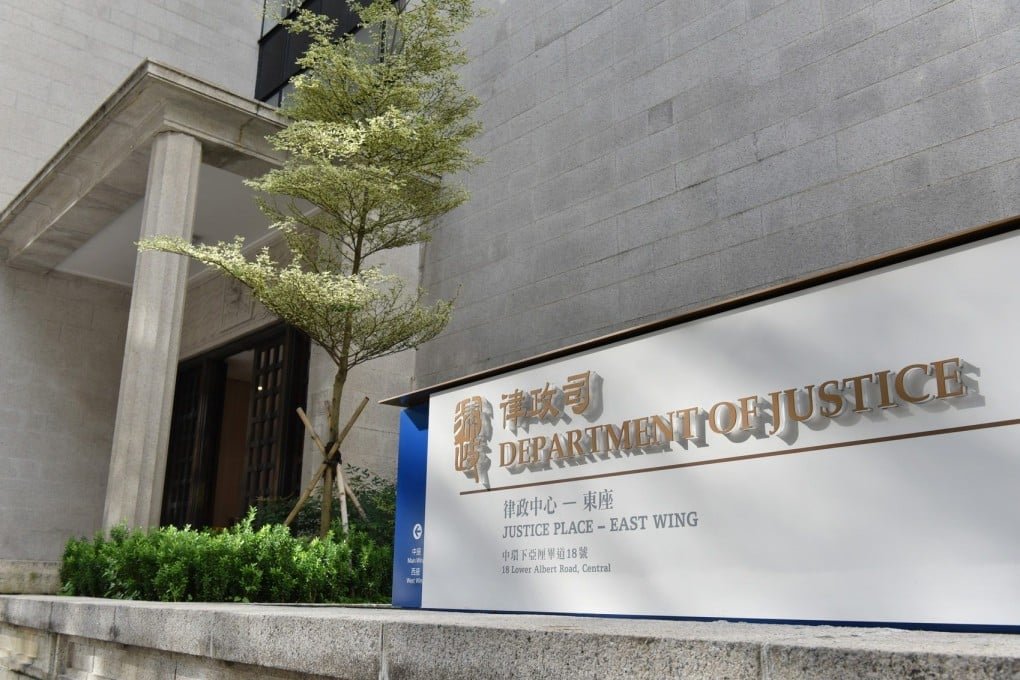
New measure aligns city with global jurisdictions expanding enforcement powers in digital cases
Hong Kong has introduced measures to criminalise the refusal to disclose passwords or access credentials during official investigations, aligning the city with a growing number of jurisdictions strengthening digital enforcement powers.
The policy is designed to address challenges faced by authorities in accessing encrypted data during criminal probes, where digital evidence is increasingly central.
Officials argue that the ability to obtain access to such information is critical for effective law enforcement in a rapidly evolving technological landscape.
Under the new framework, individuals who fail to comply with lawful requests to provide passwords or decrypt data could face legal consequences.
The move reflects a broader international trend toward equipping investigators with tools to handle complex cyber-related cases.
Authorities have emphasised that the measure is intended to support legitimate investigations while operating within established legal safeguards.
The approach seeks to balance enforcement needs with considerations around privacy and due process.
The development comes as governments worldwide grapple with the implications of widespread encryption, which can both protect personal data and present obstacles to criminal investigations.
Hong Kong’s adoption of similar provisions highlights its effort to remain aligned with global regulatory practices.
Legal experts and industry stakeholders are expected to examine the implementation of the policy closely, particularly in terms of how it is applied in practice and how it interacts with existing rights and protections.
The move underscores the increasing importance of digital evidence in modern legal systems and the evolving strategies being adopted to ensure that enforcement mechanisms keep pace with technological change.
The policy is designed to address challenges faced by authorities in accessing encrypted data during criminal probes, where digital evidence is increasingly central.
Officials argue that the ability to obtain access to such information is critical for effective law enforcement in a rapidly evolving technological landscape.
Under the new framework, individuals who fail to comply with lawful requests to provide passwords or decrypt data could face legal consequences.
The move reflects a broader international trend toward equipping investigators with tools to handle complex cyber-related cases.
Authorities have emphasised that the measure is intended to support legitimate investigations while operating within established legal safeguards.
The approach seeks to balance enforcement needs with considerations around privacy and due process.
The development comes as governments worldwide grapple with the implications of widespread encryption, which can both protect personal data and present obstacles to criminal investigations.
Hong Kong’s adoption of similar provisions highlights its effort to remain aligned with global regulatory practices.
Legal experts and industry stakeholders are expected to examine the implementation of the policy closely, particularly in terms of how it is applied in practice and how it interacts with existing rights and protections.
The move underscores the increasing importance of digital evidence in modern legal systems and the evolving strategies being adopted to ensure that enforcement mechanisms keep pace with technological change.