Liquidators of the collapsed China Evergrande Group accuse PwC’s Hong Kong arm of negligence tied to years of audited accounts, escalating global fallout from the property giant’s failure.
SYSTEM-DRIVEN: The story is driven by legal accountability mechanisms in financial auditing and corporate collapse proceedings, specifically the attempt to assign liability for alleged auditing failures connected to China Evergrande Group’s insolvency.
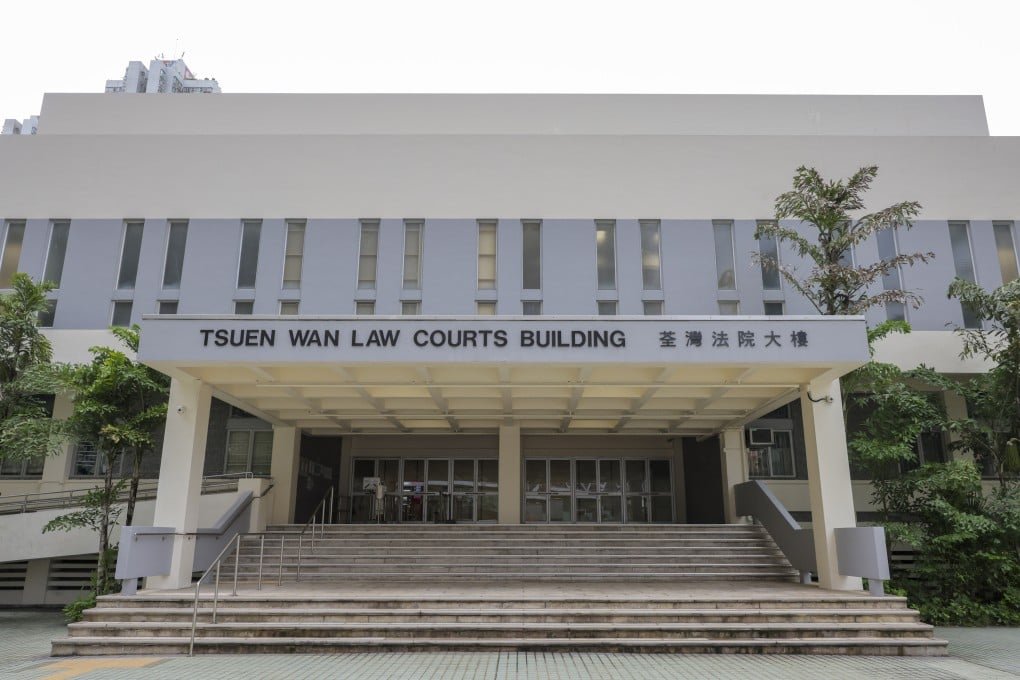
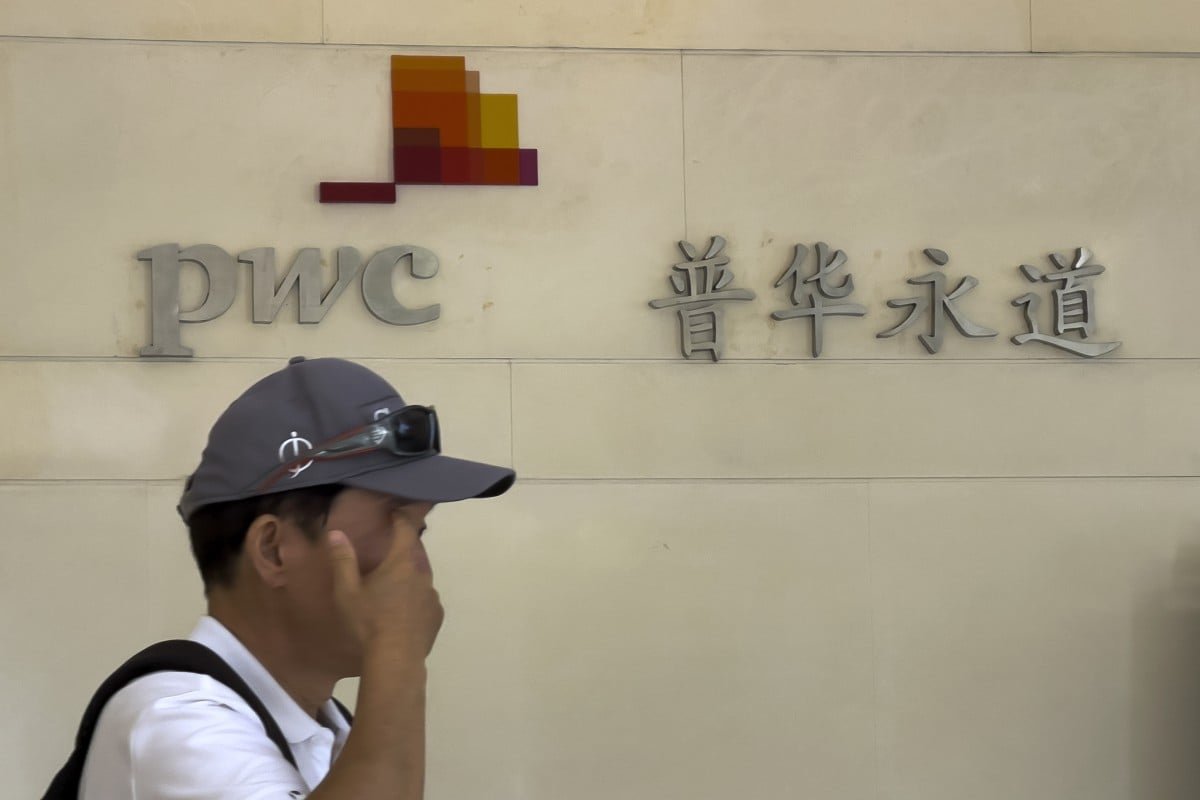
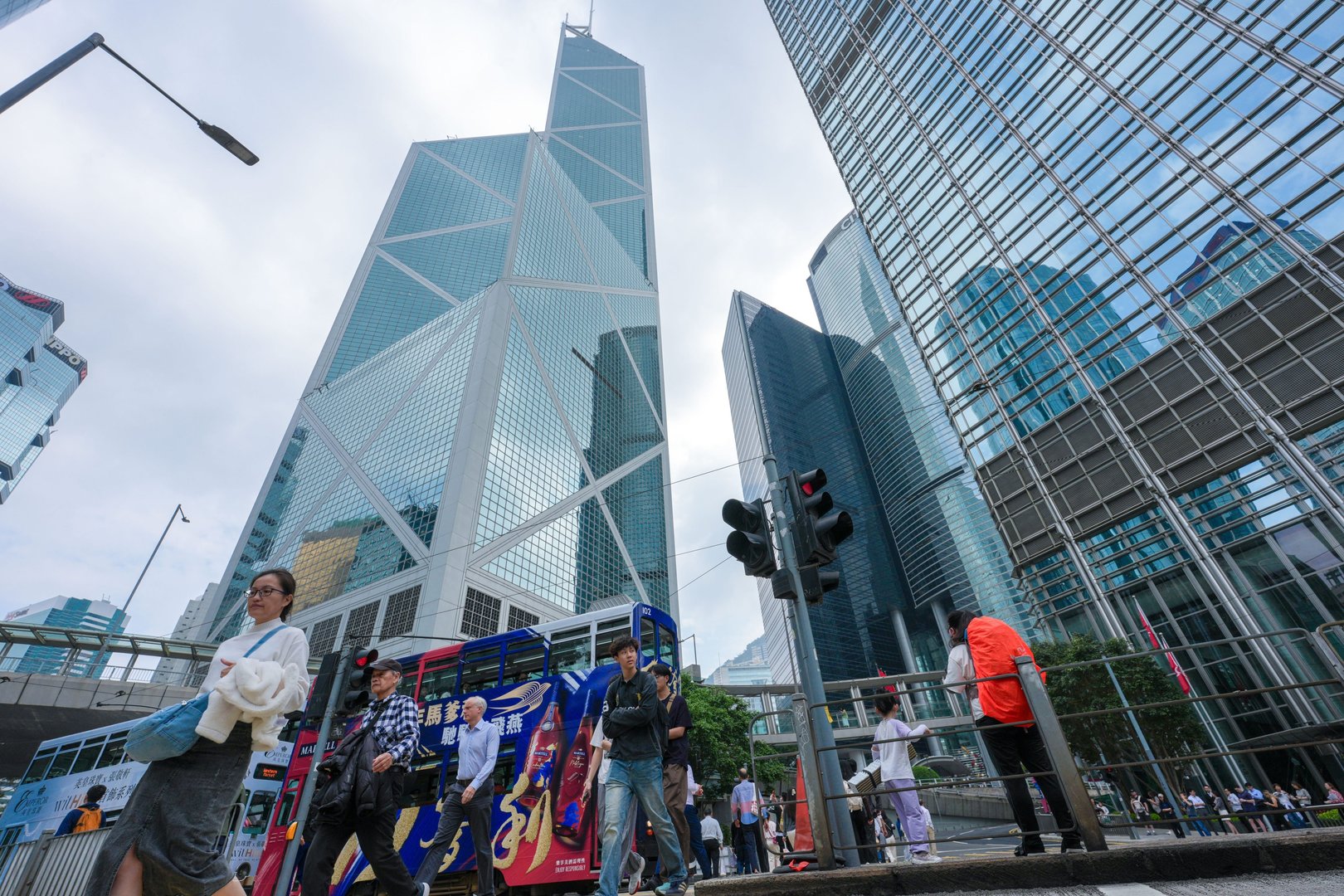
Liquidators of China Evergrande Group, once the country’s largest property developer, have launched a legal claim in Hong Kong seeking approximately $8.4 billion in damages from the Hong Kong arm of global accounting firm PwC, alleging audit-related failures linked to the company’s financial collapse.
What is confirmed is that Evergrande, burdened by more than $300 billion in total liabilities, entered liquidation after years of mounting debt, missed payments, and a broader real estate downturn in China.
The company’s collapse has become one of the largest corporate failures in modern financial history, with extensive implications for lenders, homebuyers, and global investors exposed to Chinese property markets.
The liquidators’ claim focuses on PwC’s role as auditor of Evergrande’s financial statements in the years leading up to its default.
Auditors are responsible for verifying whether financial accounts present a true and fair view of a company’s financial position, though they do not manage corporate operations or guarantee solvency.
The allegation is that PwC failed to properly identify or flag significant misstatements and financial irregularities in Evergrande’s accounts during the period in which the company continued to raise large volumes of debt.
The legal action seeks to establish whether audit oversight contributed to investor losses by enabling continued market confidence in the firm’s financial reporting.
PwC has not been found liable at this stage, and the claims remain subject to judicial review in Hong Kong’s legal system.
In similar cases globally, audit liability disputes often hinge on whether auditors met professional standards of diligence and whether any failures directly contributed to investor harm.
The case is part of a wider wave of litigation following Evergrande’s collapse, including creditor claims, asset recovery actions, and disputes over offshore debt structures.
The liquidation process has revealed complex financial arrangements spanning mainland China and international bond markets, reflecting how deeply integrated the company was into global credit systems.
The broader significance of the case lies in its potential implications for the auditing industry.
If courts find substantial fault, it could increase legal exposure for major accounting firms operating in China and intensify scrutiny of audit standards for large, highly leveraged corporations in volatile sectors such as real estate.
China’s property sector downturn has already triggered widespread restructuring across multiple developers, as tighter financing rules and falling sales exposed high debt levels accumulated during years of rapid expansion.
Evergrande became the most prominent example of that unwind, but not the only one.
The legal proceedings in Hong Kong now place a major international professional services firm at the center of one of the largest corporate collapses in decades, turning audit practices into a focal point for accountability in a systemic financial failure.
Liquidators of China Evergrande Group, once the country’s largest property developer, have launched a legal claim in Hong Kong seeking approximately $8.4 billion in damages from the Hong Kong arm of global accounting firm PwC, alleging audit-related failures linked to the company’s financial collapse.
What is confirmed is that Evergrande, burdened by more than $300 billion in total liabilities, entered liquidation after years of mounting debt, missed payments, and a broader real estate downturn in China.
The company’s collapse has become one of the largest corporate failures in modern financial history, with extensive implications for lenders, homebuyers, and global investors exposed to Chinese property markets.
The liquidators’ claim focuses on PwC’s role as auditor of Evergrande’s financial statements in the years leading up to its default.
Auditors are responsible for verifying whether financial accounts present a true and fair view of a company’s financial position, though they do not manage corporate operations or guarantee solvency.
The allegation is that PwC failed to properly identify or flag significant misstatements and financial irregularities in Evergrande’s accounts during the period in which the company continued to raise large volumes of debt.
The legal action seeks to establish whether audit oversight contributed to investor losses by enabling continued market confidence in the firm’s financial reporting.
PwC has not been found liable at this stage, and the claims remain subject to judicial review in Hong Kong’s legal system.
In similar cases globally, audit liability disputes often hinge on whether auditors met professional standards of diligence and whether any failures directly contributed to investor harm.
The case is part of a wider wave of litigation following Evergrande’s collapse, including creditor claims, asset recovery actions, and disputes over offshore debt structures.
The liquidation process has revealed complex financial arrangements spanning mainland China and international bond markets, reflecting how deeply integrated the company was into global credit systems.
The broader significance of the case lies in its potential implications for the auditing industry.
If courts find substantial fault, it could increase legal exposure for major accounting firms operating in China and intensify scrutiny of audit standards for large, highly leveraged corporations in volatile sectors such as real estate.
China’s property sector downturn has already triggered widespread restructuring across multiple developers, as tighter financing rules and falling sales exposed high debt levels accumulated during years of rapid expansion.
Evergrande became the most prominent example of that unwind, but not the only one.
The legal proceedings in Hong Kong now place a major international professional services firm at the center of one of the largest corporate collapses in decades, turning audit practices into a focal point for accountability in a systemic financial failure.