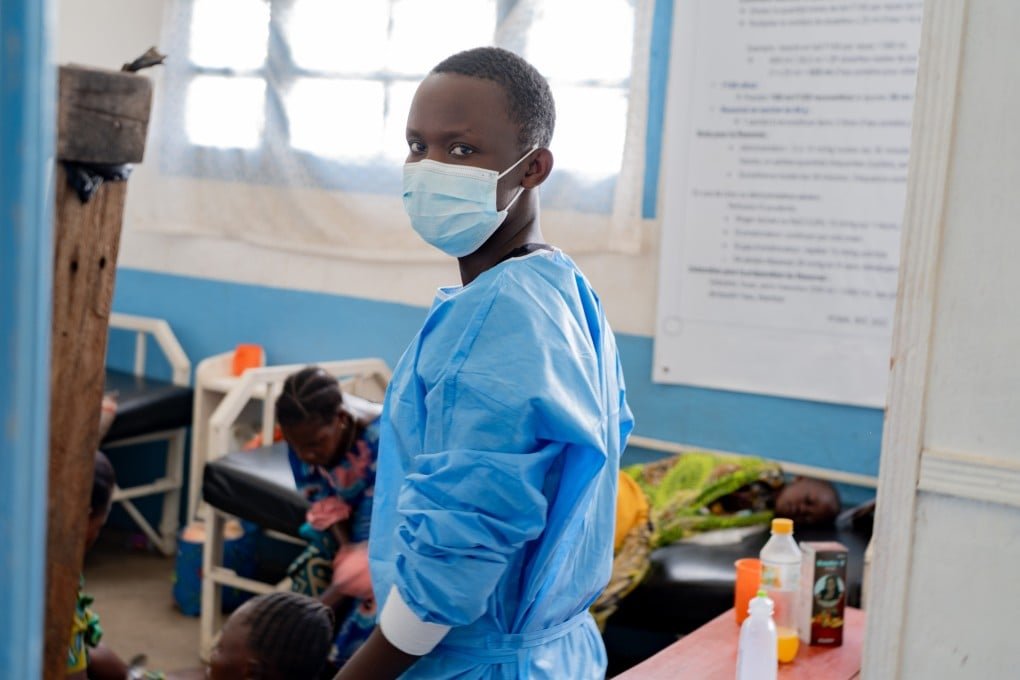
Health authorities have expanded passenger checks from African flights as the Democratic Republic of Congo and Uganda face new Ebola outbreaks, triggering precautionary measures in a major international travel hub.
EVENT-DRIVEN public health risk management is driving Hong Kong’s decision to intensify airport screening for passengers arriving from Africa after the World Health Organization declared a renewed Ebola outbreak on the continent a public health emergency of international concern.
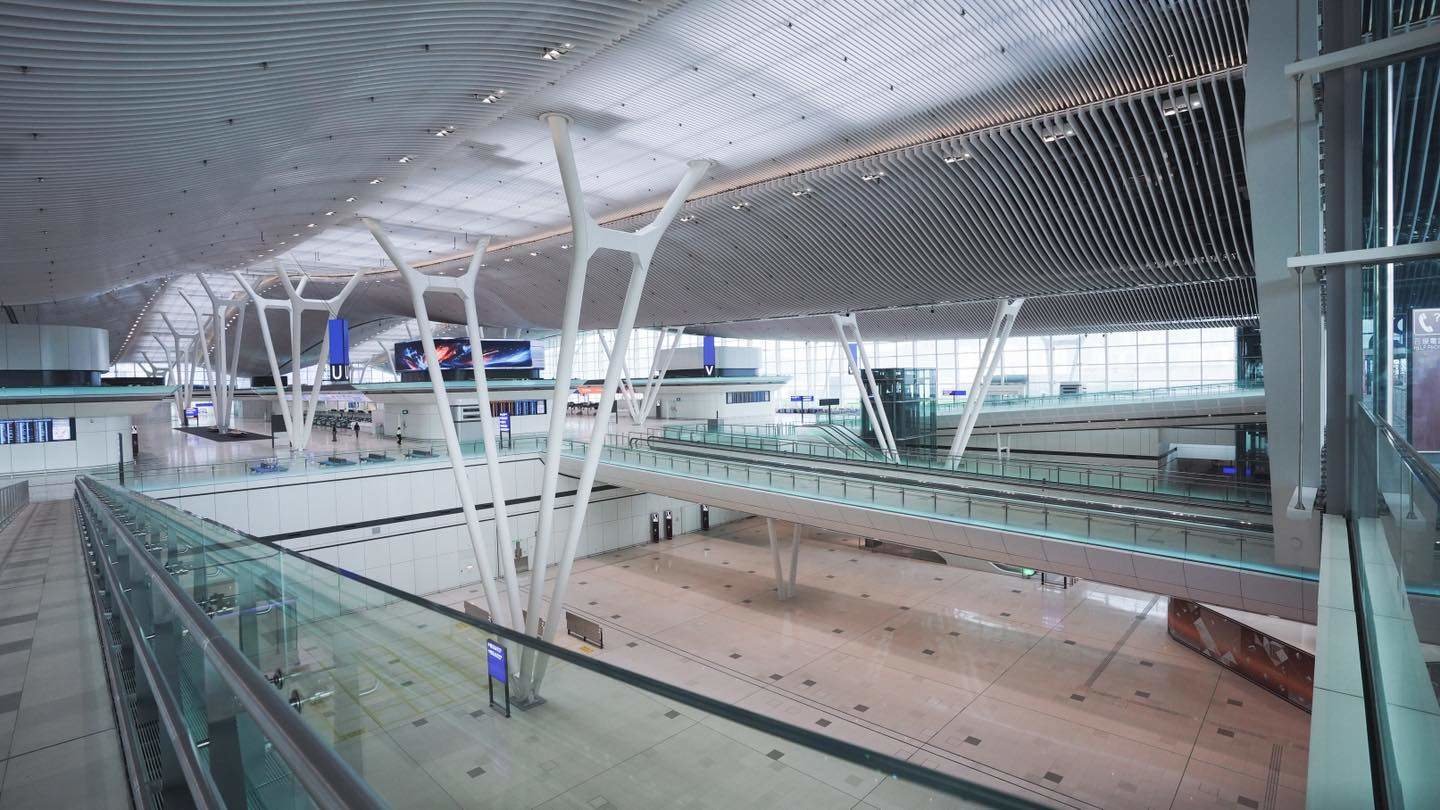
The Hong Kong government confirmed that it has activated contingency measures aimed at preventing the introduction of Ebola virus disease into the territory, focusing primarily on enhanced health screening procedures at its international airport.
The measures target incoming flights from African regions affected by outbreaks, particularly the Democratic Republic of Congo and neighbouring Uganda.
Health authorities said the immediate risk to the local population remains low, emphasizing that no confirmed cases of Ebola have ever been recorded in Hong Kong.
Despite this, officials framed the response as part of a broader preparedness strategy for a globalised city with high volumes of international travel, where infectious diseases can be rapidly imported through air traffic.
The screening measures include strengthened monitoring of arriving passengers, expanded public health messaging, and reinforced airport protocols designed to identify symptomatic travellers or individuals with potential exposure histories.
These steps reflect standard containment practices used internationally when Ebola flare-ups occur, particularly in regions with frequent cross-border movement.
Ebola virus disease is a severe and often fatal illness transmitted through direct contact with infected bodily fluids.
Outbreaks typically originate in Central or West Africa and are periodically declared emergencies when transmission expands beyond isolated clusters.
The World Health Organization’s classification as a global public health emergency signals heightened international coordination and resource mobilisation to contain spread.
Hong Kong’s response is also shaped by its status as a dense international transit hub, where health authorities must balance openness to global travel with rapid containment capacity for high-consequence infectious diseases.
Past global outbreaks, including SARS and COVID-19, have reinforced the city’s reliance on early border-level detection systems as a first line of defense.
Officials stressed that the current measures are precautionary rather than reactive to any detected case.
The emphasis is on early identification and containment at entry points rather than domestic intervention, reflecting the absence of local transmission risk.
At the same time, public health agencies have expanded education campaigns aimed at increasing awareness of Ebola symptoms and transmission pathways, particularly among airport personnel and frontline health workers who are more likely to encounter initial cases if imported.
The policy shift underscores a broader pattern in global health governance, where outbreaks in one region trigger immediate precautionary responses in distant but globally connected cities.
For Hong Kong, the current strategy reinforces its long-standing approach of maintaining continuous epidemic readiness, even in the absence of domestic cases, as international disease dynamics remain unpredictable.
The strengthened screening regime at the airport now forms the operational frontline of that strategy, designed to detect potential threats early and prevent any escalation into local transmission within one of the world’s busiest air travel hubs.
The Hong Kong government confirmed that it has activated contingency measures aimed at preventing the introduction of Ebola virus disease into the territory, focusing primarily on enhanced health screening procedures at its international airport.
The measures target incoming flights from African regions affected by outbreaks, particularly the Democratic Republic of Congo and neighbouring Uganda.
Health authorities said the immediate risk to the local population remains low, emphasizing that no confirmed cases of Ebola have ever been recorded in Hong Kong.
Despite this, officials framed the response as part of a broader preparedness strategy for a globalised city with high volumes of international travel, where infectious diseases can be rapidly imported through air traffic.
The screening measures include strengthened monitoring of arriving passengers, expanded public health messaging, and reinforced airport protocols designed to identify symptomatic travellers or individuals with potential exposure histories.
These steps reflect standard containment practices used internationally when Ebola flare-ups occur, particularly in regions with frequent cross-border movement.
Ebola virus disease is a severe and often fatal illness transmitted through direct contact with infected bodily fluids.
Outbreaks typically originate in Central or West Africa and are periodically declared emergencies when transmission expands beyond isolated clusters.
The World Health Organization’s classification as a global public health emergency signals heightened international coordination and resource mobilisation to contain spread.
Hong Kong’s response is also shaped by its status as a dense international transit hub, where health authorities must balance openness to global travel with rapid containment capacity for high-consequence infectious diseases.
Past global outbreaks, including SARS and COVID-19, have reinforced the city’s reliance on early border-level detection systems as a first line of defense.
Officials stressed that the current measures are precautionary rather than reactive to any detected case.
The emphasis is on early identification and containment at entry points rather than domestic intervention, reflecting the absence of local transmission risk.
At the same time, public health agencies have expanded education campaigns aimed at increasing awareness of Ebola symptoms and transmission pathways, particularly among airport personnel and frontline health workers who are more likely to encounter initial cases if imported.
The policy shift underscores a broader pattern in global health governance, where outbreaks in one region trigger immediate precautionary responses in distant but globally connected cities.
For Hong Kong, the current strategy reinforces its long-standing approach of maintaining continuous epidemic readiness, even in the absence of domestic cases, as international disease dynamics remain unpredictable.
The strengthened screening regime at the airport now forms the operational frontline of that strategy, designed to detect potential threats early and prevent any escalation into local transmission within one of the world’s busiest air travel hubs.