New approach aims to streamline support but raises questions over transparency and potential misuse
Hong Kong authorities are set to distribute diesel subsidies directly to oil companies under a revised support mechanism, a move intended to streamline the process but one that has prompted scrutiny over accountability and potential abuse.
The policy adjustment shifts the point of subsidy delivery from end users to suppliers, with the aim of simplifying administration and ensuring that assistance reaches the fuel market more efficiently.
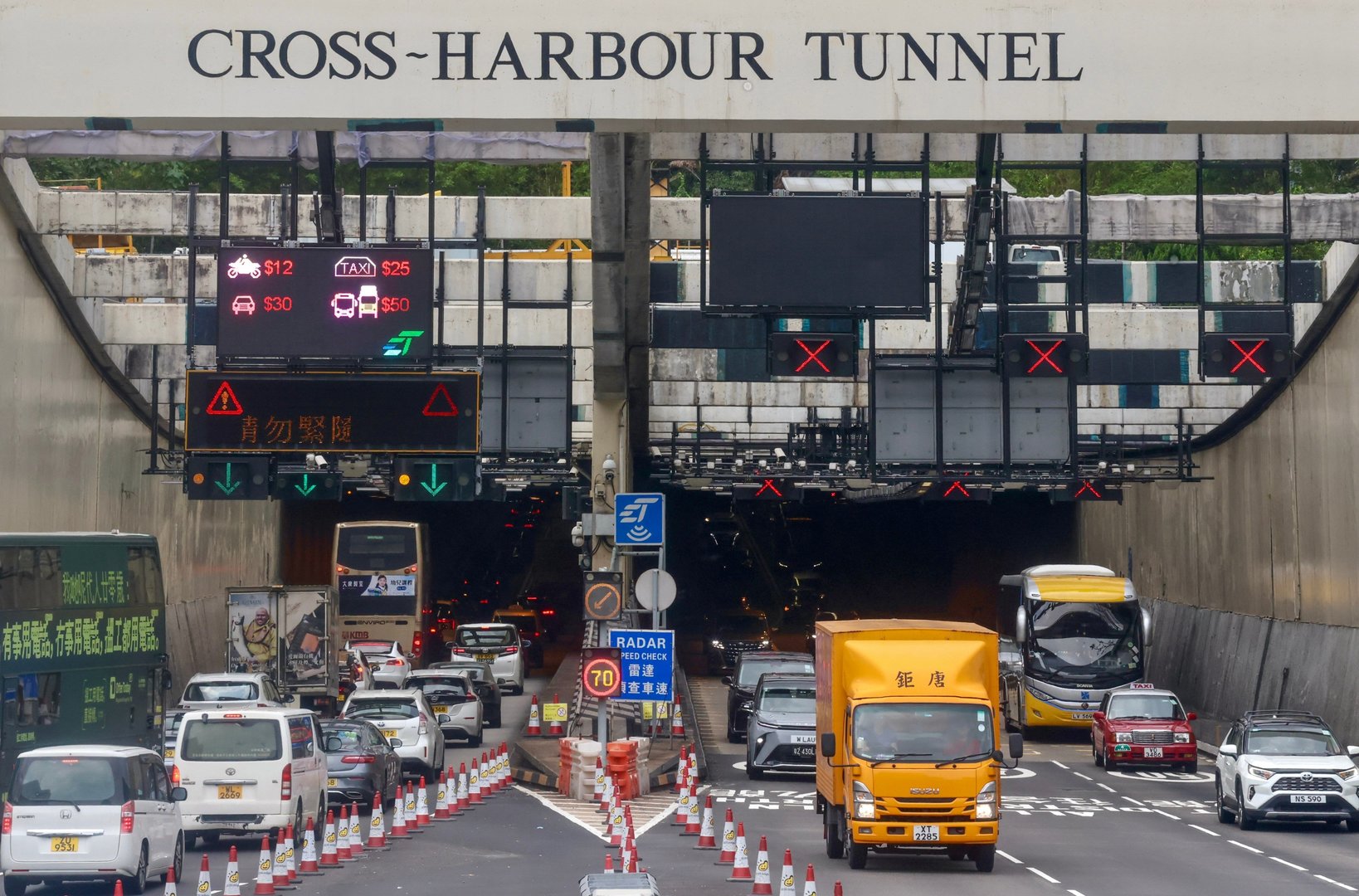
Officials have indicated that the approach is designed to stabilize costs for sectors reliant on diesel, including transport and logistics.
However, the decision has raised concerns about how effectively the subsidies will be passed on to consumers and whether sufficient safeguards are in place to prevent misuse.
Observers note that directing funds to oil firms introduces a need for robust monitoring to ensure that benefits are reflected in pricing and not absorbed within company margins.
Authorities are expected to implement oversight mechanisms to track the distribution and impact of the subsidies, though details of enforcement and compliance measures remain under discussion.
Ensuring transparency will be critical in maintaining public confidence in the scheme.
The move comes as part of broader efforts to manage energy costs and support economic activity, particularly in sectors sensitive to fuel price fluctuations.
Diesel prices have been influenced by global market dynamics, placing pressure on businesses and consumers.
Industry participants have highlighted the importance of clear guidelines and accountability frameworks, emphasizing that effective implementation will determine whether the policy achieves its intended outcomes.
As the program is rolled out, attention will focus on how the subsidy system operates in practice and whether additional adjustments are needed to balance efficiency with oversight in the management of public funds.
The policy adjustment shifts the point of subsidy delivery from end users to suppliers, with the aim of simplifying administration and ensuring that assistance reaches the fuel market more efficiently.
Officials have indicated that the approach is designed to stabilize costs for sectors reliant on diesel, including transport and logistics.
However, the decision has raised concerns about how effectively the subsidies will be passed on to consumers and whether sufficient safeguards are in place to prevent misuse.
Observers note that directing funds to oil firms introduces a need for robust monitoring to ensure that benefits are reflected in pricing and not absorbed within company margins.
Authorities are expected to implement oversight mechanisms to track the distribution and impact of the subsidies, though details of enforcement and compliance measures remain under discussion.
Ensuring transparency will be critical in maintaining public confidence in the scheme.
The move comes as part of broader efforts to manage energy costs and support economic activity, particularly in sectors sensitive to fuel price fluctuations.
Diesel prices have been influenced by global market dynamics, placing pressure on businesses and consumers.
Industry participants have highlighted the importance of clear guidelines and accountability frameworks, emphasizing that effective implementation will determine whether the policy achieves its intended outcomes.
As the program is rolled out, attention will focus on how the subsidy system operates in practice and whether additional adjustments are needed to balance efficiency with oversight in the management of public funds.