Despite 50 percent reduction in charges, riders unlikely to see lower costs as fare structure remains unchanged
Taxi passengers in Hong Kong are unlikely to benefit from a planned 50 percent reduction in tunnel tolls, as the existing fare system does not automatically pass savings on to riders.
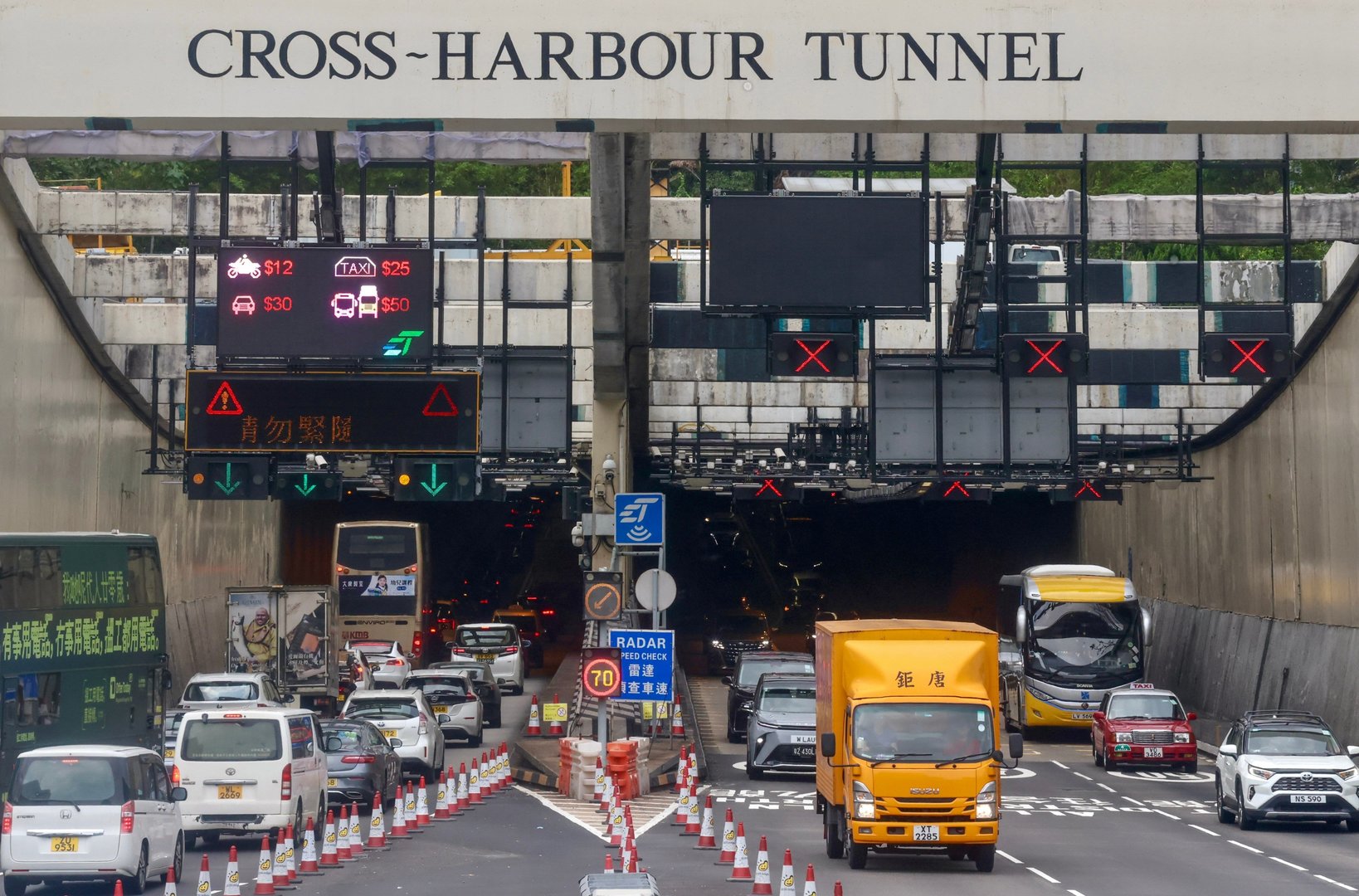
The government’s decision to lower tunnel charges is intended to ease congestion and improve traffic flow by encouraging more balanced use of major cross-harbour routes.
However, under current regulations, taxi drivers typically charge passengers based on standard fares that include fixed surcharges for tunnel crossings, rather than adjusting prices dynamically in line with toll changes.
As a result, while drivers may experience reduced operating costs when using certain tunnels, passengers are not expected to see immediate or direct reductions in what they pay for journeys.
The structure of taxi pricing means that any financial benefit from lower tolls is unlikely to be reflected in fares unless formal adjustments are introduced.
The policy shift has nonetheless been welcomed as a broader transport measure aimed at improving efficiency across the city’s road network.
Authorities have emphasized that the primary goal is to redistribute traffic and reduce bottlenecks, particularly during peak travel periods.
Industry observers note that changes to fare structures would require separate regulatory action, which has not been announced alongside the toll reduction.
Without such reforms, the financial impact on passengers remains limited.
The development highlights the complexity of aligning infrastructure policy with consumer outcomes, particularly in sectors where pricing mechanisms are tightly regulated.
While the toll cuts may deliver system-wide benefits, their direct effect on individual commuters, including taxi users, is expected to be minimal under current arrangements.
As the changes take effect, attention will focus on whether further adjustments are considered to ensure that savings are more broadly shared among road users.
The government’s decision to lower tunnel charges is intended to ease congestion and improve traffic flow by encouraging more balanced use of major cross-harbour routes.
However, under current regulations, taxi drivers typically charge passengers based on standard fares that include fixed surcharges for tunnel crossings, rather than adjusting prices dynamically in line with toll changes.
As a result, while drivers may experience reduced operating costs when using certain tunnels, passengers are not expected to see immediate or direct reductions in what they pay for journeys.
The structure of taxi pricing means that any financial benefit from lower tolls is unlikely to be reflected in fares unless formal adjustments are introduced.
The policy shift has nonetheless been welcomed as a broader transport measure aimed at improving efficiency across the city’s road network.
Authorities have emphasized that the primary goal is to redistribute traffic and reduce bottlenecks, particularly during peak travel periods.
Industry observers note that changes to fare structures would require separate regulatory action, which has not been announced alongside the toll reduction.
Without such reforms, the financial impact on passengers remains limited.
The development highlights the complexity of aligning infrastructure policy with consumer outcomes, particularly in sectors where pricing mechanisms are tightly regulated.
While the toll cuts may deliver system-wide benefits, their direct effect on individual commuters, including taxi users, is expected to be minimal under current arrangements.
As the changes take effect, attention will focus on whether further adjustments are considered to ensure that savings are more broadly shared among road users.