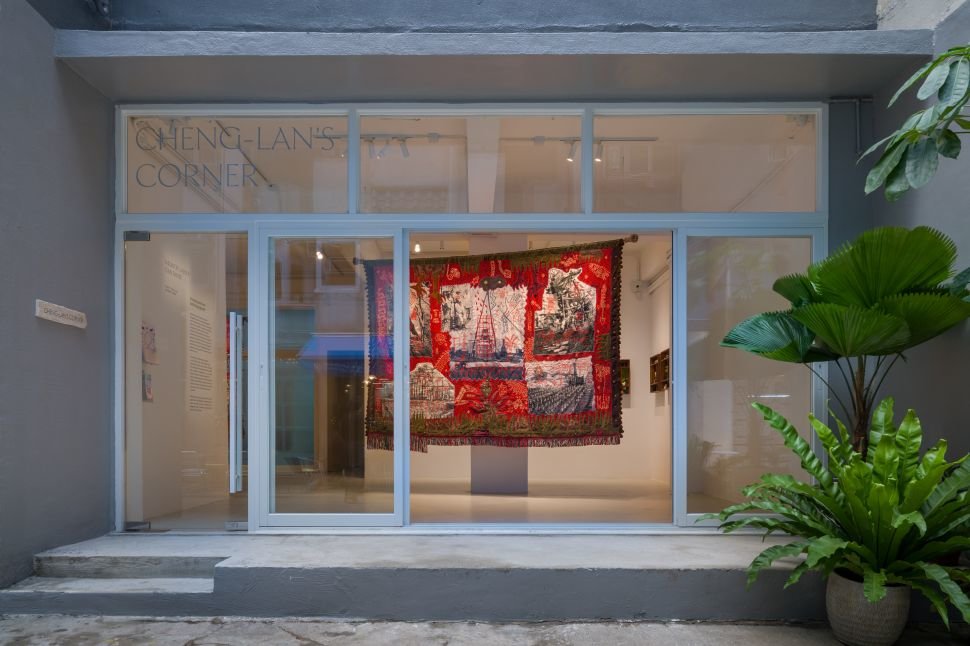
Private art patrons embrace accessibility, opening collections to wider audiences through exhibitions and partnerships
Two prominent Hong Kong collectors are redefining the role of private art ownership by prioritizing public engagement over exclusivity, reflecting a broader shift in how cultural assets are shared and experienced.
Rather than keeping their collections confined to private spaces, the collectors have increasingly chosen to collaborate with museums, institutions, and public platforms, allowing wider audiences to access works that might otherwise remain unseen.
Their approach emphasizes the social and educational value of art, positioning collections as resources for cultural dialogue rather than personal prestige.
This evolving model aligns with a growing trend among global collectors who seek to contribute to public life by making art more accessible.
By supporting exhibitions, lending works, and engaging in partnerships, they are helping to expand the reach of artistic expression beyond traditional boundaries.
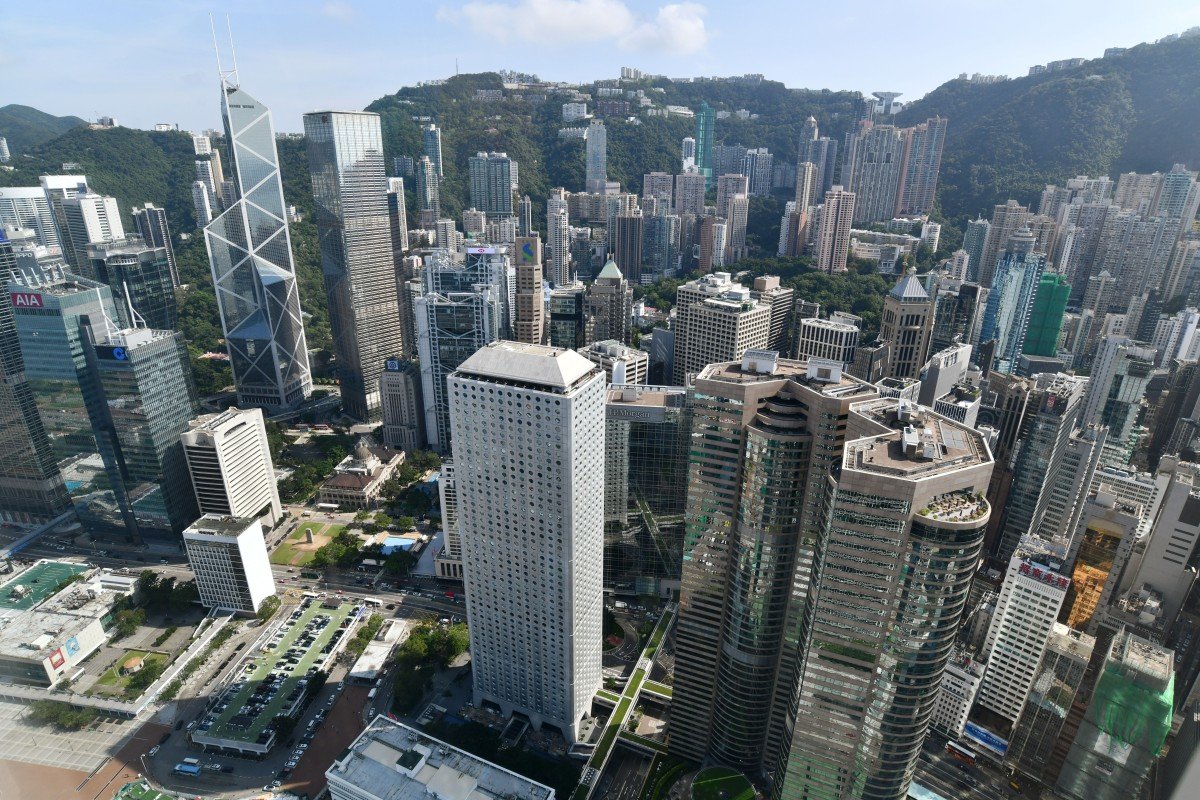
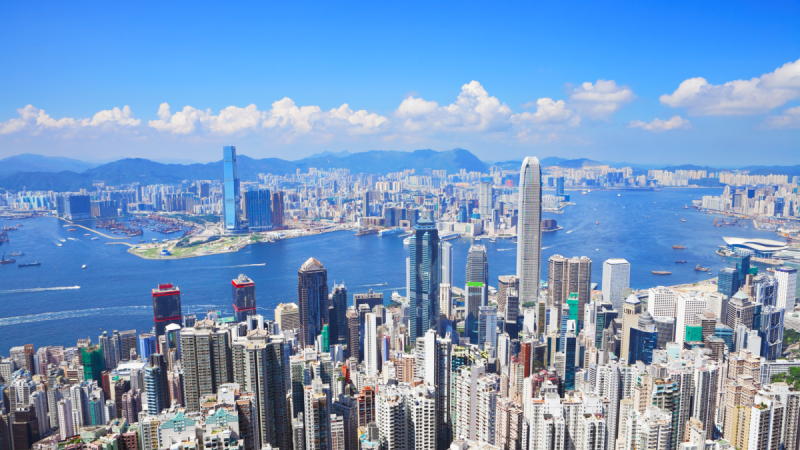
In Hong Kong, a city with a vibrant and rapidly developing cultural landscape, such initiatives are playing an important role in strengthening the arts ecosystem.
Increased public access to significant collections enhances opportunities for education, research, and creative exchange.
The collectors’ decisions also reflect a broader rethinking of legacy, where influence is measured not only by acquisition but by the ability to foster meaningful public interaction.
Their efforts underscore a commitment to cultural stewardship and a recognition of art’s capacity to connect communities.
As this approach gains momentum, it signals a transformation in the relationship between private collectors and the public, with accessibility and engagement becoming central to the future of art patronage.
Rather than keeping their collections confined to private spaces, the collectors have increasingly chosen to collaborate with museums, institutions, and public platforms, allowing wider audiences to access works that might otherwise remain unseen.
Their approach emphasizes the social and educational value of art, positioning collections as resources for cultural dialogue rather than personal prestige.
This evolving model aligns with a growing trend among global collectors who seek to contribute to public life by making art more accessible.
By supporting exhibitions, lending works, and engaging in partnerships, they are helping to expand the reach of artistic expression beyond traditional boundaries.
In Hong Kong, a city with a vibrant and rapidly developing cultural landscape, such initiatives are playing an important role in strengthening the arts ecosystem.
Increased public access to significant collections enhances opportunities for education, research, and creative exchange.
The collectors’ decisions also reflect a broader rethinking of legacy, where influence is measured not only by acquisition but by the ability to foster meaningful public interaction.
Their efforts underscore a commitment to cultural stewardship and a recognition of art’s capacity to connect communities.
As this approach gains momentum, it signals a transformation in the relationship between private collectors and the public, with accessibility and engagement becoming central to the future of art patronage.