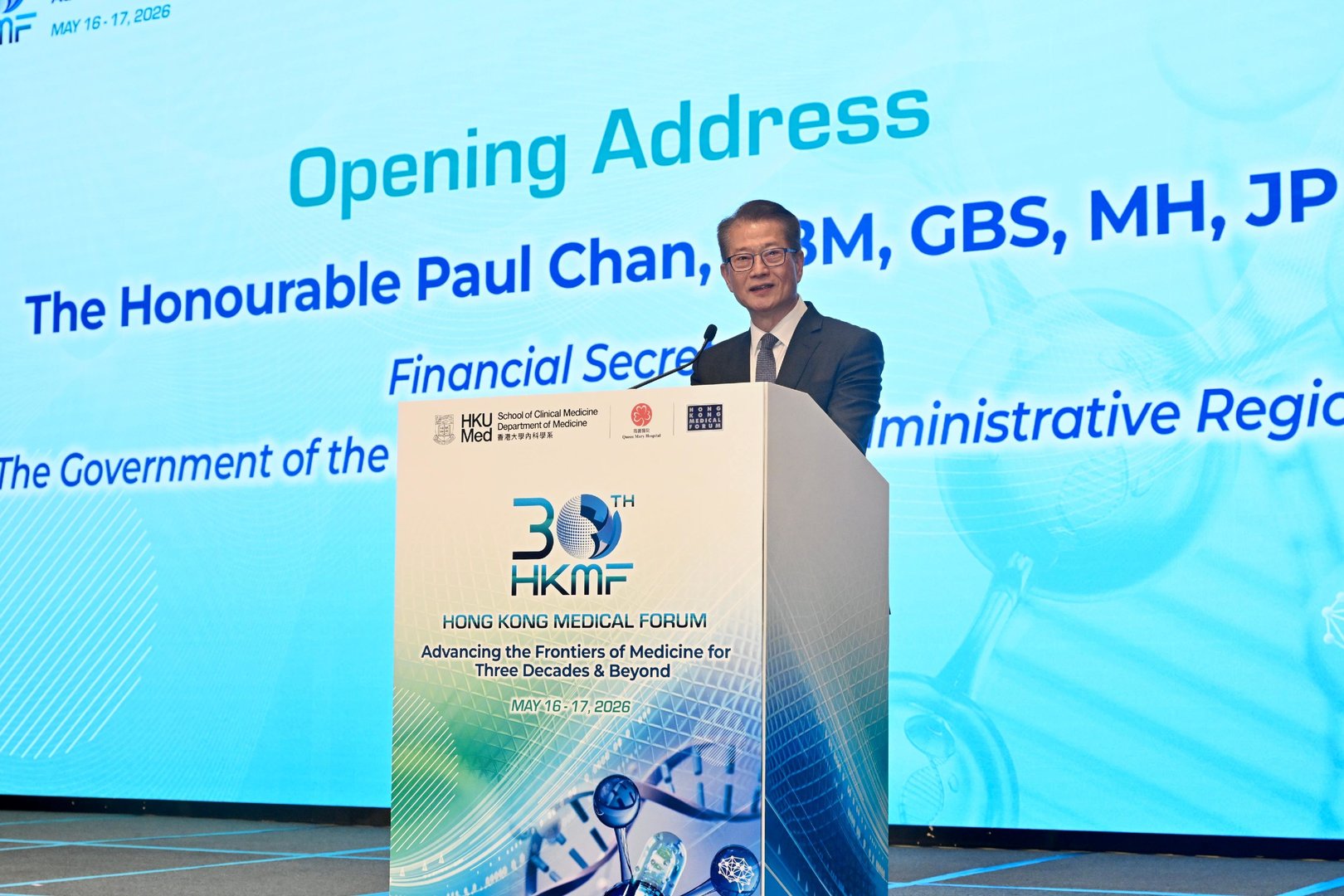
Authorities are positioning the city as a biomedical and health-tech center, leveraging regulation, funding, and cross-border research links to compete with established global life sciences hubs.
SYSTEM-DRIVEN policy reform is reshaping Hong Kong’s ambition to become a global hub for medical innovation, as authorities accelerate efforts to integrate biotechnology research, clinical trials, and health technology commercialization into a unified ecosystem.

The strategy reflects a broader shift in how the city is attempting to reposition itself economically, moving away from reliance on finance and real estate toward high-value scientific and technological industries.

What is confirmed is that Hong Kong has expanded policy support for life sciences, including funding programs for biotechnology startups, incentives for clinical research, and efforts to streamline regulatory approval pathways for new medical products.

These measures are designed to shorten the time between laboratory discovery and commercial application, a bottleneck that has historically slowed the region’s biomedical sector compared with leading global centers.

A central pillar of the strategy is the development of integrated research and innovation infrastructure.

This includes expanding laboratory capacity, strengthening partnerships between universities and hospitals, and improving access to patient data for research under regulated frameworks.

The goal is to create a system where academic research institutions, clinical environments, and private-sector biotech firms operate in closer coordination than before.

Another key mechanism is cross-border integration with mainland China’s biomedical ecosystem, particularly the Greater Bay Area, which includes major science and technology hubs.

Hong Kong is positioning itself as a regulatory and clinical gateway, offering internationally aligned standards that can facilitate global drug approval and commercialization.

This role depends on maintaining regulatory credibility while also enabling faster pathways for innovation.

The stakes are significant because global competition in medical innovation is intensifying.

Established centers in the United States, Europe, and parts of East Asia already dominate drug development, clinical trials, and biotech investment.

Hong Kong’s challenge is not only technological but structural: it must attract talent, venture capital, and pharmaceutical partnerships in an environment where scale advantages already favor incumbents.

Policy efforts also aim to address long-standing constraints, including limited domestic market size and relatively high operational costs.

To counter these disadvantages, Hong Kong is emphasizing its legal framework, intellectual property protections, and proximity to manufacturing and research capacity in mainland China.

These factors are being presented as comparative advantages in attracting international firms seeking access to Asian markets.

The implications extend beyond economics into healthcare delivery and scientific capacity.

If successful, the initiative could expand access to advanced therapies, accelerate clinical trials for regional populations, and strengthen Hong Kong’s role in global biomedical research networks.

It would also deepen integration between public health systems and private innovation pipelines, a model increasingly used in advanced healthcare economies.

However, the transformation depends on sustained investment, regulatory stability, and the ability to retain and attract specialized scientific talent.

Without these conditions, the ecosystem risks remaining fragmented, with isolated research projects rather than a fully integrated innovation hub.

The current trajectory suggests a deliberate long-term state-led effort to reposition Hong Kong as a competitive node in global medical technology development, with early-stage infrastructure and policy alignment already in motion.
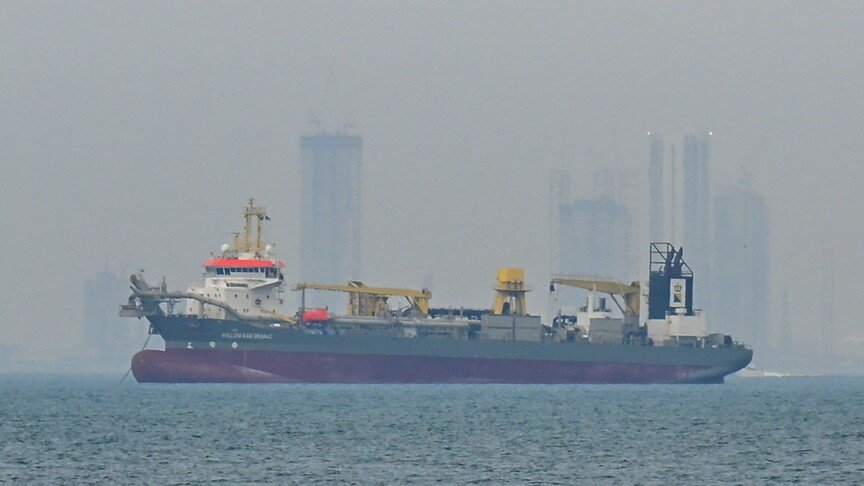
Bangkok escalates diplomatic efforts as renewed disruptions in the vital shipping chokepoint leave Thai vessels trapped amid ongoing regional instability
SYSTEM-DRIVEN dynamics in the Strait of Hormuz crisis are now directly shaping Thailand’s maritime and energy security, as Bangkok formally urges Iran to allow safe passage for eight Thai-flagged vessels stranded in or near the strategic waterway.

The request reflects a broader breakdown in predictable shipping access through one of the world’s most important oil transit routes, where security conditions have fluctuated sharply since the escalation of regional conflict earlier this year.

What is confirmed is that Thailand’s foreign minister raised the issue directly with Iran’s foreign minister during a diplomatic meeting on the sidelines of a multilateral gathering in New Delhi.

The Thai side emphasized the urgency of restoring safe navigation for commercial shipping, citing the presence of multiple Thai-linked vessels unable to proceed through the strait due to ongoing security restrictions and ad hoc controls over maritime traffic.

The Strait of Hormuz, a narrow maritime passage between Iran and Oman, is a critical global chokepoint through which a significant share of seaborne oil and liquefied natural gas flows to Asia.

Since the outbreak of regional hostilities involving Iran and other state actors earlier in the year, shipping through the area has become inconsistent, with periods of partial closures, selective approvals, and heightened naval risk assessments affecting commercial operators.

Thailand’s concern is not isolated.

Earlier phases of the crisis already saw Thai-flagged vessels stranded in the Gulf, with some eventually cleared through coordinated diplomatic engagement involving Iran and Oman.

In those cases, individual ships were allowed to transit after bilateral coordination, but the process was slow and dependent on case-by-case approvals rather than standardized maritime clearance.

The current situation marks a shift in scale.

Instead of isolated incidents, Thailand is now dealing with multiple vessels simultaneously affected, suggesting either backlog accumulation or tightened operational control over maritime traffic in and out of the strait.

This has direct implications for Thailand’s energy imports, as several of the vessels involved are linked to crude oil and petrochemical supply chains.

Iran’s response, as conveyed in the diplomatic exchange, acknowledged Thailand’s concerns and indicated conditional openness to restoring transit flows once broader political and security conditions stabilize.

However, there is no confirmed timeline for normalization, and shipping access remains dependent on evolving security arrangements rather than formalized international guarantees.

The broader mechanism at work is the emergence of a de facto controlled transit regime in the Strait of Hormuz.

Rather than a fully closed or fully open waterway, passage has become selectively managed, with access influenced by diplomatic alignment, operational coordination, and the prevailing military environment.

This creates persistent uncertainty for shipping operators, insurers, and import-dependent economies across Asia.

For Thailand, the stakes are immediate and practical.

Any sustained disruption in Hormuz access directly affects energy security, industrial feedstock supply, and freight costs.

The government’s push for safe passage is therefore not only a diplomatic request but also a risk containment measure aimed at preventing further disruption to fuel supply chains and downstream manufacturing.

The next phase will depend on whether Iran agrees to a coordinated transit arrangement for the remaining stranded vessels or continues a case-by-case approval system.

Until then, Thai shipping operators remain exposed to delays, rerouting risks, and heightened insurance costs as the Strait of Hormuz continues to operate under unstable and selectively enforced access conditions.
A surge in interest for Sun Hung Kai Properties’ New Territories development reflects improving sentiment in Hong Kong’s housing market, driven by stabilising rates and policy expectations
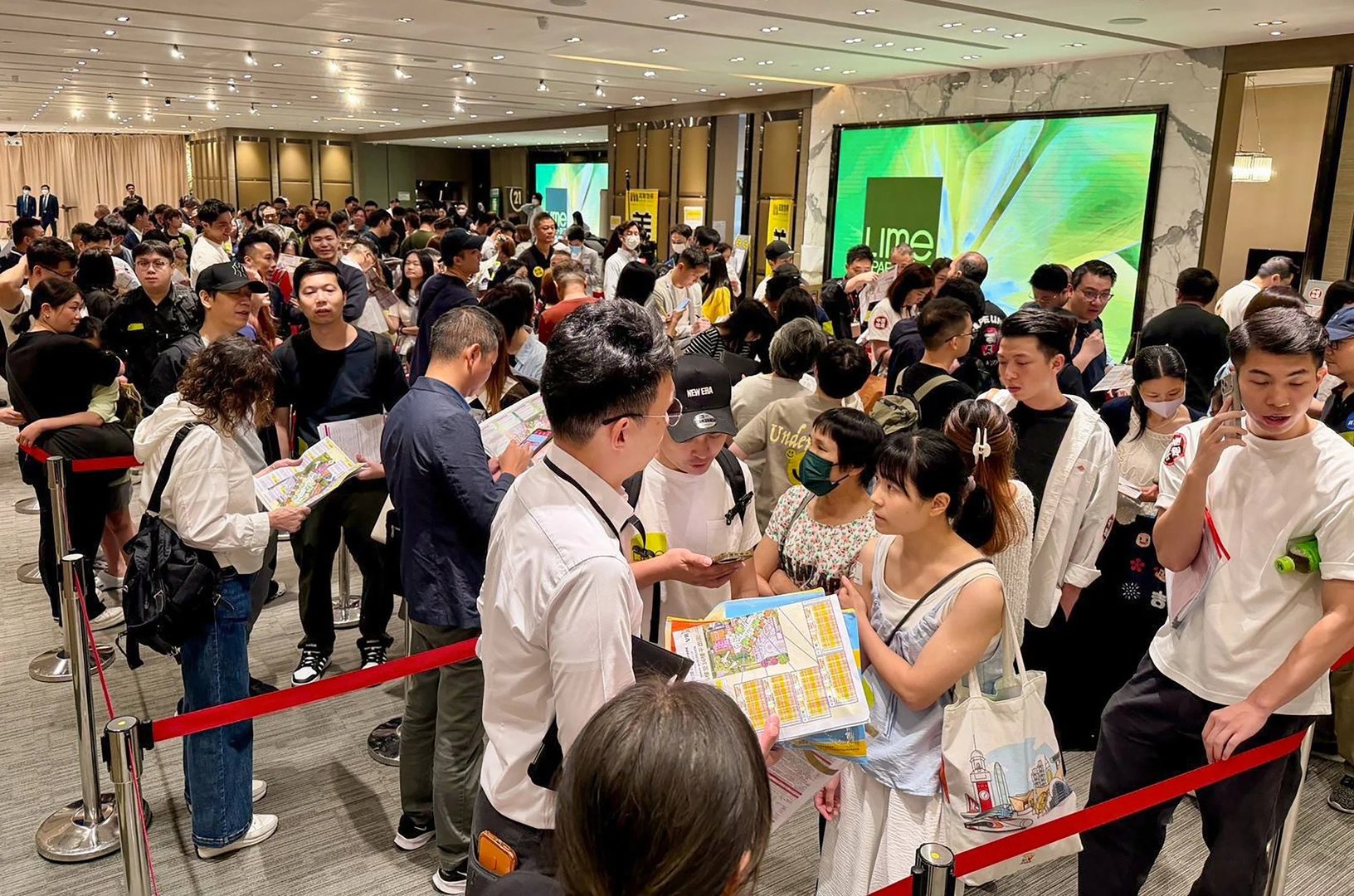
SYSTEM-DRIVEN housing market dynamics are reshaping demand patterns in Hong Kong’s property sector, as renewed buyer interest emerges in a New Territories residential project developed by Sun Hung Kai Properties.

The surge in activity reflects broader shifts in financing conditions, policy expectations, and perceived price stability after a prolonged period of adjustment in the city’s housing market.

What is confirmed is that buyer traffic and transaction interest have increased for the developer’s New Territories project, with market participants pointing to improving sentiment rather than a single catalytic event.

The New Territories, which include large-scale residential developments outside Hong Kong’s dense urban core, often serve as a barometer for mass-market demand due to their relatively lower entry prices compared with central districts.

The renewed momentum is being shaped by a combination of factors affecting Hong Kong’s property cycle.

Interest rates, which had risen sharply in previous tightening cycles, are now expected to stabilise or gradually ease, improving affordability for mortgage borrowers.

At the same time, expectations of government policy support for housing supply and demand management have contributed to a perception that price declines may be bottoming out.

Sun Hung Kai Properties, one of Hong Kong’s largest developers, typically operates across both luxury and mass-market segments, but its large-scale suburban projects are particularly sensitive to shifts in end-user demand.

Increased uptake in such developments is often interpreted as a sign that local families and first-time buyers are returning to the market after periods of caution driven by higher borrowing costs and economic uncertainty.

The mechanism behind the current rebound is primarily financial.

In Hong Kong’s linked currency system, mortgage pricing closely follows United States interest rate movements.

As global rate expectations shift toward stability, borrowing conditions in Hong Kong have become more predictable, reducing the psychological barrier for prospective buyers who had previously delayed purchases.

At the same time, pent-up demand plays a significant role.

Many households postponed home purchases during periods of price volatility, waiting for clearer signals of market direction.
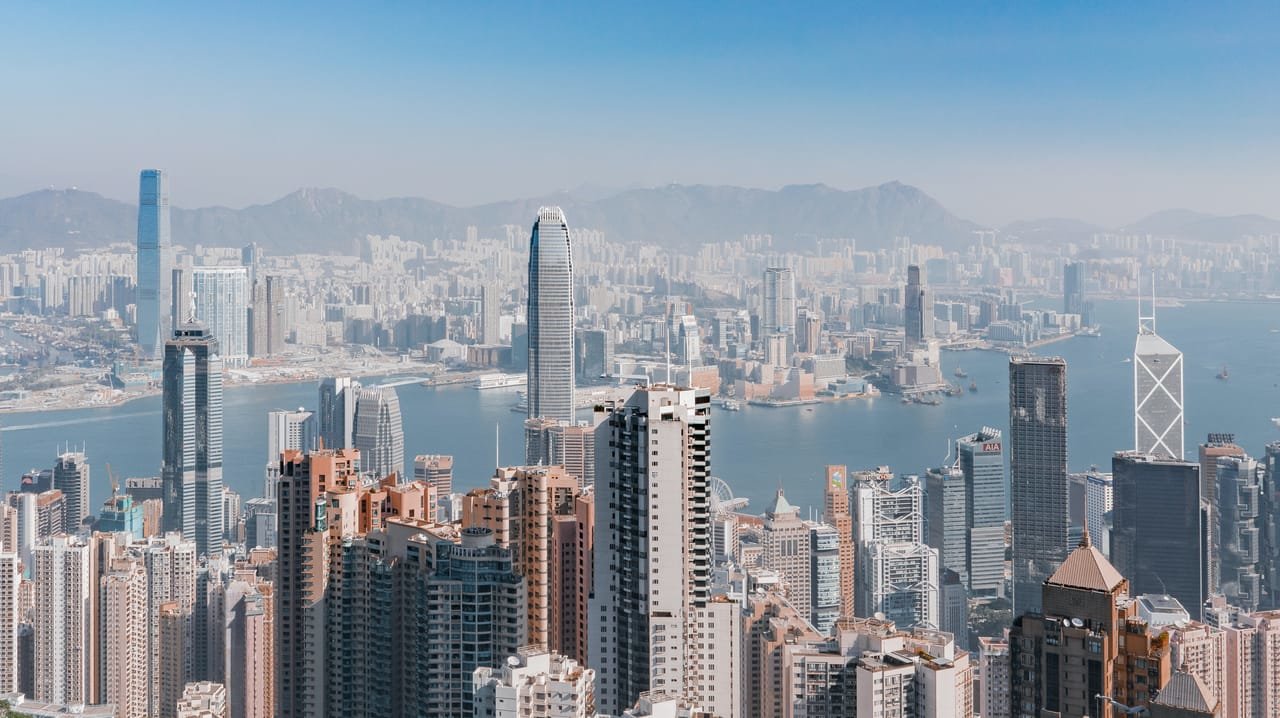
The recent uptick in enquiries suggests that some of this deferred demand is now re-entering the system, particularly in developments offering relative affordability compared with central urban districts.

The implications for the broader housing market are significant but not uniform.

A resurgence in New Territories sales does not automatically translate into a city-wide price recovery, as Hong Kong’s property market remains segmented by location, income level, and investor versus end-user demand.

Luxury segments may respond differently to macroeconomic conditions than mass-market housing.

For policymakers and developers, the key signal is not just transaction volume but the sustainability of demand recovery.

If buyer interest continues beyond isolated project launches, it could indicate a stabilising phase after years of correction.

If it fades quickly, it would reinforce the view that the market remains sensitive to external financial conditions and policy expectations.

The current wave of buying activity therefore represents a tentative re-entry of confidence rather than a full cyclical recovery, with the trajectory of interest rates and household affordability likely to determine whether momentum continues into the next development cycle.
The expanded Terminal 2 at Hong Kong International Airport is set to reshape passenger flow with new check-in systems, transport links, and a redesigned departure experience
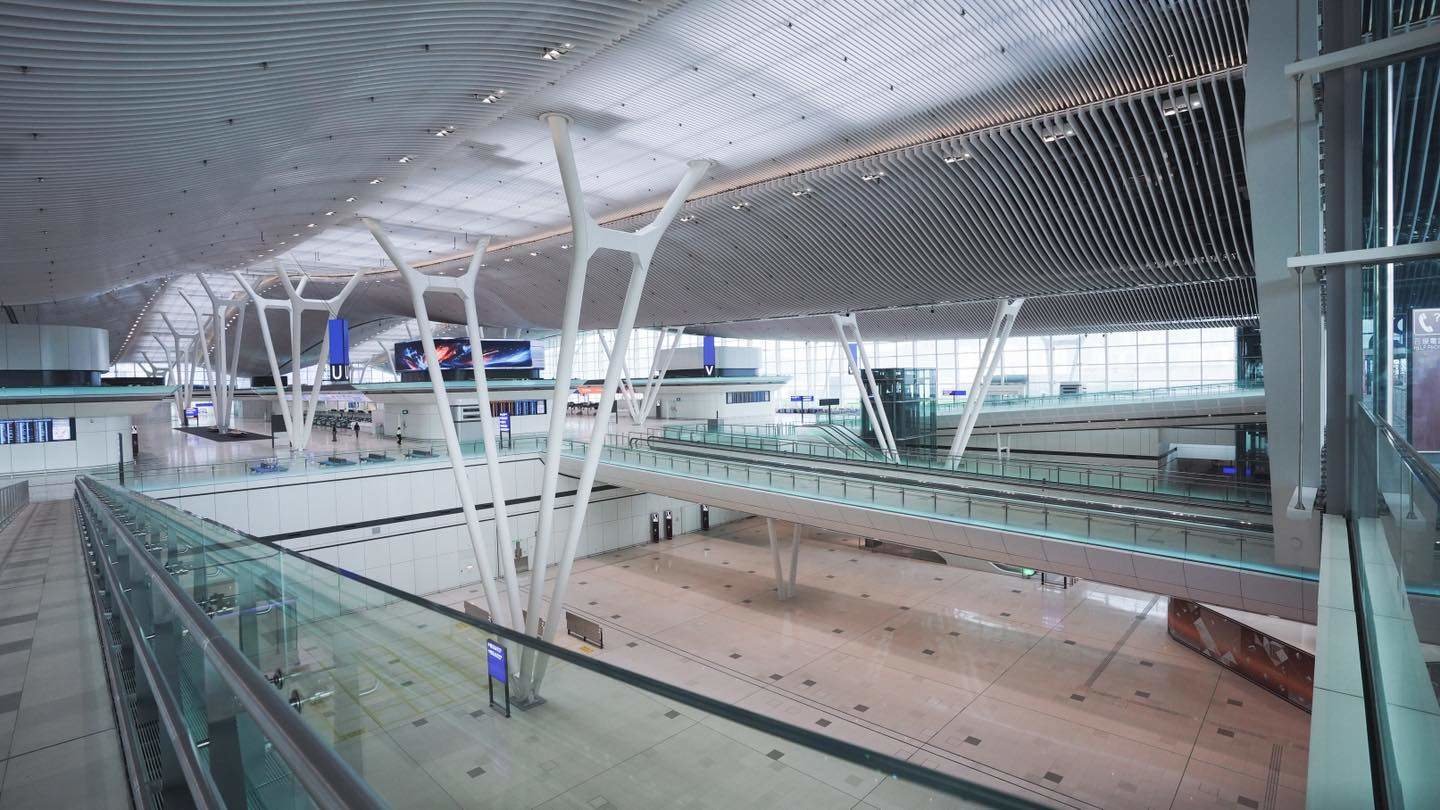
SYSTEM-DRIVEN infrastructure expansion is reshaping how passengers move through Hong Kong International Airport, as Terminal 2 is reopened in phases following a long redevelopment project aimed at increasing capacity and modernising operations.

The core change is not cosmetic.

It is a structural redesign of how travellers check in, transfer, and access transport within one of Asia’s busiest aviation hubs.

Terminal 2 has historically functioned as a support terminal, handling tour groups, some check-in services, and parts of the airport’s passenger distribution system.

Under the redevelopment plan, it has been rebuilt and expanded to integrate more deeply into the airport’s core departure and arrival processes.

The goal is to redistribute passenger traffic away from congestion points in Terminal 1 and create a more automated, high-throughput flow system.

For travellers, the most immediate implication is that airport routines will no longer be uniform across airlines and journeys.

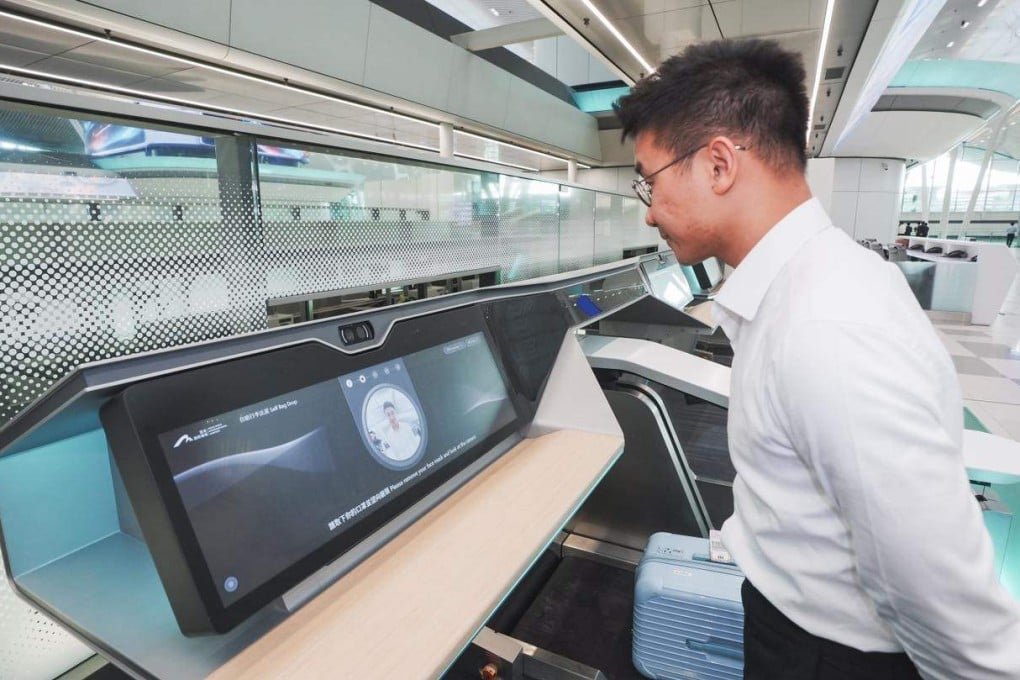
Depending on the carrier and route, passengers may be directed to different check-in zones, including expanded self-service kiosks and automated baggage drop systems located in or connected to Terminal 2. This shift reduces reliance on traditional staffed counters and increases the importance of digital boarding passes and pre-departure online check-in.

A key feature of the upgraded terminal is the integration of transport infrastructure.

Terminal 2 is designed to function as a multimodal access point, linking airport rail services, buses, and passenger drop-off zones more directly with departure processing areas.

This reduces walking distances and is intended to shorten transfer times between ground transport and airside security screening.

Security and immigration flows are also being restructured.

The new layout prioritises parallel processing lanes and expanded screening capacity, designed to reduce bottlenecks during peak departure periods.

For passengers, this means less predictable crowding patterns, but also a higher dependence on signage, digital guidance systems, and automated queue management.

Airlines operating from Hong Kong are expected to adjust their passenger instructions as Terminal 2 functions come fully online.

Travellers may be required to confirm terminal assignments more carefully before arrival, as check-in locations could differ by flight number even within the same airline group.

This increases the importance of checking airport notifications shortly before departure.

The broader stakes of the Terminal 2 expansion extend beyond passenger convenience.

Hong Kong is positioning its airport as a high-capacity regional hub capable of handling long-term traffic growth driven by mainland China, Southeast Asia, and international transfer demand.

The redesign is intended to increase throughput efficiency without requiring proportional expansion of land footprint, relying instead on automation and spatial reallocation.

For passengers, the transition period is likely to involve adjustment friction as systems are phased in.
However, once fully operational, Terminal 2 is expected to reduce congestion pressure on older infrastructure and create a more segmented but faster processing environment, where efficiency is achieved through distribution rather than centralisation.
Universities expand intake and support for mainland Chinese students, but language barriers, job-market limits, and social integration gaps continue to complicate long-term settlement
Hong Kong’s effort to position itself as a long-term education and talent hub for mainland Chinese students is being shaped by a system-level tension between expanded university access and the practical limits of post-graduation integration.

The core issue is not admission, which has steadily increased, but whether graduates can realistically transition into stable employment and social life in the city’s distinct linguistic, professional, and cultural environment.

Over the past decade, Hong Kong universities have increasingly relied on non-local students, particularly from mainland China, as a key driver of enrollment growth, institutional funding, and global competitiveness.

This shift has strengthened the city’s ambition to function as an international education hub while also aligning more closely with broader regional talent strategies.

Policy changes have expanded places for mainland students across undergraduate and postgraduate programs, making them one of the largest cohorts of non-local students in the system.

However, research on student outcomes consistently highlights persistent friction at the point where education ends and employment begins.

Mainland students often arrive with strong academic preparation, but face structural disadvantages in Cantonese proficiency, informal workplace networking, and familiarity with local professional norms.

These factors reduce competitiveness in sectors where local communication skills and established social ties remain decisive.

The transition from university to employment is therefore not automatic, even for high-performing graduates.

Academic studies of student integration in Hong Kong repeatedly show that adaptation challenges begin early in the university experience and carry forward into employment outcomes.

Language barriers—especially Cantonese in workplace settings and English in academic contexts—can limit classroom participation and later affect internship and hiring opportunities.

At the same time, weaker integration into local peer networks reduces access to informal job channels that are often critical in Hong Kong’s tight labor market structure.

These constraints accumulate rather than disappear at graduation.

Universities have responded by expanding support systems aimed at improving integration outcomes, including language training, career services, and internship pipelines.

At a policy level, Hong Kong has also promoted itself as a gateway for talent mobility, encouraging mainland graduates to remain in the city after their studies.

The intention is to convert educational inflows into long-term labor market retention, strengthening Hong Kong’s position within the broader regional knowledge economy.

Yet the effectiveness of these measures remains uneven.

While some mainland graduates successfully secure positions in finance, education, technology, and professional services, others face difficulties transitioning into roles that match their qualifications.

Employers continue to weigh local cultural fluency and communication style heavily in hiring decisions, which can offset academic credentials.

This creates a segmented outcome pattern in which integration success depends as much on social adaptation as on academic performance.

The broader implication is that Hong Kong’s higher education expansion strategy is functioning as a partial integration system rather than a fully convergent one.

Universities are increasingly global in enrollment structure, but the labor market remains locally anchored in language and network-based hiring practices.

This mismatch defines the current stage of policy development: large-scale educational openness without fully resolved mechanisms for post-graduation absorption.

As Hong Kong continues to position itself as a regional education hub, the central challenge is shifting from recruitment to retention.

The long-term success of this model will depend less on how many mainland students enroll, and more on whether institutional, linguistic, and employment structures can adapt to support sustained settlement beyond graduation.
New tech-driven design at Hong Kong International Airport’s Terminal 2 focuses on self-service check-in, automated baggage handling, and data integration to speed up passenger flow and reduce congestion.
SYSTEM-DRIVEN infrastructure modernization is reshaping passenger processing at Hong Kong International Airport, where the upgraded Terminal 2 is being positioned as a technology-enabled hub designed to streamline departures through automation and digital coordination.

The project reflects a broader aviation industry shift toward reducing manual procedures in favor of self-service systems, biometric verification, and integrated data platforms that manage passenger flow in real time.

What is confirmed is that Terminal 2 is being developed with a focus on departure efficiency, incorporating technologies such as self-service check-in kiosks, automated baggage drop systems, and expanded digital wayfinding tools.

These systems are designed to reduce queue times and shift routine passenger interactions away from staffed counters toward automated interfaces.

A key mechanism underpinning the redesign is end-to-end digitization of the departure process.

Instead of passengers moving through disconnected stages—check-in, baggage drop, security screening, and boarding—the system is intended to link these steps through centralized data management.

This allows passenger information to move between systems automatically, reducing redundancy and minimizing physical bottlenecks.

Biometric identification is also expected to play a central role in the upgraded terminal.

By using facial recognition and other identity verification technologies, the airport can reduce reliance on paper documents and repeated manual checks.

This approach is increasingly used in major international airports to accelerate passenger processing while maintaining security standards.

Automated baggage handling is another major component.

Modern systems allow luggage to be tagged, tracked, and routed with minimal human intervention, reducing the likelihood of errors and speeding up transfer between check-in and aircraft loading.

These systems are particularly important in high-volume hubs like Hong Kong, where peak travel periods can create significant congestion.

The broader context for these upgrades is competitive pressure among global aviation hubs.

Airports in Singapore, Dubai, and major cities in China have been investing heavily in smart airport technologies to attract transit traffic and improve passenger experience.

Hong Kong’s modernization of Terminal 2 is part of an effort to maintain its position as a leading international aviation hub in the Asia-Pacific region.

Operationally, the shift toward automation also reflects a labor efficiency strategy.

By reducing reliance on manual check-in and processing staff for routine tasks, airports can reallocate personnel toward security oversight, passenger assistance, and exception handling.

This reconfiguration is intended to improve both cost efficiency and service speed.

The implications extend beyond convenience.

Faster departures and reduced congestion can increase terminal capacity without requiring proportional physical expansion.

However, the effectiveness of the system depends on interoperability between airlines, airport operators, and security agencies, as well as passenger adoption of self-service technologies.

The Terminal 2 upgrade therefore represents not only a physical redevelopment but a structural shift in how passenger journeys are managed from entry to boarding.
Markets in Hong Kong retreat after investor expectations from a recent policy summit fail to materialize, with technology shares driving losses amid profit-taking and growth concerns.
EVENT-DRIVEN market repricing is shaping Hong Kong’s stock performance, as the Hang Seng Index declines following what investors view as disappointment after a recent policy summit failed to deliver stronger-than-expected economic or technology sector stimulus.

The selloff reflects shifting sentiment rather than a single shock, with traders reassessing expectations that had previously driven a short-term rally in Chinese and Hong Kong equities.

What is confirmed is that Hong Kong equities, particularly technology-heavy stocks, led declines as investors reduced exposure to sectors that had previously rallied on hopes of policy support and improved macroeconomic conditions.

The Hang Seng Index, which is heavily weighted toward major Chinese technology and financial firms, has been especially sensitive to changes in sentiment regarding mainland growth and regulatory direction.

The immediate trigger for the downturn is interpreted as a gap between investor expectations and outcomes from a recent high-level policy summit in China, where markets had anticipated clearer signals of fiscal expansion, structural support for the property sector, or more aggressive technology incentives.

The absence of strong new measures led to a reassessment of risk, prompting short-term profit-taking in sectors that had rallied on speculative optimism.

Technology stocks were the primary driver of losses, reflecting their high sensitivity to policy signals, liquidity conditions, and regulatory expectations.

These companies often serve as a proxy for broader investor sentiment toward China’s innovation and growth trajectory, making them particularly volatile when policy communication fails to meet market positioning.

The broader context is a fragile recovery environment for Hong Kong equities, which have been influenced by a combination of domestic economic pressures, uneven mainland China growth, and global interest rate expectations.

Higher global rates have historically reduced the appeal of growth-oriented Asian equities, while domestic uncertainty has limited sustained inflows from international investors.

The mechanism behind the retreat is largely technical as well as psychological.

In markets that are heavily sentiment-driven, especially after a rally phase, disappointment can trigger rapid repositioning.

Algorithmic trading and leveraged positions amplify these movements, accelerating downside pressure once key support levels are breached.

Despite the decline, structural drivers remain unchanged.

Hong Kong continues to function as a key offshore listing and financing center for Chinese firms, and its exchange remains deeply integrated with mainland capital markets through cross-border trading schemes.

These structural links mean that short-term volatility does not necessarily reflect a breakdown in longer-term market integration.

The immediate implication is that investors are recalibrating expectations around policy support and earnings growth, shifting from optimism-driven positioning toward a more cautious stance.

Market direction in the near term is likely to depend on whether upcoming policy communications or macroeconomic data provide clearer confirmation of sustained economic support or reinforce the current sense of restraint.
Evidence from corporate hiring data, employer surveys, and early academic research suggests firms are increasingly using AI to replace or compress junior tasks, reducing demand for traditional entry-level roles while raising expectations for new graduates.
Artificial intelligence is increasingly reshaping how companies structure entry-level work, with a growing body of evidence suggesting that some employers are treating AI as a substitute for junior labor rather than a supplement.

This shift is not driven by a single policy or platform change, but by a broader organizational strategy: firms seeking cost efficiency and faster output are redesigning workflows so that tasks once assigned to entry-level employees are automated, outsourced to AI systems, or consolidated into fewer roles.

Recent research across corporate hiring behavior shows a consistent pattern.

Firms with higher exposure to generative AI have reduced postings for junior office positions while simultaneously increasing demand for AI-related skills in remaining roles.

One large-scale analysis of hiring data finds that AI-exposed companies are cutting entry-level job postings and shifting toward more technically demanding profiles, especially in administrative, finance, and sales functions.

The mechanism is straightforward: generative AI tools now perform many standardized tasks—drafting documents, summarizing information, basic analysis, and customer communication—at lower marginal cost than hiring and training junior staff.

Employer surveys reinforce this direction.

A significant share of business leaders report using AI as a first-pass solution before considering new hires, particularly for roles traditionally filled by recent graduates.

In some cases, firms explicitly describe AI as a headcount management tool, using automation to reduce the need for expansion in junior teams or to delay hiring until workloads exceed AI capacity.

This has led to what researchers describe as a “flattening” of organizational structures, where fewer entry-level employees support a smaller number of highly productive, AI-augmented professionals.

Academic work published over the past two years adds further nuance.

Studies examining labor-market exposure to generative AI find measurable downward pressure on wages and hiring rates for low-seniority employees in highly exposed firms.

The effect is not uniform across all industries, but it is most visible in routine-intensive white-collar roles, where tasks are highly standardized and easily replicated by language models and automation systems.

In these environments, the traditional apprenticeship function of entry-level work—learning through repetition of basic tasks—is being disrupted.

However, the emerging picture is not purely one of elimination.

Some research and industry reporting indicates that AI is also changing what entry-level work consists of rather than removing it entirely.

Companies adopting AI at scale often reallocate junior employees toward higher-value tasks earlier in their careers, relying on automation to handle foundational work.

In these cases, entry-level roles are not disappearing but becoming more compressed, with steeper expectations for immediate productivity and digital fluency.

A key concern among researchers is the long-term impact on skill formation.

If AI systems consistently perform the basic tasks that once trained junior workers, companies may face a “missing middle” problem in future labor pipelines: fewer employees gaining foundational experience that typically supports advancement into mid-level roles.

Some analysts warn that this could weaken internal talent development over time, even if short-term efficiency improves.

At the same time, countervailing evidence shows that AI skills themselves are becoming a strong hiring signal.

Experimental hiring studies indicate that candidates with demonstrated AI proficiency are significantly more likely to be shortlisted for interviews, and in some cases can offset disadvantages such as limited experience or lower formal education.

This suggests that firms are not simply reducing entry-level hiring, but selectively redefining what qualifies as entry-level competence.

Taken together, the trend reflects a structural recalibration rather than a uniform contraction.

“Utilitarian” employers—those prioritizing immediate efficiency gains—are increasingly using AI to compress junior workloads, reduce training overhead, and delay or narrow hiring pipelines.

The result is a labor market where entry-level roles persist, but are fewer in number, more technically demanding, and more tightly integrated with AI systems than in previous hiring cycles.
New luxury-accessible watch release quickly appears on resale platforms, highlighting persistent demand distortion in limited-edition Swiss watch drops
A market-driven disruption in the global luxury watch sector has emerged following the launch of a new collaboration between Swatch and Audemars Piguet, with resale listings appearing within hours of the product’s official release in Hong Kong, underscoring the speed at which scarcity-based retail strategies translate into secondary-market speculation.

What is confirmed is that the watches released under the Swatch–Audemars Piguet collaboration were made available through official retail channels in Hong Kong as part of a limited launch.

Within a short time after the initial release, listings began appearing on secondary resale platforms at elevated prices, reflecting immediate arbitrage behavior by buyers seeking to profit from constrained supply.

The collaboration follows a broader industry pattern established by earlier Swatch partnership models, in which Swiss watchmakers release co-branded or reinterpretation pieces at significantly lower price points than traditional luxury models.

These releases typically generate high demand due to limited availability, brand prestige, and crossover appeal between entry-level consumers and established collectors.

The mechanism driving the rapid resale activity is scarcity amplification.

When supply is tightly controlled and distribution is limited to specific geographic or retail channels, initial buyers gain immediate pricing power in secondary markets.

In this case, Hong Kong’s status as a major luxury retail hub with high-density collector demand accelerates the speed at which inventory is absorbed and relisted.

Swatch, a Swiss watch company known for mass-market and accessible designs, has previously collaborated with high-end Swiss luxury brands to create hybrid products intended to broaden audience reach while preserving exclusivity dynamics.

Audemars Piguet, positioned at the upper end of Swiss horology, operates in a market segment defined by limited production and high brand equity, making any association with mass retail distribution structurally significant for consumer demand patterns.

The rapid appearance of resale listings does not in itself confirm widespread market manipulation, but it does reflect a predictable outcome of limited-edition retail design.

Buyers with early access—whether through queues, allocation systems, or retail timing advantages—can capture immediate price differentials between retail and resale markets.

The stakes of this pattern extend beyond a single product drop.

For brands, it raises strategic questions about whether collaboration-driven hype strengthens long-term brand value or primarily fuels short-term speculative trading.

For consumers, it reinforces structural inequality in access, where availability is determined less by willingness to pay retail price and more by timing, location, and purchase logistics.

Hong Kong’s role as an early resale flashpoint reflects its established position in global luxury circulation networks, where high turnover rates and dense collector communities create immediate liquidity for newly released high-end goods.

This environment consistently produces rapid price discovery in secondary markets, particularly for limited-run luxury items.

The immediate consequence of the launch is the reinforcement of a well-established feedback loop in luxury retail: constrained supply drives urgency at launch, which drives secondary-market inflation, which in turn reinforces future demand anticipation for subsequent releases.

That cycle continues to shape how Swiss watch collaborations are designed, distributed, and monetized across global markets.
Chief justice calls on senior counsel to safeguard judicial credibility amid sustained scrutiny over rule of law and institutional independence
An institution-driven effort to preserve judicial legitimacy in Hong Kong has taken center stage after the city’s chief justice publicly urged senior counsel to uphold and strengthen public trust in the courts, framing confidence in the legal system as a core requirement for stability under heightened political and social scrutiny.

What is confirmed is that the chief justice of Hong Kong addressed senior members of the legal profession, calling on them to actively support the integrity and reputation of the judiciary.

The remarks emphasized the responsibility of experienced lawyers and advocates in maintaining confidence in court processes, rulings, and the broader administration of justice.

The judiciary in Hong Kong operates under a common law system inherited from British administration, now functioning within the framework of the “one country, two systems” arrangement under Chinese sovereignty.

This structure preserves a separate legal system from mainland China, including an independent court hierarchy and a final appellate court staffed in part by overseas judges.

In recent years, Hong Kong’s courts have operated under intensified public and international scrutiny linked to major political developments, including national security legislation and high-profile prosecutions arising from protests and political expression cases.

These developments have placed the judiciary at the center of debates over legal autonomy, judicial independence, and the boundaries of political authority.

The chief justice’s appeal to senior counsel reflects a broader institutional concern: that confidence in the judiciary depends not only on formal independence but also on public perception of fairness, transparency, and consistency in legal reasoning.

Legal elites, particularly senior counsel, play a key role in shaping courtroom standards, professional conduct, and the quality of advocacy in complex cases.

The mechanism at stake is reputational rather than procedural.

Courts rely on public acceptance of their legitimacy, which is reinforced through consistent application of law, visible independence from external pressure, and the professional conduct of those who appear before them.

When confidence erodes, even legally sound judgments can face challenges in perceived legitimacy, affecting broader governance stability.

Supporters of the judiciary’s current framework argue that Hong Kong’s courts continue to operate according to established legal principles and maintain distinct procedural safeguards that differentiate them from mainland legal institutions.

Critics, however, have raised concerns internationally about whether recent legal and political changes have affected the perceived independence of judicial decision-making.

The chief justice’s remarks place responsibility on the legal profession itself to act as a stabilizing force, reinforcing norms of advocacy, ethical standards, and respect for judicial processes.

The appeal also signals an institutional recognition that maintaining trust in the legal system is now an active challenge requiring engagement beyond formal court rulings.

The immediate consequence of the statement is a renewed focus on the role of senior legal practitioners in shaping the credibility of Hong Kong’s judiciary at a time when the courts remain central to politically sensitive and socially consequential cases, reinforcing the expectation that legal professionalism will serve as a key pillar supporting institutional legitimacy going forward.
Lawmakers are being urged to reassess the legal protections granted to Hong Kong’s overseas economic offices amid concerns about potential intelligence operations on U.S. soil
A system-driven policy debate in Washington is intensifying around the legal status and operational oversight of Hong Kong’s overseas economic and trade offices, as members of Congress confront renewed calls to examine whether these entities are being used for intelligence-related activities under the cover of diplomatic and commercial engagement.

What is confirmed is that Hong Kong maintains official overseas economic and trade offices that operate in multiple global cities, including in the United States, where they are formally designated to promote trade, investment, and economic cooperation.

These offices typically enjoy certain diplomatic-style privileges, including operational protections that can limit the scope of routine oversight by local authorities.

The current congressional debate centers on whether those protections remain appropriate given broader geopolitical shifts and long-standing concerns raised by some policymakers about the potential for foreign intelligence activity operating through semi-diplomatic institutions.

The core issue is not the existence of the offices themselves, but the extent to which their legal status may constrain monitoring, transparency, or enforcement actions if national security concerns arise.

Hong Kong’s political system has undergone significant changes in recent years under the framework of increased integration with mainland China’s governance structure.

That shift has led some lawmakers in the United States and allied countries to reassess assumptions about the independence of Hong Kong-based institutions, including those operating abroad under economic or cultural mandates.

The legal complexity lies in the hybrid nature of these offices.

They are not traditional embassies, yet they often function with similar privileges in practice.

This creates a regulatory gap: they are expected to conduct commercial diplomacy while simultaneously being granted protections that can resemble those of formal diplomatic missions, complicating oversight when security concerns are raised.

The renewed congressional attention reflects broader tensions in U.S.–China relations, where economic engagement, technology competition, and national security concerns increasingly overlap.

Within that environment, institutions that sit between commerce and state representation have become focal points for scrutiny, particularly when their governance structure is closely linked to a foreign central authority.

Supporters of maintaining the current arrangements argue that trade promotion offices play a practical role in facilitating business ties and that removing or restricting their privileges could reduce economic engagement.

Critics argue that the existing framework does not adequately reflect current geopolitical realities and may leave gaps in enforcement if hostile intelligence activity were to occur under diplomatic protection.

The immediate consequence of the debate is increased pressure on Congress to clarify the legal status of Hong Kong’s overseas offices and determine whether existing protections should be revised, restricted, or subject to additional transparency requirements.

That process is now moving from political discussion toward potential legislative review, with implications for how quasi-diplomatic institutions operate within the United States going forward.
U.S. inflation climbs to 3.8 percent as tariffs, energy shocks, and global tensions raise costs and deepen political pressure on the White House
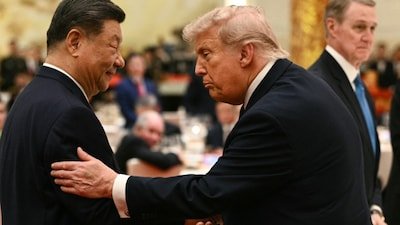
U.S. economic policy under President Donald Trump is facing renewed scrutiny as rising inflation and global supply shocks converge with the political fallout of his recent state visit to China, placing domestic affordability at the center of his administration’s immediate challenge.

The latest available data show annual consumer inflation in the United States rising to three point eight percent in April, marking an increase from earlier levels after months of gradual price pressure.

Economic analysts attribute the acceleration to a combination of factors, including higher energy costs, trade tariffs, and disruptions linked to international conflict, particularly tensions affecting global oil routes.

The timing of the inflation surge has sharpened political stakes.

The increase comes as inflation is reported to be outpacing wage growth, meaning household purchasing power is effectively declining even as employment remains stable.

Forecasts from regional Federal Reserve indicators suggest inflation could climb further in the near term, with estimates pointing toward levels above four percent if energy prices remain elevated.

Energy markets have become a key transmission channel for inflation.

Rising gasoline prices have been linked to geopolitical instability and constraints on major shipping routes, which have tightened global oil supply expectations.

These pressures have fed into transportation, utilities, and consumer goods pricing, extending inflation beyond isolated sectors into everyday household spending categories.

The broader economic impact is also reflected in financial markets, where rising government borrowing costs have added pressure to interest rates.

The yield on ten-year U.S. government debt has increased in recent trading, signaling higher long-term financing costs that affect mortgages, auto loans, and business credit conditions.

President Trump’s recent trip to China was intended in part to stabilize trade relations and secure economic commitments that could offset domestic cost pressures.

The administration highlighted potential agreements involving aircraft purchases and agricultural exports, including Boeing aircraft sales and soybean trade expansion.

However, no comprehensive or fully confirmed trade package has been publicly detailed, and key elements remain unfinalized.

The absence of clear economic deliverables has intensified scrutiny of the trip’s domestic political value.

While the administration presented the visit as diplomatically productive, the immediate economic indicators at home have continued to move in the opposite direction, reinforcing perceptions that international engagement has not yet translated into measurable relief for consumers.

Political reactions have been sharply divided.

Supporters of the administration argue that inflationary pressure is largely a consequence of external shocks, including energy disruptions and global instability, while critics point to tariff policy and broader economic strategy as contributing factors that may be amplifying price increases.

Within the administration, officials have emphasized that inflation remains a central priority and have pointed to future policy measures aimed at reducing costs in key sectors such as food and energy.

However, market conditions suggest that any stabilization will depend heavily on global supply dynamics as well as domestic fiscal and trade policy decisions.

The current situation places the White House in a difficult position: attempting to maintain diplomatic momentum abroad while managing rising cost-of-living pressures at home.

With inflation eroding real wages and energy costs remaining volatile, economic performance is likely to remain the dominant political issue in the near term, shaping both policy choices and electoral strategy.

The immediate consequence is a tightening policy environment in which economic outcomes, rather than diplomatic messaging, will determine public confidence and political traction heading into the next major electoral cycle.
Talks produced limited concrete agreements, with Taiwan tensions and trade disputes left largely unresolved despite expectations of major breakthroughs
U.S.–China summit diplomacy under President Donald Trump, centered on trade concessions, Taiwan security policy, and technology restrictions, has produced a familiar pattern: high expectations, limited binding outcomes, and a visible shift in leverage toward Beijing as both sides prioritize stability over breakthroughs.

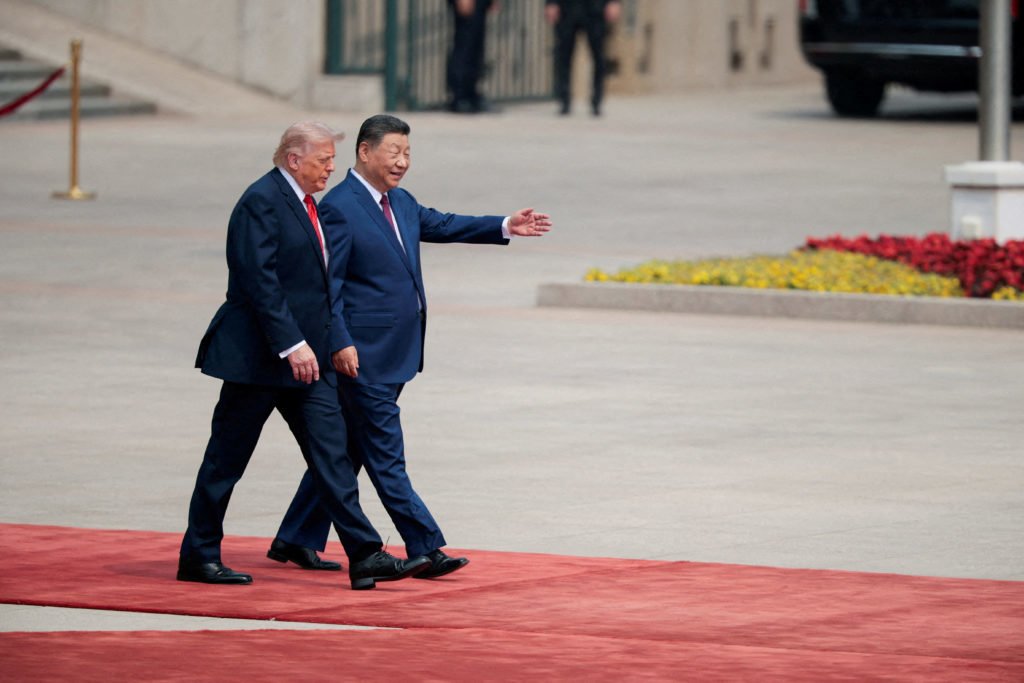
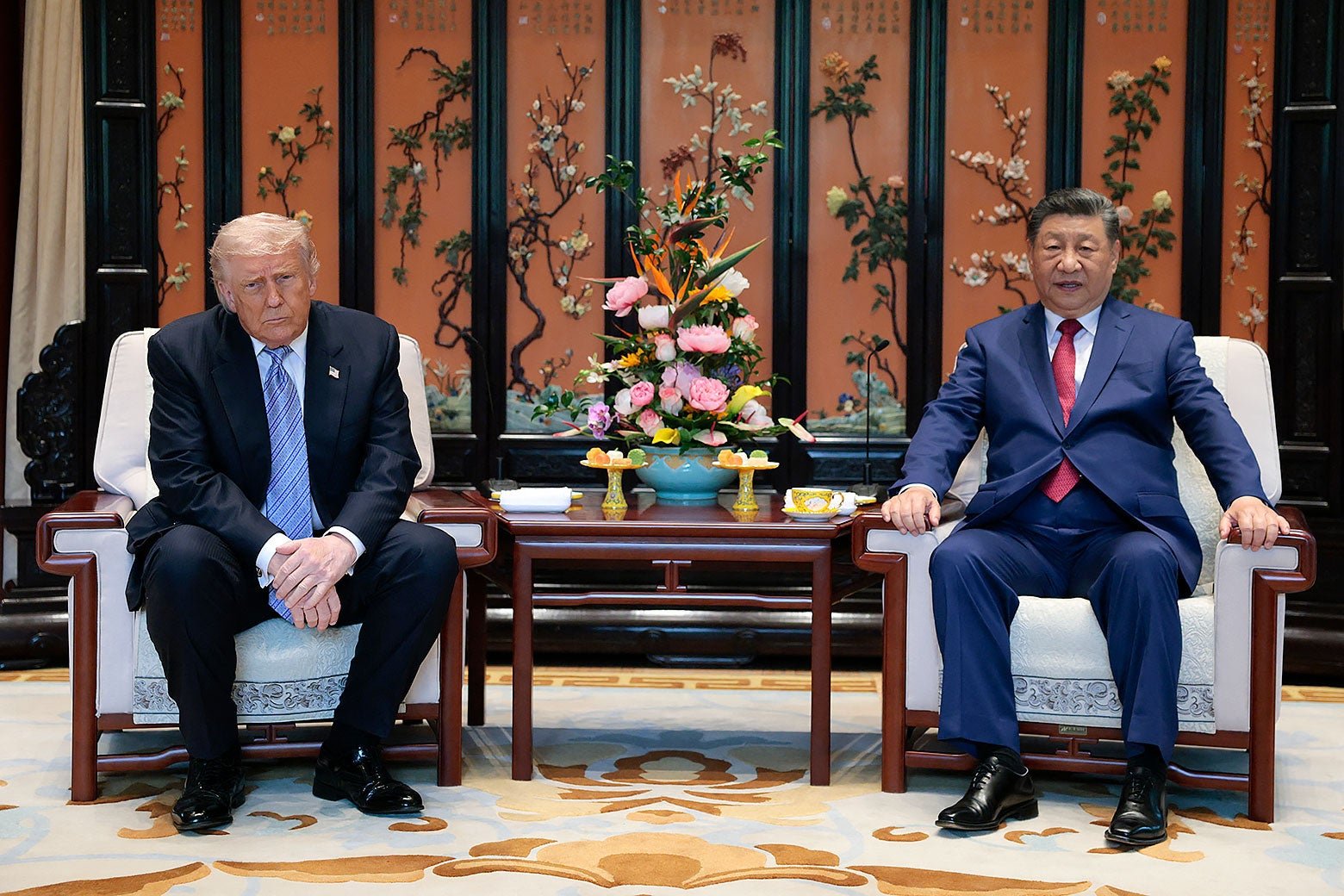
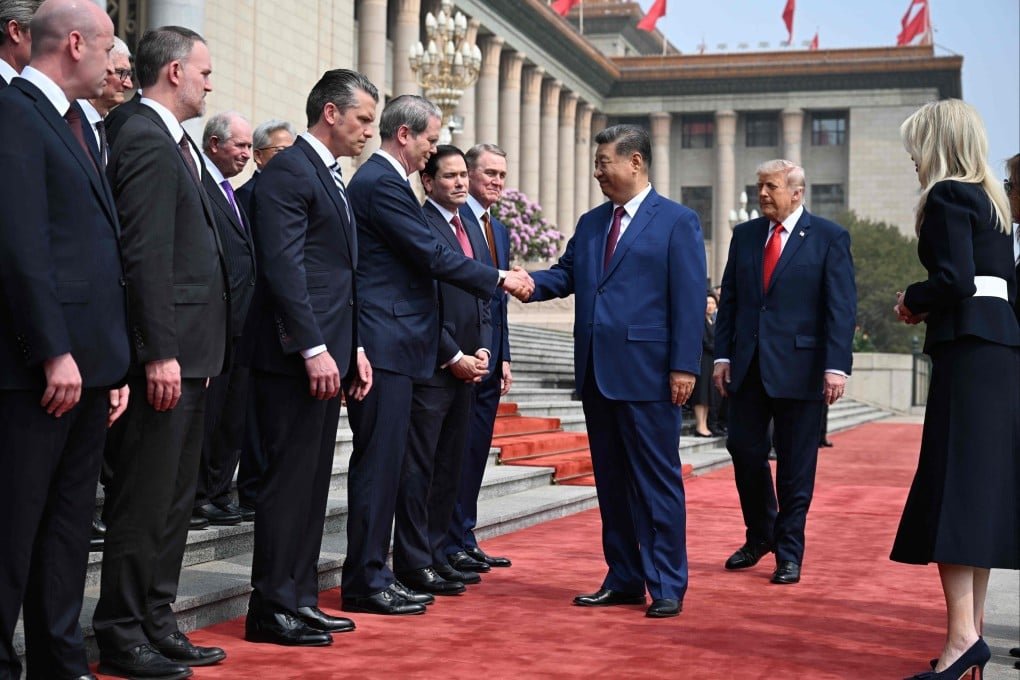
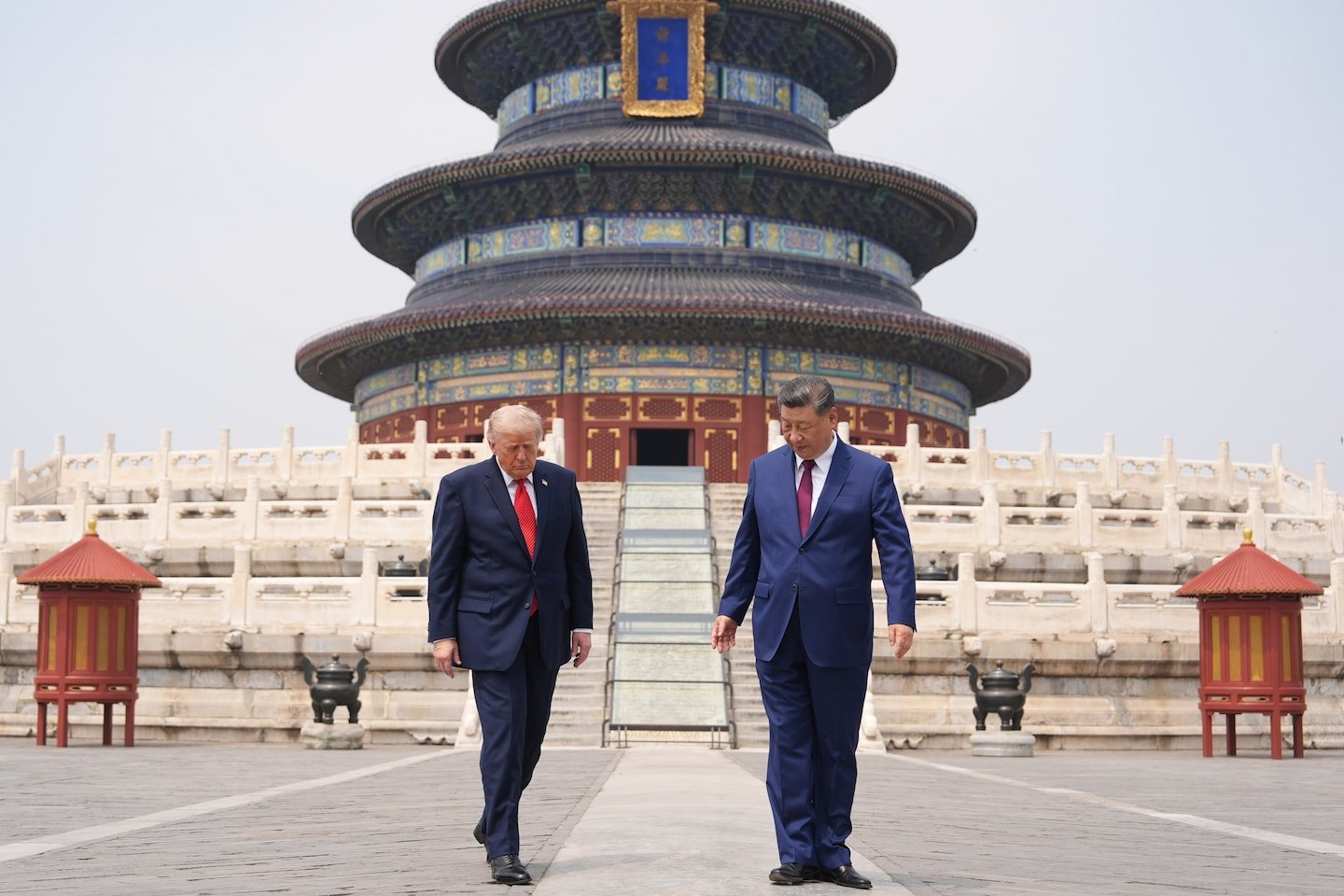
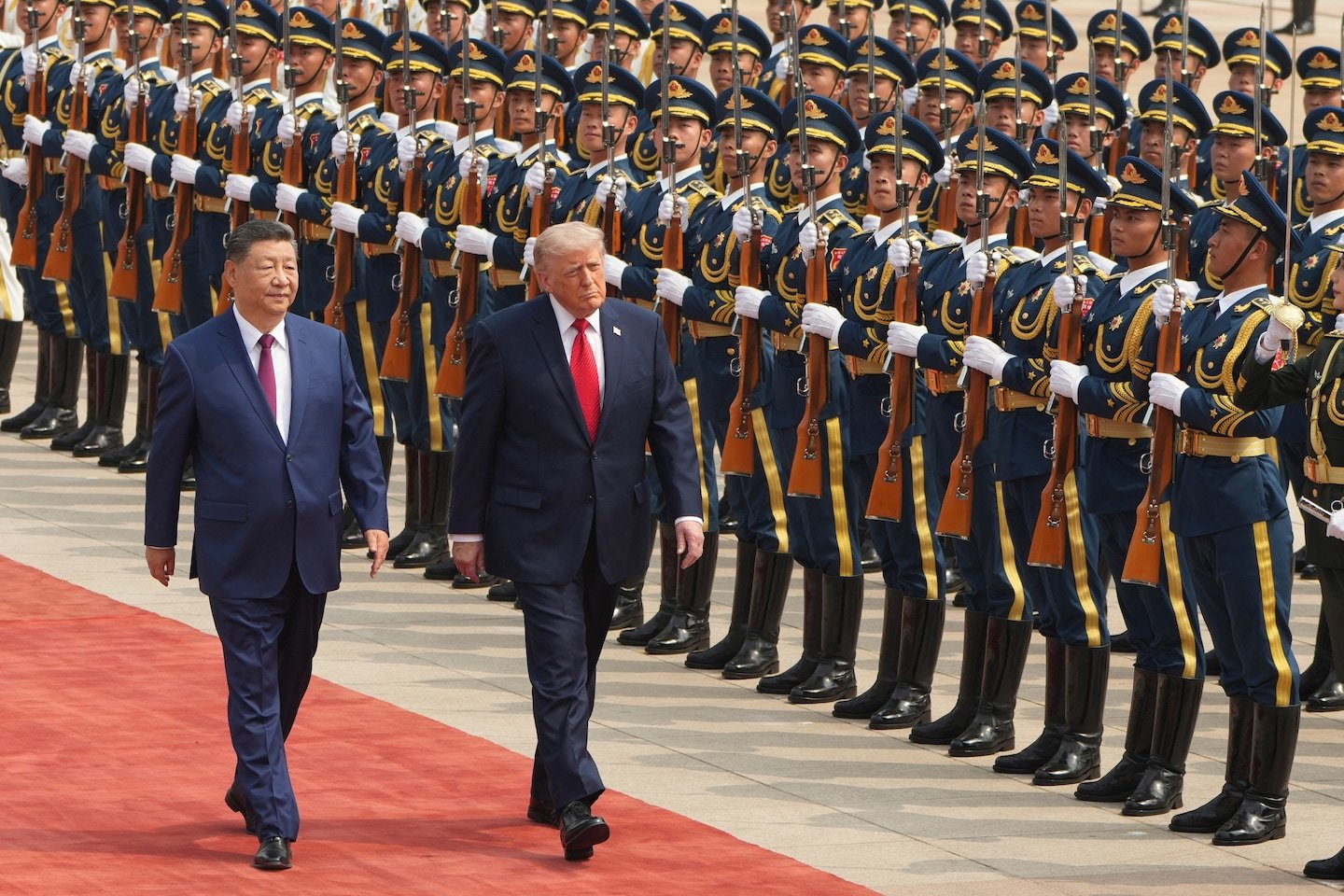
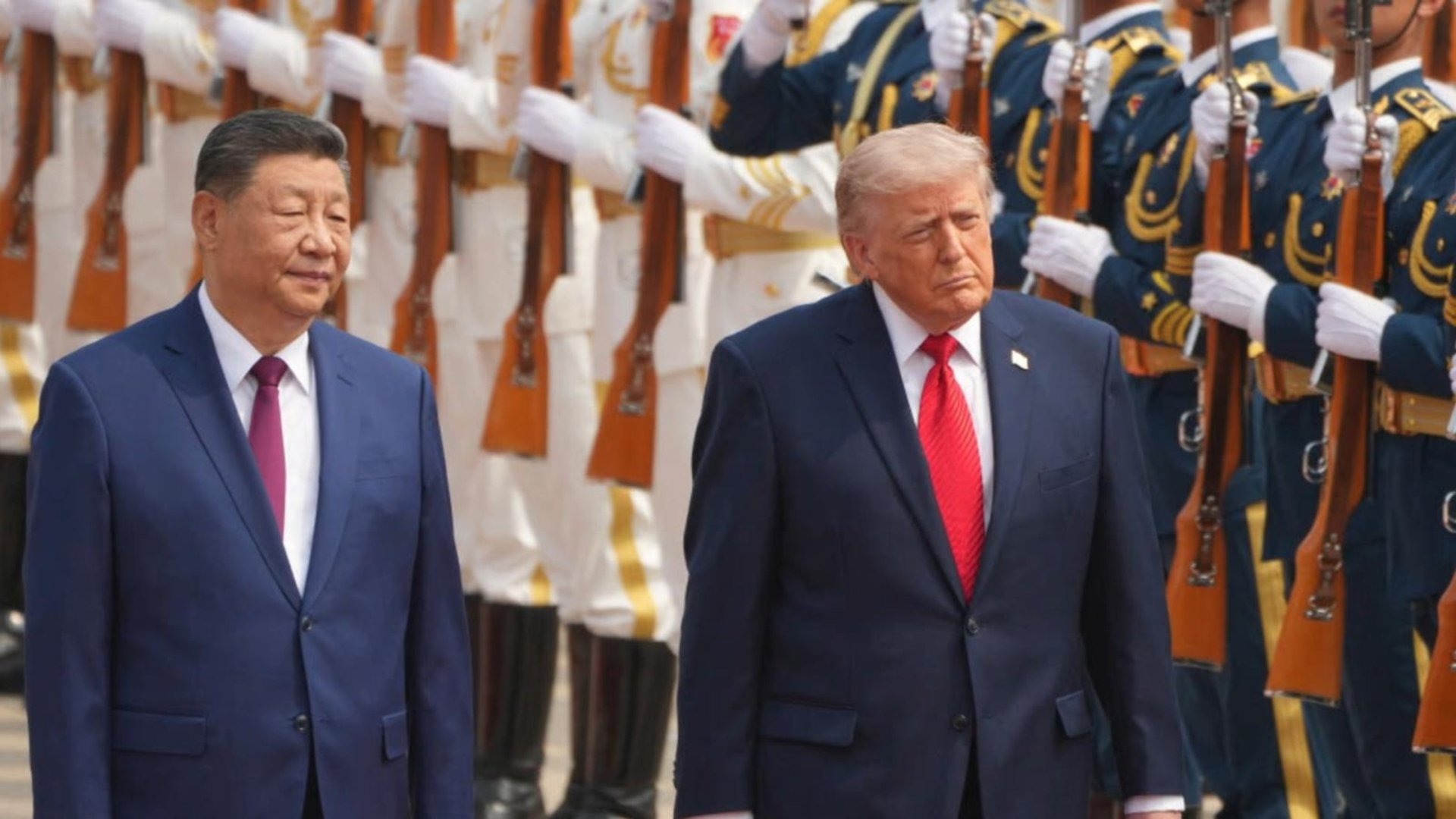
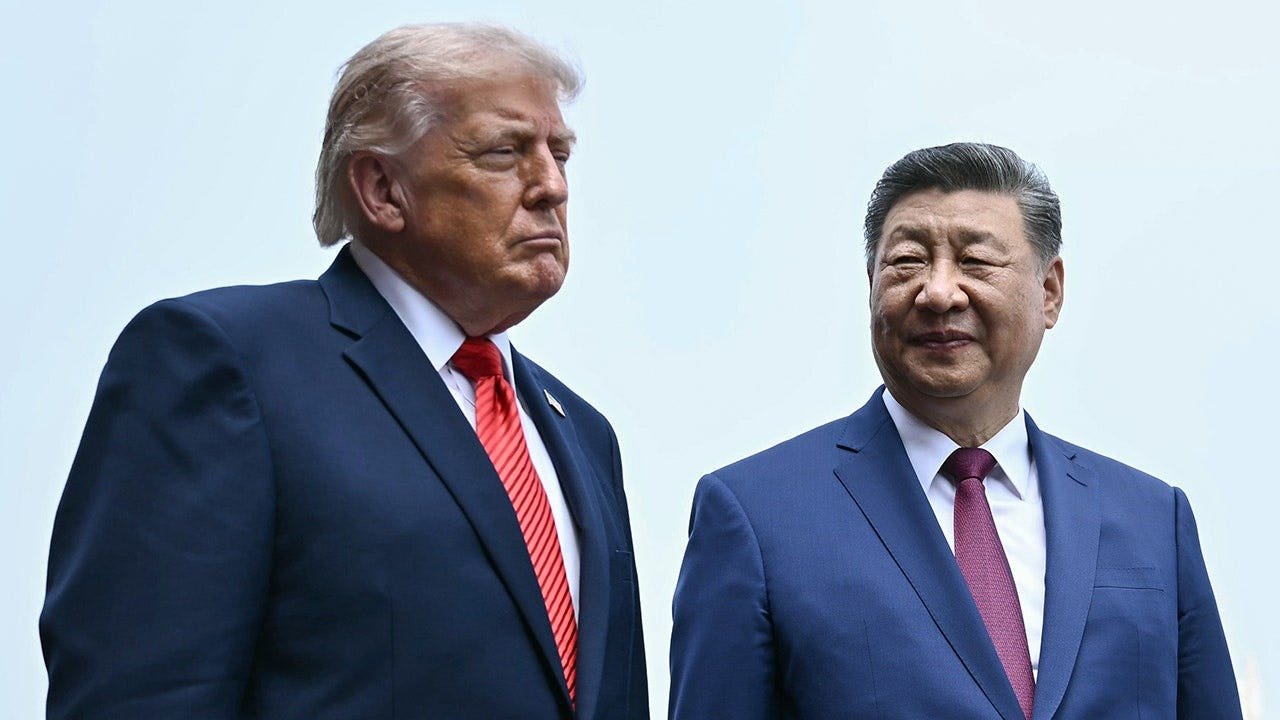
The meetings in Beijing, held over two days between Trump and Chinese President Xi Jinping, were framed by Washington as an opportunity to reset strained relations through large-scale commercial deals and strategic de-escalation.

What emerged instead was a tightly controlled negotiation in which China emphasized political red lines—especially Taiwan—while the United States struggled to convert its economic and diplomatic ambitions into enforceable commitments.

At the center of the summit was a mismatch in priorities.

Trump arrived seeking visible economic wins, particularly large-scale Chinese purchases of American goods, alongside a broader recalibration of trade tensions that have defined U.S.–China relations since the previous tariff escalation cycle.

Xi, by contrast, focused on stabilizing the relationship on China’s terms: reinforcing its sovereignty claims over Taiwan, resisting pressure on technology policy, and projecting parity with the United States in global affairs.

One of the most publicized claims from the summit was a potential agreement for China to purchase Boeing aircraft.

Trump stated that China had agreed to buy roughly two hundred planes and could expand that number further.

However, neither Beijing nor Boeing confirmed a finalized contract, and Chinese officials described discussions in general terms rather than binding commitments.

The result left the deal politically useful for Washington but commercially unresolved.

Trade discussions followed a similar pattern.

Both sides signaled progress in principle on agricultural exports, aviation, and tariff issues, but most measures were framed as preliminary understandings rather than enforceable agreements.

This left the overall economic relationship largely unchanged in structure, with negotiation continuing rather than concluding.

Security issues proved even more constrained.

Taiwan remained the central point of friction.

Xi reiterated that any move toward formal recognition of Taiwanese independence would seriously endanger bilateral relations.

Trump did not alter the United States’ long-standing policy of strategic ambiguity but delayed a decision on a major arms package for Taiwan, signaling a temporary pause in implementation.

Beyond Taiwan, discussions included Iran, global energy routes, artificial intelligence, and broader geopolitical alignment, but these topics produced little evidence of structured agreements or binding outcomes.

Key issues such as China’s relationship with Russia and governance of emerging technologies were not resolved through formal mechanisms.

The absence of major breakthroughs reflects structural limits in the relationship.

The United States sought deliverable economic gains and diplomatic signaling, while China prioritized strategic positioning and control over core sovereignty issues.

Neither side entered the talks with enough leverage to force decisive concessions from the other.

In effect, China succeeded in reinforcing its central red lines while maintaining a stable diplomatic environment, while the United States achieved continuity without securing significant economic or strategic commitments.

The result is a managed equilibrium rather than a reset in relations.

The immediate consequence is the continuation of strategic competition under controlled conditions.

Trade negotiations remain open, security tensions persist around Taiwan, and technology rivalry continues to define the broader relationship between the two powers.
Record attendance at the Australian Tourism Exchange highlights the rapid recovery of China-Australia travel links as airlines, tour operators and governments push to rebuild one of the region’s most valuable tourism markets.
Tourism Australia’s annual Australian Tourism Exchange, the country’s largest business-to-business tourism event, became this week’s clearest demonstration of how rapidly commercial travel ties between Australia and China are recovering after years of diplomatic tension, border closures and disrupted aviation networks.

The five-day event in Adelaide brought together hundreds of international buyers, airlines, hotel operators and tourism businesses at a moment when Chinese visitor growth has re-emerged as a central economic priority for the Australian tourism sector.

What is confirmed is that the 2026 Australian Tourism Exchange attracted its largest participation levels in years.

More than 2,700 delegates attended, including roughly 730 international buyers and travel agents from more than 30 countries.

Organisers scheduled tens of thousands of business meetings between overseas travel distributors and Australian tourism operators, reflecting a coordinated effort to rebuild inbound tourism volumes and international route capacity.

The dominant commercial story inside the event was China.

Chinese travel buyers, tour companies and aviation-linked businesses were among the most visible participants.

Tourism officials and operators focused heavily on rebuilding market share from mainland China, which before the pandemic was Australia’s most lucrative inbound tourism market by visitor spending.

The recovery is now becoming measurable in hard numbers rather than promotional language.

In the twelve months to March 2026, arrivals from mainland China to Australia exceeded one million visitors, with annual growth above twenty percent.

Aviation seat capacity between the two countries has also largely recovered to pre-pandemic levels, removing one of the biggest logistical barriers that slowed tourism normalization through 2023 and 2024.

The rebound matters because Chinese tourism has an outsized economic effect on Australia’s visitor economy.

Chinese travellers historically stay longer and spend more per trip than many other visitor groups, supporting airlines, luxury retail, education-linked travel, hotels, casinos, restaurants and regional tourism operators.

Before the pandemic, Chinese visitors contributed billions of dollars annually to the Australian economy.

The mechanics of the recovery are broader than tourism marketing alone.

Diplomatic stabilization between Canberra and Beijing has reduced uncertainty for airlines and travel businesses.

China’s extension of visa-free entry for Australian citizens has lowered friction for outbound Australian tourism to China while also improving the overall travel relationship between the two countries.

Airlines have progressively restored routes suspended during the pandemic and during the deterioration in bilateral political relations.

The tourism rebound is also increasingly two-way.

More Australians are travelling to China again, supported by restored flight capacity, lower administrative barriers and competitive travel pricing.

Industry executives at the Adelaide event described a shift from simple recovery toward expansion into new travel categories, including independent travel, premium small-group tourism and regional experiences.

That shift is strategically important because Chinese outbound tourism behavior has changed since the pandemic.

Large bus-tour groups that once dominated Australian tourism marketing are no longer the only focus.

Australian operators are redesigning products for younger travellers, higher-income visitors and digitally driven consumers who expect flexible itineraries, mobile payment compatibility and tailored experiences.

Tourism operators are also adapting to a more competitive regional market.

Japan, Thailand, Vietnam and Singapore have all aggressively pursued Chinese visitors with easier visa access, expanded airline partnerships and targeted marketing campaigns.

Australia’s geographic distance and relatively high travel costs mean it cannot rely solely on pent-up demand.

The Adelaide event highlighted another major structural reality: tourism has become increasingly tied to geopolitical stability in the Asia-Pacific region.

The recovery in China-Australia travel links follows years of trade disputes, diplomatic freezes and security tensions that affected consumer confidence and business planning.

Tourism executives now view political predictability as an operational necessity rather than a secondary issue.

There are also broader economic stakes inside the recovery narrative.

Australia’s tourism sector still faces labour shortages, rising operating costs and pressure on profitability.

International visitors are critical for sustaining airline economics, hotel occupancy and regional tourism infrastructure.

A stronger Chinese market improves revenue across the sector and helps offset weakness in some long-haul Western markets where travel costs remain elevated.

The Australian Tourism Exchange itself has evolved into more than a networking convention.

It functions as a market signal to airlines, investors and governments about where demand is moving and which bilateral relationships are commercially viable.

The heavy emphasis on China at this year’s event showed that Australian tourism authorities now view renewed engagement with Chinese travellers as central to long-term sector growth.

The immediate next phase is operational rather than symbolic.

Airlines are expected to continue expanding frequencies, tourism operators are investing in Chinese-language services and digital payment systems, and Australian state tourism agencies are competing for a larger share of returning Chinese visitor spending ahead of major international sporting and cultural events scheduled through 2027.
There are behind-the-scenes stories inside, which are very interesting. The female police officer is always amused by the male supporting role.

Thai authorities allege a passenger damaged automated passport gates at Suvarnabhumi Airport, triggering criminal complaints and a lifetime entry ban
EVENT-DRIVEN enforcement actions at Thailand’s main international airport have escalated into a criminal case after a Chinese tourist was accused of damaging automated immigration gates and verbally abusing officers during an incident at Bangkok’s Suvarnabhumi Airport.

What is confirmed is that Thai immigration authorities have imposed a lifetime ban on a 30-year-old Chinese national identified in local reporting as Zheng Liwei following an incident at the airport’s passport control area.

The case centers on allegations that he damaged automated border control equipment and bypassed immigration procedures without authorization.

According to the complaints filed by immigration officers, the incident occurred on Wednesday afternoon while the passenger was attempting to pass through automated passport control gates en route to a flight to China.

Officials allege he experienced difficulty using the system, became agitated, and then forcibly interacted with the equipment, including actions described as kicking and striking the automated barriers.

The damaged infrastructure reportedly includes two automated gates used for passport verification and border clearance.

Authorities have assessed the cost of damage at approximately 480,000 baht, equivalent to roughly fifteen thousand US dollars, and have classified the incident as damage to government property.

Immigration officers also allege that after passing through the checkpoint without completing authorization procedures, the individual shouted insults at officers on duty.

One reported phrase included a vulgar insult directed at officials, after which he allegedly attempted to approach officers before being restrained by his accompanying spouse.

Thai police and immigration authorities have filed multiple complaints, including property damage, unauthorized passage through a controlled immigration checkpoint, and verbal abuse of officers performing official duties.

These allegations form the basis for both criminal proceedings and administrative immigration penalties.

The lifetime ban reflects Thailand’s enforcement framework for serious violations involving border control infrastructure and security procedures.

Automated passport systems are considered critical national entry infrastructure, and interference with their operation is treated as a serious offense due to both security and operational disruption concerns.

The case has also drawn attention in the context of broader enforcement trends at Thai airports, where authorities have increased scrutiny of disruptive behavior by foreign travelers amid rising passenger volumes and growing reliance on automated immigration systems.

Legal proceedings are expected to proceed under Thai criminal statutes governing property damage and interference with official duties, while immigration authorities maintain the administrative entry ban regardless of the outcome of court processes.

The decision effectively removes the individual’s ability to re-enter Thailand under any standard visa category.
Authorities and private firms aim to launch electric aircraft cargo flights within six months, testing whether Hong Kong can build a regulated urban air mobility industry around logistics, infrastructure and tourism.
Hong Kong’s government is using a new regulatory framework to accelerate development of a so-called low-altitude economy, and the first major test could arrive within six months with trial flights of heavy-cargo electric aircraft designed to transport construction materials into remote parts of the territory.

What is confirmed is that infrastructure consultancy AECOM, working with mainland Chinese manufacturer AutoFlight and Chun Wo Construction and Engineering, has been selected for one of the first pilot projects under Hong Kong’s “Regulatory Sandbox X” programme.

The initiative was created by the Transport and Logistics Bureau and the Civil Aviation Department to test advanced low-altitude aircraft operations under controlled regulatory conditions.

The proposed trials involve electric vertical take-off and landing aircraft, commonly known as eVTOLs.

These aircraft use electric propulsion systems and are designed to operate without traditional runways, combining characteristics of helicopters, drones and fixed-wing aircraft.

The Hong Kong project focuses initially on cargo transport rather than passenger services.

AECOM executives said the first operational target is moving heavy construction materials to isolated sites in the New Territories.

The aircraft under discussion reportedly has a payload capacity of roughly two tonnes, placing it far beyond the scale of ordinary consumer or commercial drones currently permitted in Hong Kong.

The timing matters because Hong Kong is trying to avoid falling behind mainland Chinese cities and regional competitors that have moved aggressively into advanced air mobility systems.

Shenzhen, Guangzhou and several other mainland cities have already expanded drone logistics, autonomous aviation trials and pilot passenger eVTOL services.

China’s central government has elevated the “low-altitude economy” into a national industrial priority tied to advanced manufacturing, artificial intelligence, battery technology and urban logistics.

Hong Kong’s approach is more cautious because the city operates under a far denser aviation environment and a stricter common-law regulatory structure.

The territory contains one of the world’s busiest international airports, highly compressed urban airspace, extensive restricted zones and dense residential districts that complicate autonomous or semi-autonomous aircraft deployment.

That is why regulators are beginning with cargo flights in remote areas rather than urban passenger routes.

Construction logistics provide a controlled commercial use case with measurable economic value and lower public safety exposure.

Remote infrastructure projects often require expensive ground transport or helicopter support.

Electric aircraft could reduce delivery times, lower fuel costs and cut emissions if the systems prove reliable.

The sandbox model itself is central to the story.

Rather than fully legalising advanced air mobility immediately, Hong Kong is using limited pilot zones and temporary approvals to gather operational data before broader commercial rollout.

Officials have already confirmed that more than one hundred applications were submitted under the expanded Sandbox X programme, covering logistics, inspections, surveillance, emergency response and passenger transport.

The government has also begun parallel work on unmanned traffic management systems, cross-border drone routes and shared operational platforms.

Financial Secretary Paul Chan previously described the low-altitude economy as a future growth engine tied to smart-city development and integration with mainland China’s Greater Bay Area.

The technology remains commercially and regulatorily immature worldwide.

Only a small number of eVTOL aircraft have obtained formal certification from aviation authorities globally.

AutoFlight’s cargo-capable systems have received important approvals in mainland China, but broader international certification remains ongoing.

Large-scale commercial passenger deployment is still limited by battery endurance, air traffic integration, weather sensitivity, insurance requirements and safety certification complexity.

Hong Kong’s aviation authorities therefore face a difficult balancing exercise.

They must encourage innovation without undermining one of the world’s most safety-sensitive airspaces.

Even small drone operations in the city remain heavily regulated, with extensive no-fly zones surrounding airports, military facilities, ports and dense urban corridors.

The long-term ambitions extend beyond cargo.

AECOM executives have publicly identified ecotourism and aerial sightseeing as potential future applications if cargo operations succeed.

Victoria Harbour sightseeing flights using electric aircraft would represent a major symbolic shift for Hong Kong’s transport sector and tourism industry.

But passenger operations would require far stricter oversight than cargo transport.

Regulators would need to establish standards for pilot certification, autonomous systems, vertiport infrastructure, emergency landing procedures, cybersecurity, liability insurance and noise management.

Public acceptance would also become a major factor in one of the world’s most vertically dense cities.

The economic implications are broader than aviation alone.

Hong Kong is attempting to position itself as a regional testing and financing hub for advanced mobility technologies at a time when mainland China is rapidly scaling industrial leadership in batteries, drones and electric transportation systems.

Officials are also exploring how aerospace and low-altitude technology firms could use Hong Kong’s capital markets and international legal structure to support expansion.

The project also reflects the growing strategic importance of logistics resilience.

Governments and companies across Asia are investing heavily in automation, autonomous transport and alternative delivery systems as labour costs rise and infrastructure bottlenecks intensify.

Cargo eVTOL systems are increasingly viewed not as novelty vehicles but as potential industrial tools for construction, emergency response and high-value freight transport.

The next six months will determine whether Hong Kong can move from policy announcements to real-world aviation deployment.

Regulators, engineers and logistics operators are now preparing for what would become the city’s first heavy-cargo eVTOL demonstration flight under a formal government-backed testing framework.
A proposed two-hundred-plane Boeing deal and plans for a new US-China trade mechanism signal a tactical thaw in commercial relations after nearly a decade of aerospace deadlock.
The central driver of the latest US-China trade breakthrough is a renewed attempt by the Trump administration and the Chinese government to rebuild a structured commercial relationship without reversing broader strategic rivalry.

That effort moved into public view during President Donald Trump’s state visit to Beijing, where Treasury Secretary Scott Bessent said China was expected to place major Boeing aircraft orders and both sides were discussing the creation of a joint “board of trade” to manage economic ties.

What is confirmed is that Trump announced China had agreed to purchase two hundred Boeing aircraft, with the possibility of additional orders that could eventually raise the total substantially higher.

Boeing chief executive Kelly Ortberg traveled with Trump as part of a high-profile delegation of American business leaders.

The visit marked the first major push to reopen Boeing’s access to the Chinese market after years of commercial paralysis driven by geopolitical tensions, export disputes and safety controversies surrounding the 737 Max.

The proposed aircraft purchase would represent Boeing’s first major Chinese order in nearly a decade.

That matters because China was once one of Boeing’s most important long-term growth markets.

The freeze in large-scale orders after 2017 became a symbol of the wider deterioration in US-China relations.

Trade wars, technology restrictions, sanctions disputes and national security competition steadily reduced commercial trust between the two governments.

The aviation dispute was intensified by Boeing’s own operational crises.

Two fatal 737 Max crashes led to a prolonged global grounding campaign, and Chinese regulators were among the slowest to restore confidence in the aircraft.

Additional manufacturing and quality-control issues further weakened Boeing’s standing at a time when Europe’s Airbus expanded its footprint in China.

Beijing increasingly diversified suppliers while also accelerating support for its domestic aerospace industry.

The new negotiations therefore carry significance far beyond aircraft sales.

Washington is trying to re-establish selective economic interdependence in sectors considered commercially valuable but strategically manageable.

Bessent’s proposal for a bilateral trade board reflects that approach.

The mechanism under discussion would reportedly focus on “non-critical” and “non-strategic” sectors, creating a formal channel for resolving disputes, encouraging investment and preventing politically damaging disruptions in areas where both economies still depend heavily on each other.

The structure being discussed is notable because it signals a shift away from the assumption that the US and China can fully decouple economically.

Instead, both governments appear to be moving toward compartmentalisation: competing aggressively in advanced technologies and security-sensitive industries while preserving trade flows in sectors such as aviation, agriculture, energy and consumer manufacturing.

Trump’s delegation also pursued broader export opportunities involving American agriculture and energy products.

Chinese purchases of soybeans, beef and oil have historically served as politically useful deliverables during periods of diplomatic engagement.

The administration is attempting to frame these purchases as evidence that Trump’s confrontational trade posture can eventually produce commercial concessions from Beijing.

For China, the incentives are equally practical.

Chinese airlines face enormous long-term fleet demand as domestic and regional air travel continues expanding.

Airbus alone cannot fully satisfy future aircraft needs, particularly if geopolitical conditions improve enough to reduce regulatory friction around Boeing deliveries.

Restoring some degree of balance between Airbus and Boeing also gives Beijing greater negotiating leverage with both manufacturers.

At the same time, Chinese officials have been careful not to publicly overstate commitments.

While Trump described the order as agreed, Beijing has released comparatively limited detail about timelines, aircraft types, financing arrangements or final contractual terms.

That distinction matters because aviation agreements between China and foreign manufacturers often involve lengthy regulatory sequencing, state-linked leasing entities and phased approvals rather than immediate finalised purchases.

Financial markets reacted cautiously rather than euphorically.

Boeing shares fell after investors concluded the announced order size was smaller than some earlier market expectations that had floated figures closer to five hundred aircraft.

The reaction underscored how deeply political signalling now shapes valuation around US-China business activity.

Investors are not simply pricing airplane demand; they are pricing the durability of political détente.

The talks are unfolding against a far more unstable global backdrop than during Trump’s first term.

Conflict in the Middle East has increased concerns about energy security and supply chain vulnerability.

The United States and China remain divided over semiconductors, artificial intelligence infrastructure, military competition and Taiwan.

Those disputes have not disappeared.

Instead, the current negotiations suggest both governments are trying to prevent total economic fragmentation while continuing to compete strategically.

The inclusion of top corporate executives in Trump’s Beijing delegation reflects another important shift.

Large American multinationals increasingly view access to Asian growth markets as economically indispensable even as Washington tightens controls on advanced technology exports.

Aerospace, industrial manufacturing and energy firms remain heavily dependent on international demand cycles that cannot be replaced by domestic consumption alone.

For Boeing specifically, the stakes are unusually high.

The company has spent years battling production delays, regulatory scrutiny and reputational damage.

Reopening China as a large-scale customer would strengthen backlog visibility, support factory output planning and improve long-term cash flow expectations.

It would also provide symbolic evidence that Boeing remains globally competitive despite mounting pressure from Airbus and emerging Chinese aerospace ambitions.

The negotiations also reveal how trade diplomacy under Trump continues to prioritize headline commercial transactions.

Large aircraft orders provide immediate political optics because they are easy to quantify, tied to manufacturing employment and associated with strategic industries.

But the broader significance lies in the attempt to institutionalise selective cooperation through a formal trade-management framework.

The next phase will focus on whether preliminary political commitments become operational agreements.

Boeing executives and Chinese regulators are already engaged in follow-up discussions tied to approvals, delivery schedules and commercial implementation.

That process, rather than summit-stage announcements alone, will determine whether the current thaw develops into a sustained reopening of one of the world’s most consequential economic relationships.
As Donald Trump courts Chinese business ties alongside top US executives, a surge in Asian industrial investment is reshaping global economic power beyond Washington’s control.
System-driven changes in global capital allocation are redefining the relationship between the United States, China and the wider Asian economy, turning President Donald Trump’s latest Beijing visit into a negotiation shaped less by diplomacy alone than by a deeper industrial and financial transformation already underway.

Trump arrived in Beijing this week accompanied by one of the largest and wealthiest American business delegations ever assembled for a presidential trip to China.

The executives represented industries spanning technology, finance, manufacturing, energy and infrastructure.

The visit focused heavily on restoring commercial momentum between the world’s two largest economies after years of tariffs, export controls, sanctions disputes and geopolitical confrontation.

But the broader economic backdrop has shifted substantially since Trump’s first presidency.

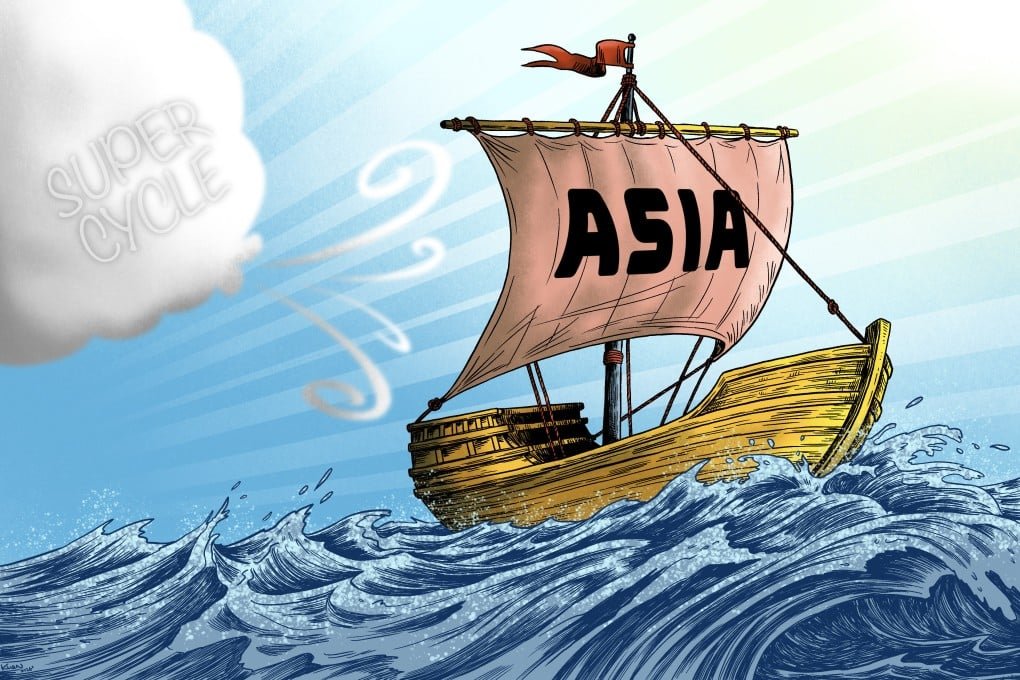
What is confirmed is that East Asia is now experiencing a sharp acceleration in capital expenditure tied to artificial intelligence infrastructure, advanced manufacturing, energy systems, defence production and supply-chain localization.

Investment banks, regional economists and corporate earnings data all point to a major industrial spending cycle spreading across China, South Korea, Japan, Taiwan, Singapore and parts of Southeast Asia.

The scale matters because it signals a redistribution of industrial gravity toward Asia at a moment when the United States is trying simultaneously to compete with China and maintain commercial access to Chinese markets.

The key issue is not whether American companies still want China’s business.

They clearly do.

The more important question is whether Asia’s economic system has become sufficiently self-reinforcing that Washington no longer occupies the same central position in regional growth that it once did.

Several forces are driving the shift simultaneously.

The global race to build artificial intelligence systems has created enormous demand for semiconductors, data centers, power infrastructure, industrial robotics and advanced cooling systems.

Regional governments and corporations are pouring money into those sectors at levels not seen since the industrial expansion cycle of the early two-thousands.

China occupies a uniquely powerful position in that ecosystem because of the depth of its manufacturing base.

The country produces critical components across nearly every industrial layer involved in modern infrastructure build-outs, including batteries, transformers, solar equipment, industrial machinery, consumer electronics and many semiconductor-linked materials.

That integration has allowed China to absorb external pressure more effectively than many Western policymakers expected during earlier phases of the US-China trade war.

Export controls and tariffs imposed by Washington accelerated some supply-chain diversification away from mainland China, particularly toward Vietnam, India and Mexico, but they also encouraged Beijing to intensify investment in domestic industrial capability.

The latest phase of geopolitical instability has added another layer.

The expanding conflict involving Iran and disruptions to Middle East energy routes have increased volatility in oil and shipping markets, pushing Asian governments to accelerate spending on energy security, renewables, electrification and strategic industrial resilience.

That trend benefits companies positioned around infrastructure and industrial production rather than purely consumer demand.

Across the region, corporations are increasing spending on factories, logistics systems, electricity grids and advanced computing capacity.

Trump’s visit therefore unfolded against a paradox.

American executives continue seeking access to Chinese consumers, manufacturing networks and financial markets even as Washington maintains strategic restrictions on advanced technology exports and tighter scrutiny of Chinese investment.

This tension defines the modern US-China economic relationship.

Rivalry and interdependence now operate simultaneously rather than separately.

The United States still attempts to constrain China’s technological rise in areas such as advanced semiconductors and military-linked artificial intelligence.

At the same time, major American corporations remain deeply exposed to Asian growth and cannot easily withdraw from the region without significant financial consequences.

The visit also highlighted a growing divide inside corporate America itself.

Some sectors continue advocating deeper engagement with China because of market scale and supply-chain efficiency.

Others increasingly support diversification due to geopolitical risk, sanctions exposure and uncertainty around future trade restrictions.

Financial markets across Asia have reacted accordingly.

Capital flows into infrastructure, AI-linked hardware, industrial automation and energy transition sectors have risen sharply over the past year.

Governments are competing to attract strategic manufacturing investment while simultaneously trying to reduce vulnerability to external shocks.

China’s leadership sees this environment as an opportunity rather than simply a challenge.

Beijing has spent years promoting industrial self-sufficiency, high-end manufacturing and domestic technological capability under broader national development strategies.

The current global environment — fragmented trade, geopolitical instability and competition over AI — reinforces those priorities.

At the same time, China still faces major structural economic pressures.

Property markets remain weak, local government debt burdens are high and consumer confidence has not fully recovered from years of economic slowdown.

Foreign investment into China has also become more selective due to regulatory concerns and geopolitical tensions.

Those weaknesses explain why Beijing still values engagement with US corporations despite escalating strategic rivalry.

Access to foreign capital, technology partnerships and international financial integration remains economically important even as China seeks greater independence from Western systems.

For the United States, the challenge is increasingly strategic rather than purely commercial.

Washington is attempting to slow China’s rise in critical technologies while preserving access to the very Asian growth engines driving global industrial expansion.

That balancing act becomes harder as regional economies deepen ties with one another independent of US influence.

Trade networks across East and Southeast Asia continue expanding, regional investment agreements are growing and Chinese supply chains remain embedded across much of the continent.

The result is a world economy becoming more regionally concentrated and less universally centered on the United States.

Trump’s Beijing visit demonstrated that American political and corporate leaders still view China as economically indispensable.

But it also exposed a more uncomfortable reality: Asia’s industrial transformation is now advancing under its own momentum, with or without Washington’s strategic approval.

The next phase of global competition will likely depend less on whether companies choose China or America and more on who controls the infrastructure, energy systems and industrial capacity powering the new AI-driven economy already taking shape across Asia.
The fund says Hong Kong’s financial system remains resilient, yet warns that rising energy costs, tighter global liquidity and geopolitical fragmentation could slow growth and strain property and credit markets.
System-driven pressures in the global economy are shaping the International Monetary Fund’s latest assessment of Hong Kong, with the organization warning that the city’s recovery now faces mounting risks from the expanding conflict in the Middle East and the resulting shock to energy markets, inflation and international finance.

The IMF concluded its latest review of Hong Kong by describing the economy as resilient and still recovering from years of disruption that began with the pandemic and extended through political turmoil, high interest rates and a prolonged property downturn.

The fund said economic growth strengthened in 2025 and early 2026, supported by technology-related exports, recovering financial activity and improving private demand.

What is confirmed is that Hong Kong’s economy accelerated sharply in the first quarter of 2026. Official figures released this week showed gross domestic product expanding by 5.9 percent year-on-year, substantially faster than previous quarters.

Exports tied to electronics, artificial intelligence infrastructure and regional trade flows were major contributors.

Financial fundraising activity also improved, reinforcing Hong Kong’s role as China’s main offshore capital market.

The IMF nevertheless warned that the recovery remains incomplete.

Economic activity is still below its long-term pre-pandemic trajectory.

Private investment remains subdued, labor-force participation has not fully recovered and commercial real estate continues to face structural pressure from weak office demand and changing retail patterns.

The key issue is Hong Kong’s extreme exposure to external shocks.

The city operates as one of the world’s most open financial and trading hubs, with a currency peg to the US dollar and deep integration into global capital flows.

That structure provides stability during normal periods but also transmits global stress rapidly into the domestic economy.

The IMF identified the Middle East conflict as the central near-term threat.

Rising oil prices, tighter financial conditions and growing geopolitical fragmentation are already affecting global trade and investment patterns.

The organization warned that prolonged disruption to energy supplies or shipping routes could intensify inflation pressures worldwide while weakening demand across Asia.

Hong Kong is particularly vulnerable because it imports virtually all of its energy and depends heavily on trade-sensitive sectors.

Higher fuel prices raise costs for transport, logistics, aviation and manufacturing supply chains.

At the same time, tighter monetary conditions linked to global inflation can increase borrowing costs across the city’s highly leveraged property and corporate sectors.

The IMF projected Hong Kong’s economic growth would slow to roughly 2.4 percent in 2026 despite the strong start to the year.

The moderation reflects expectations of weaker external demand and more restrictive financial conditions as geopolitical tensions continue to affect commodity prices and investor sentiment.

Financial stability remains a critical concern beneath the headline growth figures.

Hong Kong’s banking sector remains well-capitalized and liquid, according to the IMF, and the Linked Exchange Rate System tying the Hong Kong dollar to the US dollar continues to function smoothly.

However, the fund stressed that stress could emerge in areas exposed to falling commercial property valuations and debt-servicing pressure.

Commercial real estate remains one of the city’s weakest sectors.

Office vacancies remain elevated, retail landlords continue to face structural shifts in consumer behavior and asset prices remain well below their peak levels.

Higher global interest rates have compounded the pressure by increasing financing costs and reducing investor appetite for leveraged property exposure.

The IMF also highlighted broader geopolitical fragmentation as a long-term structural risk.

Hong Kong’s economy increasingly depends on acting as a financial and commercial connector between mainland China and international markets.

That role remains valuable, particularly in cross-border finance and offshore renminbi business, but it also exposes the city more directly to tensions involving trade restrictions, sanctions risks and strategic competition between major powers.

At the same time, the fund acknowledged that Hong Kong retains significant institutional strengths.

Foreign exchange reserves remain large, banking regulation is regarded as robust and public debt levels remain comparatively low.

The IMF also pointed to renewed activity in equity fundraising and asset management as signs that global investors continue to use Hong Kong as a gateway to Chinese markets despite geopolitical tensions.

The organization urged Hong Kong authorities to maintain supportive fiscal policy in the short term while preparing longer-term revenue reforms.

The IMF specifically raised the possibility of broadening the tax base through measures such as a goods and services tax to stabilize government finances as spending pressures rise and land-related revenue weakens.

Another emerging pressure point is demographics and labor supply.

Hong Kong’s labor-force participation rate remains below pre-pandemic levels, reflecting population aging, outward migration and structural workforce shifts.

The IMF argued that improving workforce participation and investing in innovation, digital finance and advanced technology sectors will be necessary to sustain future growth.

The broader global backdrop remains unstable.

The IMF has repeatedly warned that escalation in the Middle East could trigger more severe economic scenarios involving oil prices above one hundred dollars per barrel, sharper inflation spikes and abrupt tightening in global financial conditions.

Those risks matter disproportionately to trade-dependent financial centers like Hong Kong.

For now, the city’s economy continues to expand, financial markets remain orderly and authorities are maintaining their broader growth outlook.

But the IMF’s message is direct: Hong Kong’s resilience depends less on local momentum than on whether the global system avoids a deeper geopolitical and energy-driven economic shock.
Singapore’s second-largest bank is deepening its bet on Hong Kong as competition intensifies for Asia’s wealthy clients and cross-border capital flows.
Singapore-based OCBC is accelerating its expansion in Hong Kong by planning to hire between thirty and fifty additional relationship managers in 2026, a move that reflects intensifying competition among Asian banks for wealthy clients, offshore assets, and regional investment flows.

What is confirmed is that the hiring plan represents an increase of more than thirty percent in the bank’s Hong Kong-based relationship management workforce.

The expansion is tied directly to OCBC’s wealth management strategy and its broader objective of becoming one of Hong Kong’s top ten lenders by 2030.

The story is fundamentally actor-driven because the expansion reflects a deliberate strategic decision by a major regional bank to increase market share in one of Asia’s most contested financial centers.

The hiring push is not simply about staffing levels.

It is a signal that OCBC believes Hong Kong remains central to the future of Asian private banking and cross-border wealth management despite years of political turbulence, geopolitical pressure, and competition from Singapore.

The mechanics behind the move are straightforward but significant.

Relationship managers are the core revenue engine of modern private banking.

They manage high-net-worth and affluent clients, oversee investment portfolios, distribute financial products, and help move capital across jurisdictions within regulatory limits.

Expanding this workforce indicates expectations of rising client acquisition, larger asset pools, and increased transaction activity.

OCBC’s Hong Kong operation has recently reported strong growth.

Revenue in the city rose sharply in the first quarter of 2026, while profit growth significantly outpaced revenue expansion.

Wealth management income climbed substantially, and corporate wealth business reportedly more than tripled.

These figures matter because they suggest that wealth-related businesses are now contributing disproportionately to profitability growth.

The expansion also reflects a larger regional realignment in Asian finance.

Over the past several years, Singapore and Hong Kong have competed aggressively to attract family offices, wealthy mainland Chinese clients, institutional investors, and regional corporate treasury operations.

Rather than replacing Hong Kong, Singaporean banks increasingly appear to be using both cities as complementary hubs.

Singapore provides political stability and Southeast Asian connectivity, while Hong Kong remains deeply integrated with mainland Chinese capital markets and offshore Chinese wealth.

For OCBC, Hong Kong offers access to mainland Chinese clients seeking international diversification, as well as regional investors looking for exposure to China-related assets.

The city’s role as a gateway to China continues to generate strategic value for banks even as broader geopolitical tensions reshape global finance.

The hiring plan also highlights the continued resilience of Hong Kong’s financial sector.

International headlines over recent years often focused on political tightening and slowing property markets.

Yet major banks continue to invest heavily in wealth management operations there because client assets, trading flows, and demand for sophisticated financial services remain substantial.

Competition, however, is becoming more intense.

Regional and global banks are all expanding private banking capabilities across Asia, creating a battle for experienced relationship managers who can bring established client books with them.

Compensation costs have risen, and talent mobility across Singapore, Hong Kong, and mainland China has become increasingly important to growth strategies.

Another layer to the story is demographic and geographic wealth expansion.

Asian private wealth continues to grow faster than many Western markets, driven by entrepreneurs, technology founders, manufacturing executives, and multigenerational family businesses.

Banks are racing to secure long-term relationships before wealth transfers reshape client loyalties over the next decade.

OCBC’s strategy also includes physical modernization.

The bank has indicated plans to upgrade branch infrastructure and expand premium client facilities in Hong Kong.

This reflects a broader industry shift in which banks increasingly combine digital platforms with high-touch advisory services aimed at affluent customers.

The broader implication is that Asian banking competition is entering a more aggressive phase centered on wealth management rather than traditional lending alone.

Banks now view affluent clients not simply as deposit holders but as long-term ecosystems generating investment fees, insurance sales, lending opportunities, and cross-border transaction business.

In practical terms, OCBC’s hiring expansion reinforces confidence in Hong Kong’s continued role as a regional financial hub while underscoring how aggressively Asian banks are positioning for the next cycle of wealth accumulation and capital mobility across the region.
A major logistics company is moving into precious metals custody, signaling deeper convergence between logistics, finance, and commodity security in Hong Kong.
A system-driven shift in financial infrastructure is unfolding in Hong Kong as China’s largest courier and logistics operator prepares to open a dedicated gold vault in the city, extending its role from physical delivery into high-security asset storage.

The development reflects a broader trend in which logistics firms are increasingly positioning themselves as custodians of high-value financial and commodity assets rather than solely transport intermediaries.

What is confirmed is that the company, already dominant in express delivery and supply chain services across China and international routes, is expanding into secure storage services for precious metals.

The planned Hong Kong facility is designed to handle institutional-grade gold custody, including storage, handling, and potentially settlement-linked logistics services that connect physical bullion with financial trading and clearing systems.

Hong Kong is a strategic location for such an expansion due to its status as a major global financial center and one of Asia’s most important gold trading hubs.

The city already hosts significant bullion infrastructure, including vaulting services tied to banks, commodity exchanges, and private wealth management institutions.

The addition of a logistics-led vault operator introduces a new category of competitor into a space traditionally dominated by financial institutions and specialist storage providers.

The underlying mechanism driving this move is the growing demand for secure, scalable, and physically integrated asset storage in Asia’s commodity markets.

Gold continues to play a central role as both an investment hedge and a settlement asset in cross-border trade and wealth preservation strategies.

As demand rises, the need for diversified custody providers has increased, particularly those capable of combining physical logistics expertise with high-security asset management.

This expansion also reflects a structural convergence between logistics networks and financial infrastructure.

Courier and supply chain companies already operate highly secure systems for transporting valuable goods, including sensitive electronics, cash logistics, and insured high-value parcels.

Extending these capabilities into bullion storage represents an incremental but significant shift in business model, moving from movement of assets to long-term custody of assets.

The move carries competitive implications for existing players in Hong Kong’s financial services ecosystem.

Traditional custodians such as banks and specialist vault operators may face new pricing and service competition from logistics-driven entrants that operate at scale and with different cost structures.

However, they also bring different regulatory considerations, as precious metals custody intersects with financial oversight, anti-money laundering compliance, and cross-border capital controls.

For Hong Kong, the development reinforces its position as a global node for gold trading and storage, particularly at a time when financial fragmentation and geopolitical risk are encouraging investors to diversify custody locations.

The presence of additional vaulting capacity may strengthen the city’s role in connecting mainland Chinese demand with global commodity markets.

In the near term, market attention will focus on how quickly the vault becomes operational, what institutional clients it attracts, and whether similar logistics firms follow into the high-security storage sector.

The broader implication is a gradual blurring of boundaries between logistics infrastructure and financial custody systems, with physical security increasingly becoming a core component of financial market architecture.
HKEX enters a volatile macro environment with strong trading volumes, record IPO activity, and growing cross-border flows shaping near-term direction.
The Hong Kong Stock Exchange (HKEX) is entering a period defined less by a single catalyst and more by the interaction of liquidity, earnings momentum, and global capital flows that continue to reshape its structure.

As a system-driven financial market infrastructure, its performance is tightly linked to trading volumes, IPO activity, and cross-border investor participation rather than traditional macro indicators alone.

Recent market data shows that HKEX is operating from a position of unusual strength.

In early 2026, the exchange reported record quarterly revenue and profit, driven by higher cash equity turnover and strong derivatives and commodities activity.

Trading days with exceptionally high turnover have become more frequent, reflecting sustained participation from both mainland Chinese and international investors.

This liquidity depth is one of the key reasons Hong Kong has maintained its status as a leading global IPO venue, even amid uneven global capital markets.

A central driver behind the current momentum is the IPO pipeline.

The exchange continues to attract listings from mainland China and regional companies seeking international capital access.

This pipeline has been reinforced by improving sentiment toward Asian equities and by regulatory efforts aimed at keeping Hong Kong competitive as a fundraising hub.

Market participants increasingly view Hong Kong not just as a local exchange, but as a cross-border capital gateway between China and global investors.

Another structural factor is the sustained strength of Stock Connect flows.

Southbound inflows from mainland investors into Hong Kong equities remain an important liquidity anchor, while northbound participation continues to support broader regional integration.

These flows reduce reliance on Western institutional capital at times of global uncertainty and help stabilize turnover during volatile sessions.

The result is a market structure that is increasingly Asia-centric in its demand base.

Macro conditions remain a double-edged influence.

On one hand, global uncertainty and interest rate volatility continue to shape risk appetite and drive episodic swings in valuations.

On the other, investors seeking diversification and exposure to Chinese growth sectors have consistently turned to Hong Kong-listed assets as a relatively liquid entry point.

This dynamic has contributed to valuation recovery across selected sectors, particularly technology, financials, and industrial exporters.

Policy and structural reforms within HKEX are also shaping expectations for the coming period.

Ongoing initiatives include adjustments to trading mechanics such as tighter spreads, enhancements to listing frameworks, and expanded product offerings across derivatives and indices.

These measures are designed to increase market efficiency and attract higher-quality issuers, reinforcing Hong Kong’s positioning against competing regional exchanges.

In the coming days and weeks, market direction will likely be driven by three variables: liquidity sustainability, IPO execution pace, and global risk sentiment.

If trading turnover remains elevated and IPO pipelines continue to convert into successful listings, fee-based revenues for the exchange will remain strong.

However, any sharp deterioration in global risk appetite or a slowdown in capital inflows could quickly compress trading activity, given HKEX’s sensitivity to volatility cycles.

Overall, the outlook for the Hong Kong Stock Exchange is not a single-direction narrative but a balancing act between structural strength and cyclical uncertainty.

Its resilience is increasingly tied to its role as a regional capital conduit rather than purely a domestic market, and its near-term performance will depend on whether current liquidity conditions can be sustained through the next phase of global market adjustment.
Chief Executive urges local press to highlight positive narratives as government doubles down on messaging strategy during geopolitical and economic volatility
ACTOR-DRIVEN political messaging from Hong Kong Chief Executive John Lee is shaping a renewed push for local media to emphasize positive narratives about the city amid what officials describe as a period of global turmoil.

The remarks reflect an ongoing government effort to influence how Hong Kong is portrayed domestically and internationally at a time of economic adjustment and geopolitical tension.

What is confirmed is that John Lee publicly urged media organizations to “tell good stories of Hong Kong,” framing the request within a broader context of global instability and competition for international attention.

The statement aligns with a wider communications strategy in which Hong Kong authorities seek to reinforce confidence in the city’s economic resilience, governance stability, and role as a global financial hub.

The appeal comes as Hong Kong continues to navigate complex external conditions, including shifting global capital flows, geopolitical friction between major powers, and structural adjustments in its own property and financial markets.

In this environment, messaging about stability and opportunity is increasingly positioned as part of economic policy rather than purely public relations.

The mechanism behind such messaging is straightforward but politically significant.

Governments often seek to shape external perception to support investment inflows, tourism recovery, and financial market confidence.

In Hong Kong’s case, this strategy has taken on heightened importance due to its reliance on international capital and its sensitivity to global sentiment shifts.

The media landscape in Hong Kong operates under a regulatory and political framework that has evolved in recent years, with increased emphasis on national security considerations and public messaging aligned with government priorities.

Within this context, calls for “good stories” are widely interpreted as encouragement for reporting that highlights development successes, economic opportunities, and social stability.

Critics of such messaging frameworks typically argue that emphasis on positive narratives risks narrowing the scope of public discourse, while supporters argue that it helps counter external perceptions they view as incomplete or overly negative.

The tension between narrative management and editorial independence remains a defining feature of Hong Kong’s evolving media environment.

The broader implication is that information strategy has become an integrated component of governance.

In a highly globalized financial center like Hong Kong, reputation and perception are not secondary concerns but direct contributors to economic performance, investor confidence, and international engagement.

The call from the city’s leader reflects an effort to actively manage that relationship in real time.
Ko’s sale of two high-end apartments underscores continued demand for ultra-prime real estate despite broader property market weakness
SYSTEM-DRIVEN dynamics in Hong Kong’s luxury real estate market are at the center of a high-value transaction involving billionaire property investor Ko and the sale of two luxury apartments totaling approximately 115 million US dollars.

The deal highlights a widening divergence between ultra-prime assets and the broader residential property market, which has faced sustained pressure from interest rates, policy adjustments, and shifting demand patterns.

What is confirmed is that two high-end residential units owned by Ko were sold for a combined value of around 115 million US dollars.

The properties are located in Hong Kong’s luxury segment, where pricing is driven less by general housing demand and more by scarcity, prestige, location, and demand from ultra-high-net-worth individuals seeking asset preservation in a volatile global financial environment.

The transaction reflects continued activity at the very top of the market even as mid-tier and mass-market segments face weaker price growth and reduced transaction volumes.

Hong Kong’s broader residential property market has been under pressure due to elevated borrowing costs, regulatory shifts in recent years, and changing demand patterns among local and international buyers.

Luxury real estate in Hong Kong operates under a different set of market forces.

Limited supply in prime districts, strong international capital interest, and the role of property as a wealth storage vehicle for the ultra-rich help sustain pricing at the top end.

These assets are often less sensitive to short-term economic cycles, making them attractive during periods of financial uncertainty.

The sale also reflects portfolio repositioning strategies commonly used by high-net-worth investors.

Divestment of mature assets can free liquidity for reinvestment into higher-yield opportunities or new asset classes, including private equity, overseas real estate, or financial instruments tied to global growth sectors.

The broader implication is a continued bifurcation in Hong Kong’s property market.

While average housing affordability remains strained and transaction volumes in lower tiers remain subdued, ultra-prime assets continue to attract capital from wealthy domestic and international buyers seeking stability and prestige.

This divergence suggests that Hong Kong’s luxury segment remains structurally resilient even in a challenging macroeconomic environment, reinforcing its status as a global hub for high-end real estate transactions despite volatility in the wider housing market.
Company behind advanced optical components used in AI systems considers dual listing as investor demand and valuations surge 340 percent
ACTOR-DRIVEN market dynamics are at the center of the latest development involving a Chinese technology entrepreneur whose optics company has surged sharply in value amid global demand for artificial intelligence infrastructure.

The firm, led by a billionaire founder in China’s advanced manufacturing and photonics sector, is now exploring a dual listing in Hong Kong following a stock rally of roughly 340 percent.

What is confirmed is that the company’s share price has experienced a rapid and sustained increase driven by investor interest in AI-related supply chain components, particularly high-precision optical systems used in data centers, machine vision, and semiconductor-adjacent applications.

The rally reflects broader market enthusiasm for infrastructure companies that supply the physical backbone of artificial intelligence systems rather than software alone.

The planned dual listing under consideration would expand the company’s access to international capital markets while increasing liquidity and visibility among global institutional investors.

A Hong Kong listing would place the firm closer to major Asian capital pools and improve its ability to attract cross-border investment, particularly from funds focused on technology hardware and AI supply chains.

The surge in valuation is tied to a broader structural shift in global markets where AI demand is increasingly driving investment not only into chipmakers and software developers, but also into upstream industrial suppliers.

Optical components, including precision lenses, sensors, and imaging systems, have become critical inputs for AI training hardware, robotics systems, and advanced manufacturing.

The company’s leadership is reported to be positioning the business to capitalize on this cycle by strengthening its capital base while demand conditions remain favorable.

A dual listing is often used by high-growth firms to broaden their investor base, improve pricing efficiency, and reduce reliance on a single domestic market during periods of rapid expansion.

The broader implication is that AI-driven capital flows are reshaping valuations across industrial technology sectors, particularly in China’s advanced manufacturing ecosystem.

Companies previously considered niche suppliers are now being repriced as strategic infrastructure providers linked to global AI deployment.

If the dual listing proceeds, it would further integrate the firm into global equity markets at a time when competition for AI supply chain exposure is intensifying among institutional investors.

The move also reflects increasing confidence from Chinese technology firms in accessing offshore liquidity despite ongoing geopolitical and regulatory fragmentation in global capital markets.
Government holds 2026 growth forecast at 2.5–3.5% despite strong quarterly performance driven by AI-linked exports, consumption, and investment
SYSTEM-DRIVEN economic dynamics—specifically Hong Kong’s trade-linked growth model—are at the center of the latest economic update showing the territory’s strongest quarterly expansion in nearly five years.

Official data shows Hong Kong’s economy grew 5.9% year-on-year in the first quarter of 2026, extending a multi-quarter recovery supported by external demand, domestic consumption, and rising investment activity.

What is confirmed is that real gross domestic product expanded by 5.9% compared with the same period a year earlier, accelerating from 4.0% in the previous quarter.

On a seasonally adjusted basis, the economy grew 2.9% quarter-on-quarter, indicating sustained momentum rather than a one-off spike.

This places the first quarter among the strongest performances since the post-pandemic recovery phase.

The growth was broad-based but heavily anchored in external trade.

Goods exports rose sharply by 23.7% year-on-year in real terms, driven largely by sustained global demand for artificial intelligence-related electronics and stronger regional trade flows across Asia.

Services exports also expanded, supported by tourism recovery, financial services activity, and cross-border business demand.

Together, these external components reinforced Hong Kong’s role as a regional trade and finance hub.

Domestic demand also contributed meaningfully to the expansion.

Private consumption increased by 4.9%, reflecting improving household sentiment and stronger spending patterns.

Investment activity rose even more strongly, with gross domestic fixed capital formation increasing by 17.7%, suggesting renewed business confidence and capital deployment in both infrastructure and commercial sectors.

Despite the strong quarterly performance, the government maintained its full-year 2026 GDP growth forecast at 2.5% to 3.5%.

The decision reflects caution about external risks rather than weakness in current momentum.

Officials highlighted that global conditions remain uncertain, with geopolitical tensions and trade volatility identified as potential constraints on sustained expansion.

Inflation forecasts were revised upward, signaling that stronger demand pressures are now feeding into price expectations.

The key economic implication is that Hong Kong’s recovery is increasingly balanced but still externally dependent.

Export strength—particularly tied to AI-related supply chains—has become a primary growth engine, while domestic consumption and investment are recovering in parallel but remain sensitive to global financial conditions.

This combination supports short-term resilience but keeps the economy exposed to shifts in global demand cycles.

Looking ahead, policy direction remains focused on maintaining stability while leveraging high-tech trade flows.

The maintained forecast signals confidence in baseline growth but also acknowledges that sustained expansion will depend on whether export momentum and capital inflows remain intact through the rest of the year.
High-level diplomacy and symbolic pageantry at the latest China-hosted summit reinforce Beijing’s effort to position itself as an equal global power, even as structural tensions with Washington persist.
SYSTEM-DRIVEN — the story is driven by an evolving geopolitical framework in which China is actively reshaping diplomatic protocols, multilateral engagement, and strategic signaling to establish parity with the United States in global affairs.

A recent high-profile summit hosted by China, marked by carefully staged diplomacy and ceremonial display, underscored Beijing’s sustained objective of presenting itself as an equal counterpart to the United States in global governance.

The gathering brought together multiple international leaders and institutions in a format designed not only for negotiation but for symbolic projection of influence and status.

What is confirmed is that Chinese President Xi Jinping used the summit platform to advance messaging centered on multipolarity, sovereignty, and resistance to what Beijing characterizes as unilateral dominance in international affairs.

The event combined formal diplomatic meetings with highly choreographed public appearances, reflecting a broader pattern in China’s foreign policy where symbolism and protocol are used as instruments of strategic positioning.

The key issue underlying the summit is not a single agreement but the contest over global hierarchy.

China’s diplomatic approach increasingly emphasizes parity with the United States, seeking recognition of a system in which global power is distributed across multiple centers rather than anchored in American primacy.

This framing is consistently reflected in China’s engagement with developing economies, regional blocs, and multilateral institutions.

Mechanically, the summit functioned as a coordination platform for economic, security, and infrastructure discussions, often tied to China’s long-running international initiatives.

These include trade connectivity projects, development financing arrangements, and expanded bilateral partnerships that deepen Beijing’s presence across Asia, Africa, and parts of Europe.

Each component reinforces China’s broader diplomatic architecture rather than producing a single decisive outcome.

The United States remains the implicit reference point in these engagements.

Washington’s alliances, financial systems, and security networks continue to anchor much of the existing global order.

China’s strategy, as reflected in summit messaging, is to normalize the idea that alternative institutions and partnerships can operate at comparable weight, even if they function differently in structure and scope.

The stakes of this positioning are structural.

If China succeeds in consolidating recognition of equal footing, it would reshape expectations around global decision-making in trade, security, and technological governance.

That would not necessarily replace existing institutions but would increase fragmentation and competition between parallel systems of influence.

At the same time, the gap between symbolic parity and material equivalence remains central.

While China’s economic scale and diplomatic reach have expanded significantly, the United States retains dominant influence in military alliances, financial infrastructure, and global currency systems.

The summit therefore reflects a strategic tension between aspirational framing and existing power distribution.

The immediate consequence of the summit is not a formal shift in global order but a reinforcement of China’s long-term diplomatic narrative.

By staging high-visibility multilateral engagement, Beijing continues to normalize its claim to equal status in global affairs, setting the terms of competition with the United States in both rhetoric and institutional design.
Former U.S. president says American actions linked to Iran are aimed at protecting multiple Gulf allies and stabilizing global energy and security interests
A major geopolitical statement from former U.S. President Donald Trump has added new political framing to the escalating confrontation involving Iran and the United States, with implications for Israel and several Gulf Arab states.

The core claim is that U.S. involvement in any conflict with Iran is not narrowly focused on Israel alone, but is intended to protect a broader group of regional partners including Saudi Arabia, Qatar, the United Arab Emirates, and Kuwait, alongside wider global interests involving China.

What is confirmed is that Trump publicly described U.S. military and strategic actions in relation to Iran as serving multiple allied states rather than a single bilateral alignment.

He explicitly linked American engagement to the security of Gulf Cooperation Council countries, which host critical energy infrastructure and major U.S. military assets.

His remarks reflect the long-standing structure of U.S. security policy in the Gulf region, where American forces have maintained bases and defense commitments aimed at protecting shipping routes, oil infrastructure, and regional stability.

These arrangements have historically been justified as necessary to deter Iranian escalation and secure global energy flows through chokepoints such as the Strait of Hormuz.

The inclusion of China in the framing introduces an economic dimension to the geopolitical logic.

China is the largest buyer of Gulf energy exports, and any disruption in the region would have immediate consequences for global supply chains, inflation pressures, and industrial production.

Trump’s statement ties U.S. military posture indirectly to the protection of these economic flows.

The statement does not constitute an official policy declaration and should be understood as political framing rather than a formal change in U.S. doctrine.

However, it reflects a recurring theme in American strategic messaging: that instability involving Iran is treated not only as a regional security issue but as a global economic risk.

The broader context is a sustained period of heightened tension between Iran, Israel, and Western powers, including periodic strikes, proxy conflicts, and maritime security incidents.

Gulf states remain strategically exposed due to their geographic location, energy exports, and reliance on international shipping lanes.

Within that environment, the framing of U.S. military engagement as protective of multiple Gulf states signals an attempt to justify continued regional presence through collective security logic rather than bilateral defense commitments alone.

The practical implication is that any escalation involving Iran would not be treated as an isolated Israel-Iran confrontation, but as a multi-actor security event with direct consequences for Gulf energy producers and global trade flows, reinforcing the likelihood of wider international involvement if conflict intensifies.
The Hong Kong-based food operator is diversifying beyond its core business, betting on premium beverage and dessert concepts in two of Asia’s most competitive retail markets
is expanding into the premium Thai tea and dessert franchise segment across and , marking a strategic diversification into higher-margin consumer categories within tightly contested urban retail environments.

The move reflects a broader pattern among regional food and beverage operators shifting toward branded franchise models that rely on standardized menus, scalable store formats, and lifestyle-oriented branding rather than purely commodity-driven dining concepts.

Thai tea and dessert offerings, in particular, sit within a category that has expanded rapidly across Asia, driven by demand for visually distinctive, customizable beverages and Instagram-driven consumer behavior.

What is confirmed is that the expansion positions MasterBeef Group beyond its established identity and into a segment where competition is defined less by traditional restaurant seating capacity and more by branding strength, location efficiency, and rapid product turnover.

In markets like Hong Kong and Macau, where retail rents remain high and consumer expectations are elevated, franchise-based beverage concepts are often designed to maximize throughput in compact store formats.

The strategic logic behind entering the Thai tea and dessert space is closely tied to margin structure.

Beverage and dessert franchises typically offer lower operational complexity than full-service dining, with simplified preparation workflows and shorter customer dwell times.

This allows operators to optimize staffing costs and increase sales volume per square foot, a critical metric in densely populated commercial districts.

The expansion also highlights the ongoing competitive pressure within Hong Kong and Macau’s food and beverage sectors.

Both markets are characterized by frequent brand turnover, intense leasing competition in high-footfall districts, and strong influence from regional consumer trends originating in mainland China, Taiwan, and Southeast Asia.

As a result, operators increasingly rely on franchise ecosystems to accelerate brand recognition while limiting upfront capital exposure.

For MasterBeef Group, the shift into Thai tea and dessert franchising signals an attempt to hedge against volatility in traditional dining formats while capturing growth in fast-moving consumer categories.

It also reflects a broader structural reality: in high-cost urban markets, survival increasingly depends on scalability, brand replication, and the ability to adapt quickly to shifting consumer preferences.

The rollout in Hong Kong and Macau establishes a testing ground for whether the concept can achieve sufficient density and repeat customer demand to justify wider regional expansion.

The performance of early outlets will determine whether the model remains a niche diversification or evolves into a core growth engine for the company.

If successful, the strategy would reinforce a wider regional shift in which mid-sized food operators move away from single-format identities and toward multi-brand portfolios designed to capture different segments of Asia’s increasingly fragmented consumer food and beverage landscape.
Official indicators show resilience, but firms and investors point to structural pressure from China slowdown, capital flows, and shifting global finance dynamics
SYSTEM-DRIVEN macroeconomic and financial conditions are shaping a widening gap between Hong Kong’s headline economic performance and underlying business sentiment.

Official indicators continue to show stability in output, trade flows, and financial activity, yet corporate confidence signals suggest rising concern about medium-term growth prospects and the city’s evolving role in global capital markets.

What is confirmed is that Hong Kong’s economic indicators have remained broadly steady in recent reporting periods, supported by its position as a major international financial center and a gateway for cross-border capital flows connected to mainland China.

Financial services, logistics, and trade-related activity continue to form the backbone of the economy, reinforcing resilience in aggregate data even as sector-level pressures emerge.

However, beneath these aggregate figures, business sentiment has shown signs of strain.

Companies operating in finance, property, and trade-related sectors report heightened uncertainty linked to slower regional growth dynamics, shifting investment flows, and more cautious corporate expansion strategies.

These pressures are particularly visible in sectors that depend heavily on cross-border activity and international investor participation.

A central factor shaping this divergence is the evolving trajectory of China’s broader economy, which remains a critical driver of Hong Kong’s financial ecosystem.

Slower growth in mainland demand, adjustments in property markets, and changes in capital allocation patterns have all reduced some of the momentum that historically supported Hong Kong’s expansion during earlier cycles.

At the same time, global financial conditions have shifted in ways that affect Hong Kong’s competitiveness as a capital-raising hub.

Higher interest rates in major economies over recent years have altered investor risk appetite, while increased competition from other regional financial centers has placed additional pressure on Hong Kong’s ability to attract listings and large-scale fundraising activity.

The property sector also remains a structural source of concern.

While price movements and transaction volumes have stabilized in parts of the market, valuations remain sensitive to interest rate expectations and broader economic confidence.

Developers and investors continue to adjust balance sheets and project pipelines in response to more cautious demand forecasts.

Despite these challenges, Hong Kong retains significant structural strengths, including deep capital markets, strong legal infrastructure, and extensive connectivity to global trade and finance networks.

These factors help explain why headline economic data has not shown the same level of deterioration suggested by private-sector sentiment surveys and corporate commentary.

The divergence between official figures and business confidence reflects a transition period in which Hong Kong is adapting to slower regional growth and a more fragmented global economic environment.

While output indicators remain stable, forward-looking signals suggest that firms are increasingly focused on risk management rather than expansion.

The immediate implication is a growing policy and market focus on sustaining Hong Kong’s competitiveness as a financial center while managing structural headwinds from regional economic shifts and global capital reallocation.

The outcome will shape whether current stability in the data translates into durable growth or masks a longer period of adjustment in corporate activity and investment flows.
The electronics and components group is reportedly exploring a listing that would test investor appetite for mid-cap industrial IPOs in Hong Kong’s recovering market
SYSTEM-DRIVEN capital markets conditions are shaping renewed listing activity in Hong Kong, where Adtek is said to be exploring an initial public offering that could value the company at up to four billion US dollars.

The move reflects a broader rebound in Asian equity issuance after a prolonged slowdown driven by higher global interest rates, weaker sentiment in China-linked assets, and reduced cross-border fundraising activity.

What is confirmed is that Adtek is evaluating a potential listing in Hong Kong, with discussions reportedly centered on valuation expectations in the multi-billion-dollar range.

The company operates in the electronics and components sector, a segment closely tied to global manufacturing supply chains, particularly those involving consumer electronics, industrial hardware, and advanced manufacturing inputs.

An IPO of this scale would position Adtek among the larger industrial listings in Hong Kong’s recent market cycle, where new issuance has been constrained by volatility and cautious institutional demand.

Market conditions have shown signs of gradual improvement, supported by stabilizing regional equities, renewed inflows into select Asian markets, and growing expectations of more accommodative global monetary policy conditions compared with the previous tightening cycle.

Hong Kong has historically served as a key listing venue for mainland Chinese and Asia-based industrial firms seeking international capital exposure.

However, the market has faced pressure from shifting investor preferences toward artificial intelligence-linked technology firms and a more selective approach to manufacturing and hardware companies, which are often assessed on margin resilience, supply chain exposure, and cyclical demand risk.

The potential valuation of up to four billion dollars places significant weight on investor confidence in Adtek’s revenue stability and long-term growth trajectory.

Companies in the electronics supply chain typically face cyclical fluctuations tied to global demand for consumer devices and capital equipment, making earnings visibility a central concern for public market investors.

If the listing proceeds, it would also serve as a test case for Hong Kong’s ability to attract mid-to-large industrial IPOs in a competitive global capital environment.

Other financial centers in Asia and the United States have also been competing for high-quality listings, particularly in sectors linked to semiconductors, automation, and advanced manufacturing.

The process remains at an exploratory stage, with valuation discussions and listing timing subject to market conditions and regulatory review.

In Hong Kong, IPO approvals and pricing outcomes are closely linked to investor demand at launch, making market sentiment a decisive factor in whether planned listings proceed or are delayed.

A completed offering would provide Adtek with access to public capital for expansion and operational scaling, while also increasing transparency requirements and ongoing reporting obligations under Hong Kong’s listing regime, shaping how the company positions itself in global supply chain markets going forward.
The court order targets properties and financial holdings worth about HK$9 billion amid allegations of large-scale fraud and cross-border asset concealment
ACTOR-DRIVEN legal enforcement is at the center of a major asset-freezing order issued by a Hong Kong court targeting holdings linked to Chen Zhi, a businessman alleged to be connected to large-scale financial misconduct spanning multiple jurisdictions.

The order covers assets and properties valued at approximately HK$9 billion, marking one of the most significant recent restraints imposed by Hong Kong’s judiciary in a cross-border financial investigation.

What is confirmed is that the court has approved a freezing order over a wide portfolio of assets, including real estate and corporate holdings believed to be connected to Chen Zhi and associated entities.

The action prevents the disposal, transfer, or reduction in value of the identified assets while legal proceedings or investigations continue.

The case is part of a broader pattern of cross-border financial scrutiny involving allegations of fraud and asset concealment through layered corporate structures.

Authorities are examining whether funds linked to Chen Zhi were moved through intermediaries and corporate vehicles in multiple jurisdictions in a manner designed to obscure beneficial ownership and the original source of capital.

The scale of the freeze suggests the investigation is not limited to isolated transactions but instead concerns a wider network of holdings, potentially involving real estate portfolios, investment vehicles, and offshore-linked corporate entities.

The use of asset freezing at this magnitude is typically intended to preserve recoverable value while legal determinations are made about ownership and legality.

Financial enforcement in Hong Kong operates through civil and criminal mechanisms that allow courts to secure assets when there is a credible risk of dissipation during ongoing proceedings.

Such orders are often used in cases involving suspected fraud, money laundering, or disputed ownership structures where rapid movement of capital could undermine enforcement.

The case also highlights Hong Kong’s continued role as a major hub for global capital flows and complex corporate structuring.

Large-scale asset freezes in such environments typically involve coordination between legal counsel, financial regulators, and investigative authorities, particularly when assets span multiple asset classes and jurisdictions.

For markets and legal observers, the order underscores the increasing use of aggressive asset preservation tools in cross-border financial disputes.

While the legal process continues, the frozen assets remain under court control, preventing transactions that could alter their value or ownership structure until further judicial determination is made.

The immediate consequence of the ruling is the immobilization of substantial wealth tied to Chen Zhi’s network, ensuring that the assets remain available for potential restitution, penalties, or legal resolution depending on the outcome of ongoing proceedings.
A new report claims Hong Kong-based firms and financial infrastructure have been used to move Iranian oil, weapons components, and surveillance technology despite Western sanctions
SYSTEM-DRIVEN sanctions enforcement and global financial compliance systems form the core of a new controversy over Hong Kong’s role in international restrictions on Iran.

A recently published report argues that gaps in corporate registration rules, shipping oversight, and cross-border banking have enabled networks tied to Iran to operate through the city’s financial and logistics infrastructure.

The report alleges that Hong Kong has become a key intermediary point for transactions involving Iranian oil exports, dual-use electronics, and military-linked supply chains.

It claims that shell companies registered in Hong Kong have been used to obscure ownership and facilitate shipments ultimately linked to Iran’s energy and defense sectors, including oil transfers routed through complex maritime logistics chains and ship-to-ship transfers designed to avoid detection.

At the center of the report’s claims is the assertion that Iranian crude has been moved through so-called shadow fleets, involving deceptive documentation and layered corporate structures.

These operations are described as part of a broader system designed to route revenue back to Iran despite international sanctions, particularly those targeting entities associated with the Islamic Revolutionary Guard Corps and affiliated networks.

The report also alleges that Hong Kong-linked firms have played a role in the transfer of electronics and drone components that may be used in military applications.

It references forensic claims connecting parts found in Iranian-developed drone systems to transshipment channels involving companies registered in Hong Kong, suggesting a logistical bridge between global suppliers and Iranian defense production.

Financial institutions are also drawn into the report’s allegations.

It cites past enforcement actions involving major international banks operating heavily in Hong Kong, arguing that historical cases demonstrate systemic vulnerability to sanctions evasion.

One example highlighted involves earlier U.S. enforcement actions in which a global bank admitted to processing transactions linked to sanctioned Iranian financial flows, including transfers described as benefiting Iranian state-controlled entities.

The report further argues that Hong Kong’s corporate services ecosystem, including fast company incorporation and extensive professional intermediary networks, creates structural conditions that can be exploited for concealment of beneficial ownership.

It describes this as a key mechanism enabling the movement of sanctioned goods and capital through legitimate-seeming commercial channels.

Authorities in Hong Kong reject the central claims of systemic facilitation.

They state that the city enforces United Nations Security Council sanctions and maintains regulatory systems intended to detect suspicious transactions and vessels.

Officials also emphasize that Hong Kong does not implement unilateral sanctions imposed by individual countries and operates within its defined international legal obligations.

The report counters that existing enforcement mechanisms are insufficient against rapidly evolving evasion strategies, arguing that enforcement gaps persist not because of legal absence but due to inconsistent application and limited cross-border cooperation with Western regulators.

The dispute highlights a broader geopolitical tension over financial transparency, sanctions enforcement, and the role of global hubs in facilitating trade that may intersect with restricted jurisdictions.

As scrutiny intensifies, the implications extend beyond Hong Kong, raising questions about how global trade systems manage dual-use technologies, maritime logistics, and high-volume commodity flows in an increasingly fragmented sanctions environment.

The outcome of this debate is likely to shape future regulatory pressure on financial centers tied to global shipping and offshore corporate services, reinforcing Hong Kong’s position at the center of a wider contest over enforcement power in international finance.
A multi-pronged logistics and infrastructure strategy aims to revive Hong Kong’s competitiveness as regional ports and shifting trade routes intensify long-term challenges
Hong Kong is pursuing a coordinated logistics and infrastructure strategy aimed at restoring its position as a leading global port hub, a role that has come under sustained pressure from regional competitors and shifting global supply chain patterns.

The strategy reflects a system-level response to declining transshipment dominance, rising regional port capacity, and structural changes in maritime trade flows across Asia.

The core issue is not a single operational failure but a gradual redistribution of shipping activity in the region.

Over the past decade, ports in mainland China and Southeast Asia have expanded capacity, improved efficiency, and integrated deeper into global shipping networks.

As a result, Hong Kong’s relative share of container throughput and transshipment activity has declined, even as global trade volumes have evolved toward larger vessels, direct shipping routes, and consolidated logistics hubs.

What is confirmed is that Hong Kong authorities and port stakeholders are implementing a multi-pronged approach that combines infrastructure upgrades, digitalization of port operations, and enhanced integration with the Greater Bay Area logistics network.

This includes efforts to streamline customs procedures, improve cargo handling efficiency, and strengthen connectivity between maritime, air, and land transport systems.

A central component of the strategy is deeper integration with nearby mainland ports, particularly within the Pearl River Delta, where facilities such as Shenzhen and Guangzhou have grown significantly in scale and throughput.

Rather than competing directly on volume alone, Hong Kong is positioning itself as a high-value logistics coordination center, focusing on services such as shipping finance, arbitration, supply chain management, and high-speed transshipment for time-sensitive cargo.

The challenge facing this strategy is structural.

Global shipping lines increasingly prioritize ports that offer the lowest cost, fastest turnaround, and most direct access to production centers.

Mainland ports benefit from proximity to manufacturing bases and ongoing infrastructure expansion, while Southeast Asian hubs are attracting rerouted supply chains driven by diversification away from concentrated production zones.

At the same time, Hong Kong retains advantages in legal infrastructure, financial services, and international connectivity, which continue to support its role in high-value segments of maritime trade.

Its port system remains deeply embedded in global shipping networks, even as its relative dominance in container throughput has diminished.

The broader implication of the strategy is a shift in how Hong Kong defines its maritime role.

Rather than competing solely as a high-volume container port, it is attempting to reposition itself as a coordination and services hub within a wider regional logistics ecosystem.

This reflects a global trend in which major ports increasingly differentiate between physical cargo handling and higher-value supply chain services.

The success of this approach will depend on whether Hong Kong can maintain sufficient throughput volume while simultaneously expanding its role in logistics services and digital trade infrastructure.

The outcome will determine whether the city remains a central node in global shipping networks or transitions into a more specialized but strategically significant logistics platform within the Asia-Pacific region.
As global regulators race to define digital currency rules, Hong Kong is attempting to build a tightly controlled stablecoin regime that balances financial stability with competitiveness in digital finance
The development of Hong Kong’s stablecoin regulatory framework represents a system-level effort to position the city as a regulated hub for digital assets while avoiding two competing risks: financial instability from poorly controlled issuance and strategic irrelevance if adoption shifts to more permissive jurisdictions.

Stablecoins are digital tokens typically pegged to fiat currencies such as the US dollar, designed to maintain a stable value and facilitate trading, payments, and cross-border transfers within crypto and financial markets.

The core policy challenge facing Hong Kong is structural.

Stablecoins sit at the intersection of traditional monetary systems and decentralized digital finance, meaning they can function both as payment instruments and as quasi-bank liabilities depending on how they are backed and redeemed.

Without strict oversight, they can introduce liquidity risks similar to unregulated deposit systems.

But if regulation becomes too restrictive, issuers and trading activity may migrate to jurisdictions with looser frameworks, reducing Hong Kong’s relevance in a rapidly evolving global crypto economy.

What is confirmed is that Hong Kong has been building a formal licensing regime for stablecoin issuers, requiring full backing reserves, transparency requirements, and regulatory approval before issuance.

The intent is to ensure that any stablecoin operating in or from Hong Kong maintains parity with underlying assets and can be redeemed reliably under stress conditions.

The approach reflects the city’s broader strategy of integrating digital asset markets into its financial system under a regulated perimeter rather than allowing open-ended experimentation.

The policy tension arises because global stablecoin markets are already highly concentrated in a small number of dominant dollar-linked tokens issued outside Hong Kong.

These existing systems benefit from network effects: liquidity, exchange integration, and user trust accumulate around established issuers.

Any new regulated framework must therefore compete not only on legal clarity but also on usability and scale.

The first risk Hong Kong is attempting to avoid is systemic disorder.

Unregulated or poorly backed stablecoins have previously contributed to market instability when issuers failed to maintain sufficient reserves or when confidence in redemption mechanisms collapsed.

Such events can trigger rapid withdrawals, price deviations from pegs, and spillover effects into broader crypto markets.

Regulators in Hong Kong are explicitly trying to prevent these dynamics from taking root in a jurisdiction tightly linked to global capital flows.

The second risk is strategic marginalization.

If regulatory requirements become too strict relative to competing hubs, issuers may choose to launch tokens elsewhere, limiting Hong Kong’s influence over the infrastructure of digital payments and blockchain-based settlement systems.

This concern is particularly relevant as multiple financial centers, including those in Europe, the Middle East, and the United States, develop their own stablecoin frameworks with varying degrees of openness and institutional integration.

The broader implication is that stablecoin regulation is no longer a niche financial issue but part of a larger contest over the architecture of digital money.

Jurisdictions that successfully balance credibility, liquidity, and innovation are likely to shape how cross-border value transfer systems evolve over the next decade.

Hong Kong’s approach reflects a deliberate attempt to position itself within that contest as a tightly regulated but functional bridge between traditional finance and digital asset markets, with the outcome dependent on whether global issuers and investors view compliance as a cost or a competitive advantage.
New subsea system connects Hong Kong to a wider Asia-Pacific network, boosting redundancy, latency performance, and geopolitical resilience in digital communications
The completion of the Hong Kong landing for the Asia Link Cable marks a system-level expansion of Asia’s subsea telecommunications infrastructure, reinforcing the physical backbone that carries international internet traffic, financial data, and cloud services across the region.

Subsea cables like this form the dominant pathway for global data exchange, carrying the vast majority of cross-border communications beneath the ocean floor.

The Asia Link Cable is part of a broader wave of investment in high-capacity fiber systems designed to meet explosive demand driven by cloud computing, artificial intelligence workloads, streaming services, and cross-border financial transactions.

The Hong Kong landing point is strategically significant because the city remains one of Asia’s key digital and financial interconnection hubs, linking mainland China’s networks with global internet infrastructure through multiple submarine routes.

What is confirmed is that the cable system has reached a key physical deployment milestone with its landing in Hong Kong, enabling it to integrate with terrestrial networks and data centers in the territory.

The landing process is a critical stage in subsea cable construction, involving the connection of underwater fiber pairs to shore-based infrastructure that routes traffic into regional and global networks.

The system is designed to increase redundancy and reduce latency by providing additional routing capacity across Asia-Pacific corridors.

In practical terms, this helps prevent outages caused by cable damage, natural disasters, or congestion on existing routes.

It also improves performance for services that depend on real-time data transfer, including financial trading systems and cloud-based enterprise applications.

Beyond technical performance, subsea cables are increasingly viewed through a geopolitical lens.

Control over landing points and routing pathways has become strategically sensitive as governments and companies assess the security of data flows across jurisdictions.

Hong Kong’s role in global connectivity places it at the intersection of these considerations, particularly as digital infrastructure becomes intertwined with regulatory and national security frameworks.

The Asia Link Cable adds to an already dense network of subsea systems in the region, where multiple operators compete to provide faster, more resilient connectivity.

These systems are typically built through international consortia involving telecommunications companies and technology firms that share capacity rather than owning exclusive routes.

The completion of the Hong Kong landing does not itself bring the system fully online; further integration, testing, and connection to broader landing stations across the network are required before commercial traffic can fully flow.

However, it represents a key step toward operational readiness and signals the continued expansion of Asia’s digital infrastructure capacity at a time of sustained global data growth.

As demand for high-bandwidth services accelerates, subsea cable systems like Asia Link Cable are becoming foundational infrastructure, shaping not only internet performance but also the resilience and strategic balance of global communications networks.
Fresh intelligence-linked revelations and a high-profile UK espionage conviction intensify scrutiny of Hong Kong Economic and Trade Offices in the United States, as lawmakers argue oversight gaps can no longer be ignored
Congressional debate over Hong Kong’s overseas representation has escalated as lawmakers revisit whether the city’s Economic and Trade Offices in the United States should retain their privileges amid growing concerns that they may be vulnerable to intelligence use by Beijing’s security apparatus.

The renewed scrutiny follows a series of allegations and court findings in Europe suggesting that Hong Kong-linked government structures have been used in surveillance operations targeting dissidents abroad.

At the center of the controversy are the Hong Kong Economic and Trade Offices (HKETOs) in New York, San Francisco, and Washington.

These offices are formally designed to promote trade, investment, and cultural exchange.

However, critics in Congress argue that Hong Kong’s political transformation since the imposition of the national security framework in 2020 has eroded the boundary between commercial diplomacy and state security activity.

The trigger for the latest political pressure is not a single incident but a convergence of developments.

In the United Kingdom, a court recently convicted individuals including a UK border official and a former Hong Kong police officer for assisting a foreign intelligence service in surveillance operations targeting Hong Kong dissidents.

Prosecutors described the activities as covert “shadow policing,” alleging that they were conducted on behalf of Hong Kong-linked structures and served intelligence-gathering objectives rather than legitimate trade functions.

The case has intensified concern in Western capitals about whether overseas Hong Kong government offices are being used as platforms for monitoring political opponents.

Parallel to the court case, advocacy groups and some lawmakers have renewed calls to shut down HKETO operations in the United States entirely.

A previously introduced legislative proposal would allow the US administration to revoke the offices’ privileges if they are judged to lack sufficient autonomy from Beijing.

Supporters of the measure argue that the offices benefit from diplomatic-style immunities while operating in a political environment that is no longer meaningfully separate from China’s national security system.

The offices themselves and Hong Kong authorities have consistently rejected these allegations.

Their position is that HKETOs are strictly economic and cultural institutions with no intelligence mandate, and that linking them to espionage activity is politically motivated.

They argue that trade promotion work is being unfairly conflated with unrelated criminal cases involving individuals acting outside their official duties.

The broader strategic issue underlying the dispute is the changing status of Hong Kong within China’s governance system.

Since the national security legislation took effect, Western governments have increasingly treated Hong Kong institutions as extensions of mainland policy rather than semi-autonomous entities.

That shift has direct implications for how foreign governments manage diplomatic privileges, data access, and the presence of overseas offices.

If congressional pressure leads to formal action, the consequences would be structural rather than symbolic.

HKETOs could lose legal immunities, face restrictions on operations, or be forced to close entirely in the United States.

That would reduce Hong Kong’s ability to conduct independent economic diplomacy and would likely increase friction in already strained US–China relations.

The situation now sits at the intersection of intelligence concerns, diplomatic classification, and trade policy, with lawmakers moving toward the conclusion that the existing framework governing Hong Kong’s overseas offices no longer reflects the political reality shaping their operations.
The hedge fund pushes back on reports suggesting operational shifts were driven by data concerns, underscoring heightened scrutiny of cross-border financial operations
A dispute over alleged data security concerns inside global hedge fund operations has intensified after Citadel publicly denied claims that recent staff-related changes in its Hong Kong operations were linked to sensitive information handling.

The denial places a spotlight on how major financial firms manage data governance in an environment of rising geopolitical and regulatory friction.

What is confirmed is that Citadel has rejected the premise that any staffing adjustments or operational decisions in Hong Kong were driven by concerns about data security.

The firm’s response directly addresses reports suggesting a connection between personnel movements and internal safeguards for proprietary trading information.

The underlying issue is the increasing sensitivity of financial data flows across jurisdictions, particularly between major financial hubs such as Hong Kong and other global centers.

Large hedge funds and asset managers rely on complex data infrastructure that includes trading signals, risk models, and client information, all of which are tightly controlled due to their competitive value and regulatory exposure.

Hong Kong remains a major financial hub but operates within a broader geopolitical environment shaped by tensions between Western financial institutions and China’s regulatory and national security frameworks.

This environment has led many multinational firms to reassess compliance structures, data storage arrangements, and internal access protocols to ensure alignment with differing legal regimes.

In such a context, even routine staffing changes can attract scrutiny if they appear linked to data governance or operational security concerns.

However, there is no confirmed evidence that Citadel’s Hong Kong personnel decisions were motivated by data protection issues, and the firm’s denial directly challenges that interpretation.

The episode reflects a broader pattern in global finance, where firms face growing pressure to demonstrate robust data controls while operating across jurisdictions with diverging rules on information access, surveillance, and cross-border data transfer.

This is particularly relevant for firms engaged in high-frequency or algorithm-driven trading, where proprietary datasets form the core of competitive advantage.

Reactions to such reports can also affect market perception, as investors and counterparties closely monitor governance standards and operational stability within major financial institutions.

As a result, firms often respond quickly to any implication that internal data handling practices may be compromised or politically influenced.

The immediate consequence of the dispute is renewed attention on how global hedge funds structure their Asian operations, particularly in jurisdictions where regulatory expectations and geopolitical considerations intersect with highly sensitive financial technology infrastructure.
Omission highlights growing divergence in Washington–Beijing messaging as Xi Jinping signals Taiwan remains central to strategic tensions
High-level communication between the United States and China has once again exposed a widening gap in how both governments frame the most sensitive issue in their bilateral relationship: Taiwan.

A recent White House summary of a conversation between President Donald Trump and Chinese President Xi Jinping did not include any reference to Taiwan, even as Chinese messaging placed the issue at the center of strategic warning language.

What is confirmed is that both sides issued their own interpretations of the exchange, with the United States emphasizing broader diplomatic engagement and China focusing on core security concerns.

The absence of Taiwan in the U.S. readout stands in contrast to Beijing’s consistent position that the island is the most consequential and non-negotiable issue in U.S.–China relations.

The underlying mechanism driving the significance of this divergence is not simply diplomatic wording but strategic signaling.

Official readouts are not neutral summaries; they are carefully constructed messages aimed at domestic audiences, allied governments, and financial markets.

What is included—and what is omitted—often reflects intentional prioritization of political messaging over full transcription of discussions.

Taiwan remains the most sensitive flashpoint in U.S.–China relations.

Beijing views it as part of its sovereign territory and has not ruled out the use of force to achieve unification.

Washington maintains a policy of strategic ambiguity, opposing unilateral changes to the status quo while simultaneously providing defensive support to Taiwan.

This structural ambiguity has long served as a stabilizing but fragile balance.

The omission of Taiwan from the White House readout does not necessarily indicate a shift in policy, but it does underscore how carefully calibrated public messaging has become.

In high-stakes diplomacy, absence of reference can be as meaningful as explicit language, particularly when counterpart governments emphasize the same issue as central to national security.

China’s warning posture around Taiwan reflects broader concerns in Beijing about external interference and domestic political legitimacy.

For Washington, the challenge lies in managing deterrence without triggering escalation, while also maintaining credibility with regional allies who depend on U.S. commitments in the Indo-Pacific.

The divergence in framing also reflects a broader pattern in U.S.–China communications: limited trust, competing narratives, and increasing reliance on signaling rather than detailed joint statements.

As strategic competition intensifies, even routine diplomatic exchanges are interpreted through the lens of military posture, alliance cohesion, and long-term geopolitical positioning.

The immediate consequence of this episode is renewed scrutiny of how both governments manage public diplomacy on Taiwan, a topic that continues to define the risk threshold in bilateral relations and shapes the strategic environment across the Indo-Pacific region.
A reported intelligence analysis suggests the Iran-related escalation is reshaping global power competition, strengthening Beijing’s diplomatic position while stretching U.S. attention across multiple theaters
A new intelligence assessment indicating that China has gained strategic advantage over the United States amid heightened conflict involving Iran points to shifting geopolitical dynamics driven by simultaneous crises in the Middle East and broader great-power competition.

The analysis reflects how regional wars can produce second-order effects that reshape global influence far beyond the immediate battlefield.

The central driver of the story is systemic geopolitical strain: the United States is managing overlapping security commitments and crisis responses while China continues to expand diplomatic, economic, and strategic engagement across regions affected by instability.

This divergence in focus creates openings for Beijing to position itself as a consistent economic partner and mediator in regions where U.S. attention is partially diverted.

The Iran-related conflict environment has increased pressure on Washington’s foreign policy bandwidth.

US decision-makers are balancing deterrence posture in the Middle East, security commitments to Israel and Gulf partners, and ongoing military and intelligence coordination across multiple fronts.

This multi-theater involvement limits the capacity for sustained diplomatic concentration in other strategic regions.

China, by contrast, has pursued a policy of selective engagement, emphasizing economic ties, infrastructure investment, and diplomatic outreach in the Global South and parts of the Middle East.

Beijing has also increased its visibility as a broker in regional normalization efforts, including prior diplomatic initiatives involving rival regional powers.

This approach allows China to gain influence without direct military involvement in active conflict zones.

The intelligence assessment framework underlying the report typically focuses on comparative strategic positioning rather than single events.

In this context, “advantage” does not imply direct military superiority but rather relative diplomatic and economic positioning, including perceptions of reliability, consistency, and long-term engagement among partner states.

Energy markets are another factor shaping the strategic environment.

Iran’s role in global energy supply chains and the broader Middle East security situation affect oil flows, shipping security, and pricing stability.

These conditions influence both U.S. allies and China, which remains a major importer of energy resources and has strong incentives to maintain stable trade routes while avoiding direct military entanglement.

The situation also reflects broader structural competition between the two powers.

The United States maintains extensive alliance networks and forward military presence, while China relies on economic integration, state-led investment, and expanding trade relationships.

Periods of crisis can amplify the strengths of each model differently depending on global conditions and regional perceptions.

The implications of the assessment extend beyond the immediate Iran-related tensions.

If sustained, the trend could reinforce a pattern in which China accumulates diplomatic influence in regions where U.S. attention is divided by security crises, while the United States continues to carry heavier burdens in conflict management and deterrence operations.

The evolving balance does not represent a fixed shift in global leadership but rather a dynamic adjustment shaped by concurrent conflicts, economic interdependence, and strategic competition across multiple regions.

The trajectory will depend on how both powers allocate resources, manage alliances, and respond to further escalation risks in the Middle East and beyond.
An invitation for Chinese President Xi Jinping to visit Washington in September highlights efforts to stabilize relations between the world’s two largest economies amid trade, security, and Taiwan tensions
An invitation extended to Chinese President Xi Jinping to visit Washington in September has brought renewed attention to the fragile diplomatic balance between the United States and China, the world’s most consequential bilateral relationship.

The development centers on direct engagement between US President Donald Trump and Xi, reflecting an effort to manage escalating economic and security frictions through high-level dialogue rather than confrontation.

What is confirmed in public diplomatic practice is that such invitations, when issued at the presidential level, are typically tied to ongoing negotiations across multiple policy tracks, including trade access, technology controls, military communications, and regional security concerns.

The timing suggested for a September visit would place the meeting in a period of heightened global economic uncertainty and continued strategic competition in the Indo-Pacific.

The core mechanism driving the story is the attempt by both governments to stabilize relations that have been strained by tariffs, export restrictions on advanced semiconductors, investment screening rules, and competing military postures in the South China Sea and around Taiwan.

Even when bilateral relations are tense, direct presidential engagement is often used as a pressure valve to prevent escalation into broader economic or security confrontation.

Taiwan remains the most sensitive geopolitical issue in the relationship.

Any high-level meeting between US and Chinese leadership typically requires careful diplomatic framing to avoid signaling shifts in longstanding US policy while also addressing Beijing’s insistence on its sovereignty claims.

At the same time, Washington’s concerns about supply chain dependence on Chinese manufacturing and China’s restrictions on critical minerals exports continue to shape the broader negotiating environment.

Trade policy is another central factor.

The United States has maintained a range of tariffs and technology export controls targeting sectors such as artificial intelligence, advanced chips, and telecommunications equipment.

China, in response, has increasingly emphasized domestic substitution and tighter regulation of strategic materials.

A leaders’ meeting would likely aim to prevent further escalation in these areas while exploring limited areas of cooperation such as climate policy, financial stability, and narcotics control.

The diplomatic context also includes shifting global alignments.

US alliances in Europe and Asia have increasingly integrated economic security into their strategic frameworks, while China has expanded engagement with emerging economies through infrastructure and investment initiatives.

These parallel strategies have intensified competition but also increased incentives for managed engagement at the top political level.

If the visit proceeds as planned, it would represent one of the most significant direct interactions between the two leaders in recent years.

Such meetings typically set the tone for subsequent ministerial-level negotiations and can temporarily stabilize market expectations, particularly in sectors sensitive to US–China policy shifts, including technology, energy, and global shipping.

The invitation reflects a broader pattern in which confrontation and dialogue coexist in US–China relations.

Strategic rivalry continues across multiple domains, but both sides retain strong incentives to prevent breakdowns in communication that could trigger unintended economic or military consequences.
Chinese leadership signals risks of military escalation if Taiwan policy is mishandled, underscoring growing strategic confrontation with the United States.
A system-driven escalation in US–China strategic competition has sharpened after Chinese President Xi Jinping issued a warning that mishandling Taiwan could trigger “conflicts,” reinforcing the island’s position as the central flashpoint in relations between Beijing and Washington.

The statement reflects Beijing’s long-standing position that Taiwan is a core national sovereignty issue and not subject to foreign interference.

China considers the island a breakaway province and has not ruled out the use of force to achieve unification.

The United States, while not formally recognizing Taiwan as an independent state, maintains security commitments under the Taiwan Relations Act, including arms sales and strategic ambiguity over direct military intervention.

Xi’s warning comes amid heightened military activity in the Taiwan Strait, where China has increased air and naval operations near the island in recent years.

These maneuvers are widely interpreted as pressure tactics designed to deter formal moves toward independence in Taipei and to signal capability to enforce a blockade or rapid escalation scenario if necessary.

At the same time, Washington has strengthened security coordination with regional allies in the Indo-Pacific, including Japan, the Philippines, and Australia.

These moves are aimed at reinforcing deterrence and maintaining open maritime routes in a region central to global trade and semiconductor supply chains.

Taiwan itself remains a critical node in the global technology economy, producing a significant share of advanced semiconductor chips.

Any military conflict in the Taiwan Strait would have immediate and severe consequences for global manufacturing, financial markets, and supply chain stability, making the issue one of the most sensitive geopolitical fault lines in the world.

The warning highlights the structural nature of the dispute: it is not driven by a single incident but by competing political systems, sovereignty claims, and security doctrines that have steadily hardened over decades.

China views external support for Taiwan as erosion of its territorial integrity, while the United States frames its actions as preserving regional stability and preventing unilateral change to the status quo.

The immediate implication is an increase in diplomatic pressure and signaling between Beijing and Washington, with Taiwan remaining the central variable in an already strained relationship.

The longer-term trajectory points to continued military modernization, alliance building, and crisis management efforts on both sides aimed at preventing confrontation while preparing for potential escalation scenarios.
Comments highlighted by former Australian prime minister Kevin Rudd reflect a broader Chinese effort to redefine competition with Washington without abandoning strategic rivalry.
China’s government is attempting to establish a new framework for relations with the United States centered on what President Xi Jinping calls “constructive strategic stability,” a phrase now emerging as the core diplomatic concept behind Beijing’s latest engagement with Washington.

The formulation gained international attention during meetings in Beijing between Xi and US President Donald Trump, where Xi argued that the two powers must avoid direct confrontation while accepting that long-term competition will continue.

Former Australian prime minister Kevin Rudd, one of the West’s most experienced observers of Chinese leadership politics, said Xi was effectively outlining a “new framework” for managing relations between the world’s two largest powers.

The concept matters because it signals how Beijing now wants the rivalry with Washington to be understood: not as a temporary dispute over tariffs or technology, but as a permanent strategic competition that both sides must keep within controlled boundaries.

What is confirmed is that Chinese officials are openly defining the relationship in new language.

Beijing described the proposed model as one based on cooperation where possible, competition within limits, manageable differences and long-term stability designed to reduce the risk of military escalation.

The language marks an important shift from earlier Chinese messaging that focused heavily on “win-win cooperation” and avoiding Cold War thinking.

Beijing now appears to accept that rivalry with the United States is structural and enduring.

The new objective is no longer preventing competition altogether, but shaping the rules under which it unfolds.

Xi’s remarks came during Trump’s first visit to Beijing since returning to the presidency, at a moment when both governments are trying to stabilize relations after years of escalating pressure over trade, semiconductors, artificial intelligence, military activity around Taiwan and competing influence across the Indo-Pacific.

The immediate backdrop includes continuing US export controls targeting advanced Chinese technology sectors, Chinese efforts to reduce dependence on Western supply chains, and mounting military tensions in the Taiwan Strait and South China Sea.

Neither government has backed away from core strategic objectives.

That reality is central to understanding why Beijing is promoting a framework built around “stability” rather than reconciliation.

Chinese officials increasingly view unmanaged confrontation as economically dangerous and strategically unpredictable, especially while China faces slower domestic growth, a prolonged property downturn and pressure on manufacturing exports.

For Washington, the calculation is different but related.

The Trump administration continues to frame China as America’s primary long-term strategic competitor while also trying to prevent direct military conflict and maintain economic leverage.

Kevin Rudd’s intervention carries unusual weight because he combines deep diplomatic experience with longstanding personal study of Xi Jinping’s political worldview.

Rudd previously served as Australia’s ambassador to the United States and has spent years analyzing Chinese Communist Party strategy and elite politics.

Rudd’s assessment suggests Beijing is attempting to shape not only diplomatic language but also the intellectual framework through which future crises will be interpreted.

In practical terms, that means China wants competition to remain bounded, predictable and governed by mutually understood red lines.

Taiwan remains the most dangerous fault line inside that framework.

Xi again emphasized Taiwan as the central issue in bilateral relations, while US officials continue expanding military coordination and arms support for Taipei.

Both sides publicly support stability while simultaneously strengthening deterrence.

The contradiction is becoming one of the defining characteristics of modern US-China relations.

Economic interdependence remains enormous, yet national security policy increasingly dominates strategic decision-making.

The phrase “constructive strategic stability” also reflects Beijing’s concern about what Chinese officials often describe as American unpredictability.

Trump’s negotiating style, fluctuating tariff threats and rapid policy shifts have reinforced Chinese efforts to institutionalize guardrails around bilateral competition.

At the same time, there is skepticism in Washington and among allied governments about whether China’s new rhetoric represents a genuine strategic adjustment or simply a softer presentation of existing objectives.

Critics argue Beijing continues aggressive military modernization, economic coercion and pressure campaigns against regional rivals while promoting the language of stability abroad.

Supporters of diplomatic engagement counter that even limited frameworks matter when the alternative is unmanaged escalation between nuclear powers with deeply intertwined economies.

The broader geopolitical stakes extend far beyond the United States and China themselves.

American allies across Asia, including Australia, Japan, South Korea and the Philippines, are all trying to prepare for a world in which rivalry between Washington and Beijing is permanent rather than transitional.

That shift is already reshaping defense budgets, supply chains, semiconductor policy, rare earth investment and military alliances across the Indo-Pacific.

Governments increasingly assume strategic fragmentation will define the next decade.

The current US-China thaw also remains narrow and fragile.

Trade disputes persist, sanctions remain in place, and military mistrust continues to deepen.

Neither side has offered meaningful concessions on the issues each considers existential.

Still, Xi’s latest language establishes a clearer Chinese attempt to formalize a controlled rivalry rather than pursue either full confrontation or full normalization.

Beijing appears to be betting that both governments now see stability itself as a strategic necessity.

The practical test will come not during ceremonial summits but during the next major crisis over Taiwan, technology restrictions, maritime incidents or regional military deployments, where both powers will have to decide whether “constructive strategic stability” is an operational doctrine or merely diplomatic branding.
Hundreds of cancellations and thousands of delays ripple through major hubs in Thailand, Singapore, Japan, Hong Kong, Malaysia, China, and Indonesia, exposing system-wide aviation strain.
An EVENT-DRIVEN disruption has swept across Asia’s aviation network, triggering widespread flight cancellations and delays across multiple major hubs and exposing the fragility of tightly interconnected regional air traffic systems.

What is confirmed is that large-scale operational disruptions have affected airlines and airports across Thailand, Singapore, Japan, Hong Kong, Malaysia, China, and Indonesia, with reported figures indicating hundreds of cancellations and several thousand delayed flights across the region.

Major carriers including Cathay Pacific, ANA, Air China, and other regional airlines have been impacted as cascading scheduling disruptions spread through tightly linked airport networks.

The scale of disruption reflects how modern aviation systems operate as interdependent networks rather than isolated national infrastructures.

When congestion, weather disturbances, air traffic control constraints, or airport operational limits emerge in one major hub, delays propagate rapidly across connected routes, affecting aircraft rotations, crew scheduling, and gate availability far beyond the original disruption point.

The key issue is that Asia’s aviation sector has high-density routing concentrated through a limited number of major hubs.

Airports in Hong Kong, Singapore, Tokyo, Bangkok, and major Chinese cities serve as critical transfer and scheduling nodes for both regional and long-haul traffic.

When these nodes experience disruption, recovery is slow because aircraft, crews, and passengers are all part of tightly synchronized logistical systems that cannot be quickly decoupled.

Airlines such as Cathay Pacific, ANA, and Air China operate complex international networks that depend on precise timing for connecting flights.

Even minor disruptions in departure windows or landing slots can generate compounding delays across entire daily schedules.

As a result, initial interruptions often expand into multi-hour delays and widespread cancellations affecting both inbound and outbound routes.

The operational consequences extend beyond passenger inconvenience.

Airline revenue management systems rely on aircraft utilization efficiency, and prolonged delays reduce fleet productivity while increasing fuel consumption, crew overtime costs, and airport handling expenses.

In highly optimized aviation systems, even short-term disruption can generate disproportionate financial and logistical strain.

For passengers, the immediate impact has been missed connections, extended waiting times, and rebooking congestion at major airports.

Secondary effects include hotel demand spikes near airports, increased pressure on customer service systems, and cascading disruptions to travel itineraries across business and tourism sectors.

The broader implication is that Asia’s aviation growth—driven by rising middle-class travel demand and expanding regional connectivity—has outpaced some elements of operational resilience.

As traffic density increases, the margin for error in scheduling, air traffic coordination, and airport throughput narrows significantly.

The disruption underscores a structural reality of global aviation: tightly optimized systems deliver high efficiency in normal conditions but become vulnerable to rapid cascading failure when stress exceeds operational buffers.

Recovery will depend on normalization of flight schedules, rebalancing of aircraft positioning, and gradual clearing of backlog across major hubs.
The Web3 platform is targeting cross-border payment efficiency and settlement connectivity as Hong Kong pushes deeper into regulated digital asset infrastructure
SYSTEM-DRIVEN financial infrastructure development in Hong Kong’s digital asset sector is accelerating as DACC, a blockchain payments platform, secures ten million US dollars in new funding aimed at expanding cross-border settlement capabilities and strengthening institutional-grade payment rails.

What is confirmed is that DACC has completed a ten million dollar fundraising round intended to support the development of its blockchain-based payment and settlement systems.

The company positions its platform as a bridge between traditional financial infrastructure and decentralized blockchain networks, focusing on improving the speed, cost efficiency, and interoperability of cross-border transactions.

The core mechanism DACC is building targets a persistent inefficiency in global finance: cross-border payments still rely heavily on correspondent banking networks, which introduce delays, multiple intermediaries, and high settlement costs.

Blockchain-based systems aim to reduce these frictions by enabling near-real-time settlement across distributed ledgers, potentially lowering operational costs for institutions and payment providers.

Hong Kong’s regulatory environment is a key enabling factor in this development.

The city has been actively positioning itself as a regulated hub for digital assets, introducing licensing frameworks for virtual asset trading platforms and encouraging institutional participation in blockchain-related financial services.

This policy direction has created a structured environment in which blockchain payment startups can raise capital and test infrastructure under supervisory oversight.

DACC’s fundraising reflects broader investor interest in real-world financial applications of blockchain technology, moving beyond speculative cryptocurrency trading toward infrastructure use cases such as settlement, remittances, and enterprise payment routing.

This shift is significant because it aligns blockchain development more closely with regulated financial markets rather than purely decentralized consumer applications.

What is confirmed is that the company has not disclosed full technical deployment timelines or specific institutional partners tied to the newly raised capital.

The practical effectiveness of the platform will depend on integration with banks, payment processors, and regulatory-compliant stable settlement mechanisms, all of which require coordination across multiple jurisdictions and financial authorities.

Cross-border payments remain one of the most cost-intensive segments of global finance, particularly for small and medium-sized enterprises and remittance corridors between Asia, Europe, and North America.

If blockchain-based systems can achieve regulatory acceptance and operational scale, they could materially reduce transaction costs and settlement times, although adoption depends on interoperability with existing banking infrastructure rather than replacement of it.

The funding also highlights increasing competition among blockchain infrastructure providers in Asia, where Singapore, Hong Kong, and parts of the Middle East are competing to attract digital asset companies with clear regulatory frameworks.

Hong Kong’s approach has emphasized controlled openness, allowing innovation within defined compliance boundaries rather than unrestricted crypto market expansion.

The immediate implication of the raise is that DACC now has additional capital to expand engineering capacity and pursue institutional partnerships, but the broader outcome will depend on whether blockchain payment systems can move from pilot-scale deployments to high-volume financial rails used in mainstream global commerce.
The Great Western Exit: Why Best Citizens Are Fleeing the Rich World [PODCAST]
The New Robber Barons of Intelligence: Are AI Bosses More Powerful Than Rockefeller?
The End of the Old Order [Podcast]
The AI Gold Rush Is Coming for America’s Last Open Spaces [Podcast]
The Pentagon’s AI Squeeze: Eight Tech Giants Get In, Anthropic Gets Shut Out [Podcast]
AI Isn’t Stealing Your Job. It’s Dismantling It Piece by Piece.
Why Big Tech is betting on Thailand [Podcast]
Kennedy’s Quiet War on Antidepressants Sparks Alarm Across America’s Medical Establishment
Why Global Tech Is Betting On Thailand
KPMG Cuts Around 10% of US Audit Partners After Failed Exit Push
French Police Probe Suspected Weather-Data Tampering After Unusual Polymarket Bets on Paris Temperatures
CATL Unveils Revolutionary EV Battery Tech: 1000 km Range and 7-Minute Charging Ahead of Beijing Auto Show
Changi Airport: How Singapore Engineered the World’s Most Efficient Travel Experience
Italy’s €100K Tax Gambit: Europe’s Soft Power Tax Haven
Travel on all public transport in the Australian state of Victoria will be free in May and then half price for the remainder of this year as the government ramps up help for consumers battling high fuel costs
News Roundup
Zhejiang China Commodities City Group Eyes Hong Kong IPO to Drive Global Expansion
Chinese Healthcare Stocks Surge in Hong Kong as Middle East Tensions Rattle Markets
Hong Kong to Channel Diesel Subsidies Directly to Oil Firms Amid Oversight Concerns
Hong Kong to Host Major Wiki Finance Expo 2026 Showcasing Fintech and Web3 Innovation
Hong Kong Police Arrest Suspect in Major Patient Data Leak Affecting Tens of Thousands
ISOPT Gears Up for Joint Scientific Meeting Across Shenzhen and Hong Kong
Hong Kong Tunnel Toll Cuts Leave Taxi Passengers Without Fare Relief
Hong Kong’s Dining Scene Shines with Must-Visit Restaurants This April
Hong Kong Awards First Stablecoin Licences to Major Banking Players
From Factory Floor to Fortune: Hong Kong Worker Rises to Global Wealth Elite
Hong Kong Laundry Businesses Struggle as Rising Oil Prices Drive Costs Higher
Workplace Sexual Harassment Complaints Rise Sharply in Hong Kong
Manycore Targets $130 Million Raise in Hong Kong IPO as Hangzhou Tech Firms Expand
IPO Activity in Mainland China and Hong Kong Shows Renewed Momentum in Early 2026
Hong Kong Urged to Strengthen Resilience Amid Increasingly Complex Global Environment
Norman Foster’s Vision Redefined Hong Kong’s Skyline and Global Trading Architecture
Hong Kong Anti-Corruption Body Emphasizes Clean Governance as Foundation for Sustainable Growth
dentsu Hong Kong and Café de Coral Bring Social Media Energy to Life with Flash-Mob at CON-CON 2026
Hong Kong Dining Scene Showcases Top Quick-Service and Casual Restaurants in 2026 Rankings
Hong Kong Collectors Shift Focus from Ownership to Public Cultural Engagement
Chinese Firm’s Washington Outreach Linked to Trump-Era Networks Yields Policy Breakthrough
Hong Kong PMI Slips Below Growth Threshold as External Pressures Weigh on Business Activity
Hong Kong Surges Ahead of Wall Street and Europe in Global IPO Rankings
Hong Kong Moves to Criminalise Refusal to Provide Passwords in Investigations
Hong Kong Shapes Near-Term Property Outlook Across Greater Bay Area
Liu Wei’s ‘You Like Pork?’ Tops Poly Hong Kong Art Sale at 3.5 Million Dollars
Artificial Intelligence Takes Centre Stage at Hong Kong Technology Fairs
Hongkong Land Executives Increase Holdings Through Senior Management Share Plan
Hong Kong Company Launches Arbitration Against Maersk Over Panama Port Dispute
Hong Kong Urges Foreign Governments to Lift Covid-Era Flight Restrictions
Hong Kong Mortgage Corporation Explores Landmark Digital Bond Offering
Hong Kong Steps Up Scrutiny of Bank Culture in Push for Stronger Financial Governance
Hong Kong Clarifies Digital Currency Strategy, Says It Is Not Competing With US Stablecoins or Digital Yuan
Chinese AI Glasses Firm Rokid Plans Hong Kong IPO to Accelerate Expansion