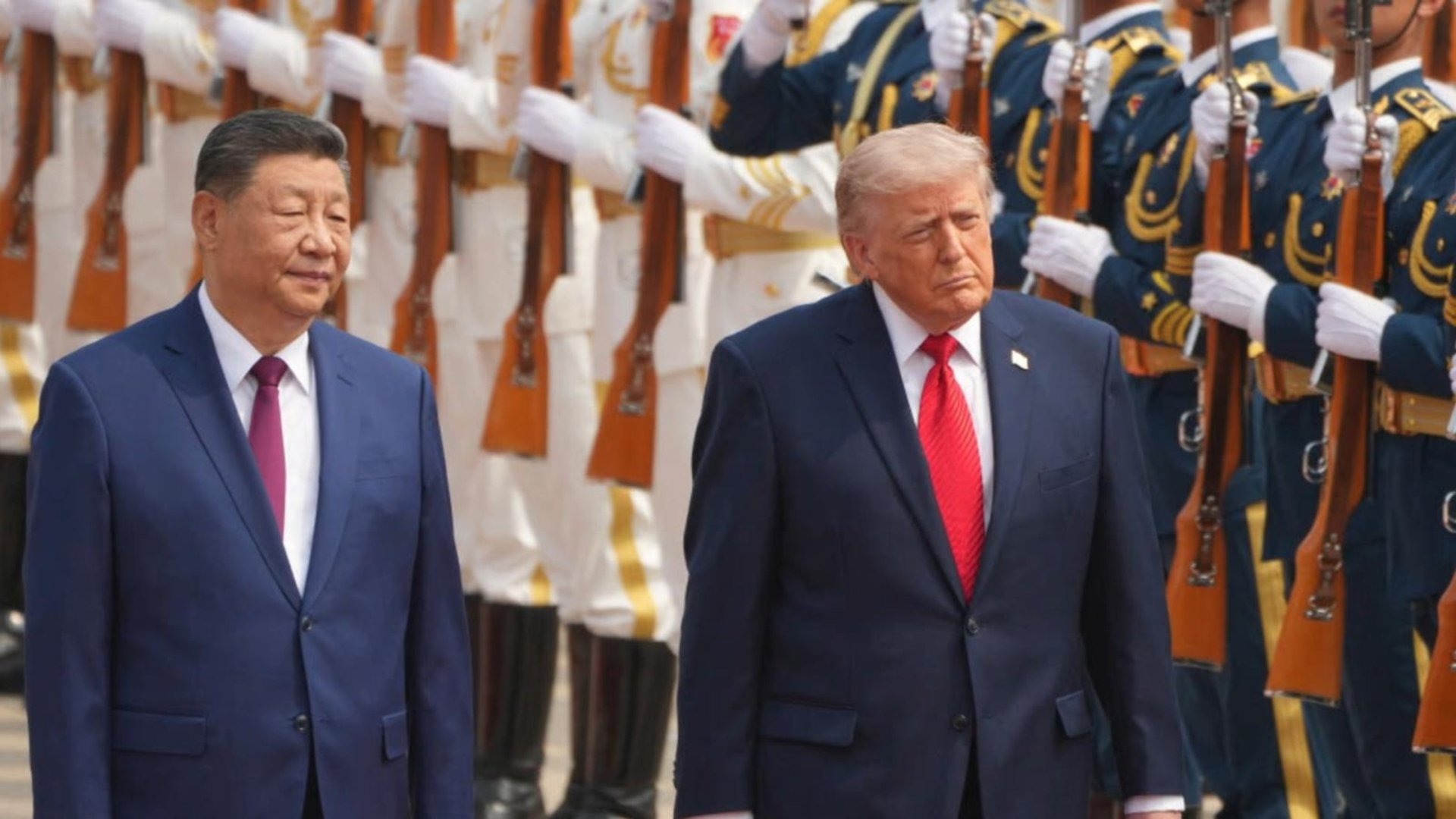
Markets in Hong Kong retreat after investor expectations from a recent policy summit fail to materialize, with technology shares driving losses amid profit-taking and growth concerns.
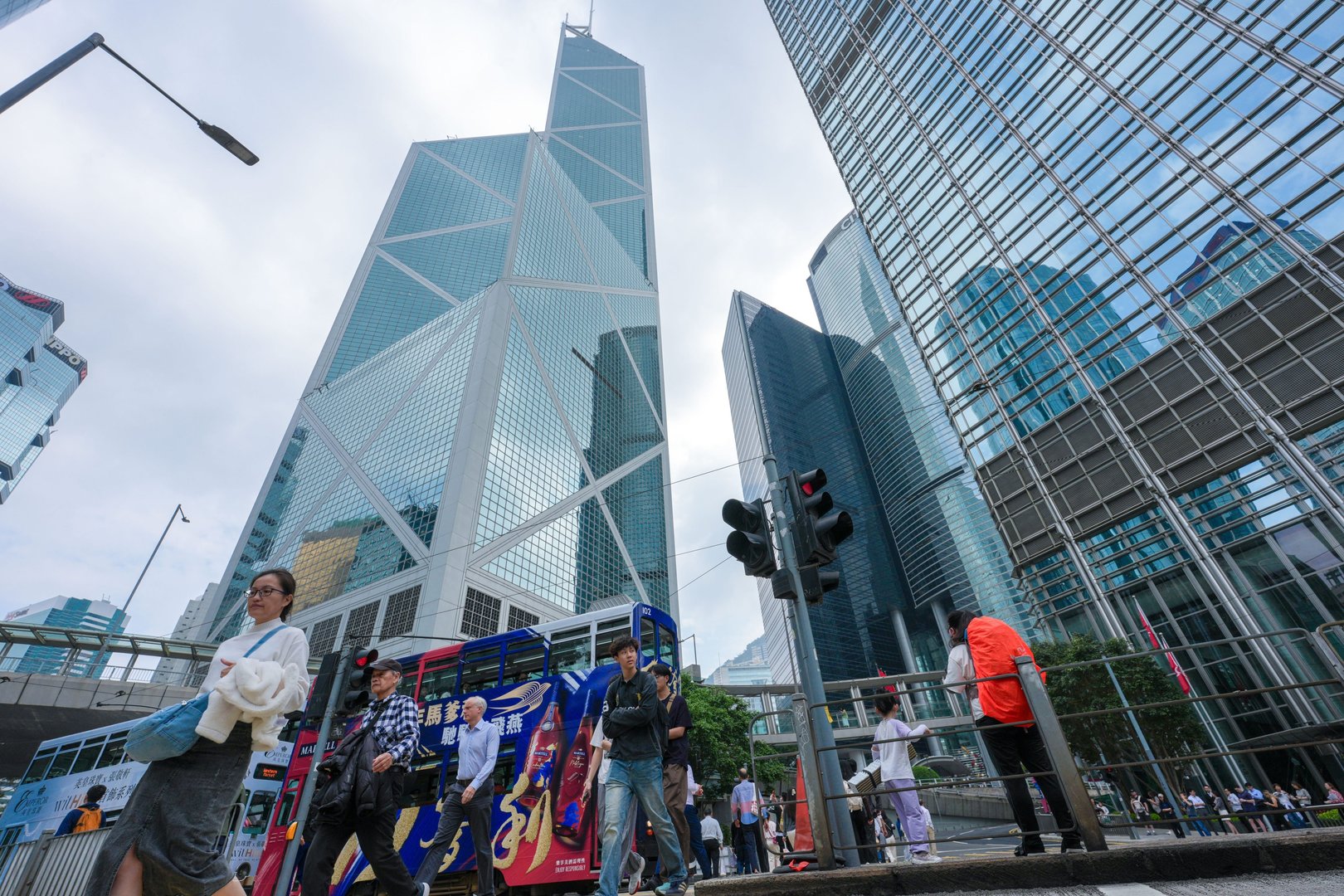
EVENT-DRIVEN market repricing is shaping Hong Kong’s stock performance, as the Hang Seng Index declines following what investors view as disappointment after a recent policy summit failed to deliver stronger-than-expected economic or technology sector stimulus.
The selloff reflects shifting sentiment rather than a single shock, with traders reassessing expectations that had previously driven a short-term rally in Chinese and Hong Kong equities.
What is confirmed is that Hong Kong equities, particularly technology-heavy stocks, led declines as investors reduced exposure to sectors that had previously rallied on hopes of policy support and improved macroeconomic conditions.
The Hang Seng Index, which is heavily weighted toward major Chinese technology and financial firms, has been especially sensitive to changes in sentiment regarding mainland growth and regulatory direction.
The immediate trigger for the downturn is interpreted as a gap between investor expectations and outcomes from a recent high-level policy summit in China, where markets had anticipated clearer signals of fiscal expansion, structural support for the property sector, or more aggressive technology incentives.
The absence of strong new measures led to a reassessment of risk, prompting short-term profit-taking in sectors that had rallied on speculative optimism.
Technology stocks were the primary driver of losses, reflecting their high sensitivity to policy signals, liquidity conditions, and regulatory expectations.
These companies often serve as a proxy for broader investor sentiment toward China’s innovation and growth trajectory, making them particularly volatile when policy communication fails to meet market positioning.
The broader context is a fragile recovery environment for Hong Kong equities, which have been influenced by a combination of domestic economic pressures, uneven mainland China growth, and global interest rate expectations.
Higher global rates have historically reduced the appeal of growth-oriented Asian equities, while domestic uncertainty has limited sustained inflows from international investors.
The mechanism behind the retreat is largely technical as well as psychological.
In markets that are heavily sentiment-driven, especially after a rally phase, disappointment can trigger rapid repositioning.
Algorithmic trading and leveraged positions amplify these movements, accelerating downside pressure once key support levels are breached.
Despite the decline, structural drivers remain unchanged.
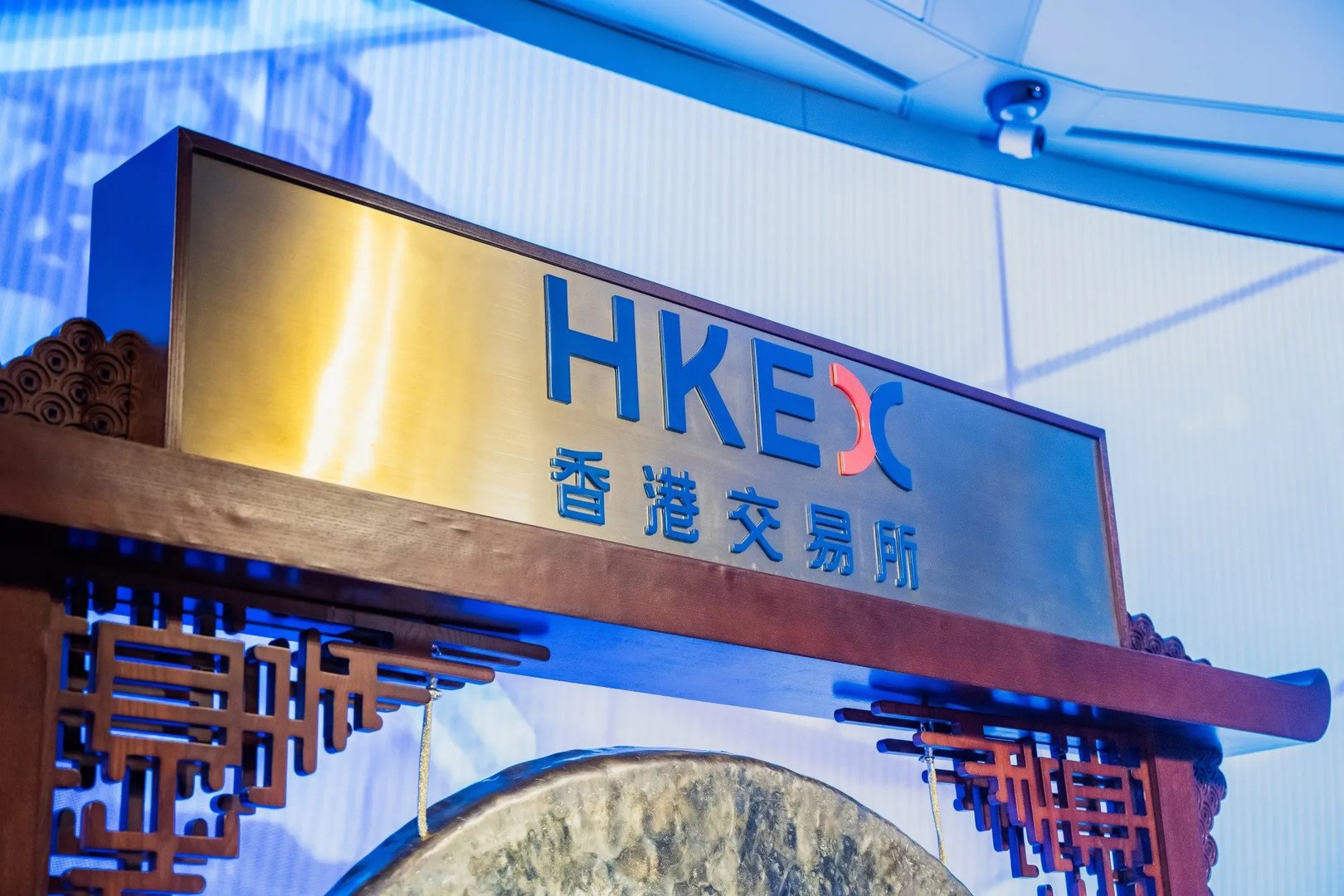
Hong Kong continues to function as a key offshore listing and financing center for Chinese firms, and its exchange remains deeply integrated with mainland capital markets through cross-border trading schemes.
These structural links mean that short-term volatility does not necessarily reflect a breakdown in longer-term market integration.
The immediate implication is that investors are recalibrating expectations around policy support and earnings growth, shifting from optimism-driven positioning toward a more cautious stance.
Market direction in the near term is likely to depend on whether upcoming policy communications or macroeconomic data provide clearer confirmation of sustained economic support or reinforce the current sense of restraint.
The selloff reflects shifting sentiment rather than a single shock, with traders reassessing expectations that had previously driven a short-term rally in Chinese and Hong Kong equities.
What is confirmed is that Hong Kong equities, particularly technology-heavy stocks, led declines as investors reduced exposure to sectors that had previously rallied on hopes of policy support and improved macroeconomic conditions.
The Hang Seng Index, which is heavily weighted toward major Chinese technology and financial firms, has been especially sensitive to changes in sentiment regarding mainland growth and regulatory direction.
The immediate trigger for the downturn is interpreted as a gap between investor expectations and outcomes from a recent high-level policy summit in China, where markets had anticipated clearer signals of fiscal expansion, structural support for the property sector, or more aggressive technology incentives.
The absence of strong new measures led to a reassessment of risk, prompting short-term profit-taking in sectors that had rallied on speculative optimism.
Technology stocks were the primary driver of losses, reflecting their high sensitivity to policy signals, liquidity conditions, and regulatory expectations.
These companies often serve as a proxy for broader investor sentiment toward China’s innovation and growth trajectory, making them particularly volatile when policy communication fails to meet market positioning.
The broader context is a fragile recovery environment for Hong Kong equities, which have been influenced by a combination of domestic economic pressures, uneven mainland China growth, and global interest rate expectations.
Higher global rates have historically reduced the appeal of growth-oriented Asian equities, while domestic uncertainty has limited sustained inflows from international investors.
The mechanism behind the retreat is largely technical as well as psychological.
In markets that are heavily sentiment-driven, especially after a rally phase, disappointment can trigger rapid repositioning.
Algorithmic trading and leveraged positions amplify these movements, accelerating downside pressure once key support levels are breached.
Despite the decline, structural drivers remain unchanged.
Hong Kong continues to function as a key offshore listing and financing center for Chinese firms, and its exchange remains deeply integrated with mainland capital markets through cross-border trading schemes.
These structural links mean that short-term volatility does not necessarily reflect a breakdown in longer-term market integration.
The immediate implication is that investors are recalibrating expectations around policy support and earnings growth, shifting from optimism-driven positioning toward a more cautious stance.
Market direction in the near term is likely to depend on whether upcoming policy communications or macroeconomic data provide clearer confirmation of sustained economic support or reinforce the current sense of restraint.