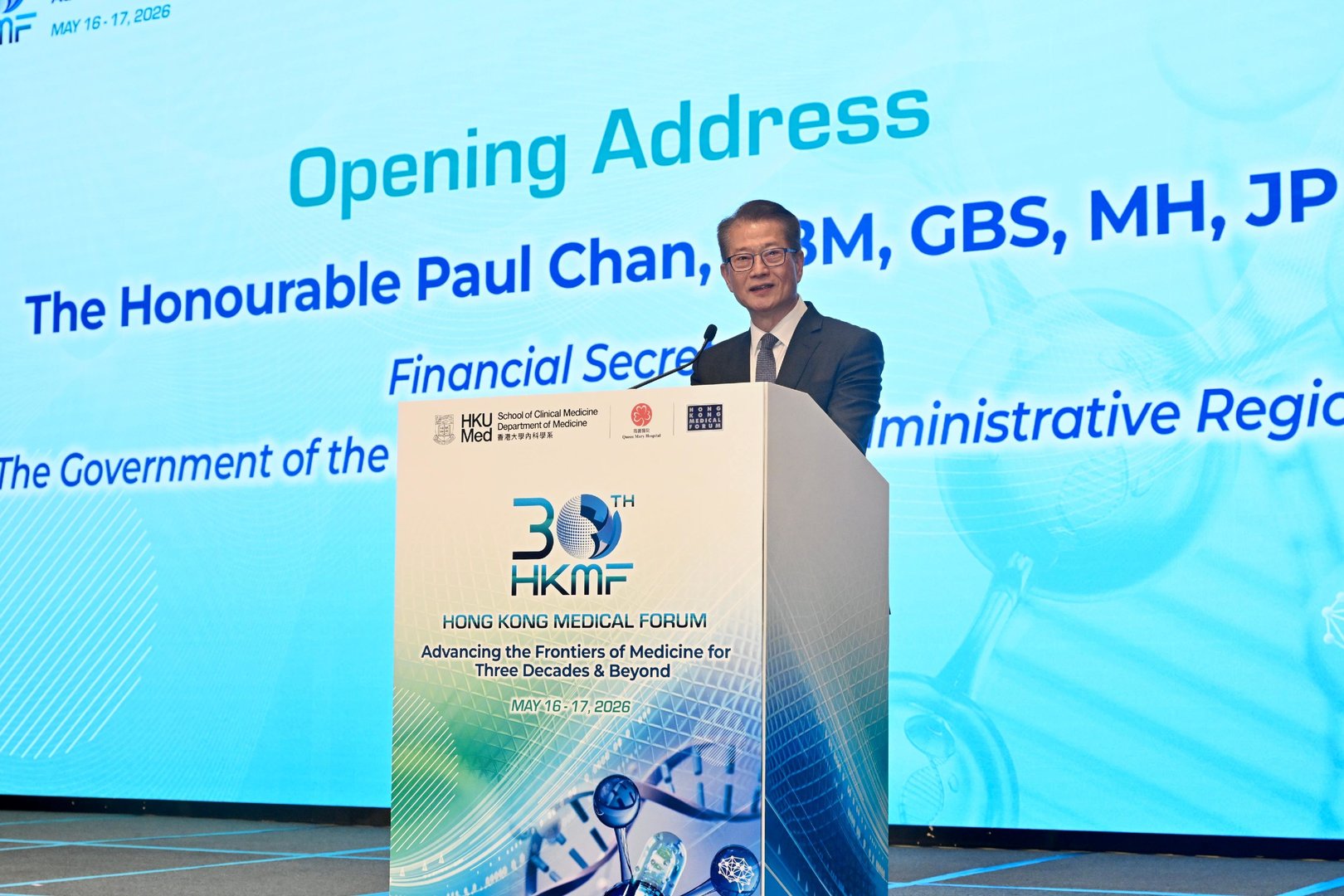
Finance chief Paul Chan embarks on a five-day Europe visit focused on counterterrorism financing cooperation, investment attraction, and repositioning Hong Kong amid shifting global geopolitics
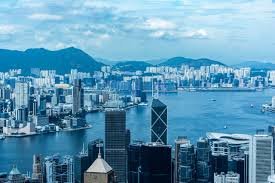
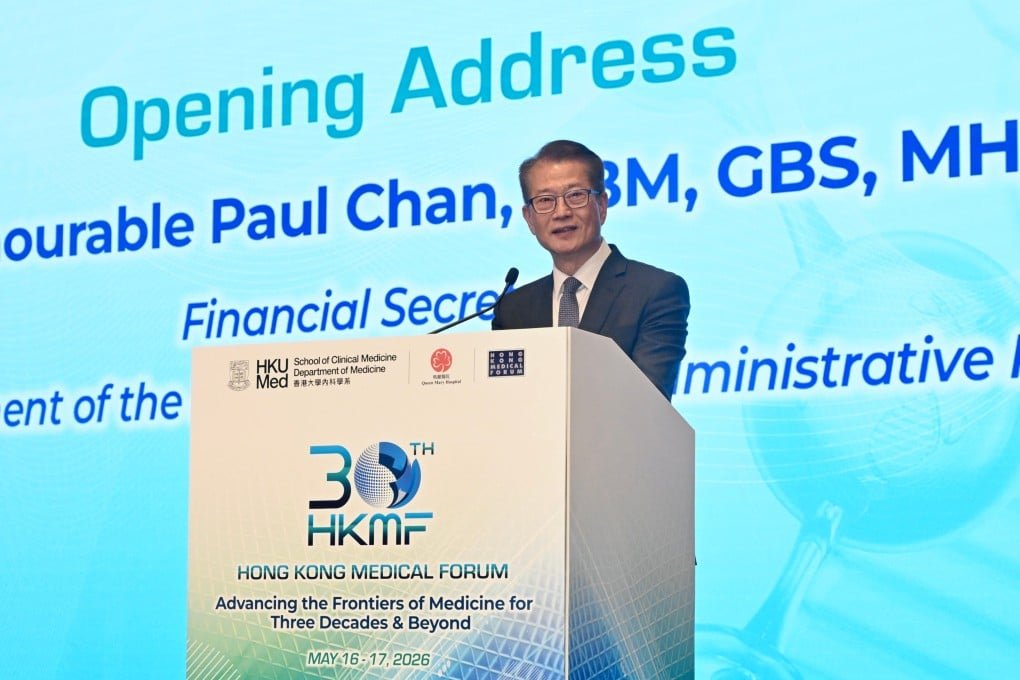
A shifting financial diplomacy framework is shaping Hong Kong’s external economic strategy as Financial Secretary Paul Chan Mo-po begins a five-day official visit to Europe aimed at reinforcing regulatory credibility and attracting international capital.
The trip is positioned around two core objectives: strengthening cooperation on counterterrorism financing standards and promoting Hong Kong as a stable gateway for business expansion into China and broader Asian markets.
The visit comes at a moment when Hong Kong officials are attempting to recalibrate external engagement in response to changing geopolitical conditions.
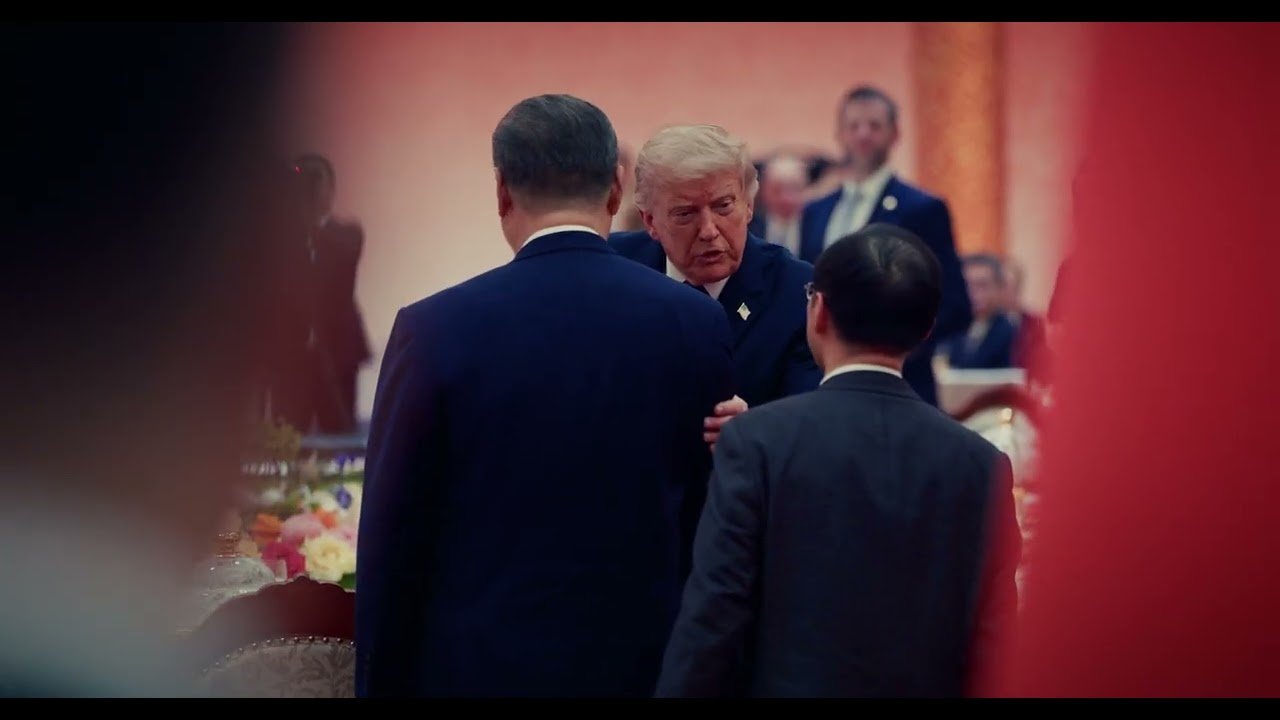
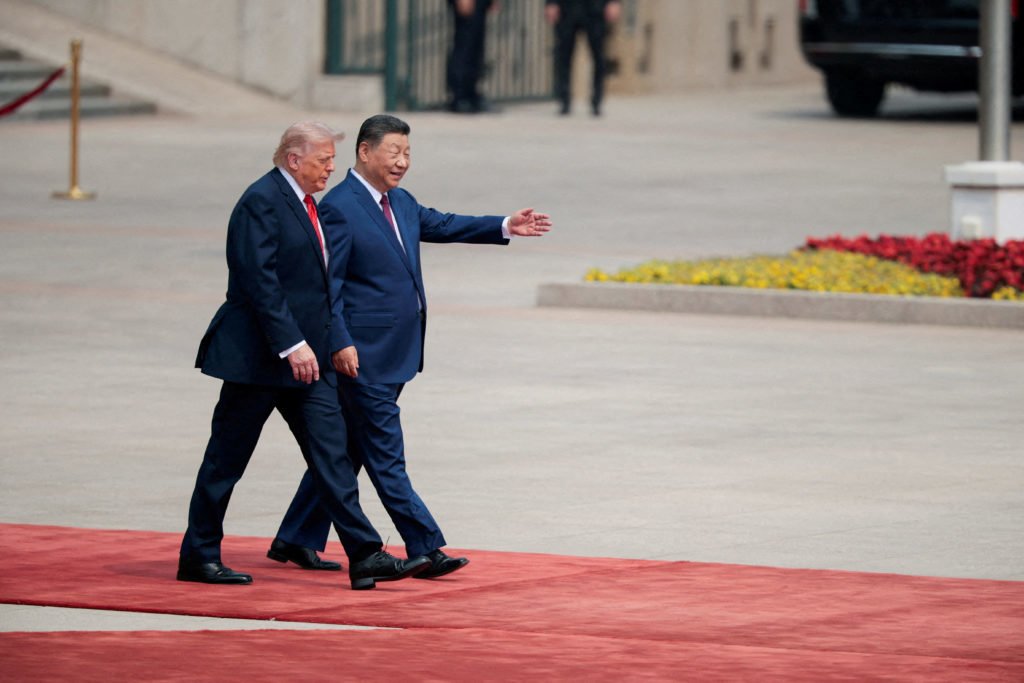
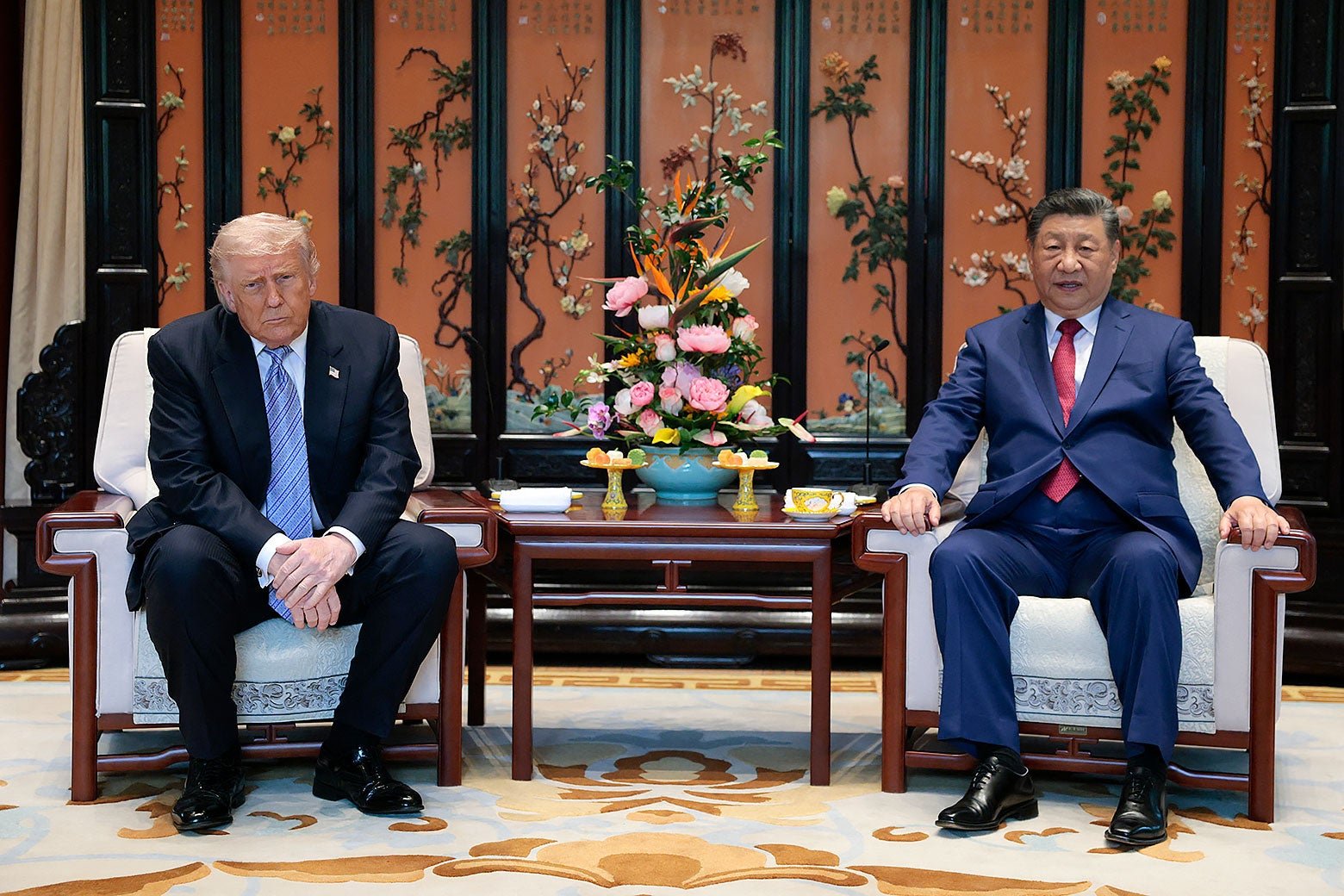
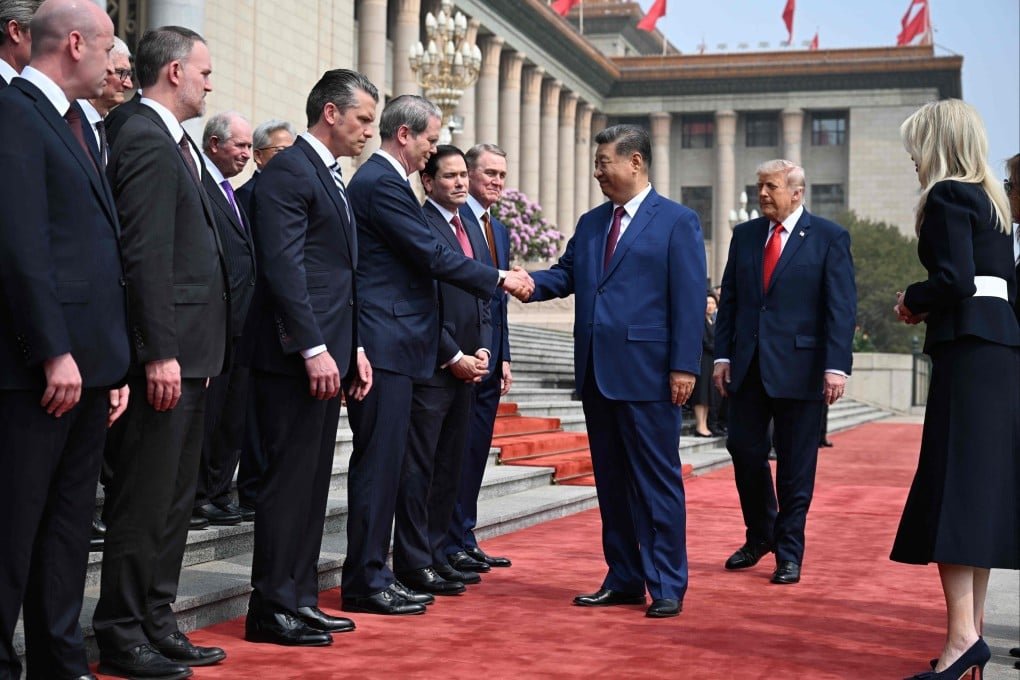
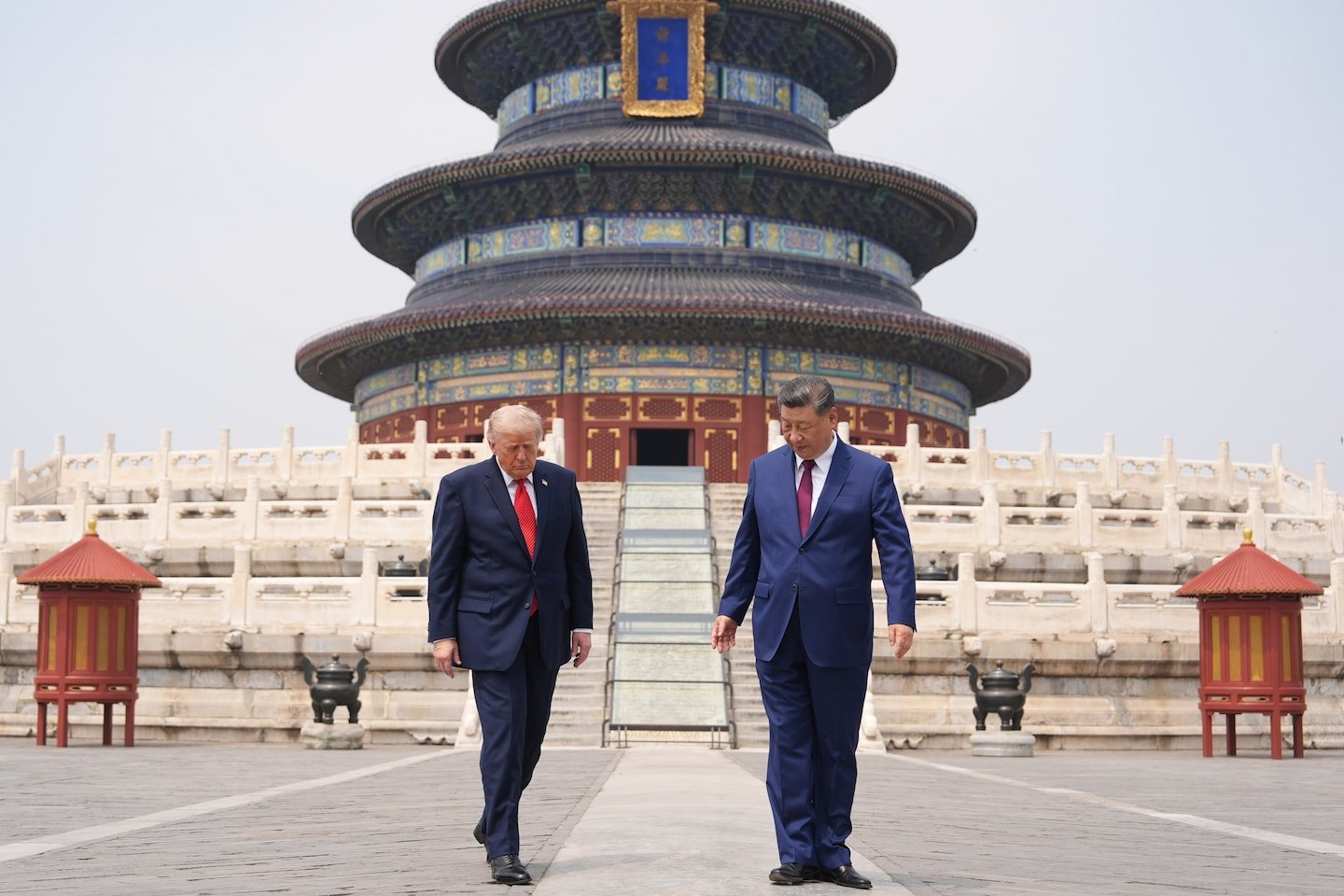
Chan has linked the timing of the outreach to what he describes as a more stabilised international environment following high-level diplomatic activity between major global powers, framing this as an opportunity to deepen economic dialogue with European institutions and financial actors.
The itinerary begins in Paris, where Chan is scheduled to attend a ministerial conference focused on countering the financing of terrorism.
The agenda reflects Hong Kong’s emphasis on aligning with international financial governance standards, particularly those associated with global anti-money laundering and counter-terror frameworks.
Officials have repeatedly pointed to the city’s compliance record in financial regulatory assessments as a pillar of its international financial credibility.
Following the Paris engagements, Chan is expected to travel to Brussels for meetings with European Union institutions as well as political and corporate stakeholders.
These discussions are intended to broaden institutional ties and reinforce Hong Kong’s positioning within global financial networks at a time when cross-border investment flows are increasingly shaped by regulatory scrutiny and geopolitical fragmentation.
Hong Kong authorities have argued that maintaining strong compliance frameworks is essential to sustaining investor confidence.
Chan has highlighted the city’s standing in international evaluations of counterterrorism financing systems, noting that it has been recognised among Asia-Pacific jurisdictions for meeting key compliance benchmarks.
This regulatory positioning is central to Hong Kong’s broader effort to preserve its role as a global financial hub.
At the strategic level, the visit reflects a wider policy effort to manage external perceptions of Hong Kong’s financial system while promoting its connectivity with mainland China.
Officials are increasingly framing international engagement not only as economic diplomacy but also as a mechanism to address concerns from overseas businesses and financial institutions through direct institutional dialogue.
The emphasis on face-to-face engagement underscores a broader shift in Hong Kong’s external strategy, where direct government-to-government and government-to-institution communication is being used to counter uncertainty in global markets.
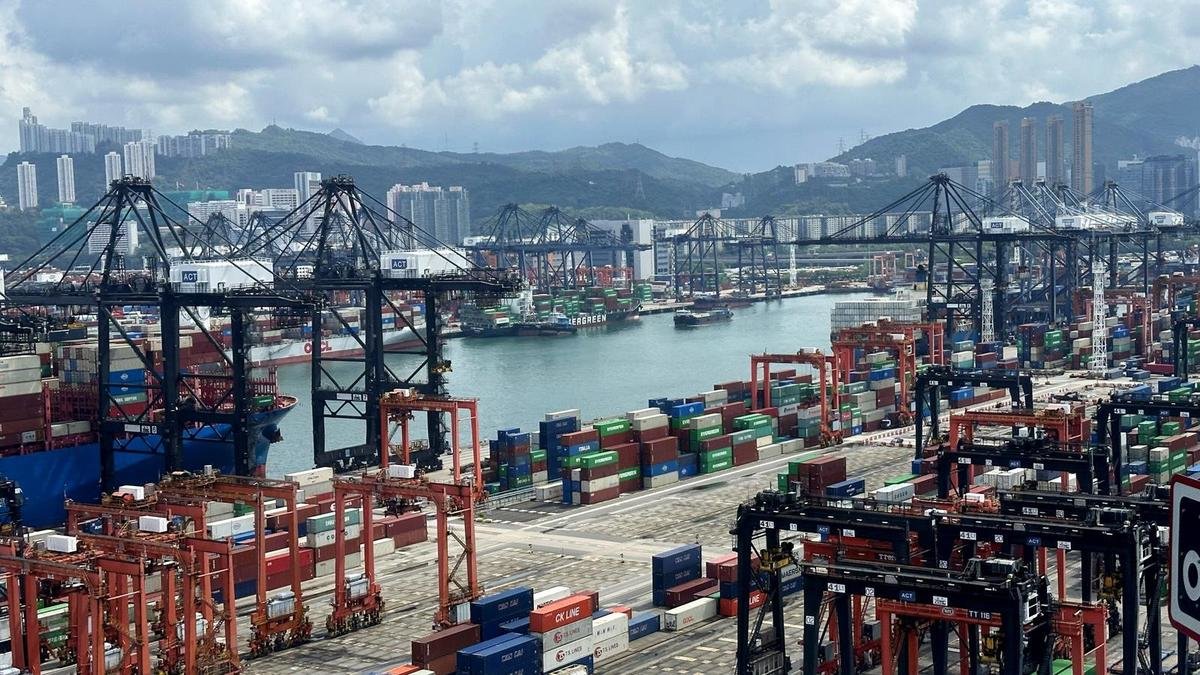
The aim is to reinforce Hong Kong’s position as a stable intermediary platform for capital flows between China and international markets, particularly in an environment defined by regulatory divergence and geopolitical competition.
The Europe visit is therefore not an isolated diplomatic exercise but part of a sustained effort to secure financial integration channels, strengthen compliance legitimacy, and maintain relevance in global capital allocation decisions.
Its outcomes will be measured less in immediate agreements and more in the continuity of institutional access and investor engagement across European financial and policy networks.
The trip is positioned around two core objectives: strengthening cooperation on counterterrorism financing standards and promoting Hong Kong as a stable gateway for business expansion into China and broader Asian markets.
The visit comes at a moment when Hong Kong officials are attempting to recalibrate external engagement in response to changing geopolitical conditions.
Chan has linked the timing of the outreach to what he describes as a more stabilised international environment following high-level diplomatic activity between major global powers, framing this as an opportunity to deepen economic dialogue with European institutions and financial actors.
The itinerary begins in Paris, where Chan is scheduled to attend a ministerial conference focused on countering the financing of terrorism.
The agenda reflects Hong Kong’s emphasis on aligning with international financial governance standards, particularly those associated with global anti-money laundering and counter-terror frameworks.
Officials have repeatedly pointed to the city’s compliance record in financial regulatory assessments as a pillar of its international financial credibility.
Following the Paris engagements, Chan is expected to travel to Brussels for meetings with European Union institutions as well as political and corporate stakeholders.
These discussions are intended to broaden institutional ties and reinforce Hong Kong’s positioning within global financial networks at a time when cross-border investment flows are increasingly shaped by regulatory scrutiny and geopolitical fragmentation.
Hong Kong authorities have argued that maintaining strong compliance frameworks is essential to sustaining investor confidence.
Chan has highlighted the city’s standing in international evaluations of counterterrorism financing systems, noting that it has been recognised among Asia-Pacific jurisdictions for meeting key compliance benchmarks.
This regulatory positioning is central to Hong Kong’s broader effort to preserve its role as a global financial hub.
At the strategic level, the visit reflects a wider policy effort to manage external perceptions of Hong Kong’s financial system while promoting its connectivity with mainland China.
Officials are increasingly framing international engagement not only as economic diplomacy but also as a mechanism to address concerns from overseas businesses and financial institutions through direct institutional dialogue.
The emphasis on face-to-face engagement underscores a broader shift in Hong Kong’s external strategy, where direct government-to-government and government-to-institution communication is being used to counter uncertainty in global markets.
The aim is to reinforce Hong Kong’s position as a stable intermediary platform for capital flows between China and international markets, particularly in an environment defined by regulatory divergence and geopolitical competition.
The Europe visit is therefore not an isolated diplomatic exercise but part of a sustained effort to secure financial integration channels, strengthen compliance legitimacy, and maintain relevance in global capital allocation decisions.
Its outcomes will be measured less in immediate agreements and more in the continuity of institutional access and investor engagement across European financial and policy networks.