Final arguments conclude in a closely watched case that tests how far public remembrance of the 1989 Tiananmen crackdown can be legally constrained under Hong Kong’s national security framework
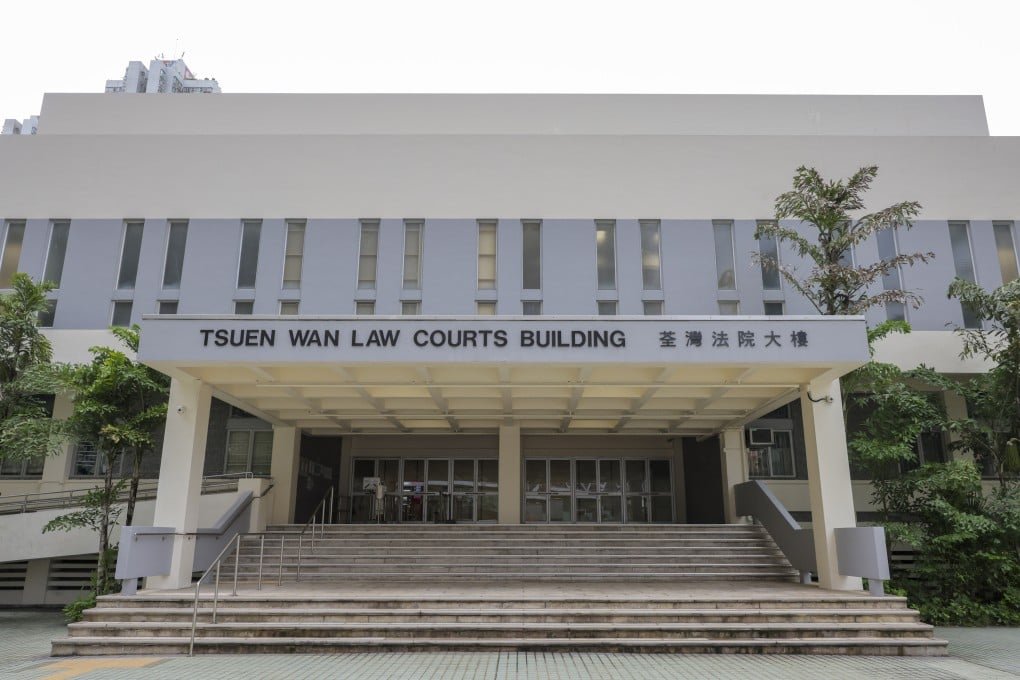
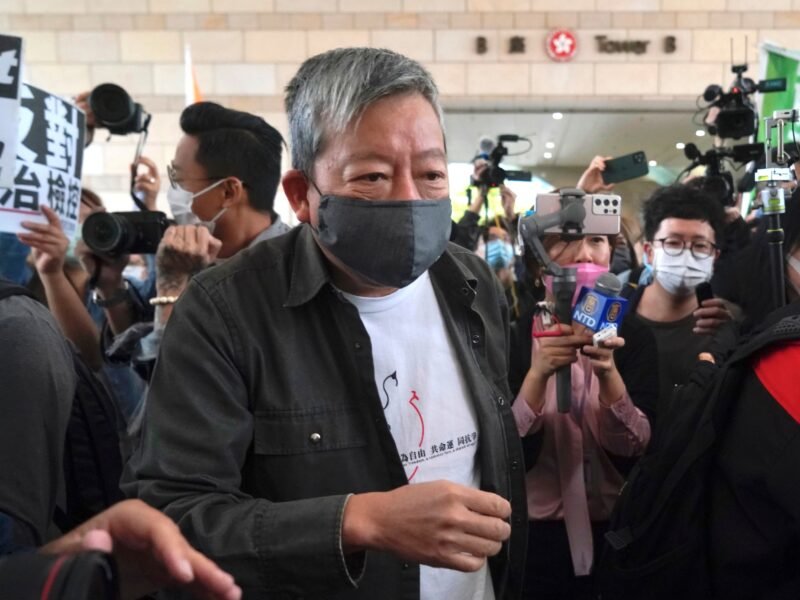
A Hong Kong court has completed final arguments in the trial of former organizers of the city’s annual Tiananmen Square vigil, bringing a long-running and politically sensitive case closer to a verdict expected in July.
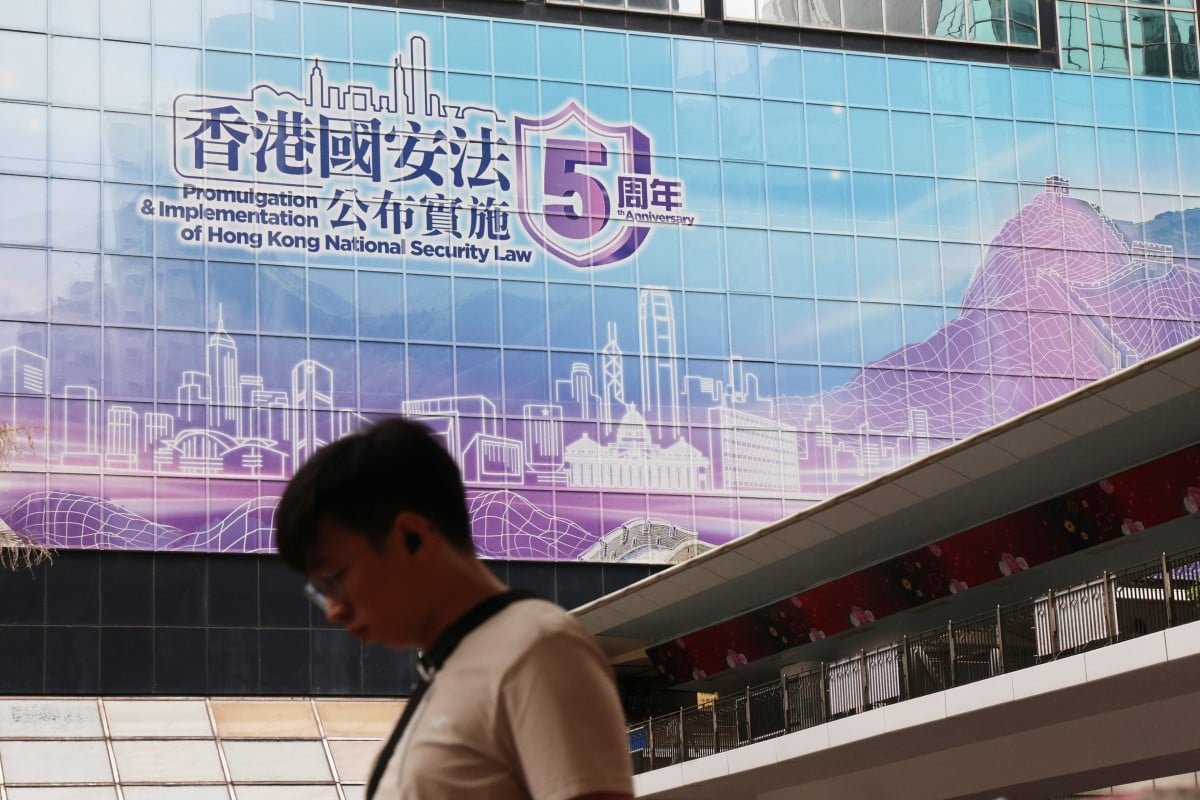
The proceedings center on allegations that the defendants failed to comply with legal requirements governing public assemblies under Hong Kong’s expanded national security and public order framework.
The case is widely viewed as a landmark test of how public remembrance of the 1989 Tiananmen Square crackdown can be conducted in Hong Kong following sweeping changes to protest law and civic space.
What is confirmed is that prosecutors have argued the organizers were legally responsible for ensuring compliance with authorization rules for large public gatherings, while the defense has challenged the interpretation and application of those requirements.
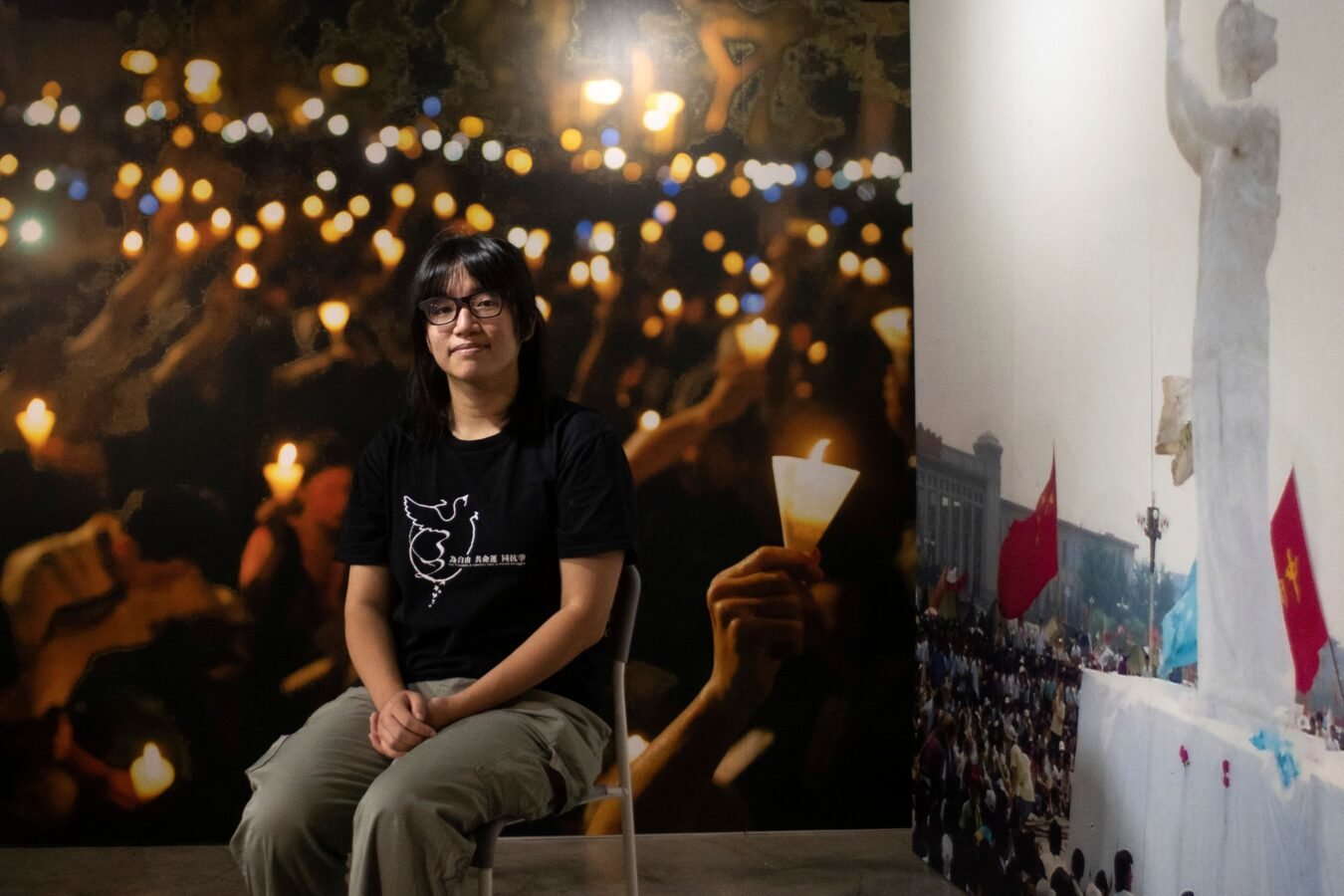
The defendants are associated with groups that previously organized the annual candlelight vigil in Victoria Park, an event that for decades drew large crowds to commemorate the deadly suppression of pro-democracy protests in Beijing in 1989. That vigil was effectively halted in recent years after authorities cited public safety concerns, COVID-era restrictions, and later national security considerations.
The key issue in the case is whether the organizers can be held criminally liable for failing to follow procedural requirements for an event that authorities argue was not properly authorized under current law.
Defense arguments have emphasized the historical role of the vigil as a peaceful assembly and have questioned whether the prosecution effectively criminalizes past civic activity that had long been tolerated.
The trial takes place against the backdrop of a broader restructuring of Hong Kong’s protest environment following the introduction of national security legislation and subsequent amendments to public order rules.
These changes have significantly narrowed the space for unauthorized demonstrations and increased penalties for organizing or participating in unlawful assemblies.
Supporters of the defendants argue that the case represents a further contraction of civic freedoms and the erasure of a once-visible public tradition of remembrance.
Authorities maintain that enforcement actions are necessary to uphold legal order and ensure that public events comply with established approval mechanisms designed to maintain stability.
The court’s forthcoming verdict is expected to clarify how far liability extends for organizers of political or commemorative events under the current legal framework.
It will also likely shape the boundaries of future public gatherings tied to politically sensitive historical events in Hong Kong.
As the case moves toward judgment, it stands as one of the most closely watched legal proceedings in the city’s evolving relationship between public expression, historical memory, and the enforcement of national security law.
The proceedings center on allegations that the defendants failed to comply with legal requirements governing public assemblies under Hong Kong’s expanded national security and public order framework.
The case is widely viewed as a landmark test of how public remembrance of the 1989 Tiananmen Square crackdown can be conducted in Hong Kong following sweeping changes to protest law and civic space.
What is confirmed is that prosecutors have argued the organizers were legally responsible for ensuring compliance with authorization rules for large public gatherings, while the defense has challenged the interpretation and application of those requirements.
The defendants are associated with groups that previously organized the annual candlelight vigil in Victoria Park, an event that for decades drew large crowds to commemorate the deadly suppression of pro-democracy protests in Beijing in 1989. That vigil was effectively halted in recent years after authorities cited public safety concerns, COVID-era restrictions, and later national security considerations.
The key issue in the case is whether the organizers can be held criminally liable for failing to follow procedural requirements for an event that authorities argue was not properly authorized under current law.
Defense arguments have emphasized the historical role of the vigil as a peaceful assembly and have questioned whether the prosecution effectively criminalizes past civic activity that had long been tolerated.
The trial takes place against the backdrop of a broader restructuring of Hong Kong’s protest environment following the introduction of national security legislation and subsequent amendments to public order rules.
These changes have significantly narrowed the space for unauthorized demonstrations and increased penalties for organizing or participating in unlawful assemblies.
Supporters of the defendants argue that the case represents a further contraction of civic freedoms and the erasure of a once-visible public tradition of remembrance.
Authorities maintain that enforcement actions are necessary to uphold legal order and ensure that public events comply with established approval mechanisms designed to maintain stability.
The court’s forthcoming verdict is expected to clarify how far liability extends for organizers of political or commemorative events under the current legal framework.
It will also likely shape the boundaries of future public gatherings tied to politically sensitive historical events in Hong Kong.
As the case moves toward judgment, it stands as one of the most closely watched legal proceedings in the city’s evolving relationship between public expression, historical memory, and the enforcement of national security law.