Filing alleges coordinated actions surrounding port takeover, escalating tensions in global shipping sector
A Hong Kong-based company has initiated arbitration proceedings against shipping giant Maersk, alleging that the firm engaged in coordinated actions with Panamanian authorities in relation to a contested port takeover.
The filing claims that the actions in question affected the company’s commercial interests and were part of a broader scheme tied to control over port operations.
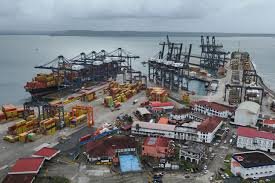
The dispute centres on strategic maritime infrastructure, highlighting the growing importance of ports in global logistics and trade networks.
Maersk, one of the world’s leading shipping and logistics companies, is now expected to respond through formal legal channels as the arbitration process unfolds.
The case introduces a complex legal dimension to an already sensitive commercial and geopolitical issue.
The involvement of Panama adds further significance, given the country’s central role in global shipping through the Panama Canal and its broader port infrastructure.
Control and management of such assets are closely linked to international trade flows and supply chain stability.
Arbitration has become a common mechanism for resolving disputes of this nature, particularly in cross-border commercial conflicts where multiple jurisdictions are involved.
The outcome could have implications for how similar disputes are handled in the maritime sector.
The case also reflects heightened competition and scrutiny in the global shipping industry, where control over key infrastructure is increasingly contested.
Companies are seeking to protect their interests as strategic assets become more valuable.
As proceedings move forward, attention will focus on the legal arguments presented by both sides and the potential impact on operations and partnerships within the international shipping market.
The filing claims that the actions in question affected the company’s commercial interests and were part of a broader scheme tied to control over port operations.
The dispute centres on strategic maritime infrastructure, highlighting the growing importance of ports in global logistics and trade networks.
Maersk, one of the world’s leading shipping and logistics companies, is now expected to respond through formal legal channels as the arbitration process unfolds.
The case introduces a complex legal dimension to an already sensitive commercial and geopolitical issue.
The involvement of Panama adds further significance, given the country’s central role in global shipping through the Panama Canal and its broader port infrastructure.
Control and management of such assets are closely linked to international trade flows and supply chain stability.
Arbitration has become a common mechanism for resolving disputes of this nature, particularly in cross-border commercial conflicts where multiple jurisdictions are involved.
The outcome could have implications for how similar disputes are handled in the maritime sector.
The case also reflects heightened competition and scrutiny in the global shipping industry, where control over key infrastructure is increasingly contested.
Companies are seeking to protect their interests as strategic assets become more valuable.
As proceedings move forward, attention will focus on the legal arguments presented by both sides and the potential impact on operations and partnerships within the international shipping market.