The trial of pro-democracy figures linked to Hong Kong’s former Tiananmen vigil organization resumes under national security charges that continue to reshape civil society in the city.
ACTOR-DRIVEN: The story is driven by Hong Kong’s judicial and national security enforcement system as it continues prosecuting pro-democracy activists connected to the former Hong Kong Alliance in Support of Patriotic Democratic Movements of China, an organization long associated with annual Tiananmen Square commemoration events.
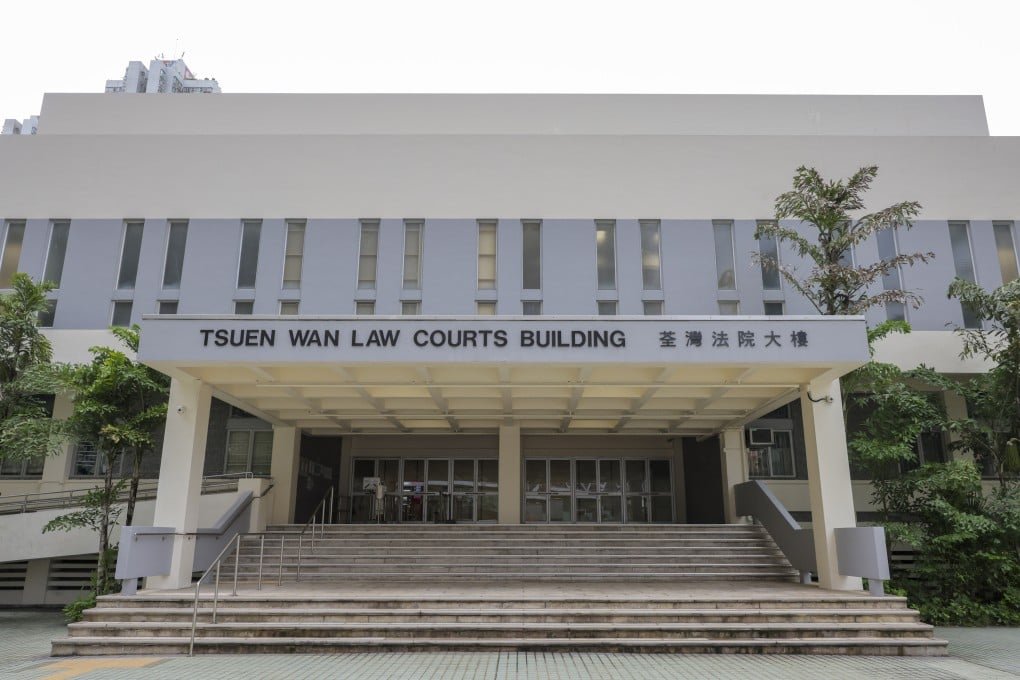
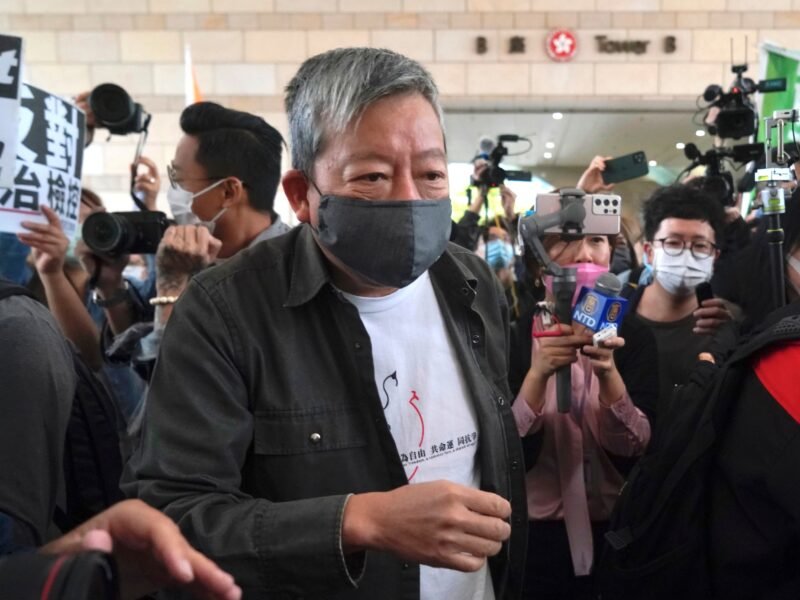
Court proceedings against several activists have resumed in Hong Kong in a case centered on allegations that their activities connected to public commemoration of the 1989 Tiananmen Square crackdown violated national security laws.
The defendants include former organizers and members of groups that once played a central role in coordinating the city’s annual candlelight vigil.
What is confirmed is that Hong Kong authorities dismantled the Alliance and arrested its leaders following the introduction of the National Security Law, which criminalizes secession, subversion, terrorism, and collusion with foreign forces.
Prosecutors have argued in similar cases that organizational activities, fundraising, and public messaging can constitute subversion if they are interpreted as challenging state authority.
The activists and their supporters maintain that their actions were peaceful and centered on remembrance and free expression, and that participation in public commemoration of the Tiananmen crackdown was a longstanding civic tradition in Hong Kong prior to the tightening of security legislation.
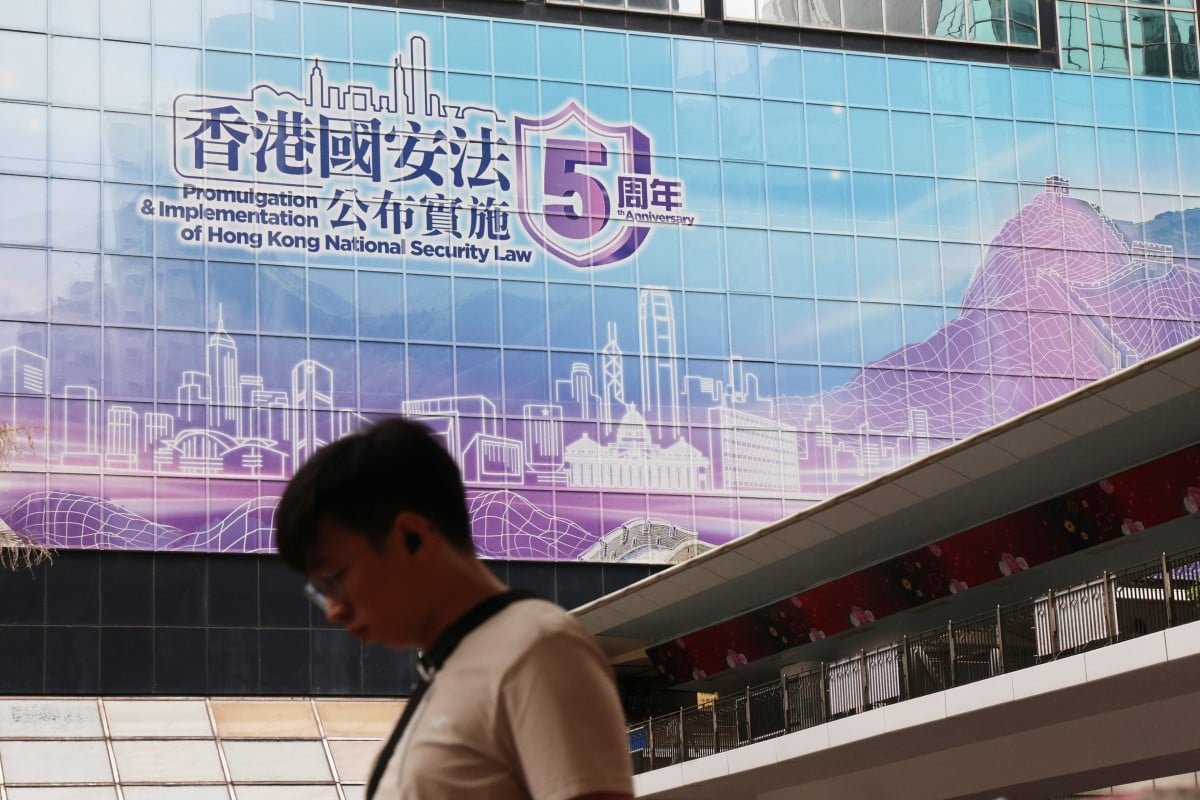
The legal mechanism at the center of the case is the national security framework introduced in 2020, which significantly expanded the scope of prosecutable political activity and shifted parts of the legal process toward specialized courts and procedures with limited jury involvement in certain national security trials.
The proceedings have drawn sustained international attention because they intersect with broader concerns about shrinking civic space in Hong Kong, particularly the decline of large-scale public political gatherings that were once a defining feature of the city’s identity.
Supporters of the prosecutions argue that enforcement of national security law is necessary to maintain stability and prevent activities perceived as organizing political opposition outside legal boundaries.
Critics argue that the law’s broad definitions allow peaceful political expression and historical commemoration to be treated as security threats.
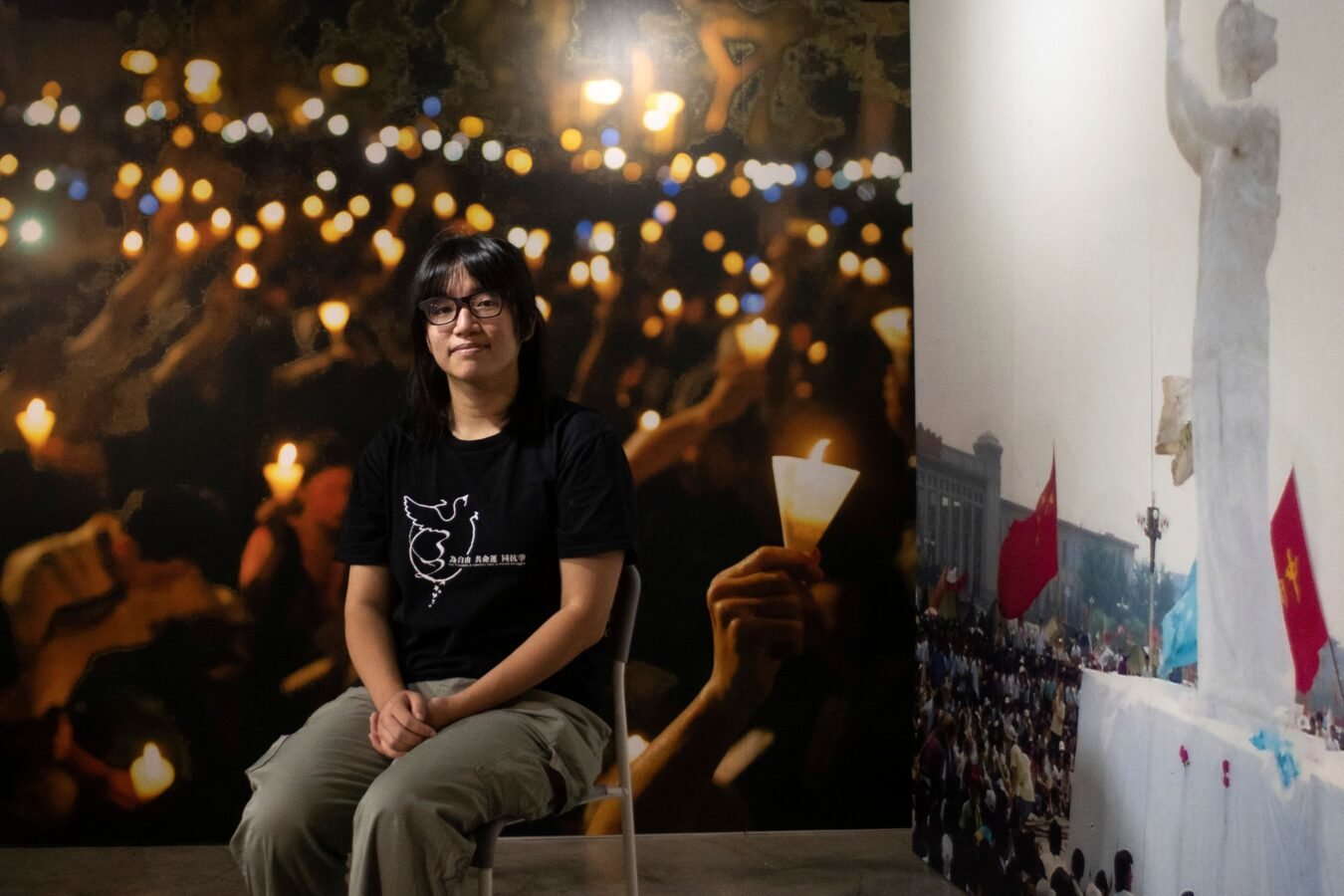
The Tiananmen vigil itself, once held annually in Victoria Park and attended by tens of thousands, has been effectively banned in recent years, with authorities citing public order and security concerns.
Its organizing structure was disbanded after the arrests of its leadership.
The resumed trial reflects a broader pattern of legal follow-through on cases initiated after 2020, where courts are continuing to process prosecutions tied to dissolved civic groups and past organizational activity rather than new public demonstrations.
The immediate consequence of the proceedings is the continued legal exposure of former activists under national security charges, reinforcing a judicial trajectory that has significantly reduced the space for organized political commemoration in Hong Kong.
Court proceedings against several activists have resumed in Hong Kong in a case centered on allegations that their activities connected to public commemoration of the 1989 Tiananmen Square crackdown violated national security laws.
The defendants include former organizers and members of groups that once played a central role in coordinating the city’s annual candlelight vigil.
What is confirmed is that Hong Kong authorities dismantled the Alliance and arrested its leaders following the introduction of the National Security Law, which criminalizes secession, subversion, terrorism, and collusion with foreign forces.
Prosecutors have argued in similar cases that organizational activities, fundraising, and public messaging can constitute subversion if they are interpreted as challenging state authority.
The activists and their supporters maintain that their actions were peaceful and centered on remembrance and free expression, and that participation in public commemoration of the Tiananmen crackdown was a longstanding civic tradition in Hong Kong prior to the tightening of security legislation.
The legal mechanism at the center of the case is the national security framework introduced in 2020, which significantly expanded the scope of prosecutable political activity and shifted parts of the legal process toward specialized courts and procedures with limited jury involvement in certain national security trials.
The proceedings have drawn sustained international attention because they intersect with broader concerns about shrinking civic space in Hong Kong, particularly the decline of large-scale public political gatherings that were once a defining feature of the city’s identity.
Supporters of the prosecutions argue that enforcement of national security law is necessary to maintain stability and prevent activities perceived as organizing political opposition outside legal boundaries.
Critics argue that the law’s broad definitions allow peaceful political expression and historical commemoration to be treated as security threats.
The Tiananmen vigil itself, once held annually in Victoria Park and attended by tens of thousands, has been effectively banned in recent years, with authorities citing public order and security concerns.
Its organizing structure was disbanded after the arrests of its leadership.
The resumed trial reflects a broader pattern of legal follow-through on cases initiated after 2020, where courts are continuing to process prosecutions tied to dissolved civic groups and past organizational activity rather than new public demonstrations.
The immediate consequence of the proceedings is the continued legal exposure of former activists under national security charges, reinforcing a judicial trajectory that has significantly reduced the space for organized political commemoration in Hong Kong.