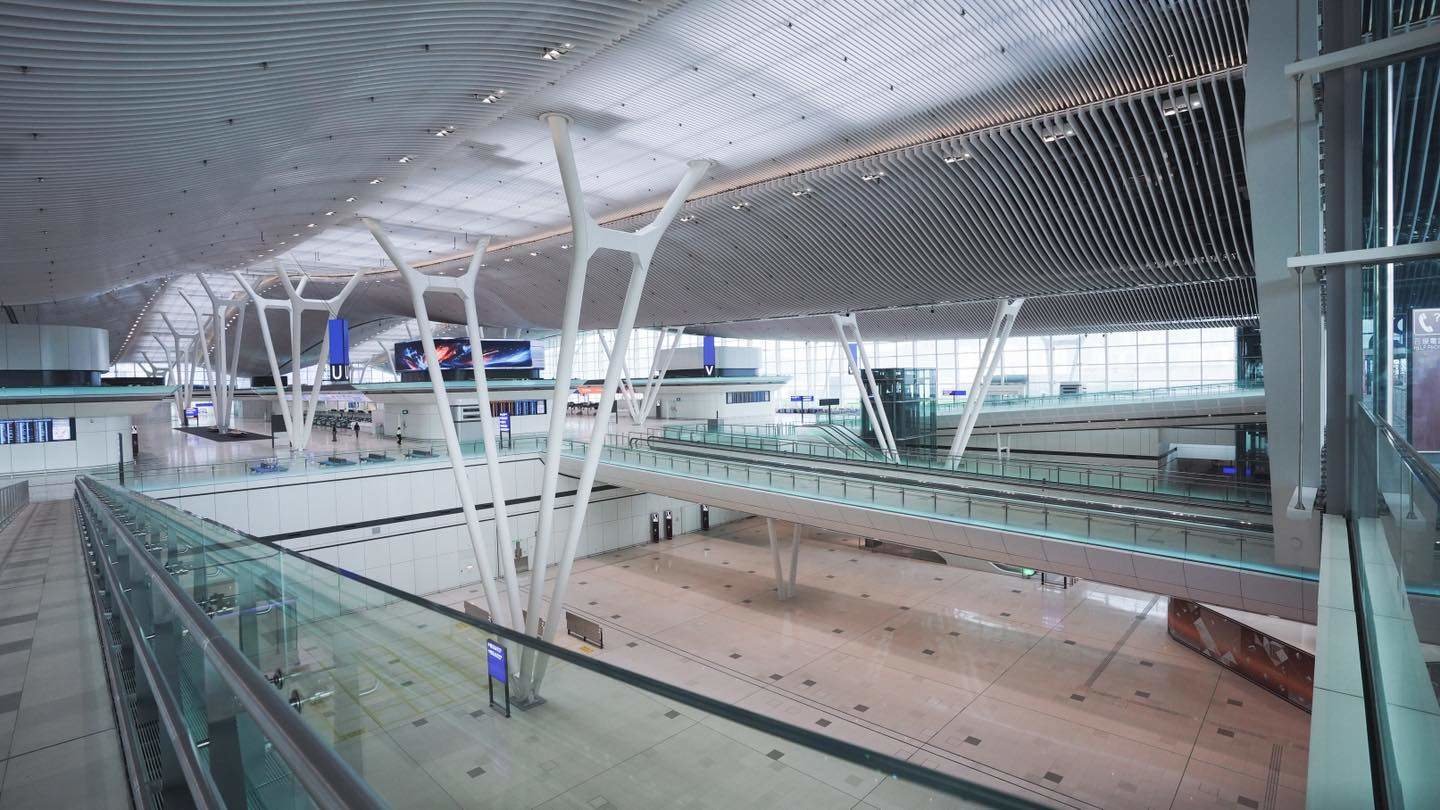
The expanded Terminal 2 at Hong Kong International Airport is set to reshape passenger flow with new check-in systems, transport links, and a redesigned departure experience
SYSTEM-DRIVEN infrastructure expansion is reshaping how passengers move through Hong Kong International Airport, as Terminal 2 is reopened in phases following a long redevelopment project aimed at increasing capacity and modernising operations.
The core change is not cosmetic.
It is a structural redesign of how travellers check in, transfer, and access transport within one of Asia’s busiest aviation hubs.
Terminal 2 has historically functioned as a support terminal, handling tour groups, some check-in services, and parts of the airport’s passenger distribution system.
Under the redevelopment plan, it has been rebuilt and expanded to integrate more deeply into the airport’s core departure and arrival processes.
The goal is to redistribute passenger traffic away from congestion points in Terminal 1 and create a more automated, high-throughput flow system.
For travellers, the most immediate implication is that airport routines will no longer be uniform across airlines and journeys.
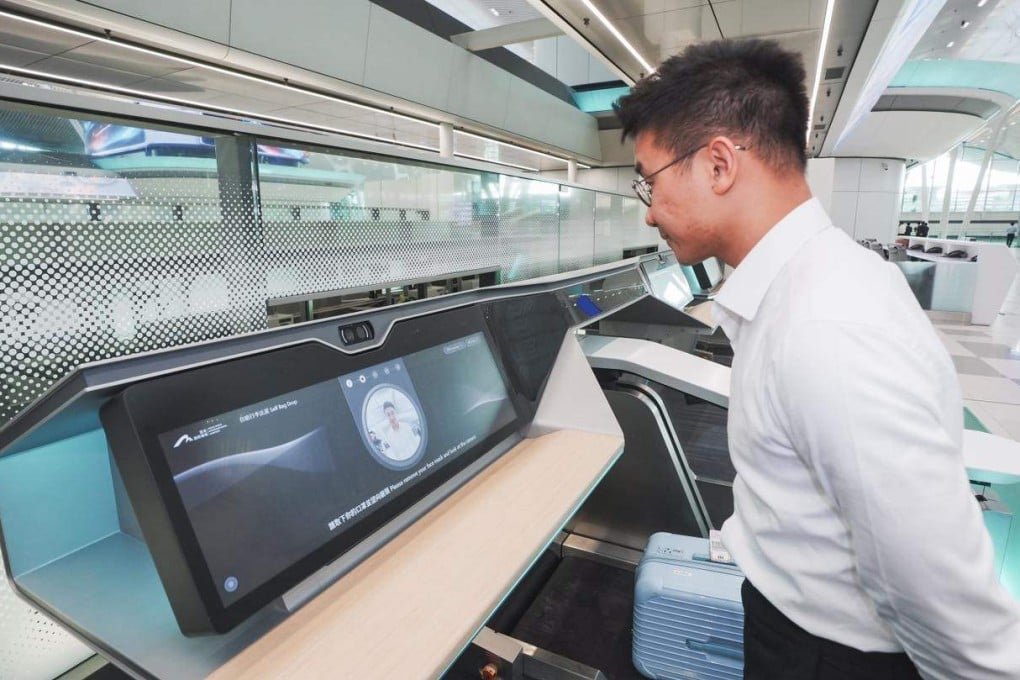
Depending on the carrier and route, passengers may be directed to different check-in zones, including expanded self-service kiosks and automated baggage drop systems located in or connected to Terminal 2. This shift reduces reliance on traditional staffed counters and increases the importance of digital boarding passes and pre-departure online check-in.
A key feature of the upgraded terminal is the integration of transport infrastructure.
Terminal 2 is designed to function as a multimodal access point, linking airport rail services, buses, and passenger drop-off zones more directly with departure processing areas.
This reduces walking distances and is intended to shorten transfer times between ground transport and airside security screening.
Security and immigration flows are also being restructured.
The new layout prioritises parallel processing lanes and expanded screening capacity, designed to reduce bottlenecks during peak departure periods.
For passengers, this means less predictable crowding patterns, but also a higher dependence on signage, digital guidance systems, and automated queue management.
Airlines operating from Hong Kong are expected to adjust their passenger instructions as Terminal 2 functions come fully online.
Travellers may be required to confirm terminal assignments more carefully before arrival, as check-in locations could differ by flight number even within the same airline group.
This increases the importance of checking airport notifications shortly before departure.
The broader stakes of the Terminal 2 expansion extend beyond passenger convenience.
Hong Kong is positioning its airport as a high-capacity regional hub capable of handling long-term traffic growth driven by mainland China, Southeast Asia, and international transfer demand.
The redesign is intended to increase throughput efficiency without requiring proportional expansion of land footprint, relying instead on automation and spatial reallocation.
For passengers, the transition period is likely to involve adjustment friction as systems are phased in.
However, once fully operational, Terminal 2 is expected to reduce congestion pressure on older infrastructure and create a more segmented but faster processing environment, where efficiency is achieved through distribution rather than centralisation.
The core change is not cosmetic.
It is a structural redesign of how travellers check in, transfer, and access transport within one of Asia’s busiest aviation hubs.
Terminal 2 has historically functioned as a support terminal, handling tour groups, some check-in services, and parts of the airport’s passenger distribution system.
Under the redevelopment plan, it has been rebuilt and expanded to integrate more deeply into the airport’s core departure and arrival processes.
The goal is to redistribute passenger traffic away from congestion points in Terminal 1 and create a more automated, high-throughput flow system.
For travellers, the most immediate implication is that airport routines will no longer be uniform across airlines and journeys.
Depending on the carrier and route, passengers may be directed to different check-in zones, including expanded self-service kiosks and automated baggage drop systems located in or connected to Terminal 2. This shift reduces reliance on traditional staffed counters and increases the importance of digital boarding passes and pre-departure online check-in.
A key feature of the upgraded terminal is the integration of transport infrastructure.
Terminal 2 is designed to function as a multimodal access point, linking airport rail services, buses, and passenger drop-off zones more directly with departure processing areas.
This reduces walking distances and is intended to shorten transfer times between ground transport and airside security screening.
Security and immigration flows are also being restructured.
The new layout prioritises parallel processing lanes and expanded screening capacity, designed to reduce bottlenecks during peak departure periods.
For passengers, this means less predictable crowding patterns, but also a higher dependence on signage, digital guidance systems, and automated queue management.
Airlines operating from Hong Kong are expected to adjust their passenger instructions as Terminal 2 functions come fully online.
Travellers may be required to confirm terminal assignments more carefully before arrival, as check-in locations could differ by flight number even within the same airline group.
This increases the importance of checking airport notifications shortly before departure.
The broader stakes of the Terminal 2 expansion extend beyond passenger convenience.
Hong Kong is positioning its airport as a high-capacity regional hub capable of handling long-term traffic growth driven by mainland China, Southeast Asia, and international transfer demand.
The redesign is intended to increase throughput efficiency without requiring proportional expansion of land footprint, relying instead on automation and spatial reallocation.
For passengers, the transition period is likely to involve adjustment friction as systems are phased in.
However, once fully operational, Terminal 2 is expected to reduce congestion pressure on older infrastructure and create a more segmented but faster processing environment, where efficiency is achieved through distribution rather than centralisation.