A suspended officer pleaded guilty to corruption and misconduct charges after accepting cash and gifts to halt a criminal investigation and leak confidential case information.
A corruption case involving a senior Hong Kong police officer has exposed how investigative authority was allegedly traded for cash, after a chief inspector admitted in court to accepting more than HK$1.1 million in bribes in exchange for dropping a criminal investigation and disclosing confidential police information.
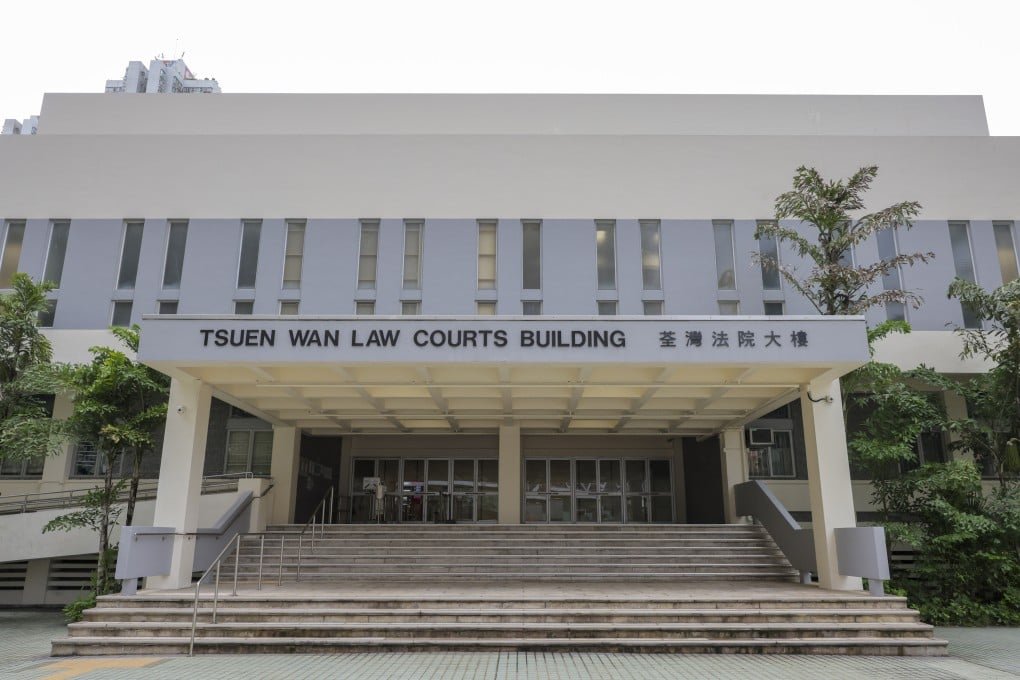
The defendant, 40-year-old chief inspector Ho Siu-tung, entered a guilty plea at Tsuen Wan Court, which handles District Court proceedings, to two counts of accepting advantages as a public servant and two counts of misconduct in public office.
The offences relate to conduct carried out between August 2021 and January 2023 involving a businessman identified as Qu Haipeng.
What is confirmed is that Ho accepted cash and other benefits while actively involved in police work, and in return terminated an investigation and shared sensitive information about additional cases.
The total value of the bribes and gifts was reported at more than HK$1.1 million, equivalent to roughly US$140,000.
Under a plea agreement, prosecutors withdrew a third misconduct charge that had been pending against him.
A separate related charge against his wife, who was accused of assisting in receiving illicit advantages, was left on the court file but not proceeded with at this stage of the case.
The court heard that Ho had met the businessman in June 2021, when the latter reported being the victim of a large-scale scam involving losses of approximately US$17 million.
The relationship between the officer and the complainant later developed into a corrupt arrangement, during which the officer allegedly used his position to influence the handling of investigations.
The mechanism of the offences centres on the abuse of discretionary power within police investigations.
As a chief inspector, Ho had authority and access that enabled him to affect case progression, access internal records, and influence investigative priorities.
That access is what prosecutors say was exploited in exchange for personal financial gain.
The case also highlights internal risks within law enforcement systems where individual officers retain significant operational discretion over active investigations.
When that discretion is compromised, it can directly affect whether cases proceed, whether suspects are charged, and what information remains protected within investigative files.
Ho has been suspended from duty following the allegations.
His guilty plea now moves the case to sentencing, where the court will determine penalties based on the scale of the bribes, the abuse of public office, and the breach of trust involved in his position as a senior officer.
The proceedings underscore how corruption cases involving frontline investigators can undermine broader confidence in policing integrity, particularly in financial crime investigations where large sums and cross-border elements often increase exposure to illicit influence.
The case now proceeds to sentencing, where the court will determine the consequences for the admitted offences and the abuse of public trust at the centre of the conduct.
The defendant, 40-year-old chief inspector Ho Siu-tung, entered a guilty plea at Tsuen Wan Court, which handles District Court proceedings, to two counts of accepting advantages as a public servant and two counts of misconduct in public office.
The offences relate to conduct carried out between August 2021 and January 2023 involving a businessman identified as Qu Haipeng.
What is confirmed is that Ho accepted cash and other benefits while actively involved in police work, and in return terminated an investigation and shared sensitive information about additional cases.
The total value of the bribes and gifts was reported at more than HK$1.1 million, equivalent to roughly US$140,000.
Under a plea agreement, prosecutors withdrew a third misconduct charge that had been pending against him.
A separate related charge against his wife, who was accused of assisting in receiving illicit advantages, was left on the court file but not proceeded with at this stage of the case.
The court heard that Ho had met the businessman in June 2021, when the latter reported being the victim of a large-scale scam involving losses of approximately US$17 million.
The relationship between the officer and the complainant later developed into a corrupt arrangement, during which the officer allegedly used his position to influence the handling of investigations.
The mechanism of the offences centres on the abuse of discretionary power within police investigations.
As a chief inspector, Ho had authority and access that enabled him to affect case progression, access internal records, and influence investigative priorities.
That access is what prosecutors say was exploited in exchange for personal financial gain.
The case also highlights internal risks within law enforcement systems where individual officers retain significant operational discretion over active investigations.
When that discretion is compromised, it can directly affect whether cases proceed, whether suspects are charged, and what information remains protected within investigative files.
Ho has been suspended from duty following the allegations.
His guilty plea now moves the case to sentencing, where the court will determine penalties based on the scale of the bribes, the abuse of public office, and the breach of trust involved in his position as a senior officer.
The proceedings underscore how corruption cases involving frontline investigators can undermine broader confidence in policing integrity, particularly in financial crime investigations where large sums and cross-border elements often increase exposure to illicit influence.
The case now proceeds to sentencing, where the court will determine the consequences for the admitted offences and the abuse of public trust at the centre of the conduct.