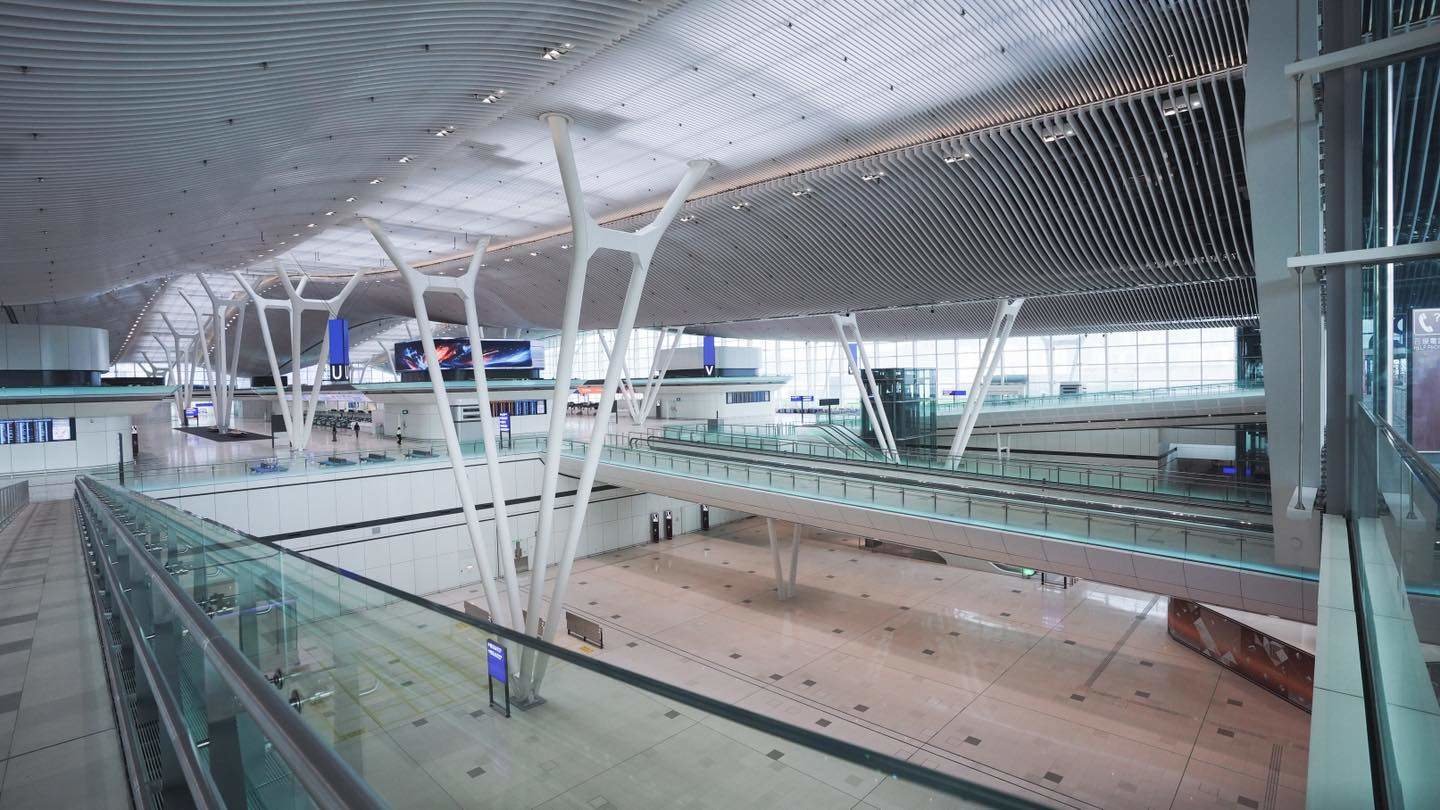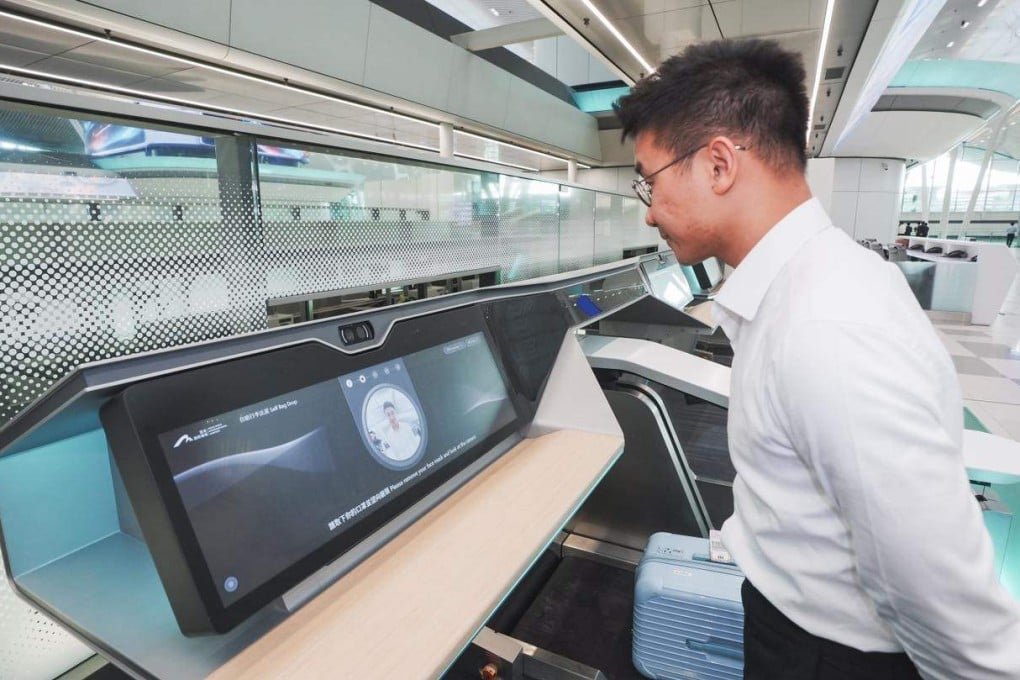
New tech-driven design at Hong Kong International Airport’s Terminal 2 focuses on self-service check-in, automated baggage handling, and data integration to speed up passenger flow and reduce congestion.
SYSTEM-DRIVEN infrastructure modernization is reshaping passenger processing at Hong Kong International Airport, where the upgraded Terminal 2 is being positioned as a technology-enabled hub designed to streamline departures through automation and digital coordination.
The project reflects a broader aviation industry shift toward reducing manual procedures in favor of self-service systems, biometric verification, and integrated data platforms that manage passenger flow in real time.
What is confirmed is that Terminal 2 is being developed with a focus on departure efficiency, incorporating technologies such as self-service check-in kiosks, automated baggage drop systems, and expanded digital wayfinding tools.
These systems are designed to reduce queue times and shift routine passenger interactions away from staffed counters toward automated interfaces.
A key mechanism underpinning the redesign is end-to-end digitization of the departure process.
Instead of passengers moving through disconnected stages—check-in, baggage drop, security screening, and boarding—the system is intended to link these steps through centralized data management.
This allows passenger information to move between systems automatically, reducing redundancy and minimizing physical bottlenecks.
Biometric identification is also expected to play a central role in the upgraded terminal.
By using facial recognition and other identity verification technologies, the airport can reduce reliance on paper documents and repeated manual checks.
This approach is increasingly used in major international airports to accelerate passenger processing while maintaining security standards.
Automated baggage handling is another major component.
Modern systems allow luggage to be tagged, tracked, and routed with minimal human intervention, reducing the likelihood of errors and speeding up transfer between check-in and aircraft loading.
These systems are particularly important in high-volume hubs like Hong Kong, where peak travel periods can create significant congestion.
The broader context for these upgrades is competitive pressure among global aviation hubs.
Airports in Singapore, Dubai, and major cities in China have been investing heavily in smart airport technologies to attract transit traffic and improve passenger experience.
Hong Kong’s modernization of Terminal 2 is part of an effort to maintain its position as a leading international aviation hub in the Asia-Pacific region.
Operationally, the shift toward automation also reflects a labor efficiency strategy.
By reducing reliance on manual check-in and processing staff for routine tasks, airports can reallocate personnel toward security oversight, passenger assistance, and exception handling.
This reconfiguration is intended to improve both cost efficiency and service speed.
The implications extend beyond convenience.
Faster departures and reduced congestion can increase terminal capacity without requiring proportional physical expansion.
However, the effectiveness of the system depends on interoperability between airlines, airport operators, and security agencies, as well as passenger adoption of self-service technologies.
The Terminal 2 upgrade therefore represents not only a physical redevelopment but a structural shift in how passenger journeys are managed from entry to boarding.
The project reflects a broader aviation industry shift toward reducing manual procedures in favor of self-service systems, biometric verification, and integrated data platforms that manage passenger flow in real time.
What is confirmed is that Terminal 2 is being developed with a focus on departure efficiency, incorporating technologies such as self-service check-in kiosks, automated baggage drop systems, and expanded digital wayfinding tools.
These systems are designed to reduce queue times and shift routine passenger interactions away from staffed counters toward automated interfaces.
A key mechanism underpinning the redesign is end-to-end digitization of the departure process.
Instead of passengers moving through disconnected stages—check-in, baggage drop, security screening, and boarding—the system is intended to link these steps through centralized data management.
This allows passenger information to move between systems automatically, reducing redundancy and minimizing physical bottlenecks.
Biometric identification is also expected to play a central role in the upgraded terminal.
By using facial recognition and other identity verification technologies, the airport can reduce reliance on paper documents and repeated manual checks.
This approach is increasingly used in major international airports to accelerate passenger processing while maintaining security standards.
Automated baggage handling is another major component.
Modern systems allow luggage to be tagged, tracked, and routed with minimal human intervention, reducing the likelihood of errors and speeding up transfer between check-in and aircraft loading.
These systems are particularly important in high-volume hubs like Hong Kong, where peak travel periods can create significant congestion.
The broader context for these upgrades is competitive pressure among global aviation hubs.
Airports in Singapore, Dubai, and major cities in China have been investing heavily in smart airport technologies to attract transit traffic and improve passenger experience.
Hong Kong’s modernization of Terminal 2 is part of an effort to maintain its position as a leading international aviation hub in the Asia-Pacific region.
Operationally, the shift toward automation also reflects a labor efficiency strategy.
By reducing reliance on manual check-in and processing staff for routine tasks, airports can reallocate personnel toward security oversight, passenger assistance, and exception handling.
This reconfiguration is intended to improve both cost efficiency and service speed.
The implications extend beyond convenience.
Faster departures and reduced congestion can increase terminal capacity without requiring proportional physical expansion.
However, the effectiveness of the system depends on interoperability between airlines, airport operators, and security agencies, as well as passenger adoption of self-service technologies.
The Terminal 2 upgrade therefore represents not only a physical redevelopment but a structural shift in how passenger journeys are managed from entry to boarding.