The automaker is extending its fuel-cell ambitions through new regional infrastructure efforts aimed at building a hydrogen ecosystem beyond Korea and mainland China.
SYSTEM-DRIVEN: The story is driven by the development of hydrogen energy infrastructure and automotive fuel-cell deployment strategy across the Asia-Pacific region, where governments and manufacturers are attempting to build early-stage commercial hydrogen ecosystems.
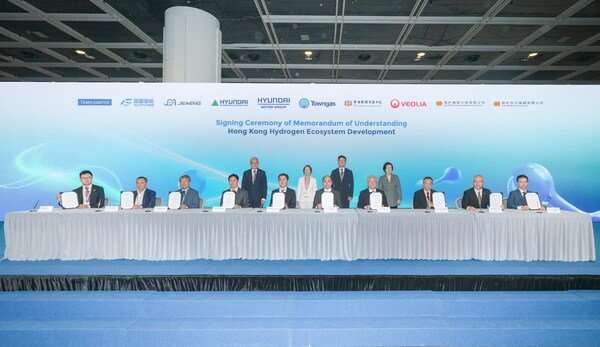
Hyundai is expanding its hydrogen strategy in Asia-Pacific with a new initiative that includes a pilot project in Hong Kong, signaling a broader push to establish hydrogen as a practical fuel source for transport and industrial applications beyond its domestic South Korean market.
What is confirmed is that Hyundai has been one of the most active global automakers investing in hydrogen fuel-cell technology, alongside battery electric vehicles.
The company’s hydrogen division has focused on fuel-cell systems capable of powering passenger cars, commercial trucks, buses, and stationary energy systems, positioning hydrogen as a complementary pathway to full electrification.
The Hong Kong initiative is part of a regional expansion strategy aimed at testing hydrogen deployment in dense urban environments where transportation demand, air quality concerns, and limited land availability create pressure for alternative energy systems.
Hydrogen fuel-cell vehicles operate by converting stored hydrogen into electricity, emitting only water vapor as a byproduct.
The pilot project reflects a broader attempt to develop supporting infrastructure, including hydrogen production, storage, and refueling systems.
Unlike battery electric vehicles, hydrogen mobility depends heavily on a parallel supply network, which remains one of the primary constraints on large-scale adoption globally.
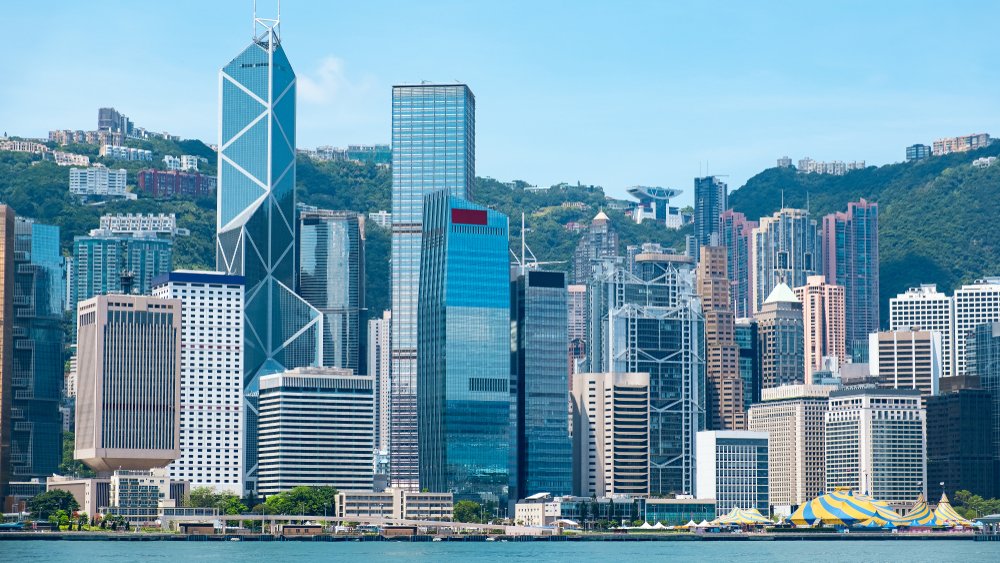
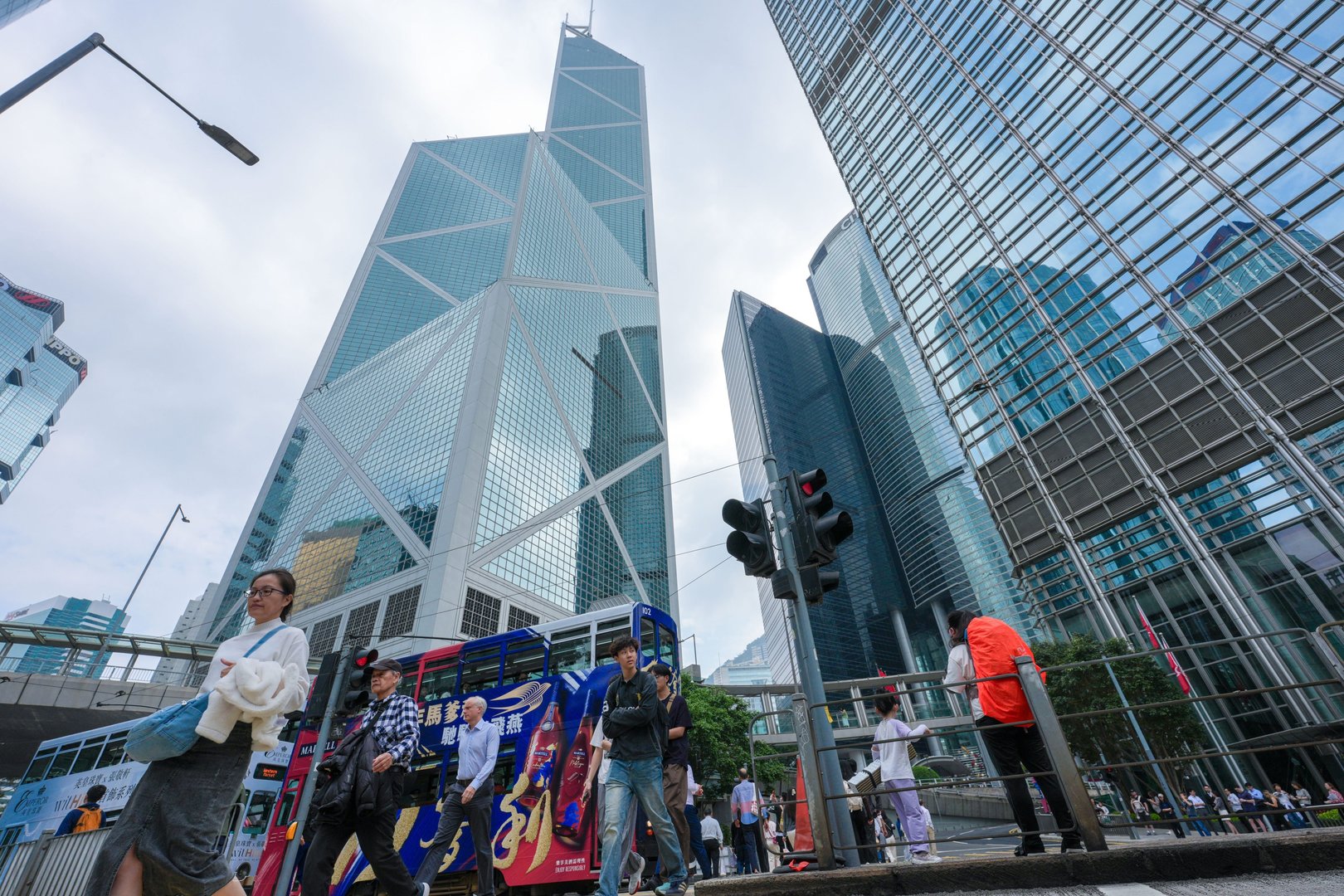
Hong Kong’s role in the initiative is significant because of its compact geography and high-density transport system, which makes it a potential test case for fleet-based hydrogen applications such as buses, logistics vehicles, and government transport services rather than private consumer cars.
The expansion across Asia-Pacific reflects Hyundai’s strategy to diversify hydrogen deployment beyond early pilot markets in South Korea and selected European locations.
The company has repeatedly emphasized that hydrogen could play a key role in decarbonizing sectors where battery electrification faces limitations, particularly heavy-duty transport and long-range logistics.
However, hydrogen adoption faces structural challenges, including high production costs for green hydrogen, limited refueling infrastructure, and energy losses in the conversion process compared to direct electrification.
These constraints have slowed large-scale commercial uptake despite strong policy interest in several countries.
The Hong Kong project therefore functions less as a mass-market rollout and more as a systems test for logistics, regulatory coordination, and urban integration of hydrogen mobility technologies.
It is designed to evaluate how fuel-cell vehicles perform in real-world city conditions alongside emerging infrastructure.
If successful, the initiative could strengthen Hyundai’s position in the global hydrogen sector and support broader regional investment in hydrogen corridors across Asia-Pacific, linking production hubs, transport networks, and early adopter cities into a coordinated energy transition framework.
Hyundai is expanding its hydrogen strategy in Asia-Pacific with a new initiative that includes a pilot project in Hong Kong, signaling a broader push to establish hydrogen as a practical fuel source for transport and industrial applications beyond its domestic South Korean market.
What is confirmed is that Hyundai has been one of the most active global automakers investing in hydrogen fuel-cell technology, alongside battery electric vehicles.
The company’s hydrogen division has focused on fuel-cell systems capable of powering passenger cars, commercial trucks, buses, and stationary energy systems, positioning hydrogen as a complementary pathway to full electrification.
The Hong Kong initiative is part of a regional expansion strategy aimed at testing hydrogen deployment in dense urban environments where transportation demand, air quality concerns, and limited land availability create pressure for alternative energy systems.
Hydrogen fuel-cell vehicles operate by converting stored hydrogen into electricity, emitting only water vapor as a byproduct.
The pilot project reflects a broader attempt to develop supporting infrastructure, including hydrogen production, storage, and refueling systems.
Unlike battery electric vehicles, hydrogen mobility depends heavily on a parallel supply network, which remains one of the primary constraints on large-scale adoption globally.
Hong Kong’s role in the initiative is significant because of its compact geography and high-density transport system, which makes it a potential test case for fleet-based hydrogen applications such as buses, logistics vehicles, and government transport services rather than private consumer cars.
The expansion across Asia-Pacific reflects Hyundai’s strategy to diversify hydrogen deployment beyond early pilot markets in South Korea and selected European locations.
The company has repeatedly emphasized that hydrogen could play a key role in decarbonizing sectors where battery electrification faces limitations, particularly heavy-duty transport and long-range logistics.
However, hydrogen adoption faces structural challenges, including high production costs for green hydrogen, limited refueling infrastructure, and energy losses in the conversion process compared to direct electrification.
These constraints have slowed large-scale commercial uptake despite strong policy interest in several countries.
The Hong Kong project therefore functions less as a mass-market rollout and more as a systems test for logistics, regulatory coordination, and urban integration of hydrogen mobility technologies.
It is designed to evaluate how fuel-cell vehicles perform in real-world city conditions alongside emerging infrastructure.
If successful, the initiative could strengthen Hyundai’s position in the global hydrogen sector and support broader regional investment in hydrogen corridors across Asia-Pacific, linking production hubs, transport networks, and early adopter cities into a coordinated energy transition framework.