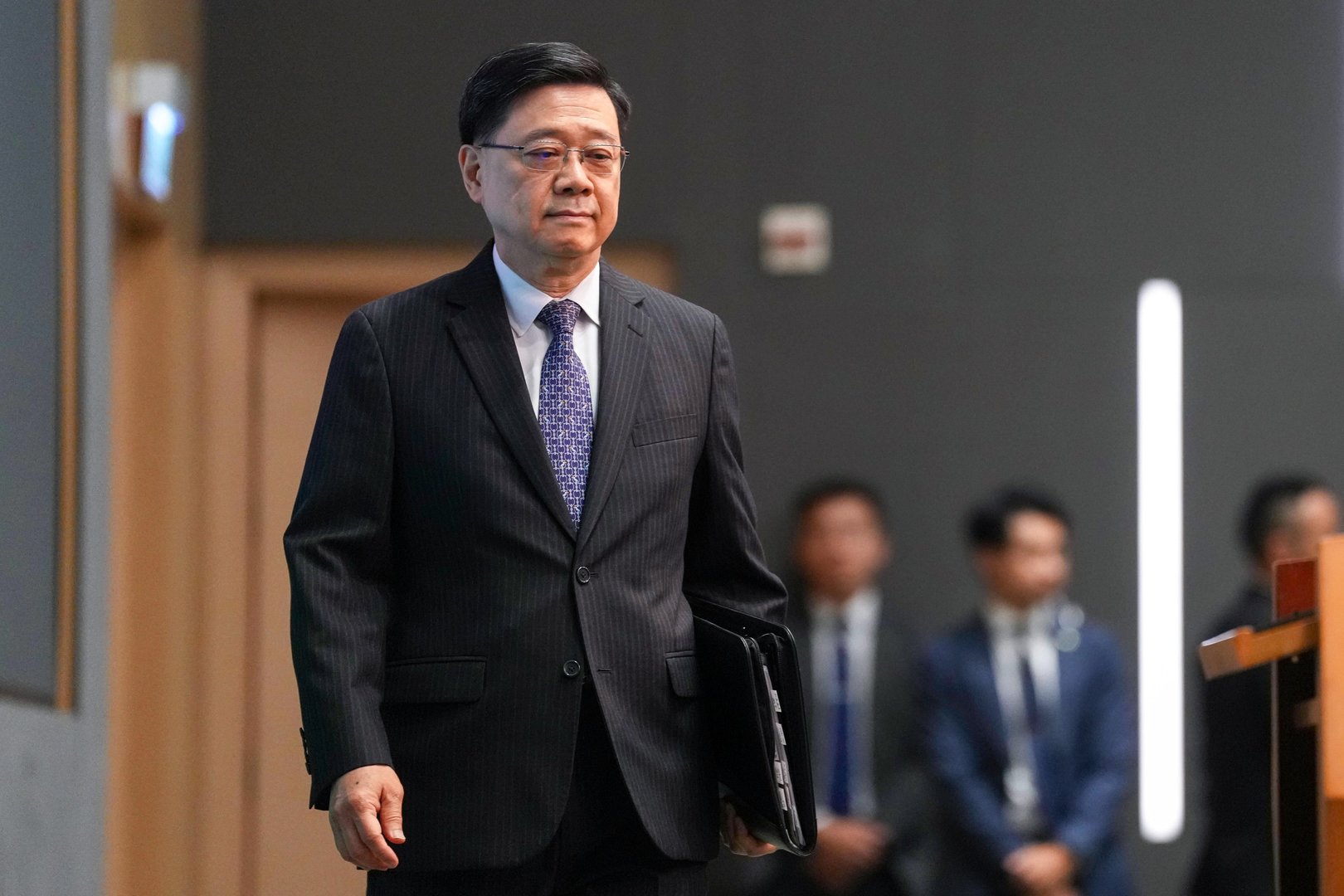
Chief Executive John Lee will visit two Belt and Road partners in June with over 60 business leaders, aiming to deepen trade, finance, and infrastructure ties with fast-growing Central Asian economies.
SYSTEM-DRIVEN dynamics in Hong Kong’s external economic strategy are driving a major shift toward Central Asia, as Chief Executive John Lee prepares to lead the city’s largest-ever overseas delegation to Kazakhstan and Uzbekistan.
The move reflects an institutional push to reposition Hong Kong as a financial and logistics gateway linking East Asia with emerging markets along the Belt and Road network.
What is confirmed is that the five-day visit will take place in early June and will be Lee’s first official trip to both countries since taking office.
The delegation will include more than 60 senior business representatives alongside government officials, making it the largest foreign mission of his administration to date and exceeding previous trips to the Middle East.
The group is split roughly between Hong Kong-based executives and mainland Chinese entrepreneurs across sectors including logistics, finance, energy, mining, and technology.
The planned visits will cover Astana and Tashkent, the capitals of Kazakhstan and Uzbekistan, two economies that Hong Kong officials describe as key gateways into Central Asia.
Kazakhstan is currently Hong Kong’s largest trading partner in the region, while Uzbekistan is identified as one of its fastest-growing economic engines, with a large and youthful population and ongoing industrial diversification.
The core mechanism underpinning the visit is a “hub-to-hub” cooperation model.
Under this framework, Hong Kong positions itself as a capital-raising and financial services hub connecting Central Asian resource and manufacturing economies to global investors, while Kazakhstan and Uzbekistan serve as entry points for foreign capital into the wider region.
Officials have explicitly framed the strategy as an effort to strengthen long-term trade infrastructure rather than pursue short-term commercial deals.
Economic engagement between Hong Kong and Central Asia has been accelerating in recent years.
Kazakhstan has already issued offshore renminbi-denominated bonds in Hong Kong, and financial institutions in the region have increasingly used the city’s capital markets for fundraising.
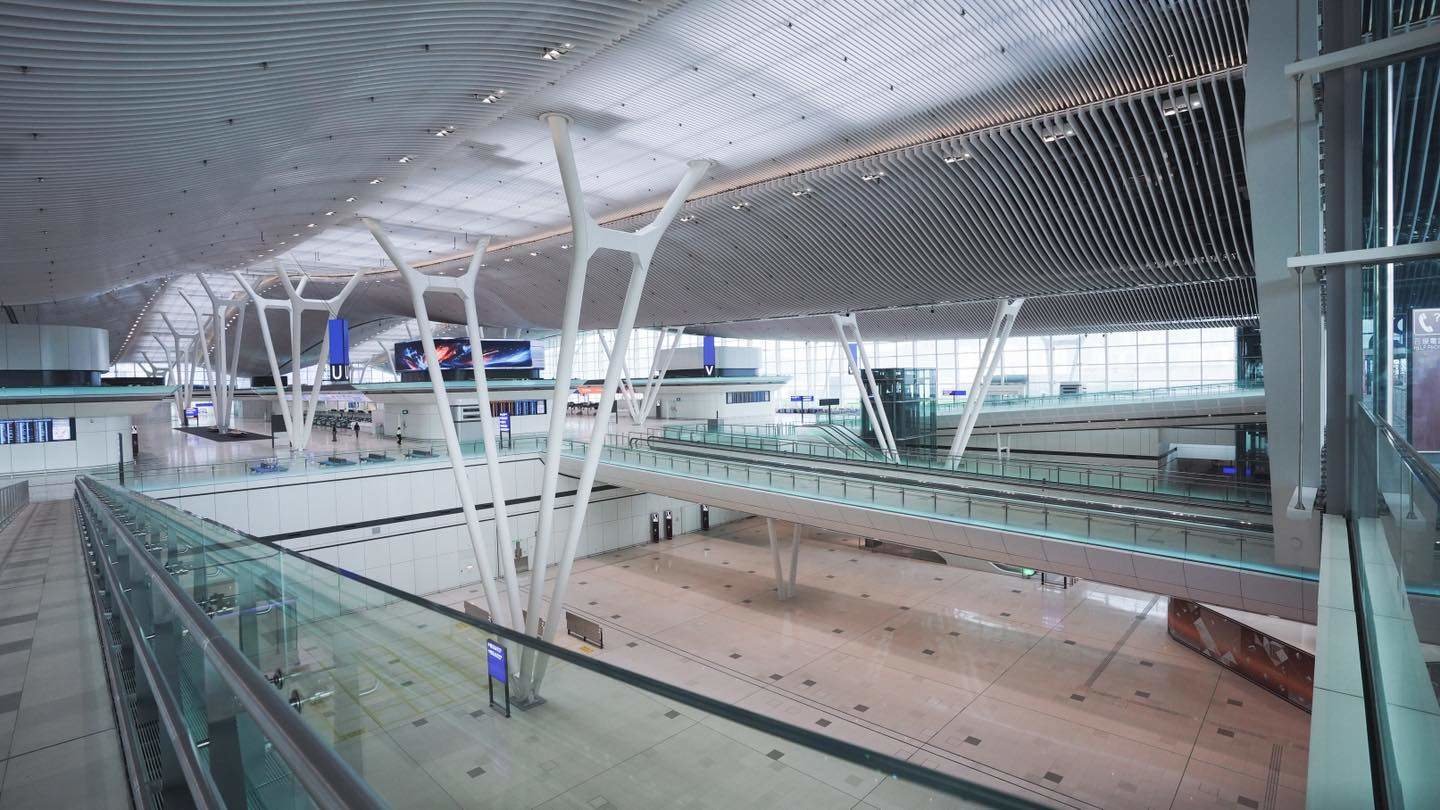
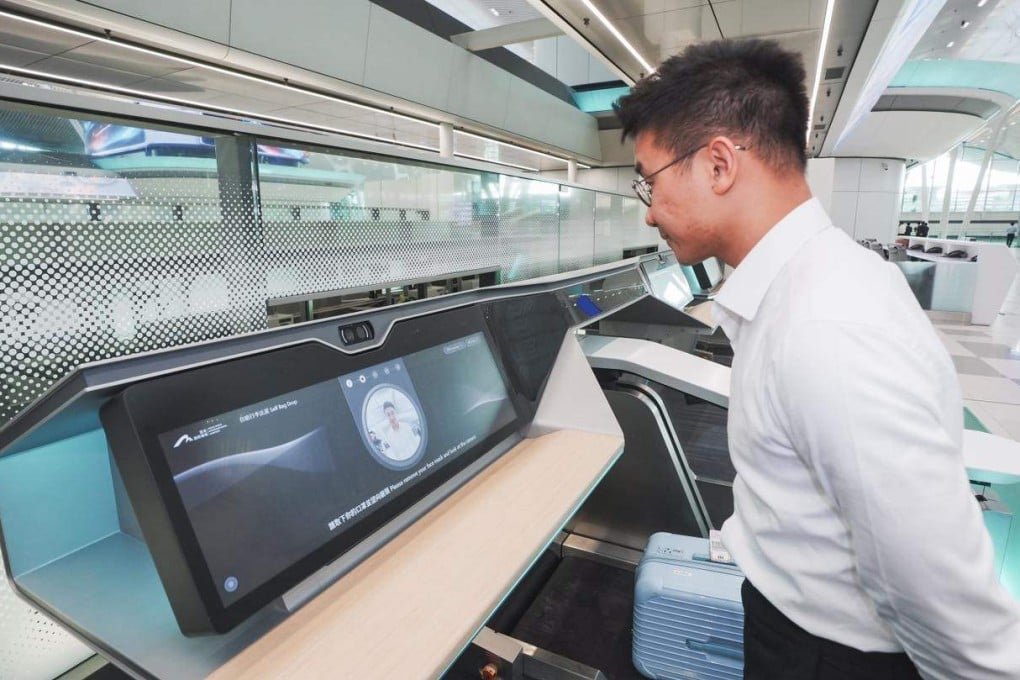
Trade development authorities also point to logistics modernization projects across Central Asia, including airport upgrades and supply chain infrastructure expansion, as key areas where Hong Kong firms may expand their presence.
The stakes of the visit extend beyond bilateral trade figures.
For Hong Kong, the outreach is part of a broader attempt to diversify its external economic relationships amid global geopolitical fragmentation and slower growth in traditional Western markets.
For Kazakhstan and Uzbekistan, deeper engagement with Hong Kong offers access to international capital, legal services, and financial structuring expertise that supports their economic diversification away from resource dependency.
The delegation will also serve a diplomatic function.
Meetings with senior officials in both countries are intended to establish more formal government-to-government communication channels and strengthen policy alignment on trade facilitation, investment protection, and cross-border business cooperation.
The trip follows a series of high-level exchanges between Hong Kong and Uzbekistan, including recent official visits and business forums that have already produced agreements in sectors such as energy, agriculture, and aviation.
If implemented as planned, the visit will further integrate Hong Kong into the financial architecture of Central Asia’s reforming economies, reinforcing its role as an intermediary platform between mainland China, global capital markets, and resource-rich emerging regions.
The delegation is expected to return with cooperation frameworks focused on logistics, financing, and infrastructure development, setting the stage for longer-term investment pipelines between Hong Kong institutions and Central Asian governments.
The move reflects an institutional push to reposition Hong Kong as a financial and logistics gateway linking East Asia with emerging markets along the Belt and Road network.
What is confirmed is that the five-day visit will take place in early June and will be Lee’s first official trip to both countries since taking office.
The delegation will include more than 60 senior business representatives alongside government officials, making it the largest foreign mission of his administration to date and exceeding previous trips to the Middle East.
The group is split roughly between Hong Kong-based executives and mainland Chinese entrepreneurs across sectors including logistics, finance, energy, mining, and technology.
The planned visits will cover Astana and Tashkent, the capitals of Kazakhstan and Uzbekistan, two economies that Hong Kong officials describe as key gateways into Central Asia.
Kazakhstan is currently Hong Kong’s largest trading partner in the region, while Uzbekistan is identified as one of its fastest-growing economic engines, with a large and youthful population and ongoing industrial diversification.
The core mechanism underpinning the visit is a “hub-to-hub” cooperation model.
Under this framework, Hong Kong positions itself as a capital-raising and financial services hub connecting Central Asian resource and manufacturing economies to global investors, while Kazakhstan and Uzbekistan serve as entry points for foreign capital into the wider region.
Officials have explicitly framed the strategy as an effort to strengthen long-term trade infrastructure rather than pursue short-term commercial deals.
Economic engagement between Hong Kong and Central Asia has been accelerating in recent years.
Kazakhstan has already issued offshore renminbi-denominated bonds in Hong Kong, and financial institutions in the region have increasingly used the city’s capital markets for fundraising.
Trade development authorities also point to logistics modernization projects across Central Asia, including airport upgrades and supply chain infrastructure expansion, as key areas where Hong Kong firms may expand their presence.
The stakes of the visit extend beyond bilateral trade figures.
For Hong Kong, the outreach is part of a broader attempt to diversify its external economic relationships amid global geopolitical fragmentation and slower growth in traditional Western markets.
For Kazakhstan and Uzbekistan, deeper engagement with Hong Kong offers access to international capital, legal services, and financial structuring expertise that supports their economic diversification away from resource dependency.
The delegation will also serve a diplomatic function.
Meetings with senior officials in both countries are intended to establish more formal government-to-government communication channels and strengthen policy alignment on trade facilitation, investment protection, and cross-border business cooperation.
The trip follows a series of high-level exchanges between Hong Kong and Uzbekistan, including recent official visits and business forums that have already produced agreements in sectors such as energy, agriculture, and aviation.
If implemented as planned, the visit will further integrate Hong Kong into the financial architecture of Central Asia’s reforming economies, reinforcing its role as an intermediary platform between mainland China, global capital markets, and resource-rich emerging regions.
The delegation is expected to return with cooperation frameworks focused on logistics, financing, and infrastructure development, setting the stage for longer-term investment pipelines between Hong Kong institutions and Central Asian governments.