Pink Dot HK’s annual LGBTQ+ festival has been called off again after losing access to venues and failing to secure permits, highlighting ongoing constraints on large-scale civil society events in the city.
The cancellation of large-scale public assembly permits and venue access for LGBTQ+ events has once again disrupted Hong Kong’s annual Pride-style carnival, with organisers confirming that Pink Dot HK will not take place for a second consecutive year after failing to secure both a venue and required government licences.
Pink Dot HK, one of the city’s largest recurring LGBTQ+ gatherings, had been scheduled for June 14 at Stanley Plaza and Murray House, two publicly accessible sites in southern Hong Kong.
Organisers had initially secured a pathway forward through a commercial venue arrangement with property manager Link REIT, but that arrangement collapsed shortly before the event after the company withdrew the rental, citing licensing-related constraints and regulatory requirements tied to public events.
What is confirmed is that the cancellation follows a breakdown in the final stage of event preparation, when the organiser had already begun formal licensing applications and coordination with partner groups.
With only weeks remaining before the scheduled date, the event team concluded that uncertainty over approval timelines made it impossible to proceed with a large public gathering involving performances, community booths, and thousands of expected attendees.
This is the second consecutive year the event has been cancelled.
In the previous cycle, organisers were also unable to secure a usable venue after another cultural district operator declined to host the event, leaving the group unable to proceed with an in-person festival.
That earlier cancellation set a precedent that the organisation has now been unable to reverse despite attempts to relocate and restructure the event format.
The mechanism behind the disruption is not a single legal prohibition but a layered approval system involving venue operators, private property managers, and public licensing authorities.
In Hong Kong, large-scale outdoor events typically require multiple permits covering public entertainment, safety compliance, and crowd control, in addition to private venue approval.
If any link in this chain fails, the event cannot proceed, even if no formal ban is issued against the organisers themselves.
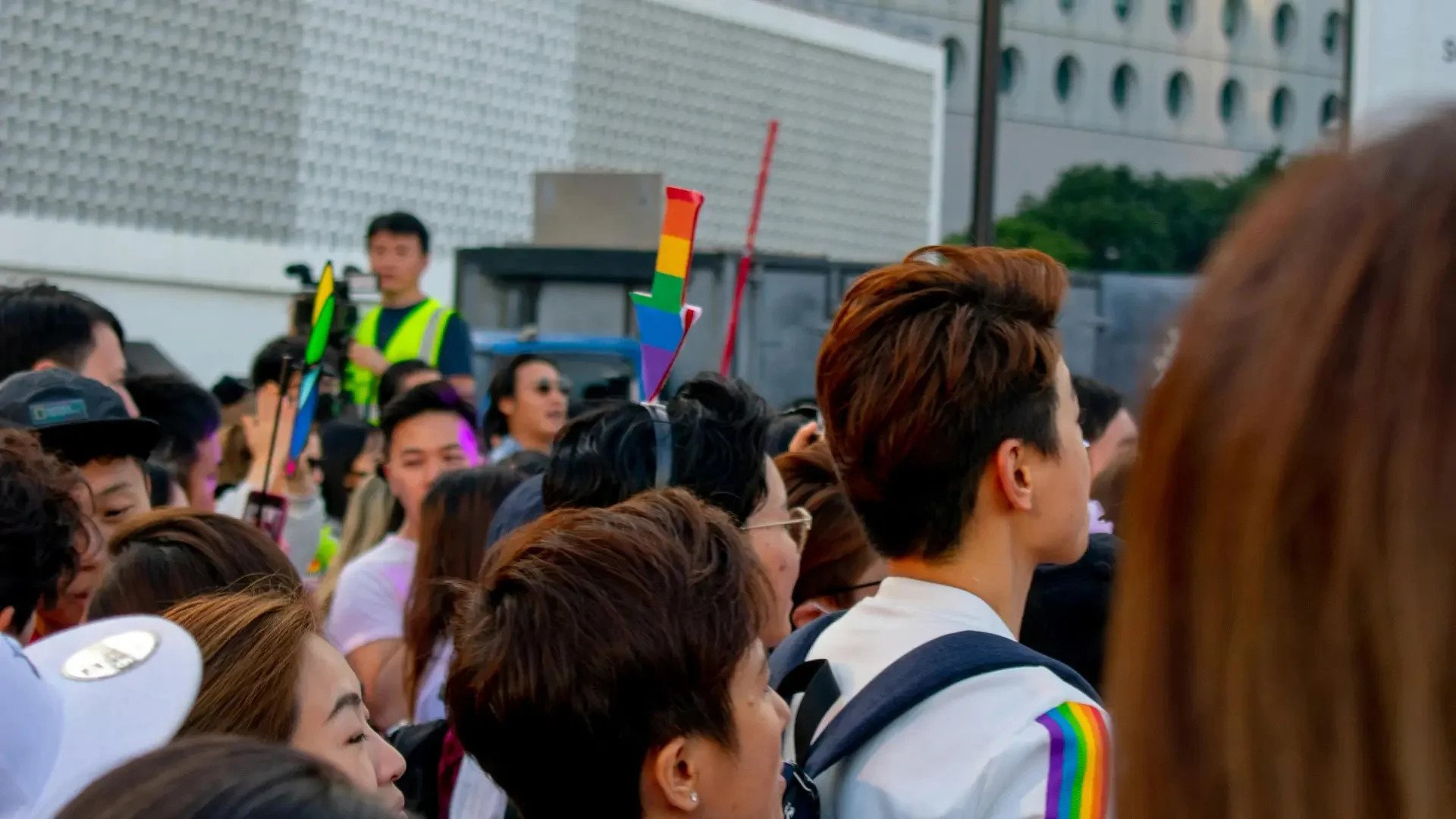
Pink Dot HK has historically been a high-visibility LGBTQ+ event in the city, combining performances, advocacy booths, and community participation.
It has drawn large crowds in past years, but recent editions have increasingly shifted formats, with some activities moving indoors or online due to difficulties securing outdoor public space.
The repeated cancellations have become part of a broader pattern affecting civil society events that depend on large public venues.
Organisers and advocacy groups have described increasing difficulty in securing spaces for mass gatherings, particularly those involving politically or socially sensitive themes, as venue operators apply stricter compliance standards and risk assessments when granting approvals.
The implications extend beyond a single event.
Without stable access to public venues and predictable licensing outcomes, recurring civic festivals face structural uncertainty that makes long-term planning difficult.
Sponsors, performers, and community organisations are also affected, as cancellation risks increase coordination costs and reduce willingness to commit resources in advance.
Despite the cancellation, organisers have indicated an intention to continue their activities in alternative formats, reflecting a broader adaptation trend among community groups operating in constrained event environments.
The city’s public event ecosystem now increasingly depends on indoor, private, or digitally mediated formats when outdoor approvals cannot be reliably secured.
The cancellation of Pink Dot HK’s 2026 edition underscores how procedural bottlenecks in venue access and licensing can determine whether large-scale public gatherings occur at all, effectively shaping the boundaries of civic visibility in Hong Kong’s event landscape.
Pink Dot HK, one of the city’s largest recurring LGBTQ+ gatherings, had been scheduled for June 14 at Stanley Plaza and Murray House, two publicly accessible sites in southern Hong Kong.
Organisers had initially secured a pathway forward through a commercial venue arrangement with property manager Link REIT, but that arrangement collapsed shortly before the event after the company withdrew the rental, citing licensing-related constraints and regulatory requirements tied to public events.
What is confirmed is that the cancellation follows a breakdown in the final stage of event preparation, when the organiser had already begun formal licensing applications and coordination with partner groups.
With only weeks remaining before the scheduled date, the event team concluded that uncertainty over approval timelines made it impossible to proceed with a large public gathering involving performances, community booths, and thousands of expected attendees.
This is the second consecutive year the event has been cancelled.
In the previous cycle, organisers were also unable to secure a usable venue after another cultural district operator declined to host the event, leaving the group unable to proceed with an in-person festival.
That earlier cancellation set a precedent that the organisation has now been unable to reverse despite attempts to relocate and restructure the event format.
The mechanism behind the disruption is not a single legal prohibition but a layered approval system involving venue operators, private property managers, and public licensing authorities.
In Hong Kong, large-scale outdoor events typically require multiple permits covering public entertainment, safety compliance, and crowd control, in addition to private venue approval.
If any link in this chain fails, the event cannot proceed, even if no formal ban is issued against the organisers themselves.
Pink Dot HK has historically been a high-visibility LGBTQ+ event in the city, combining performances, advocacy booths, and community participation.
It has drawn large crowds in past years, but recent editions have increasingly shifted formats, with some activities moving indoors or online due to difficulties securing outdoor public space.
The repeated cancellations have become part of a broader pattern affecting civil society events that depend on large public venues.
Organisers and advocacy groups have described increasing difficulty in securing spaces for mass gatherings, particularly those involving politically or socially sensitive themes, as venue operators apply stricter compliance standards and risk assessments when granting approvals.
The implications extend beyond a single event.
Without stable access to public venues and predictable licensing outcomes, recurring civic festivals face structural uncertainty that makes long-term planning difficult.
Sponsors, performers, and community organisations are also affected, as cancellation risks increase coordination costs and reduce willingness to commit resources in advance.
Despite the cancellation, organisers have indicated an intention to continue their activities in alternative formats, reflecting a broader adaptation trend among community groups operating in constrained event environments.
The city’s public event ecosystem now increasingly depends on indoor, private, or digitally mediated formats when outdoor approvals cannot be reliably secured.
The cancellation of Pink Dot HK’s 2026 edition underscores how procedural bottlenecks in venue access and licensing can determine whether large-scale public gatherings occur at all, effectively shaping the boundaries of civic visibility in Hong Kong’s event landscape.