The property group is reshaping its portfolio strategy through asset rotation and fund structures amid a slower commercial real estate cycle in Asia
The expansion of Hongkong Land’s capital recycling strategy through the launch of a Singapore-focused real estate fund reflects a system-driven shift in how major property groups manage balance sheets under conditions of slower asset growth, higher financing costs, and more selective investor demand.
The move signals a broader transition from direct asset ownership toward fund-based structures that allow developers to unlock capital while maintaining exposure to core markets.
What is confirmed is that Hongkong Land has expanded its capital recycling approach and launched a real estate fund centered on Singapore assets.
Capital recycling refers to the practice of selling, partially divesting, or restructuring mature properties and reinvesting proceeds into higher-return opportunities or returning capital to shareholders.
In practice, this often includes moving assets into externally managed funds or joint ventures rather than holding them entirely on the company’s balance sheet.
The key issue driving this strategy is the changing economics of prime commercial real estate in Asia.
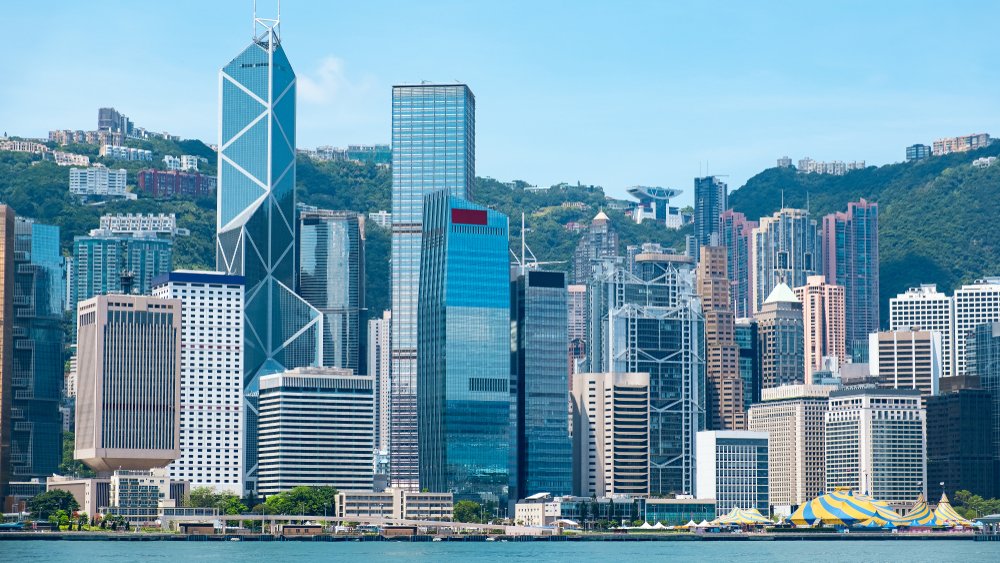
Hongkong Land is heavily exposed to premium office and retail assets in key financial hubs, particularly Hong Kong and Singapore.
These markets have faced structural pressure from rising interest rates, evolving work patterns that have reduced office demand in some segments, and more cautious corporate leasing behavior.
As a result, large property groups are increasingly prioritizing liquidity and flexibility over long-term asset accumulation.
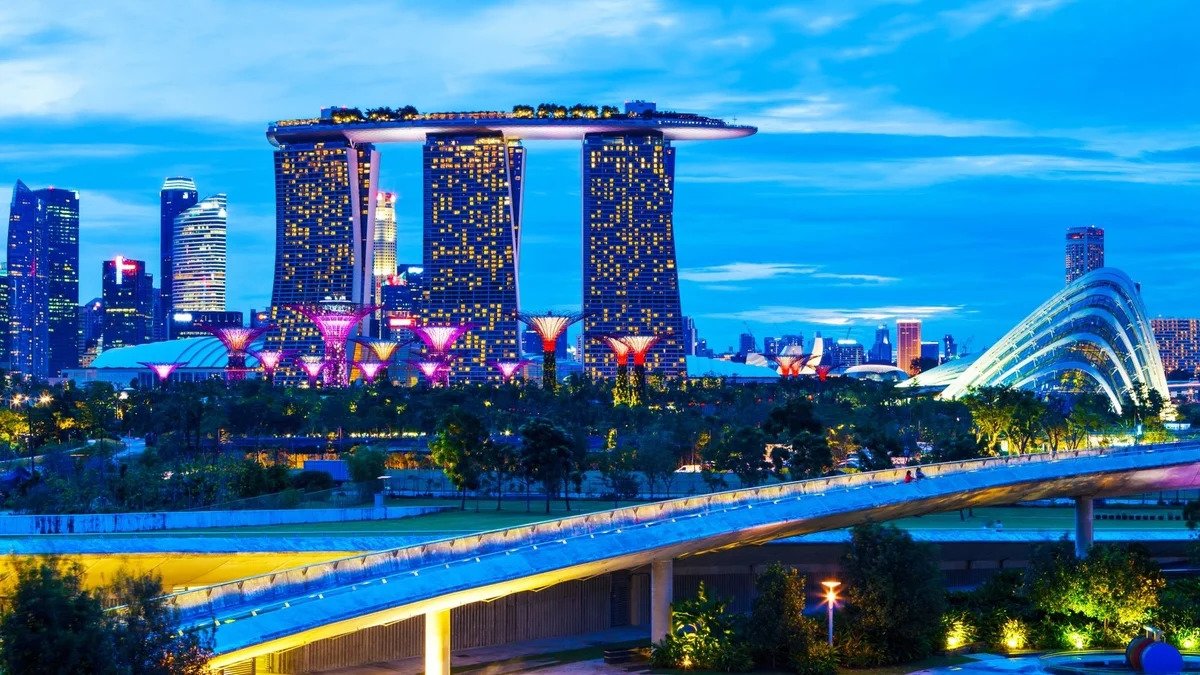
The launch of a Singapore-focused fund is significant because Singapore remains one of Asia’s most stable and institutionally attractive real estate markets.
It offers strong regulatory predictability, deep pools of institutional capital, and consistent demand for high-quality office and mixed-use developments.
By packaging assets into a fund structure, Hongkong Land can attract external investors, recycle capital more efficiently, and reduce direct exposure while still participating in long-term value appreciation.
This approach also reflects a broader industry trend among Asian real estate firms.
Instead of relying solely on traditional development and holding models, developers are increasingly using private funds, listed vehicles, and joint ventures to manage capital intensity.
These structures allow firms to monetize mature assets without fully exiting strategic markets, effectively turning illiquid property holdings into more flexible financial instruments.
For Hongkong Land, capital recycling serves both operational and financial objectives.
Operationally, it frees up capital for reinvestment into higher-quality or redevelopment projects.
Financially, it helps manage leverage and supports shareholder return programs such as buybacks or dividends.
In a slower growth environment, these mechanisms become central to maintaining investor confidence and stabilizing earnings visibility.
The broader implication is that Hongkong Land is adapting to a more constrained real estate cycle by shifting from asset expansion toward capital efficiency.
The creation of a Singapore real estate fund is not an isolated initiative but part of a structural repositioning in which balance sheet flexibility and third-party capital play a larger role in sustaining returns.
The immediate consequence is increased liquidity and optionality in Hongkong Land’s portfolio management.
The longer-term implication is a continued evolution away from pure property ownership toward a hybrid model combining direct holdings with fund-based investment structures across Asia’s core commercial hubs.
The move signals a broader transition from direct asset ownership toward fund-based structures that allow developers to unlock capital while maintaining exposure to core markets.
What is confirmed is that Hongkong Land has expanded its capital recycling approach and launched a real estate fund centered on Singapore assets.
Capital recycling refers to the practice of selling, partially divesting, or restructuring mature properties and reinvesting proceeds into higher-return opportunities or returning capital to shareholders.
In practice, this often includes moving assets into externally managed funds or joint ventures rather than holding them entirely on the company’s balance sheet.
The key issue driving this strategy is the changing economics of prime commercial real estate in Asia.
Hongkong Land is heavily exposed to premium office and retail assets in key financial hubs, particularly Hong Kong and Singapore.
These markets have faced structural pressure from rising interest rates, evolving work patterns that have reduced office demand in some segments, and more cautious corporate leasing behavior.
As a result, large property groups are increasingly prioritizing liquidity and flexibility over long-term asset accumulation.
The launch of a Singapore-focused fund is significant because Singapore remains one of Asia’s most stable and institutionally attractive real estate markets.
It offers strong regulatory predictability, deep pools of institutional capital, and consistent demand for high-quality office and mixed-use developments.
By packaging assets into a fund structure, Hongkong Land can attract external investors, recycle capital more efficiently, and reduce direct exposure while still participating in long-term value appreciation.
This approach also reflects a broader industry trend among Asian real estate firms.
Instead of relying solely on traditional development and holding models, developers are increasingly using private funds, listed vehicles, and joint ventures to manage capital intensity.
These structures allow firms to monetize mature assets without fully exiting strategic markets, effectively turning illiquid property holdings into more flexible financial instruments.
For Hongkong Land, capital recycling serves both operational and financial objectives.
Operationally, it frees up capital for reinvestment into higher-quality or redevelopment projects.
Financially, it helps manage leverage and supports shareholder return programs such as buybacks or dividends.
In a slower growth environment, these mechanisms become central to maintaining investor confidence and stabilizing earnings visibility.
The broader implication is that Hongkong Land is adapting to a more constrained real estate cycle by shifting from asset expansion toward capital efficiency.
The creation of a Singapore real estate fund is not an isolated initiative but part of a structural repositioning in which balance sheet flexibility and third-party capital play a larger role in sustaining returns.
The immediate consequence is increased liquidity and optionality in Hongkong Land’s portfolio management.
The longer-term implication is a continued evolution away from pure property ownership toward a hybrid model combining direct holdings with fund-based investment structures across Asia’s core commercial hubs.