Officials emphasize complementary role as city advances regulated crypto and digital asset framework
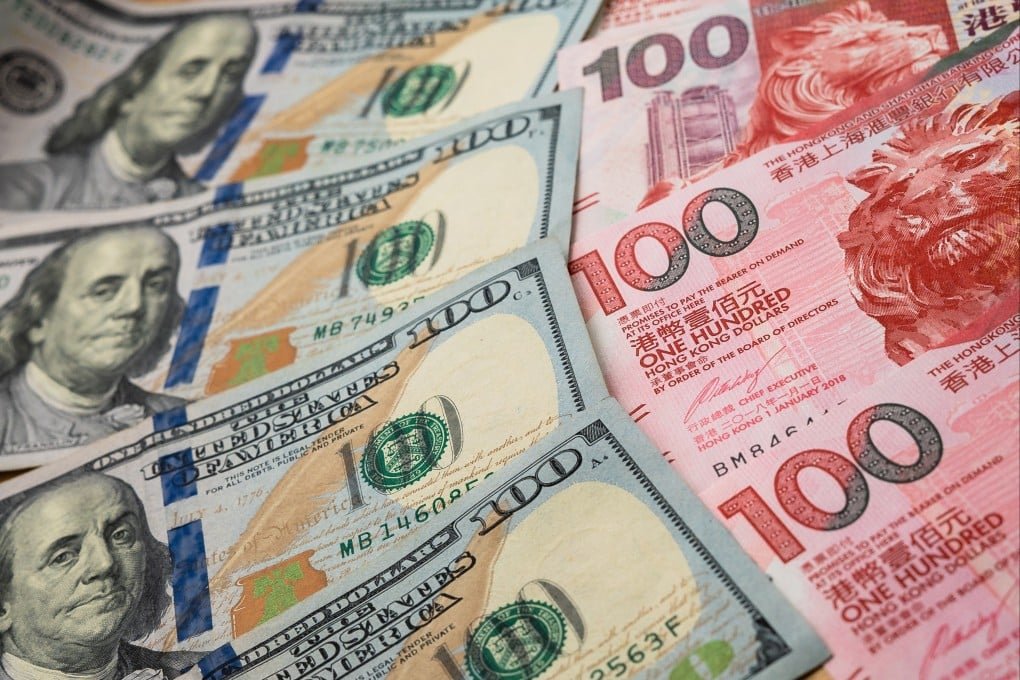
Hong Kong authorities have clarified that the city’s approach to digital currencies is not intended to compete with US dollar-backed stablecoins or China’s digital renminbi, instead positioning itself as a complementary hub within the evolving global financial ecosystem.
Officials outlined that Hong Kong’s strategy focuses on building a regulated and innovation-friendly environment for digital assets, including stablecoins, rather than developing a rival sovereign digital currency.
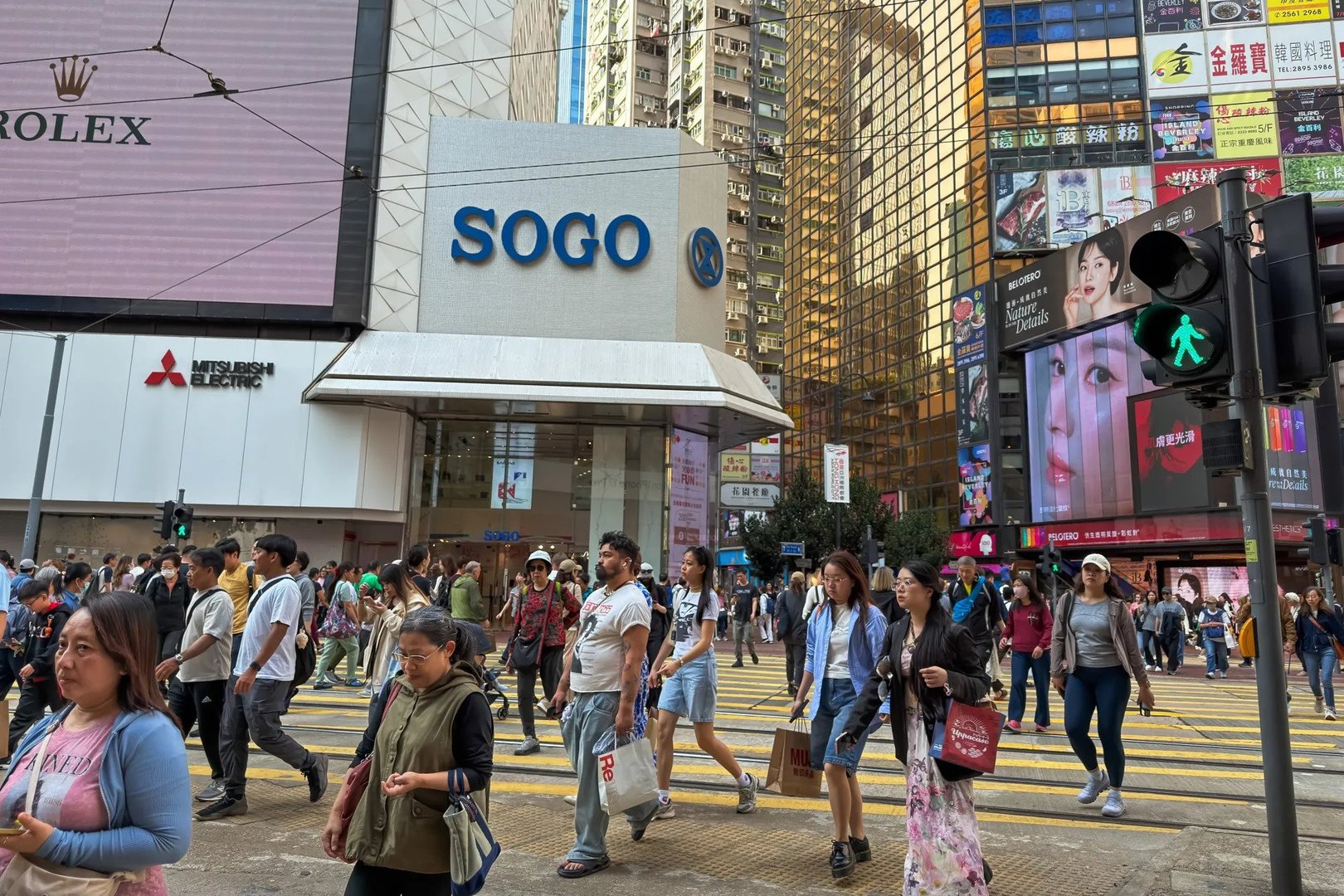
The approach reflects the city’s role as an international financial centre bridging global markets.
The clarification comes as interest in digital currencies accelerates worldwide, with central banks and private issuers exploring new payment systems and financial instruments.
Hong Kong has moved to establish clear regulatory frameworks aimed at attracting investment while ensuring financial stability and investor protection.
Authorities indicated that collaboration, rather than competition, underpins the city’s positioning.
By aligning with global standards and maintaining openness to multiple forms of digital currency, Hong Kong aims to facilitate cross-border transactions and support the broader digital finance ecosystem.
The city’s framework includes oversight of stablecoin issuance and trading platforms, with a focus on transparency, reserve backing, and risk management.
Officials have stressed that these measures are designed to foster trust and encourage responsible innovation.
Analysts note that Hong Kong’s stance reflects its unique position between mainland China and international markets, allowing it to support both the development of the digital renminbi and the continued use of global currencies in digital form.
As digital finance continues to evolve, Hong Kong’s approach is expected to play a key role in shaping how different systems interact, reinforcing its status as a gateway for innovation and cross-border financial activity.
Officials outlined that Hong Kong’s strategy focuses on building a regulated and innovation-friendly environment for digital assets, including stablecoins, rather than developing a rival sovereign digital currency.
The approach reflects the city’s role as an international financial centre bridging global markets.
The clarification comes as interest in digital currencies accelerates worldwide, with central banks and private issuers exploring new payment systems and financial instruments.
Hong Kong has moved to establish clear regulatory frameworks aimed at attracting investment while ensuring financial stability and investor protection.
Authorities indicated that collaboration, rather than competition, underpins the city’s positioning.
By aligning with global standards and maintaining openness to multiple forms of digital currency, Hong Kong aims to facilitate cross-border transactions and support the broader digital finance ecosystem.
The city’s framework includes oversight of stablecoin issuance and trading platforms, with a focus on transparency, reserve backing, and risk management.
Officials have stressed that these measures are designed to foster trust and encourage responsible innovation.
Analysts note that Hong Kong’s stance reflects its unique position between mainland China and international markets, allowing it to support both the development of the digital renminbi and the continued use of global currencies in digital form.
As digital finance continues to evolve, Hong Kong’s approach is expected to play a key role in shaping how different systems interact, reinforcing its status as a gateway for innovation and cross-border financial activity.