A surge in interest for Sun Hung Kai Properties’ New Territories development reflects improving sentiment in Hong Kong’s housing market, driven by stabilising rates and policy expectations
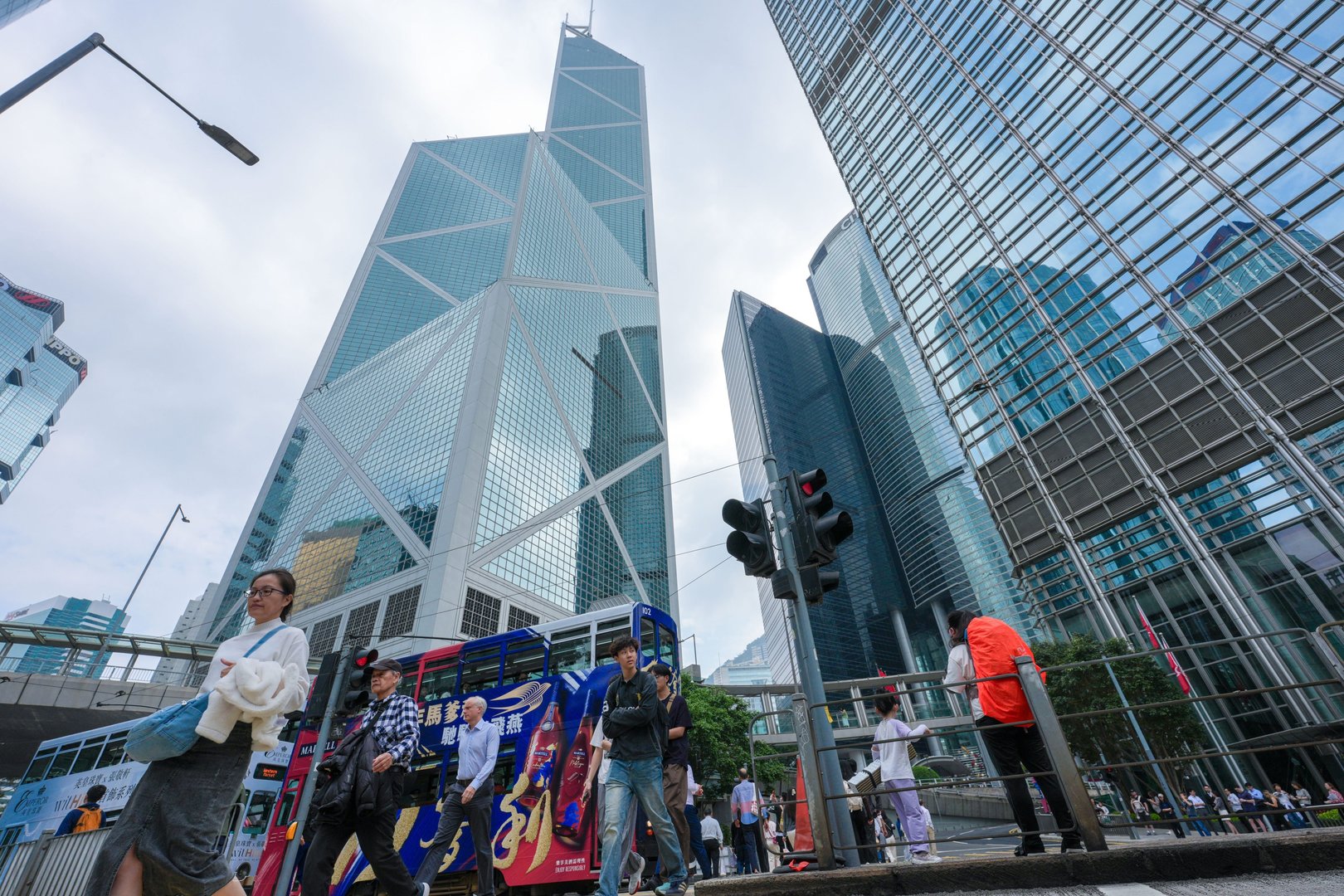
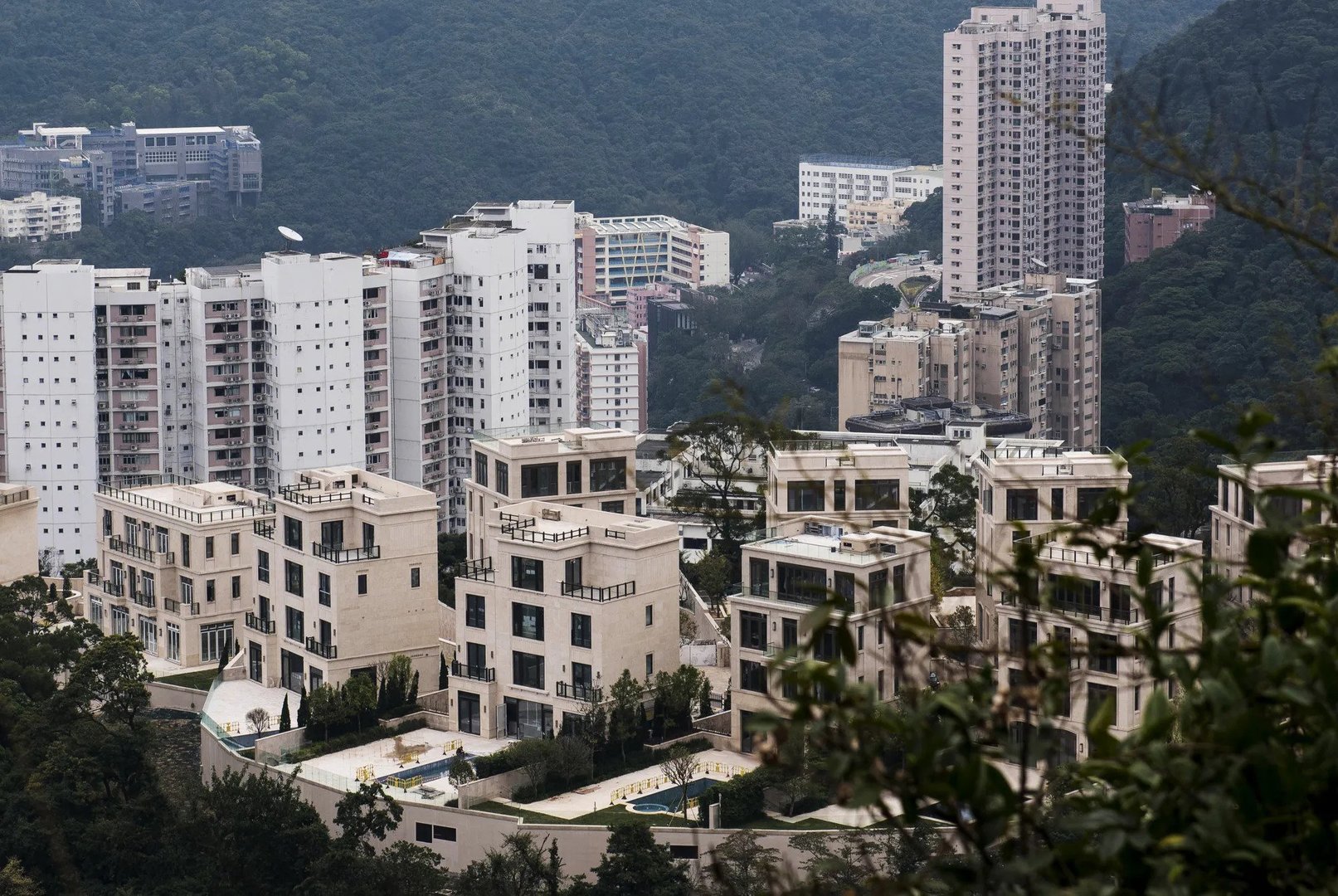
SYSTEM-DRIVEN housing market dynamics are reshaping demand patterns in Hong Kong’s property sector, as renewed buyer interest emerges in a New Territories residential project developed by Sun Hung Kai Properties.
The surge in activity reflects broader shifts in financing conditions, policy expectations, and perceived price stability after a prolonged period of adjustment in the city’s housing market.
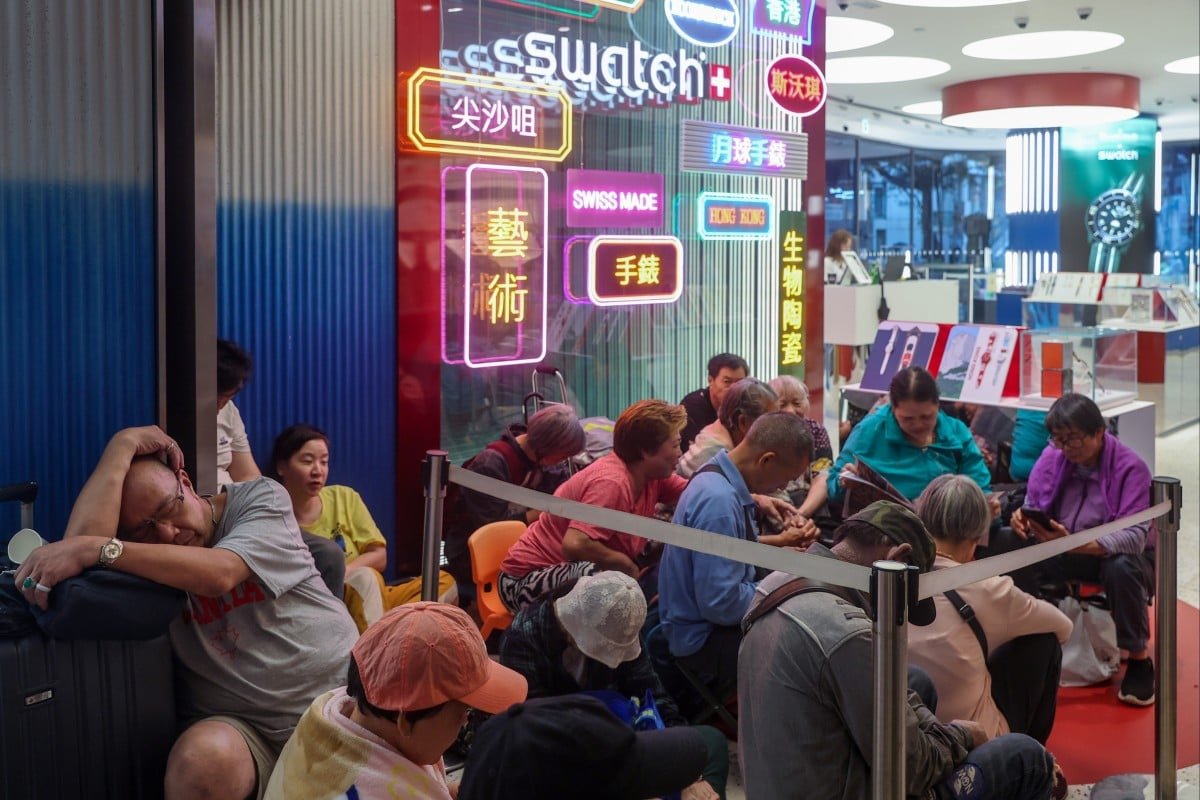
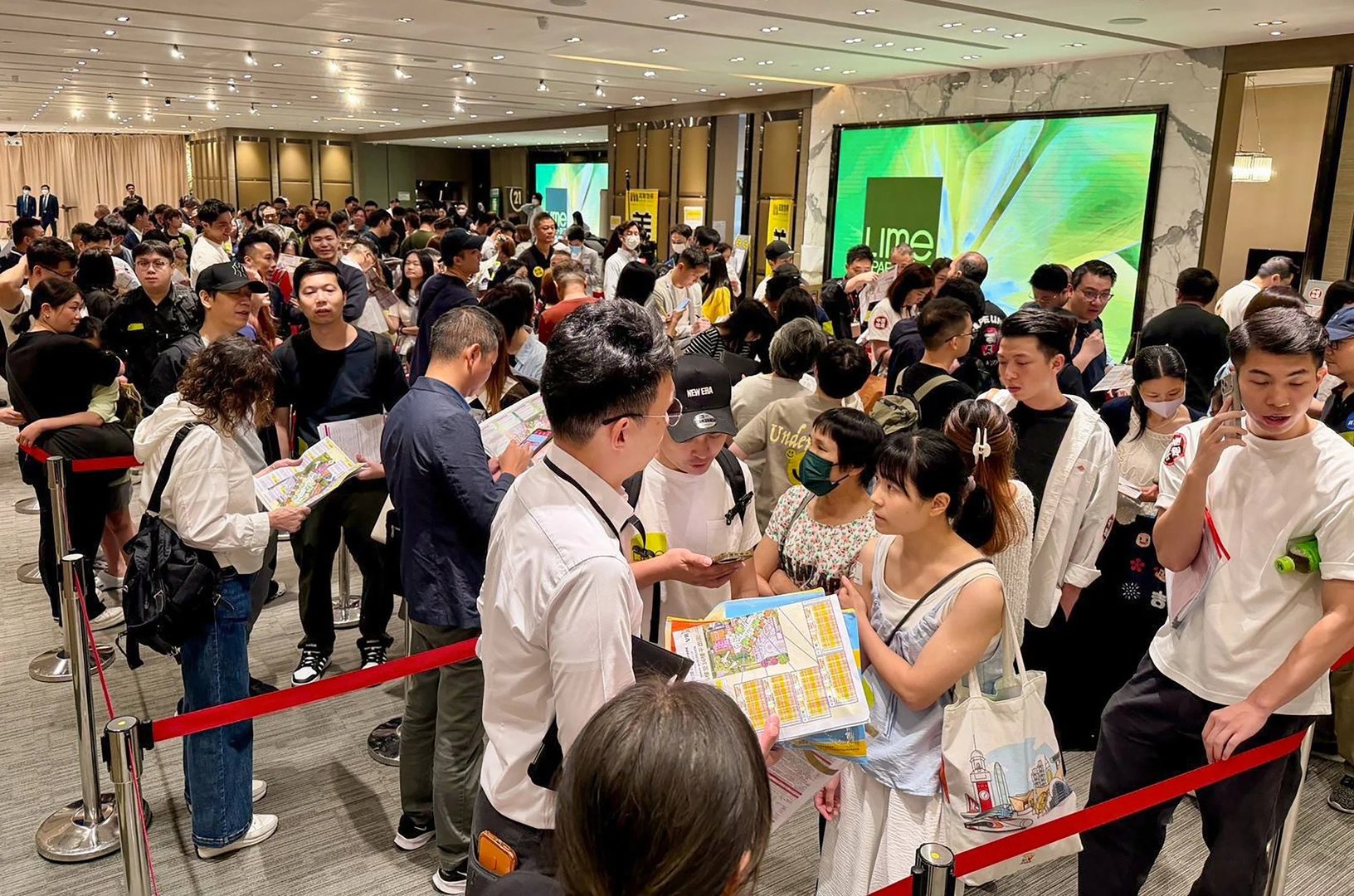
What is confirmed is that buyer traffic and transaction interest have increased for the developer’s New Territories project, with market participants pointing to improving sentiment rather than a single catalytic event.
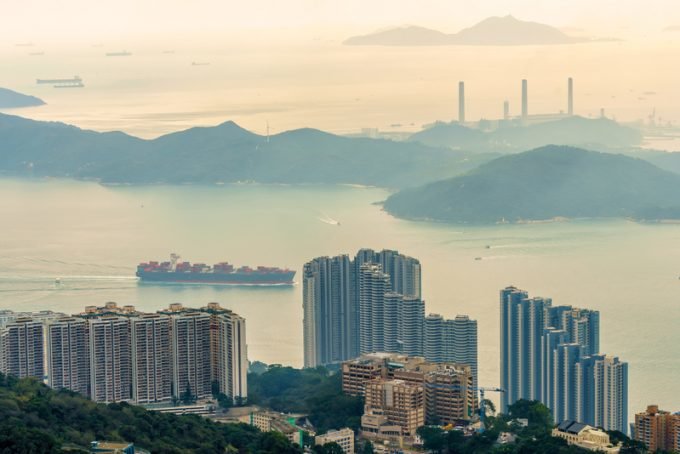
The New Territories, which include large-scale residential developments outside Hong Kong’s dense urban core, often serve as a barometer for mass-market demand due to their relatively lower entry prices compared with central districts.
The renewed momentum is being shaped by a combination of factors affecting Hong Kong’s property cycle.
Interest rates, which had risen sharply in previous tightening cycles, are now expected to stabilise or gradually ease, improving affordability for mortgage borrowers.
At the same time, expectations of government policy support for housing supply and demand management have contributed to a perception that price declines may be bottoming out.
Sun Hung Kai Properties, one of Hong Kong’s largest developers, typically operates across both luxury and mass-market segments, but its large-scale suburban projects are particularly sensitive to shifts in end-user demand.
Increased uptake in such developments is often interpreted as a sign that local families and first-time buyers are returning to the market after periods of caution driven by higher borrowing costs and economic uncertainty.
The mechanism behind the current rebound is primarily financial.
In Hong Kong’s linked currency system, mortgage pricing closely follows United States interest rate movements.
As global rate expectations shift toward stability, borrowing conditions in Hong Kong have become more predictable, reducing the psychological barrier for prospective buyers who had previously delayed purchases.
At the same time, pent-up demand plays a significant role.
Many households postponed home purchases during periods of price volatility, waiting for clearer signals of market direction.
The recent uptick in enquiries suggests that some of this deferred demand is now re-entering the system, particularly in developments offering relative affordability compared with central urban districts.
The implications for the broader housing market are significant but not uniform.
A resurgence in New Territories sales does not automatically translate into a city-wide price recovery, as Hong Kong’s property market remains segmented by location, income level, and investor versus end-user demand.
Luxury segments may respond differently to macroeconomic conditions than mass-market housing.
For policymakers and developers, the key signal is not just transaction volume but the sustainability of demand recovery.
If buyer interest continues beyond isolated project launches, it could indicate a stabilising phase after years of correction.
If it fades quickly, it would reinforce the view that the market remains sensitive to external financial conditions and policy expectations.
The current wave of buying activity therefore represents a tentative re-entry of confidence rather than a full cyclical recovery, with the trajectory of interest rates and household affordability likely to determine whether momentum continues into the next development cycle.
The surge in activity reflects broader shifts in financing conditions, policy expectations, and perceived price stability after a prolonged period of adjustment in the city’s housing market.
What is confirmed is that buyer traffic and transaction interest have increased for the developer’s New Territories project, with market participants pointing to improving sentiment rather than a single catalytic event.
The New Territories, which include large-scale residential developments outside Hong Kong’s dense urban core, often serve as a barometer for mass-market demand due to their relatively lower entry prices compared with central districts.
The renewed momentum is being shaped by a combination of factors affecting Hong Kong’s property cycle.
Interest rates, which had risen sharply in previous tightening cycles, are now expected to stabilise or gradually ease, improving affordability for mortgage borrowers.
At the same time, expectations of government policy support for housing supply and demand management have contributed to a perception that price declines may be bottoming out.
Sun Hung Kai Properties, one of Hong Kong’s largest developers, typically operates across both luxury and mass-market segments, but its large-scale suburban projects are particularly sensitive to shifts in end-user demand.
Increased uptake in such developments is often interpreted as a sign that local families and first-time buyers are returning to the market after periods of caution driven by higher borrowing costs and economic uncertainty.
The mechanism behind the current rebound is primarily financial.
In Hong Kong’s linked currency system, mortgage pricing closely follows United States interest rate movements.
As global rate expectations shift toward stability, borrowing conditions in Hong Kong have become more predictable, reducing the psychological barrier for prospective buyers who had previously delayed purchases.
At the same time, pent-up demand plays a significant role.
Many households postponed home purchases during periods of price volatility, waiting for clearer signals of market direction.
The recent uptick in enquiries suggests that some of this deferred demand is now re-entering the system, particularly in developments offering relative affordability compared with central urban districts.
The implications for the broader housing market are significant but not uniform.
A resurgence in New Territories sales does not automatically translate into a city-wide price recovery, as Hong Kong’s property market remains segmented by location, income level, and investor versus end-user demand.
Luxury segments may respond differently to macroeconomic conditions than mass-market housing.
For policymakers and developers, the key signal is not just transaction volume but the sustainability of demand recovery.
If buyer interest continues beyond isolated project launches, it could indicate a stabilising phase after years of correction.
If it fades quickly, it would reinforce the view that the market remains sensitive to external financial conditions and policy expectations.
The current wave of buying activity therefore represents a tentative re-entry of confidence rather than a full cyclical recovery, with the trajectory of interest rates and household affordability likely to determine whether momentum continues into the next development cycle.