Unverified reports of a presidential appearance at a formal welcome banquet highlight sensitivities around protocol, signaling, and bilateral relations
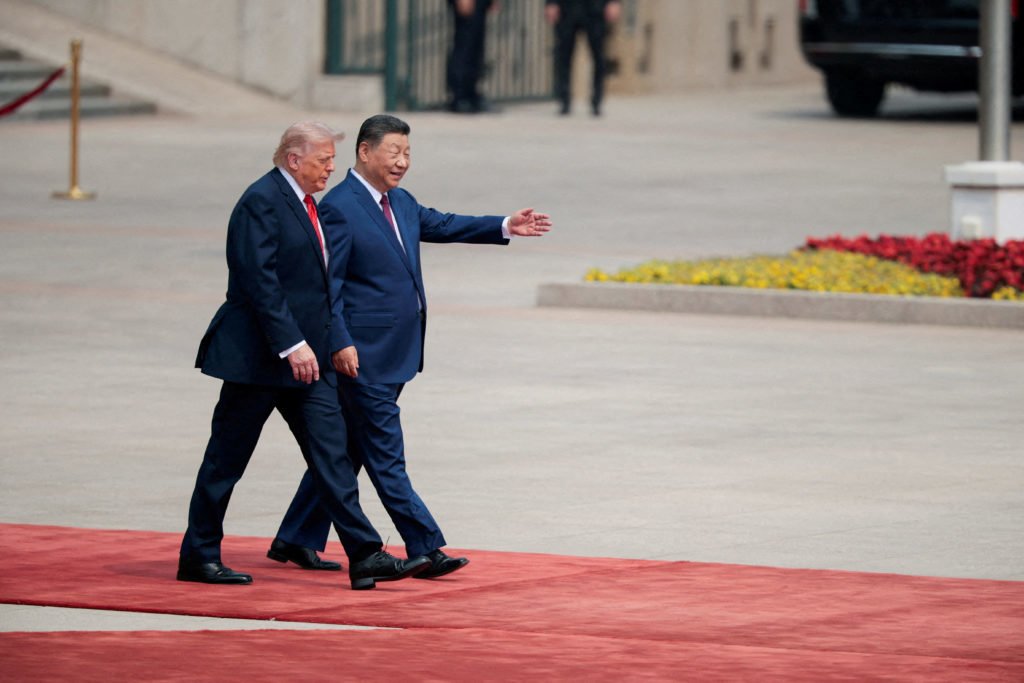
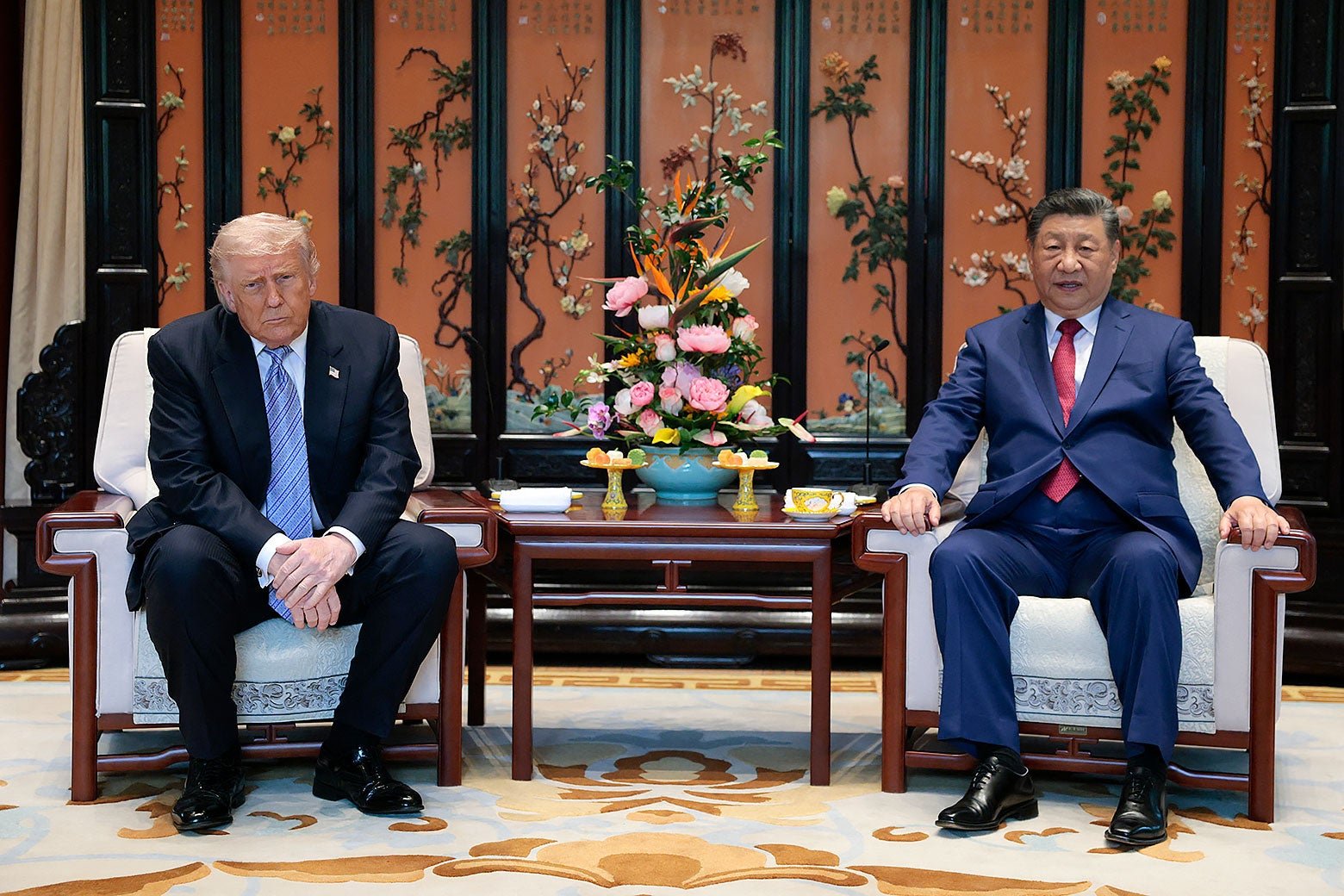
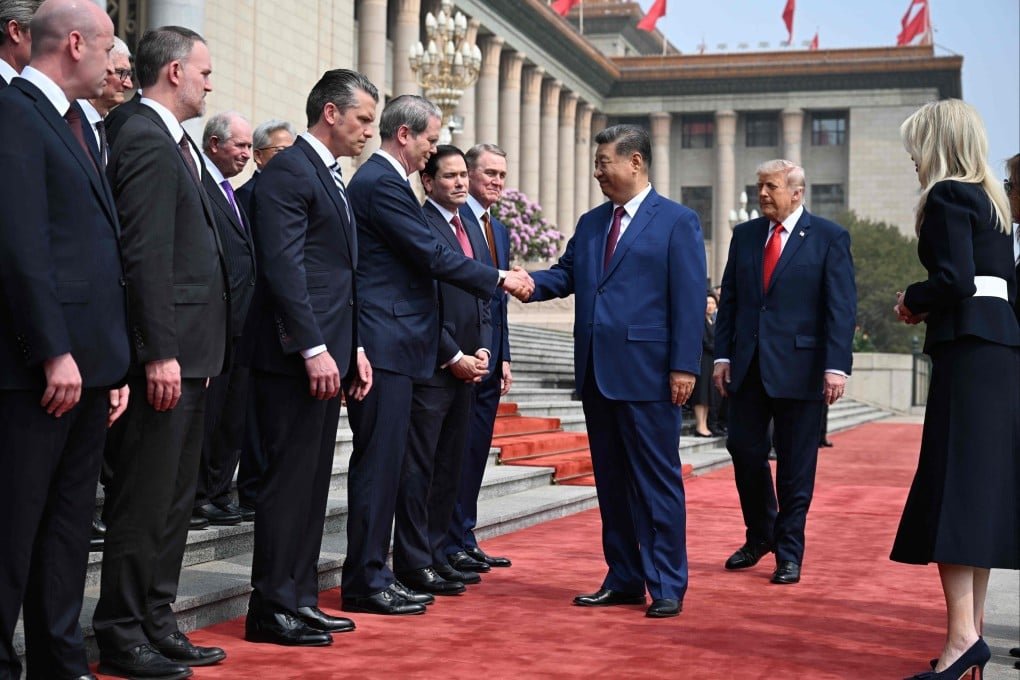
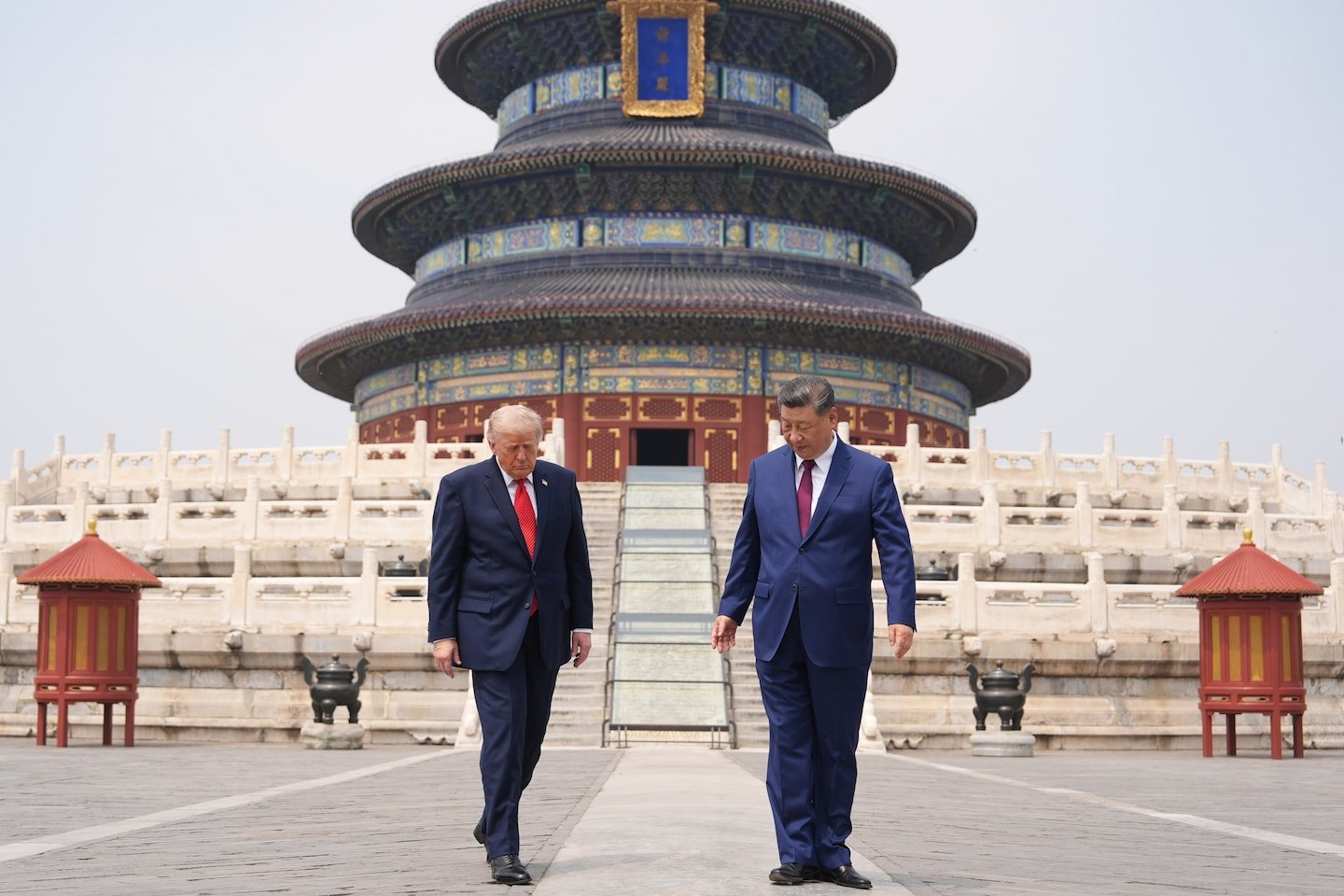
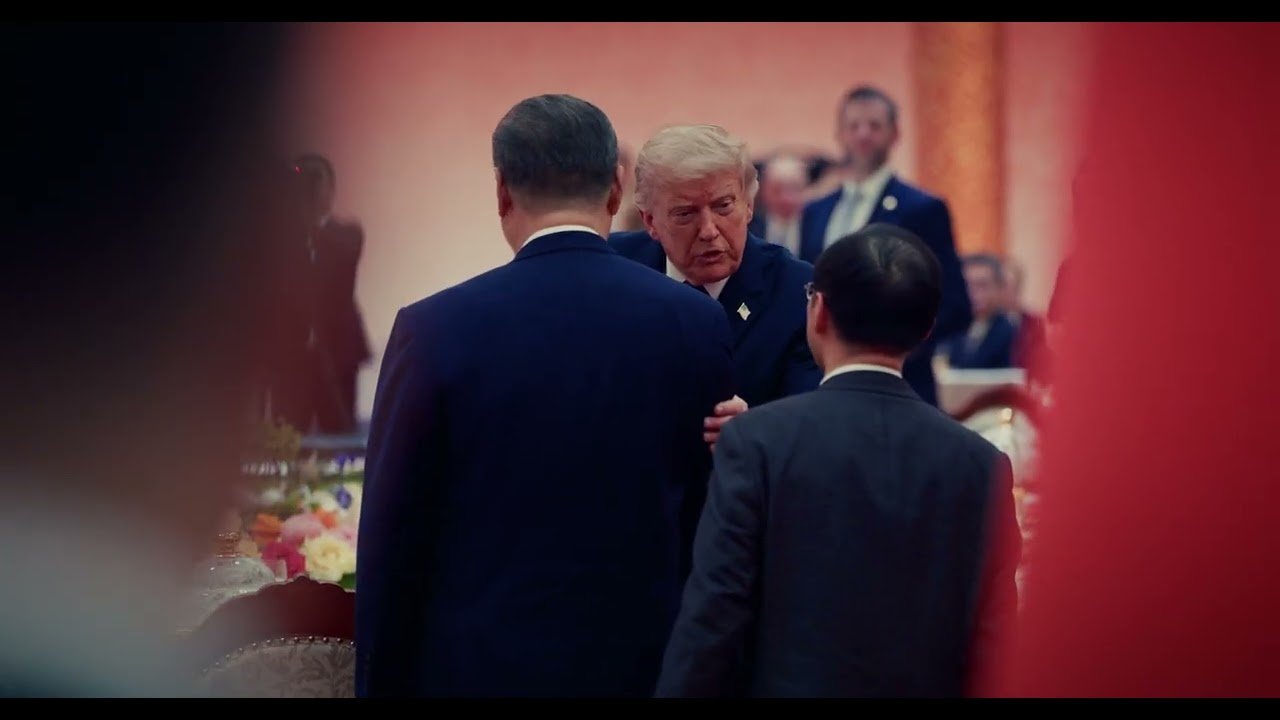
An ACTOR-DRIVEN claim involving a high-level diplomatic appearance by United States President Donald Trump at a welcome banquet in China has drawn attention to the carefully choreographed nature of U.S.–China relations, where even symbolic gestures carry strategic weight.
What is confirmed in this case is limited to the existence of the claim itself as circulated in public discourse, while independently verifiable details about the timing, setting, or official acknowledgment of such an event are not established within the available record.
If such a banquet appearance occurred, it would fall within the established framework of state diplomacy between major powers, where formal dinners and welcome ceremonies are used to signal levels of cooperation, manage tensions, and set the tone for negotiations on trade, security, and global governance.
These events are typically structured with strict protocol, and remarks delivered by visiting heads of state are closely interpreted for policy signals as well as rhetorical positioning.
The key issue in cases like this is not only whether the event took place as described, but how the narrative itself reflects the information environment surrounding U.S.–China relations.
High-profile diplomatic interactions are frequently the subject of rapid circulation, reinterpretation, and political framing, particularly when involving leaders whose public statements and engagements are closely scrutinized.
In practical terms, confirmed presidential visits or speeches at formal Chinese state events typically require coordination across foreign ministries, security services, and protocol offices on both sides.
Such engagements, when verified, are often followed by detailed readouts outlining discussion topics, including trade balances, technology restrictions, military signaling, and regional stability concerns.
In the absence of independently confirmed procedural details, the broader significance lies in how claims of this type illustrate the sensitivity of U.S.–China diplomatic signaling.
Even the suggestion of a formal banquet appearance by a sitting or former U.S. president underscores how narratives about direct engagement between Washington and Beijing can rapidly shape perceptions of alignment, rivalry, or negotiation strategy.
The practical consequence is that any verified development of this nature would immediately become part of the broader diplomatic record influencing market expectations, alliance calculations, and ongoing negotiations between the two governments.
What is confirmed in this case is limited to the existence of the claim itself as circulated in public discourse, while independently verifiable details about the timing, setting, or official acknowledgment of such an event are not established within the available record.
If such a banquet appearance occurred, it would fall within the established framework of state diplomacy between major powers, where formal dinners and welcome ceremonies are used to signal levels of cooperation, manage tensions, and set the tone for negotiations on trade, security, and global governance.
These events are typically structured with strict protocol, and remarks delivered by visiting heads of state are closely interpreted for policy signals as well as rhetorical positioning.
The key issue in cases like this is not only whether the event took place as described, but how the narrative itself reflects the information environment surrounding U.S.–China relations.
High-profile diplomatic interactions are frequently the subject of rapid circulation, reinterpretation, and political framing, particularly when involving leaders whose public statements and engagements are closely scrutinized.
In practical terms, confirmed presidential visits or speeches at formal Chinese state events typically require coordination across foreign ministries, security services, and protocol offices on both sides.
Such engagements, when verified, are often followed by detailed readouts outlining discussion topics, including trade balances, technology restrictions, military signaling, and regional stability concerns.
In the absence of independently confirmed procedural details, the broader significance lies in how claims of this type illustrate the sensitivity of U.S.–China diplomatic signaling.
Even the suggestion of a formal banquet appearance by a sitting or former U.S. president underscores how narratives about direct engagement between Washington and Beijing can rapidly shape perceptions of alignment, rivalry, or negotiation strategy.
The practical consequence is that any verified development of this nature would immediately become part of the broader diplomatic record influencing market expectations, alliance calculations, and ongoing negotiations between the two governments.