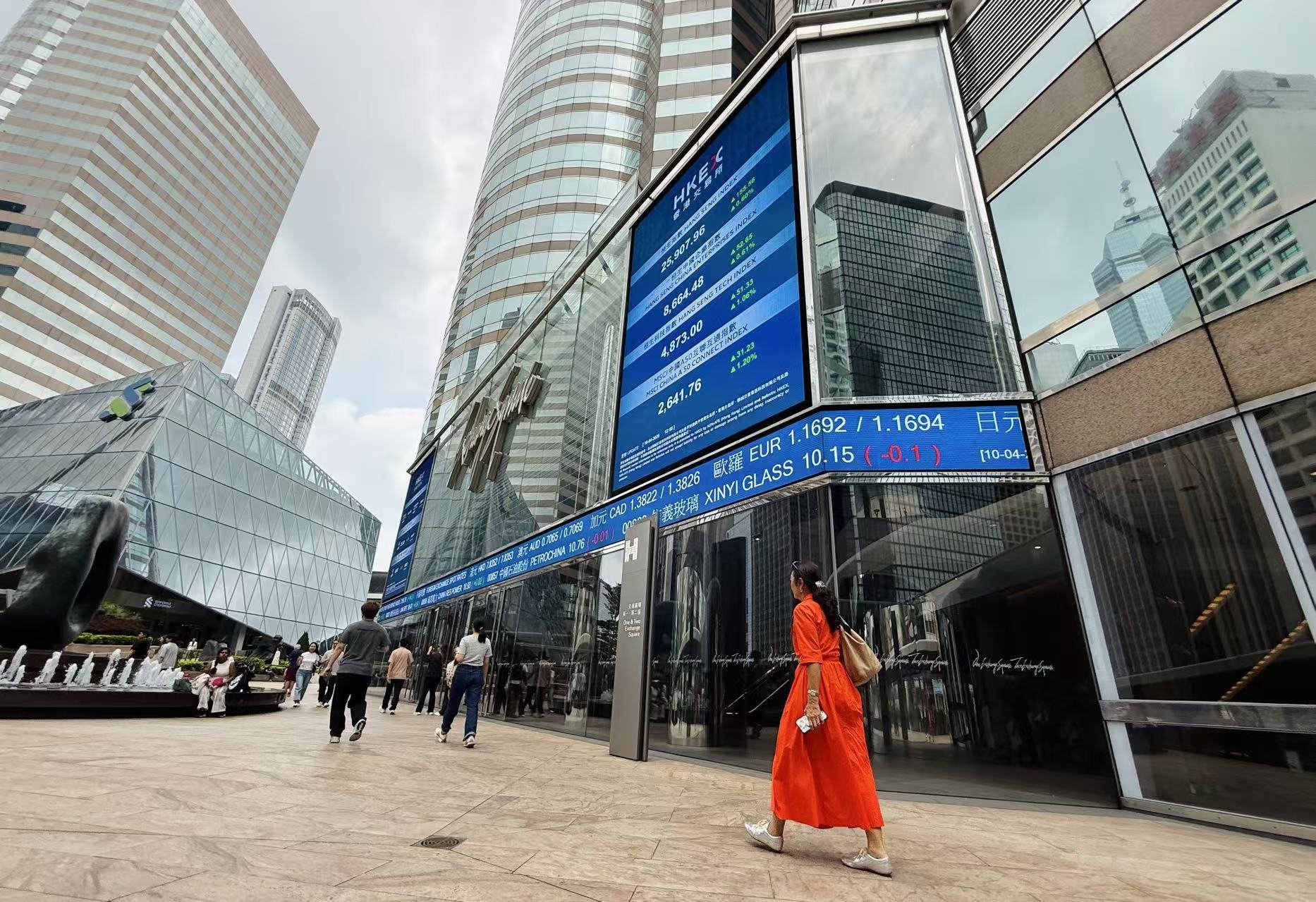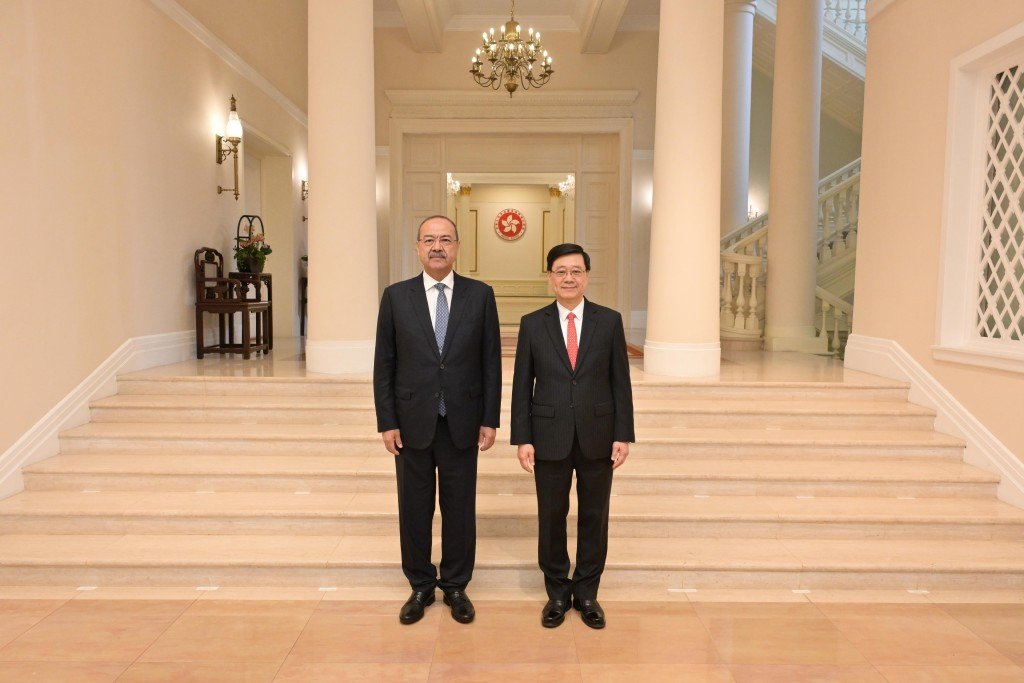
Uzbek Prime Minister Abdulla Aripov’s visit to Hong Kong focused on investment access, financial cooperation, logistics connectivity, and skilled workforce exchange as both sides seek deeper economic integration between Central Asia and Asian capital markets.
ACTOR-DRIVEN

Uzbek Prime Minister Abdulla Aripov’s visit to Hong Kong marks a deliberate push by Uzbekistan’s government to deepen economic integration with Asian financial markets and reposition the country as a more internationally connected trade and investment hub.

The visit centered on building practical commercial links rather than symbolic diplomacy, with discussions focused on finance, logistics, talent mobility, and business expansion.

What is confirmed is that Uzbek and Hong Kong officials held meetings aimed at strengthening cooperation across trade, aviation, investment promotion, education, financial services, and professional exchange.

Business forums and investment discussions accompanied the visit, reflecting Uzbekistan’s broader effort to attract foreign capital and diversify external partnerships beyond its traditional regional relationships.

The key issue is Uzbekistan’s economic transformation strategy.

Under ongoing market-oriented reforms, the government has been opening sectors to international investment, modernizing infrastructure, easing business restrictions, and seeking stronger access to global capital.

Hong Kong’s role as an international financial center gives Uzbekistan potential access to investors, legal expertise, logistics financing, and offshore capital networks that are difficult to replicate domestically.

The mechanism behind the emerging relationship is geographic and financial complementarity.

Uzbekistan sits at the center of Central Asia and has increasingly promoted itself as a transit and manufacturing node connecting China, the Middle East, South Asia, and Europe.

Hong Kong offers financing capacity, international banking infrastructure, capital market access, and commercial arbitration systems that can support cross-border projects linked to that strategy.

Trade connectivity was a major focus of the discussions.

Uzbekistan has been investing heavily in transport corridors, customs modernization, and industrial zones as part of efforts to increase exports and reduce dependence on raw commodity sales.

Hong Kong-based logistics, shipping, and trading firms are viewed as potential partners in improving supply-chain access into Asian markets.

Talent mobility and education cooperation also emerged as central themes.

Uzbekistan is attempting to upgrade its professional workforce in finance, engineering, technology, and international business as it expands industrial capacity and seeks higher-value foreign investment.

Hong Kong universities, financial institutions, and professional service sectors offer training pathways and technical expertise that align with those goals.

The discussions also reflect broader geopolitical changes reshaping Eurasian commerce.

Central Asian states are increasingly pursuing multi-directional economic diplomacy, balancing ties with China, Russia, the Gulf states, Europe, and Asia-Pacific financial centers simultaneously.

Hong Kong, despite political changes in recent years, remains an attractive intermediary because of its convertible currency system, deep banking sector, and access to mainland Chinese business networks.

For Hong Kong, the relationship supports its effort to expand commercial relevance beyond traditional China-West capital flows.

The city has increasingly sought opportunities tied to the Belt and Road Initiative, Middle Eastern investment, Southeast Asia, and emerging Eurasian trade corridors.

Central Asia represents a relatively underdeveloped but strategically important growth market in that broader diversification effort.

The practical commercial stakes are substantial.

Uzbekistan has one of Central Asia’s largest populations, rising industrial activity, growing energy infrastructure investment, and expanding demand for transport, digitalization, and urban development financing.

Hong Kong firms specializing in project finance, legal structuring, insurance, and logistics could gain entry into long-term infrastructure and trade projects tied to regional development.

The visit also highlights the changing role of talent competition in economic diplomacy.

Countries are no longer pursuing trade relationships solely through goods and capital flows.

Skilled labor, university partnerships, technology transfer, and professional certification systems are increasingly central to bilateral economic strategy.

Financial cooperation may become especially important in future phases of the relationship.

Uzbekistan has shown increasing interest in international bond issuance, foreign exchange liberalization, and deeper integration with global financial systems.

Hong Kong’s debt markets and institutional investor base could eventually serve as financing channels for Uzbek sovereign and corporate fundraising.

The broader implication is that the relationship is being built around long-term economic infrastructure rather than short-term political signaling.

Both sides are positioning the partnership as a platform linking Central Asian growth opportunities with Hong Kong’s financial and commercial capabilities.

The immediate result of the visit is the opening of a more formalized corridor for investment, trade facilitation, and professional exchange between Uzbekistan and Hong Kong, creating a new channel connecting Central Asian economic expansion with Asian capital markets.
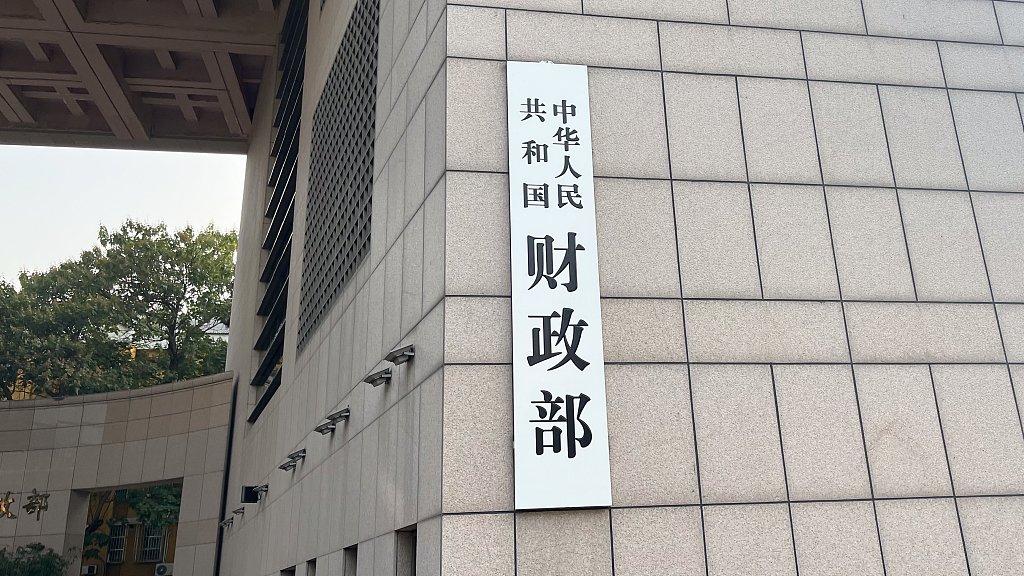
Beijing’s larger 2026 treasury issuance in Hong Kong strengthens the city’s role as the primary offshore renminbi hub while deepening China’s effort to internationalize its currency amid global financial fragmentation.
SYSTEM-DRIVEN

China’s Ministry of Finance plans to issue 84 billion yuan in renminbi-denominated sovereign bonds in Hong Kong in 2026, marking another expansion of Beijing’s long-running strategy to build offshore yuan markets through the city’s financial system.

What is confirmed is that the ministry will sell the bonds in six batches during the year.

The first two tranches, totaling 29.5 billion yuan, have already been issued in February and April.

The full-year issuance target exceeds the 68 billion yuan sold in Hong Kong during 2025.

The mechanism behind the program is straightforward but strategically important.

Beijing issues sovereign debt in Hong Kong in offshore renminbi rather than mainland China’s domestic market.

That provides international investors, banks, insurers, sovereign funds, and central banks with greater access to yuan assets without requiring direct participation in mainland capital markets.

The policy is designed to support two parallel objectives: strengthening Hong Kong’s role as China’s international financial gateway and expanding the global use of the renminbi in trade, investment, and reserve management.

The increase in issuance comes at a time of growing geopolitical and financial fragmentation.

China has spent years attempting to reduce dependence on the US dollar-centered financial system while encouraging broader international use of its own currency.

Offshore sovereign bond issuance is one of the most practical tools available because government debt creates benchmark pricing for other yuan-denominated assets.

Hong Kong remains central to that strategy.

The city hosts the world’s largest offshore renminbi liquidity pool and operates the main infrastructure for offshore yuan clearing, settlement, and bond trading.

The issuance program reinforces Hong Kong’s role despite prolonged pressure on the city’s property market, slower capital market activity, and political tensions following the implementation of the national security law.

The bonds also serve a technical market function.

Sovereign debt establishes yield curves that help price corporate bonds, policy bank debt, green bonds, and other fixed-income products.

Expanding the volume and maturity range of sovereign issuance improves liquidity and supports development of the offshore yuan bond market, commonly called the dim sum bond market.

The latest bond sales have included multiple maturities ranging from short-term notes to longer-dated instruments extending decades into the future.

Some tranches have reportedly attracted strong investor demand, with bids significantly exceeding issuance size.

That matters because liquidity and investor participation are essential if Beijing wants the renminbi to evolve into a more widely used international reserve and settlement currency.

The broader context is China’s effort to diversify financing channels as global interest rates, trade disputes, and sanctions risks reshape capital flows.

Beijing has accelerated policies supporting cross-border yuan usage in energy trade, commodity settlement, and bilateral agreements with emerging-market economies.

At the same time, offshore yuan bond issuance helps absorb growing international demand for Chinese fixed-income assets.

Chinese government bonds have attracted institutional investors seeking diversification from Western sovereign debt markets, particularly during periods of volatility in the United States and Europe.

The key issue is that renminbi internationalization remains structurally incomplete.

China maintains capital controls and still tightly manages large parts of its financial system.

That limits the yuan’s role compared with fully convertible reserve currencies such as the US dollar or euro.

Even so, Beijing’s approach has shifted from pursuing rapid liberalization to building parallel financial infrastructure incrementally.

Hong Kong’s offshore bond market is one of the most developed parts of that system because it allows international participation while preserving mainland regulatory separation.

The increased 2026 issuance also aligns with broader Chinese fiscal expansion.

Beijing has continued using sovereign debt issuance, including ultra-long special treasury bonds, to support industrial policy, infrastructure investment, technology development, and domestic economic stabilization amid weaker property-sector growth and softer consumer demand.

For Hong Kong, the implications are substantial.

Higher sovereign issuance volumes strengthen trading activity, clearing operations, custody services, and secondary-market liquidity.

The program also supports the city’s ambition to remain Asia’s leading cross-border bond-financing center even as competition intensifies from Singapore and mainland financial hubs.

The practical consequence is that Hong Kong is becoming more deeply embedded in China’s long-term financial architecture, not less.

The 84 billion yuan issuance plan reinforces the city’s role as the primary offshore platform for sovereign yuan assets and further integrates its capital markets into Beijing’s broader currency and financing strategy.
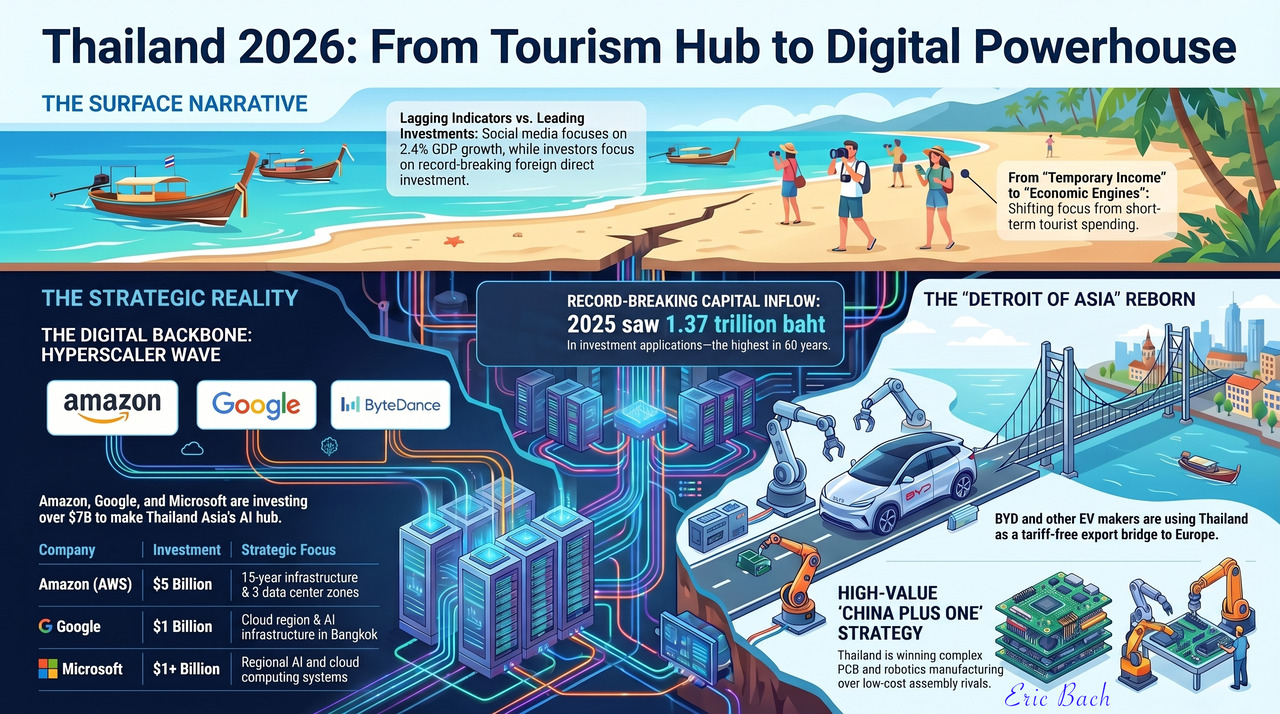
Why Social Media Is Wrong — And Why Global Capital Is Making a Multi- Billion-Dollar Bet on Thailand’s Future


Why Social Media Is Wrong — And Why Global Capital Is Making a Multi-Billion-Dollar Bet on Thailand’s Future


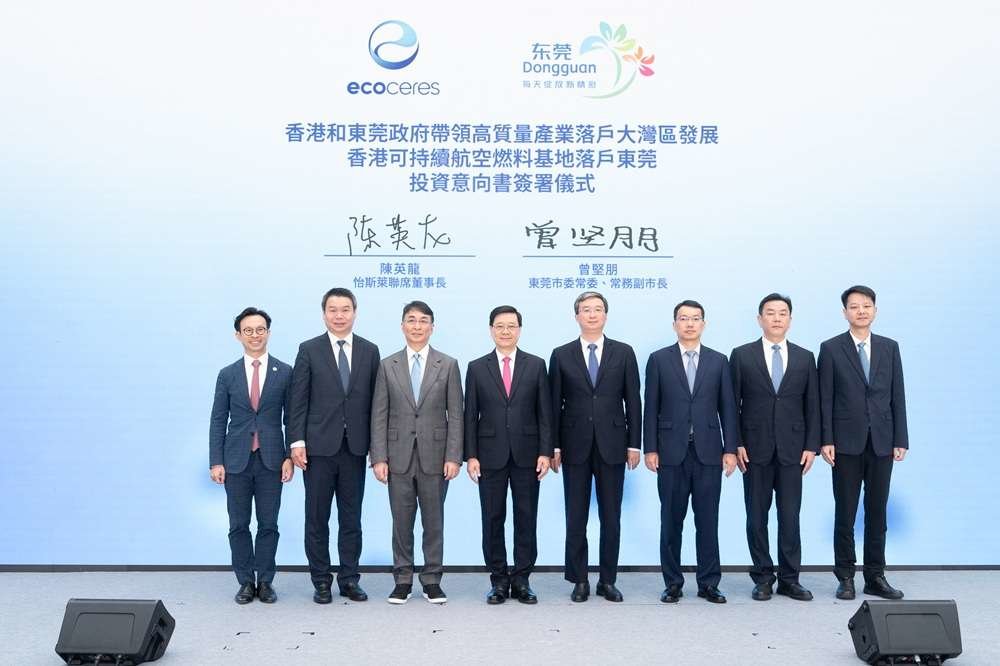
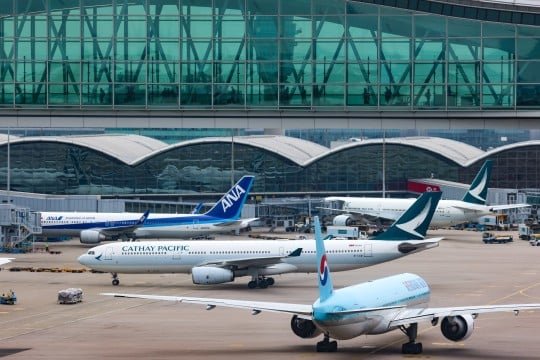
The cross-border initiative aims to connect waste collection, fuel refining, airport refueling, and green finance into a unified aviation decarbonization network centered on Hong Kong International Airport and a major new production facility in Dongguan.
SYSTEM-DRIVEN

Hong Kong and the mainland Chinese manufacturing city of Dongguan are building what officials describe as the Greater Bay Area’s first fully integrated sustainable aviation fuel supply chain, reflecting a broader industrial shift in which aviation decarbonization is becoming a coordinated infrastructure and energy-security strategy rather than a niche environmental initiative.

What is confirmed is that Hong Kong authorities, the Dongguan municipal government, and Hong Kong-incubated biofuels company EcoCeres have signed agreements to establish a cross-border sustainable aviation fuel, or SAF, ecosystem linking waste feedstock collection, fuel production, refining, blending, trading, and airport refueling operations.

At the center of the project is a planned EcoCeres facility in Dongguan expected to produce approximately 450,000 tonnes annually of sustainable aviation fuel and hydrotreated vegetable oil.

The project is designed around an integrated supply-chain model: waste-based feedstocks such as used cooking oil will be collected across the Greater Bay Area, processed and refined in Dongguan, and then transported into Hong Kong for aviation fuel blending, trading, and aircraft refueling.

The mechanism matters because sustainable aviation fuel remains one of the few immediately deployable pathways for reducing emissions from commercial aviation without redesigning aircraft fleets.

SAF can generally be blended with conventional jet fuel and used in existing aircraft engines and airport infrastructure without major technical modifications.

The aviation sector faces mounting pressure to decarbonize as governments tighten emissions targets and airlines confront growing investor scrutiny over climate exposure.

Conventional jet fuel remains heavily carbon-intensive, while long-haul aviation has few scalable alternatives in the near term.

Electric aviation technology is still limited mainly to smaller aircraft and short-range applications.

Hong Kong’s government has already stated that it aims for departing flights at Hong Kong International Airport to use a specified proportion of sustainable aviation fuel by 2030. The Dongguan partnership is intended to help secure long-term regional supply capacity before SAF demand accelerates further.

The key issue is scale.

Global SAF demand is rising much faster than production capacity.

Most airlines currently have limited access to commercially viable volumes, and SAF remains significantly more expensive than traditional jet fuel.

Building a localized regional supply chain reduces dependence on imported fuel and may lower logistics costs while improving supply stability.

The project also reflects Beijing’s broader industrial strategy around green manufacturing and carbon reduction.

China has incorporated low-carbon development into successive national planning frameworks, while local governments increasingly compete to attract clean-energy and advanced industrial projects.

Dongguan contributes manufacturing infrastructure, industrial land, chemical processing capability, and access to waste feedstock networks.

Hong Kong contributes aviation demand, international finance, commodity trading systems, and one of the world’s busiest cargo and passenger airports.

EcoCeres is central to the commercialization effort.

The company was incubated by Towngas and later attracted major international investment.

It already operates SAF-related facilities in mainland China and Malaysia and has become a significant exporter of sustainable aviation fuel into overseas markets, particularly Europe.

The project also ties into Hong Kong’s effort to position itself as a green finance and climate-transition hub.

Sustainable aviation fuel projects can generate demand for green bonds, carbon-linked financing structures, emissions trading services, and climate-related investment products.

The economic implications extend beyond aviation.

A functioning SAF ecosystem creates industrial demand for waste collection, logistics, refining technology, storage infrastructure, and certification systems.

It also strengthens the Greater Bay Area’s role as an integrated industrial and financial cluster linking Hong Kong with southern Chinese manufacturing centers.

The timing is significant because global aviation regulators and airlines are increasingly moving from voluntary sustainability commitments toward measurable fuel-transition requirements.

Regions capable of building dependable SAF production and delivery infrastructure early may gain a long-term competitive advantage in aviation logistics and low-carbon transport services.

The initiative also highlights how climate policy is increasingly merging with industrial policy.

Governments are no longer treating sustainable fuel solely as an environmental objective.

It is becoming part of strategic infrastructure planning tied to energy resilience, advanced manufacturing, and regional economic competitiveness.

The immediate consequence is that Hong Kong and Dongguan are moving beyond climate pledges into physical industrial deployment, creating one of Asia’s most concrete cross-border sustainable aviation fuel networks anchored by large-scale production capacity and direct airport integration.
Collisions involving wild and stray animals have surged across Hong Kong’s roads, exposing growing pressure from urban expansion, habitat overlap, and gaps in wildlife management and traffic enforcement.
SYSTEM-DRIVEN

Hong Kong’s sharp increase in traffic accidents involving animals is being driven by structural changes in land use, wildlife movement, transport density, and urban expansion that are forcing more frequent interaction between vehicles and animals on roads built through or alongside natural habitats.

The rise is not tied to a single species or isolated incident but reflects a broader collision between dense infrastructure and expanding ecological overlap.

What is confirmed is that reported traffic accidents involving animals have increased dramatically over the past four years, rising more than elevenfold according to official figures and public safety data reviewed in recent reporting.

The incidents include collisions with wild boars, stray cattle, dogs, monkeys, and other animals moving into residential or roadway areas.

Wild boars have become one of the most visible contributors.

The animals increasingly enter urban districts, parks, roadside corridors, and residential neighborhoods searching for food, often crossing major roads or appearing in high-traffic areas.

Hong Kong’s mountainous terrain and proximity between urban development and country parks create unusually narrow boundaries between wildlife zones and transportation infrastructure.

The mechanism behind the surge is multi-layered.

Road density has expanded, vehicle ownership remains high, and urban development has pushed human activity closer to natural habitats.

At the same time, some wildlife populations have adapted to urban conditions, becoming less fearful of human environments and more dependent on food sources linked to residential waste or direct feeding.

The issue intensified after years of public debate over wild boar management.

Hong Kong authorities shifted policy from capture-and-relocation toward culling after several highly publicized incidents involving injuries and aggressive encounters in urban districts.

Officials argued that feeding by residents had altered animal behavior and increased public safety risks.

Animal welfare groups criticized the culling strategy, arguing that habitat disruption and poor waste control contributed more significantly to the problem than animal population growth alone.

They also warned that fragmented management policies could increase unpredictable wildlife movement rather than reduce it.

The rise in road accidents now adds a transport safety dimension to what had previously been treated mainly as a wildlife management issue.

Collisions involving large animals can cause severe vehicle damage, serious injury, or secondary accidents involving multiple cars or motorcycles.

Motorcyclists are particularly vulnerable because even smaller animals can trigger fatal loss-of-control crashes.

The problem is geographically uneven but increasingly widespread.

Rural districts in the New Territories remain the highest-risk areas because roads frequently cut through forested terrain and undeveloped land.

However, incidents have also spread into suburban and densely populated urban-adjacent districts as wildlife movement patterns evolve.

Stray cattle and buffaloes present a separate challenge.

Some descend from animals abandoned after the decline of traditional farming in Hong Kong.

They often roam near roads in semi-rural districts and can remain difficult to relocate because of legal, logistical, and welfare concerns.

The surge also reflects broader ecological pressures.

Extreme weather, habitat fragmentation, construction activity, and changing food availability can alter animal movement routes.

Heavy rainfall and heat stress may push animals toward populated areas or roadside drainage systems where collisions become more likely.

Authorities have expanded warning signage, roadside barriers, surveillance measures, and public education campaigns in some districts.

Transport officials and wildlife agencies are also studying traffic hotspots to identify areas requiring fencing, speed reduction measures, or ecological crossing infrastructure.

The challenge is particularly complex because Hong Kong combines intense urban density with extensive protected green space.

Roughly forty percent of the territory is designated as country parks or protected land, meaning transport systems and wildlife corridors often exist in close proximity.

The economic and social costs are rising alongside the accident numbers.

Vehicle repair claims, emergency response demands, traffic disruption, and public safety concerns have all increased.

At the same time, wildlife-related incidents can trigger political conflict between conservation advocates, residents, and authorities over how aggressive management policies should become.

The broader implication is that Hong Kong’s transport and environmental systems are no longer operating independently.

Wildlife management, urban planning, road engineering, and public behavior are increasingly interconnected policy areas.

The immediate consequence of the surge is that animal-related traffic risk is now being treated as a sustained infrastructure and public safety issue rather than an isolated wildlife nuisance, forcing authorities to integrate ecological management directly into transport planning and road safety strategy.
Strong issuance, rising offshore demand, and continued capital inflows are reinforcing Hong Kong’s role as a major financing hub despite geopolitical pressure and higher global interest rates.
SYSTEM-DRIVEN

Hong Kong’s expanding bond market is being driven by the resilience of the city’s financial architecture, particularly the credibility of the Hong Kong dollar peg, the depth of its capital markets, and its function as the primary offshore financing gateway for mainland China.

The recent surge in bond activity reflects growing institutional confidence that Hong Kong dollar assets remain stable, liquid, and strategically important despite years of political tension and global market volatility.

What is confirmed is that Hong Kong has recorded strong growth in bond issuance across multiple categories, including government bonds, offshore yuan bonds, green finance products, and corporate debt.

The city’s debt market has continued attracting international investors even as higher interest rates globally have tightened financing conditions.

The key issue is trust in the currency and settlement system.

Hong Kong operates under a linked exchange rate regime that pegs the Hong Kong dollar to the US dollar within a fixed trading band.

Maintaining confidence in that system is essential because the peg underpins banking liquidity, cross-border capital flows, and Hong Kong’s status as an international financial center.

Recent market activity suggests investors continue treating Hong Kong dollar assets as reliable instruments for capital preservation and regional financing.

Bond demand has remained supported by institutional investors seeking yield stability, access to Asian credit markets, and exposure to Chinese issuers operating through Hong Kong’s legal and financial framework.

The mechanism behind the market’s expansion is partly structural.

Mainland Chinese companies and local governments increasingly use Hong Kong to raise offshore funding because the city provides international legal standards, global investor access, convertible currency settlement, and deep secondary-market liquidity.

At the same time, foreign investors continue using Hong Kong as the main entry point into Chinese fixed-income assets.

Government issuance has also played a central role.

Hong Kong authorities have expanded bond programs tied to infrastructure financing, green transition projects, and institutional market development.

The city has issued multi-currency debt products, including digital bond offerings and green bonds, to strengthen its position in emerging financial sectors.

The offshore yuan, or renminbi, market is another critical factor.

Hong Kong remains the world’s largest offshore renminbi hub, and yuan-denominated bond issuance has continued to grow as Beijing promotes gradual internationalization of the Chinese currency.

That gives Hong Kong a dual role: a dollar-linked financial center and the leading offshore platform for Chinese currency financing.

The stakes extend beyond bond trading itself.

A healthy debt market reinforces banking activity, supports wealth management services, strengthens foreign exchange turnover, and broadens financing options for corporations and governments.

It also helps Hong Kong compete against regional financial centers such as Singapore in attracting international capital.

The expansion comes despite persistent external pressure.

Hong Kong has faced concerns tied to geopolitical tensions between China and the United States, changes in the city’s political environment, and elevated global borrowing costs following aggressive interest-rate tightening by major central banks.

Those factors led some investors and multinational firms to reassess exposure to Hong Kong in recent years.

However, financial market behavior has not matched predictions of systemic capital flight.

The Hong Kong Monetary Authority has continued defending the currency peg through established mechanisms, and the banking system has remained highly capitalized with substantial foreign exchange reserves.

At the same time, the composition of market participation is evolving.

Mainland Chinese institutions now play a larger role in Hong Kong’s financial ecosystem, while Middle Eastern and Southeast Asian investors have increased activity in bond issuance and investment partnerships.

The city is adapting by deepening ties with regional capital pools rather than relying exclusively on Western financial flows.

The broader implication is that Hong Kong’s financial model is shifting rather than collapsing.

Political and media debates about the territory often focus on governance and civil liberties, but global capital markets continue to evaluate the city primarily through liquidity, legal enforceability, currency stability, and access to China.

Bond investors ultimately care about repayment certainty, convertibility, and market functioning.

The continued expansion of Hong Kong’s debt market indicates that institutional investors still view the city as capable of delivering all three, reinforcing the central role of Hong Kong dollar assets in Asian and global finance.
GRST, a Hong Kong-based battery materials company, is expanding commercialization of a PFAS-free water-soluble binder designed to simplify recycling, reduce emissions, and fit into existing lithium-ion battery production lines for electric vehicles.
SYSTEM-DRIVEN

The push to remove toxic fluorinated chemicals from lithium-ion batteries is becoming a major structural issue for the global electric vehicle industry, and Hong Kong-based battery materials company GRST is attempting to position itself at the center of that transition with a water-soluble battery binder aimed at large-scale EV production.

What is confirmed is that GRST has expanded production capacity for its PFAS-free battery binder technology and is actively pursuing partnerships tied to electric mobility applications.

The company says its materials are already being used in battery cells sold into smaller electric mobility markets including scooters, two-wheelers, and stationary energy storage systems, and it is now targeting broader electric vehicle deployment.

The key issue is the role of binders inside lithium-ion batteries.

Binders are chemical materials that hold active battery particles together inside electrodes.

Most commercial lithium-ion batteries currently rely on fluorinated compounds known as PFAS, or perfluoroalkyl and polyfluoroalkyl substances, often described as “forever chemicals” because they resist environmental breakdown and can persist for decades.

These materials are widely used because they provide durability and thermal stability, but they also create major recycling and environmental problems.

Removing PFAS-based materials from batteries often requires energy-intensive chemical processing, high heat, and hazardous solvents.

That raises both the environmental cost and the financial complexity of battery recycling.

GRST’s approach replaces conventional fluorinated binders with water-processable materials designed to dissolve during recycling.

The company argues that this allows batteries to be dismantled using water-based separation methods rather than aggressive chemical treatment.

According to company claims that have not been independently validated at full automotive scale, the process can significantly reduce manufacturing emissions and recycling-related emissions.

The mechanism matters because the electric vehicle industry is entering a phase where battery disposal and recycling are becoming commercially critical rather than theoretical future concerns.

Global EV adoption has accelerated rapidly, meaning large volumes of first-generation EV batteries are now approaching retirement age.

Governments and regulators are simultaneously tightening environmental rules around battery supply chains, recycling standards, and PFAS usage.

The technology also intersects with a broader geopolitical issue.

China dominates much of the global battery manufacturing supply chain, while Western governments are increasingly scrutinizing chemical safety and sustainability standards.

A commercially viable PFAS-free battery system could help manufacturers comply with future environmental regulations while reducing dependence on hazardous processing methods.

GRST says its strategy is designed around compatibility with existing battery production infrastructure.

Instead of requiring entirely new manufacturing systems, the company claims its binder materials can be integrated into current lithium-ion battery production lines with limited modifications.

That is strategically important because battery manufacturers are reluctant to overhaul expensive gigafactory infrastructure unless performance gains are substantial.

The commercial challenge is scale and validation.

Many battery technologies perform well in laboratories or niche applications but fail when exposed to the reliability demands of mass-market electric vehicles.

Automotive batteries must survive years of charging cycles, vibration, temperature variation, and fast-charging stress while meeting strict safety requirements.

The broader battery industry is simultaneously pursuing multiple next-generation technologies including solid-state batteries, dry electrode systems, sodium-ion chemistry, advanced electrolytes, and low-emission recycling methods.

GRST’s binder technology competes within that wider race to reduce battery cost, improve sustainability, and simplify end-of-life recovery.

The company has expanded beyond research operations into manufacturing activity in mainland China and says it now operates production facilities for both battery materials and lithium-ion cells.

It has also publicly stated that it is in discussions with automakers, although no major passenger EV partnership has yet been formally announced.

For Hong Kong, the development reflects an effort to establish a role in higher-value clean technology sectors beyond finance and property.

The territory has recently supported battery recycling, EV infrastructure, and energy-transition projects as part of broader economic diversification efforts tied to green industry development.

The stakes are substantial because battery sustainability is shifting from a branding issue into a regulatory and industrial requirement.

If water-soluble binder systems prove commercially reliable at automotive scale, they could reduce recycling costs, improve material recovery rates, and weaken one of the major environmental criticisms directed at electric vehicle supply chains.

The immediate next phase is commercialization under real automotive operating conditions, where durability, manufacturing consistency, and cost efficiency will determine whether PFAS-free binder systems become a niche environmental product or a mainstream component of the global EV battery industry.
March marked the city’s eleventh straight month of retail growth, driven by rising visitor arrivals, stronger local demand, and a surge in electric vehicle purchases before tax incentives expired.
SYSTEM-DRIVEN

Hong Kong’s retail rebound is being driven by a combination of recovering tourism flows, improving domestic consumption, and government-linked market incentives that are reshaping spending patterns across the city’s consumer economy.

March retail sales rose 12.8 percent from a year earlier, extending a recovery streak that has now lasted eleven consecutive months.

What is confirmed is that total retail sales reached HK$33.9 billion in March, with nearly every major retail category recording gains.

The increase followed a particularly strong February and pushed first-quarter retail growth above twelve percent year on year.

After adjusting for inflation, retail sales volume rose 9.8 percent, indicating that the expansion reflected real increases in purchasing activity rather than price effects alone.

The strongest single driver was the motor vehicle sector.

Sales of vehicles and automotive parts surged more than eighty percent as consumers accelerated purchases ahead of the expiration of first-registration tax concessions for electric private cars at the end of March.

The incentive deadline triggered a concentrated wave of buying, particularly benefiting electric vehicle brands already competing aggressively in Hong Kong’s premium and mass-market segments.

Tourism also played a central role.

Visitor arrivals rose sharply in March, reaching roughly 4.35 million, with mainland Chinese visitors accounting for more than 3 million arrivals.

Jewelry, watches, luxury gifts, cosmetics, apparel, and consumer electronics all benefited from the return of cross-border spending.

The mechanism behind the recovery is broader than simple tourism normalization.

Hong Kong’s retail sector is emerging from a prolonged post-pandemic adjustment period that previously included falling sales, weak local confidence, outbound spending by residents, and structural pressure from e-commerce and mainland competition.

The current rebound reflects a partial reversal of those trends, supported by stronger economic growth, improving financial conditions, and renewed visitor traffic.

The shift is particularly notable because Hong Kong’s retail sector had struggled for much of 2024 and early 2025. At that stage, increased visitor numbers were not translating into proportional retail spending, partly because mainland tourists were spending less per visit and many Hong Kong residents were shopping across the border in Shenzhen, where prices were often lower.

The latest figures suggest some stabilization in consumer behavior, although structural competition remains intense.

Online retail also expanded rapidly.

Internet-based retail sales rose more than thirty-five percent in March, substantially outpacing overall retail growth.

That acceleration highlights how consumer spending in Hong Kong is increasingly split between traditional storefront retail and digital commerce platforms, forcing established retailers to adapt operating models and inventory strategies.

The broader economic backdrop has improved.

Hong Kong’s economy recently recorded its strongest quarterly growth in nearly five years, supported by exports, financial activity, artificial intelligence-linked electronics demand, and tourism recovery.

Retail performance is now becoming an important indicator of whether that macroeconomic rebound is translating into sustained domestic consumption.

Not every sector benefited equally.

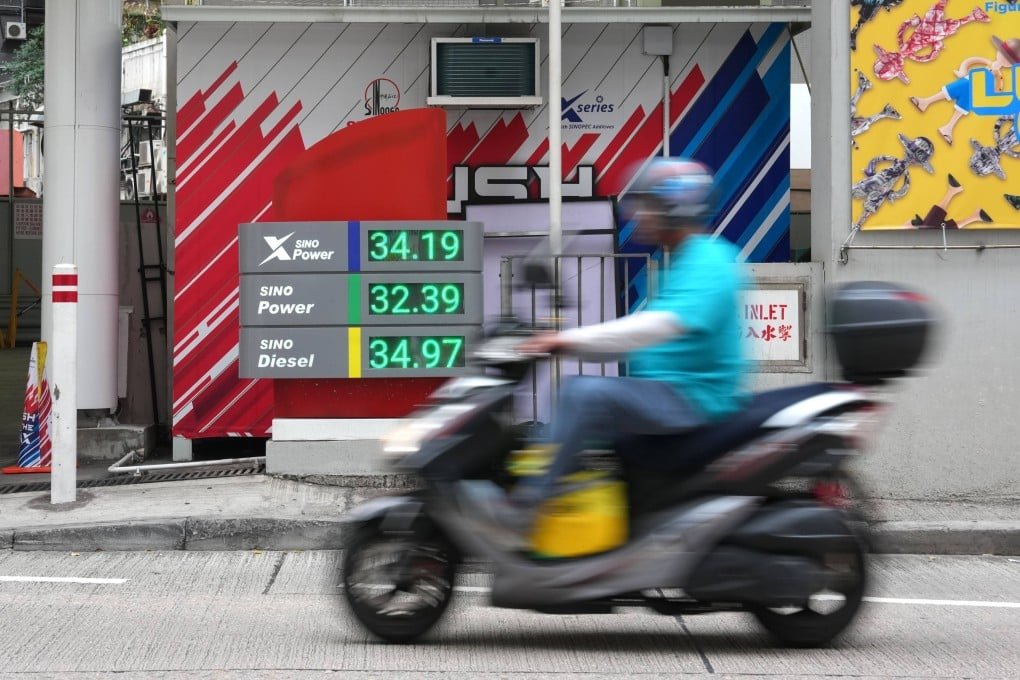
Fuel sales declined, and some categories linked to traditional discretionary spending remained under pressure.

Footwear and clothing accessories continued to show weakness despite overall gains in apparel spending.

That unevenness reflects changing consumer preferences, cautious household budgeting, and continued competition from mainland Chinese shopping destinations and online platforms.

Business sentiment has improved but remains cautious.

Retail operators expect continued support from inbound tourism and local consumption, especially around holiday periods and large-scale events.

At the same time, rising geopolitical tensions, energy costs, and shifts in regional spending behavior remain significant external risks for consumer demand.

The importance of the latest figures extends beyond retail.

Hong Kong’s economic model depends heavily on services, tourism, finance, and consumption-driven sectors.

Sustained retail expansion strengthens employment, commercial property occupancy, logistics demand, and government revenue tied to business activity.

The immediate consequence is that Hong Kong’s consumer economy has shifted from contraction into measurable expansion, with tourism recovery and domestic demand now reinforcing each other rather than moving in opposite directions.
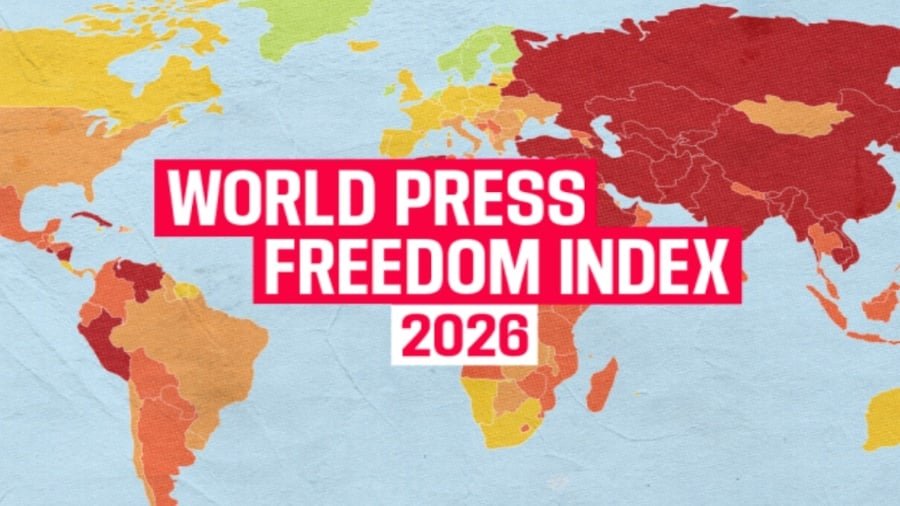
The city’s latest position in the World Press Freedom Index places it between Rwanda and Syria, reflecting years of political restructuring, newsroom closures, arrests, and tighter state oversight under the national security framework.
SYSTEM-DRIVEN

Hong Kong’s sharp decline in the World Press Freedom Index is the result of a structural transformation in the city’s political and legal environment following the imposition of the national security law and a broader reorganization of media regulation, public speech, and political control.

The latest ranking places Hong Kong at 140th globally, a position that marks one of the steepest long-term deteriorations among major international financial centers.

The ranking reflects accumulated developments rather than a single event.

Over the past several years, independent news organizations in Hong Kong have closed, senior editors and media executives have been arrested or prosecuted, journalists have reported increased self-censorship, and government scrutiny of reporting standards has intensified.

The practical effect has been a narrowing of the operational space for adversarial journalism.

What is confirmed is that multiple prominent media outlets that once played a central role in Hong Kong’s public discourse have either shut down or significantly reduced operations after legal pressure, asset freezes, arrests, or security-related investigations.

Newsrooms that remain active have increasingly adjusted editorial practices to avoid potential violations tied to sedition, national security, or public order laws.

The key issue is not only direct prosecution.

The broader mechanism is institutional pressure.

Journalists, publishers, academics, and media owners now operate within a legal environment where broadly framed security offenses carry severe penalties and where the distinction between political commentary and alleged national security risk has become far narrower than in the past.

Authorities in Hong Kong and Beijing argue that the legal changes restored stability after the large-scale protests and unrest of 2019. Officials maintain that press freedom remains protected under Hong Kong law and that only activities deemed unlawful are targeted.

The government has repeatedly rejected claims that media freedom is being dismantled, arguing instead that the city continues to support responsible journalism within the boundaries of national security legislation.

Critics, including media rights groups and former journalists from closed outlets, argue that the cumulative effect of arrests, prosecutions, licensing pressure, and political signaling has fundamentally altered the city’s media ecosystem.

They point to the departure of international correspondents, the relocation of some regional media operations, and the disappearance of openly oppositional local publications as evidence of systemic contraction.

The ranking itself has become politically sensitive.

Hong Kong and Chinese officials have challenged the methodology and credibility of international press freedom measurements, arguing that they reflect ideological bias and fail to account for public order concerns or legal differences between jurisdictions.

However, the city’s decline has been consistent across multiple independent assessments tracking civil liberties, judicial independence, and media openness.

The economic implications are increasingly part of the discussion.

Hong Kong continues to function as a major global financial center with active capital markets, international banking operations, and extensive legal infrastructure.

But multinational firms, investors, and diplomatic missions increasingly evaluate information transparency, legal predictability, and freedom of communication as part of broader political risk analysis.

The media environment has also changed operationally.

Public broadcasters have undergone leadership changes and programming reviews.

Investigative reporting has become more cautious.

Some journalists now work through overseas-based platforms, freelance arrangements, or anonymous publication structures.

Civil society groups that previously provided information, data, or advocacy support to reporters have also contracted sharply.

At the same time, pro-government and mainland-aligned media organizations have expanded their influence.

Official messaging now plays a larger role in shaping public narratives around governance, national identity, and security policy.

This shift has altered the balance between state-aligned and independent reporting that once distinguished Hong Kong from mainland Chinese media systems.

The ranking carries symbolic significance because Hong Kong historically promoted itself as a city defined by open information flows, independent courts, and international connectivity.

Its current placement alongside states with far more overtly restrictive media environments underscores how dramatically perceptions of the territory’s freedoms have changed since 2020.

The immediate consequence is not the elimination of journalism in Hong Kong, but its restructuring into a far more constrained and legally risk-sensitive industry, with national security considerations now embedded at the center of editorial decision-making.
A sharp rally in semiconductor shares has driven Montage Technology’s Hong Kong stock to a steep premium over its mainland listing, overtaking battery giant CATL and signaling a broader shift in investor demand toward Chinese artificial intelligence infrastructure plays.
SYSTEM-DRIVEN

A powerful reallocation of investor capital into artificial intelligence infrastructure and semiconductor companies is reshaping pricing across Chinese equity markets, pushing chipmaker Montage Technology above battery giant CATL as the most expensive dual-listed stock in Hong Kong relative to its mainland valuation.

The move reflects a broader structural shift in how global and regional investors are valuing Chinese technology exposure.

What is confirmed is that Montage Technology’s Hong Kong-listed shares surged sharply this week, lifting the stock to a premium of roughly forty percent over its Shanghai-listed shares after currency adjustment.

That made it the highest-priced dual-listed company in Hong Kong compared with its mainland equivalent, overtaking CATL, whose own premium narrowed after a major share issuance increased supply in the Hong Kong market.

The key issue is not simply stock performance.

It is the growing divergence between how mainland Chinese investors and international capital are pricing sectors tied to artificial intelligence, computing infrastructure, and advanced semiconductors.

Hong Kong’s market has increasingly become the preferred access point for foreign investors seeking exposure to China’s AI supply chain, especially as domestic Chinese chipmakers gain political and commercial importance.

Montage Technology specializes in memory interface chips and server-related semiconductor products that are closely tied to data center expansion and high-performance computing demand.

Investor enthusiasm around AI infrastructure spending has fueled a broad rally in companies linked to computing capacity, memory systems, and cloud hardware.

The rally also reflects a deeper scarcity dynamic.

China’s semiconductor sector remains constrained by export controls, advanced chip restrictions, and limited domestic access to leading-edge foreign technology.

That has increased investor appetite for Chinese firms viewed as strategically important to domestic chip independence.

Dual-listed Chinese companies often trade at discounts in Hong Kong relative to mainland exchanges because of liquidity differences, investor composition, taxation structures, and capital flow restrictions.

A sustained premium in Hong Kong is unusual.

The fact that both CATL and now Montage traded at historically large premiums signals exceptionally strong offshore demand rather than ordinary valuation movement.

CATL’s earlier dominance reflected global investor enthusiasm for electric vehicle batteries and energy storage systems.

The company remains the world’s largest EV battery producer and continues to benefit from long-term demand tied to electrification and power storage expansion.

However, its premium narrowed after a multi-billion-dollar Hong Kong share sale increased available stock and diluted scarcity value.

The contrast between CATL and Montage illustrates a broader market rotation.

Investors are increasingly assigning higher growth multiples to companies associated with AI computing infrastructure than to firms tied primarily to electric vehicles or traditional industrial manufacturing.

Chinese semiconductor firms have become central beneficiaries of that repricing.

The movement also highlights the strategic role of Hong Kong in China’s financial system.

International investors often face restrictions or operational hurdles when accessing mainland A-shares directly.

Hong Kong-listed shares provide easier access, deeper international liquidity, and fewer institutional barriers.

That dynamic can amplify price differences when foreign capital rapidly concentrates into specific sectors.

The broader Chinese technology rally has increasingly favored companies tied to advanced computing, optical networking, AI chips, and semiconductor equipment.

Several Chinese chip firms have recently reached record valuations as investors reposition portfolios toward what they view as the next phase of China’s industrial and technological competition.

The consequences extend beyond equity markets.

Elevated valuations strengthen semiconductor firms’ ability to raise capital, finance research, expand manufacturing, and attract institutional investment.

They also reinforce Beijing’s long-running effort to build domestic technology resilience amid geopolitical pressure and supply chain fragmentation.

For investors, the sharp premium gap creates both opportunity and risk.

Large divergences between Hong Kong and mainland pricing can narrow quickly if sentiment weakens, liquidity changes, or regulatory conditions shift.

But the current pricing structure shows that global capital is increasingly willing to pay a substantial premium for direct exposure to Chinese AI and semiconductor growth.

The immediate result is a symbolic but significant transition in market leadership: China’s most aggressively priced dual-listed stock is no longer a battery giant tied to electric vehicles, but a semiconductor company positioned at the center of the artificial intelligence infrastructure race.
The developer has opened Phase Two of Westbund Central in Shanghai, introducing international retail and lifestyle brands as part of a multi-year strategy to build a massive mixed-use urban district anchored by offices, retail, housing, and cultural space.
SYSTEM-DRIVEN

Hongkong Land is advancing the staged commercialization of its Westbund Central development in Shanghai, a large-scale mixed-use district built around a long-term urban planning and leasing strategy rather than a single construction milestone.

The latest phase focuses on how global retail and lifestyle tenants are being integrated into a regulatory and architectural framework designed to transform a former waterfront industrial zone into a high-end commercial hub.

The project, valued at roughly eight billion US dollars, is structured as a multi-phase development scheduled for completion through 2028. What is confirmed is that Phase Two has now been opened and is centered on designer retail and lifestyle concepts, marking a shift from the first phase, which focused more heavily on dining, cafés, and leisure facilities.

The new tenant lineup includes international brands such as Issey Miyake, Leica Store & Gallery, Swiss chocolatier House of Läderach, design companies HAY and Paulmann, and a multi-brand boutique operator known as SND.

These tenants are positioned as part of a curated retail ecosystem rather than a traditional shopping mall model, with the intention of attracting high-spending consumers and global foot traffic to Shanghai’s Xuhui waterfront district.

The development is not limited to retail.

It is designed as a mixed-use district spanning offices, residential buildings, hotels, cultural venues, and retail space.

Upon full completion, the project is expected to include roughly 240,000 square meters of retail, 650,000 square meters of Grade A office space, luxury residential units, hotels, and dedicated cultural facilities.

Office space is planned to host multinational companies including Adidas and Lululemon, reinforcing the site’s positioning as an international business hub.

The mechanism driving this rollout is phased urban activation.

Rather than opening the entire development at once, Hongkong Land is releasing components in stages to secure tenants, build commercial momentum, and gradually increase property value.

Phase One established initial foot traffic through food and leisure offerings.

Phase Two is designed to upgrade the tenant profile toward global design and luxury lifestyle brands.

A future Phase Three is expected to introduce flagship luxury maison stores, further elevating the site’s retail positioning.

The stakes are significant for both the developer and Shanghai’s broader commercial landscape.

Westbund Central is Hongkong Land’s largest single investment and represents a strategic push into mainland China’s premium mixed-use property sector.

The development sits within a broader shift in Chinese urban planning, where large-scale integrated districts are being used to combine commerce, culture, and residential life in dense, walkable environments.

For retailers, the project offers access to a high-income consumer base in one of China’s most economically active cities.

For Hongkong Land, it provides long-term recurring income through leasing while also increasing asset value through gradual occupancy expansion.

The scale of the project also means its performance will be closely watched as a benchmark for other international developers operating in China’s evolving property market.

As additional retail space continues to open and Phase Three approaches, the development is moving from construction-driven expansion toward full commercial activation, with leasing strategy now playing a central role in shaping the future identity of the district.
Creditors are increasingly relying on Hong Kong’s legal system to convert mainland Chinese court outcomes into enforceable judgments, testing the limits of cross-border recognition frameworks and exposing structural gaps in debt recovery between the two jurisdictions.
SYSTEM-DRIVEN

A growing number of Chinese creditors are turning to Hong Kong’s courts to enforce rulings originating from mainland China, reflecting a structural evolution in how cross-border debt enforcement is being pursued within China’s broader legal and financial system.

The shift is not driven by a single incident but by the mechanics of two partially integrated yet legally distinct judicial regimes that govern debt recognition between mainland China and Hong Kong.

At the center of the issue is Hong Kong’s statutory framework for recognizing mainland judgments.

Under the Mainland Judgments (Reciprocal Enforcement) Ordinance, enforcement in Hong Kong is not automatic.

Creditors must first register eligible mainland judgments in the Hong Kong High Court before they can seize assets locally.

The system is designed to allow reciprocal enforcement while preserving judicial autonomy and filtering what qualifies as an enforceable “judgment.”

Recent court rulings have clarified a critical limitation in this system.

Hong Kong courts have ruled that certain mainland enforcement documents, particularly those issued during enforcement proceedings rather than original adjudication, do not qualify as judgments ordering payment of money and therefore cannot be registered.

In one appellate decision, the court found that enforcement rulings tied to notarized debt instruments were administrative in nature, with the actual debt amounts determined outside the court system, meaning they failed statutory requirements for registration.

This distinction has practical consequences.

In the mainland system, enforcement proceedings can involve layered administrative and judicial steps, including notarization-based debt acceleration mechanisms.

However, Hong Kong courts require a clear judicial determination of liability and a direct order to pay a sum of money.

Documents that merely confirm enforcement status or procedural steps are not sufficient.

As a result, creditors have increasingly structured their legal strategies around ensuring that enforceable mainland judgments, rather than ancillary enforcement documents, are produced before seeking recognition in Hong Kong.

This has made the Hong Kong courts a critical second-stage enforcement venue, particularly in large-scale commercial disputes and debt restructurings involving assets located in Hong Kong.

The trend is unfolding against the backdrop of expanding cross-border legal cooperation agreements between Hong Kong and mainland China, including newer frameworks implemented in recent years that broaden the categories of enforceable judgments.

These reforms aim to reduce duplication of litigation and strengthen cross-border debt recovery, but they still preserve strict technical requirements for what constitutes an enforceable ruling.

The practical stakes are significant.

Hong Kong remains a major international financial center where many Chinese corporations hold offshore assets, issue debt, or structure financing arrangements.

For creditors, successful recognition in Hong Kong can determine whether a mainland judgment translates into real asset recovery.

For debtors, the jurisdictional separation offers limited but important procedural protections against automatic enforcement.

The legal friction exposed by recent cases highlights a broader reality: cross-border enforcement between mainland China and Hong Kong is increasingly efficient in design but still highly technical in execution.

Minor procedural differences in how a ruling is issued can determine whether billions in claims are enforceable or effectively blocked at the border between legal systems.

As courts continue to refine the boundaries of enforceability, creditors are adapting by prioritizing jurisdictional strategy at the litigation planning stage, ensuring that any mainland judgment is structured in a form that will survive scrutiny in Hong Kong.

This evolution is reshaping how cross-border debt disputes are litigated, negotiated, and ultimately resolved.
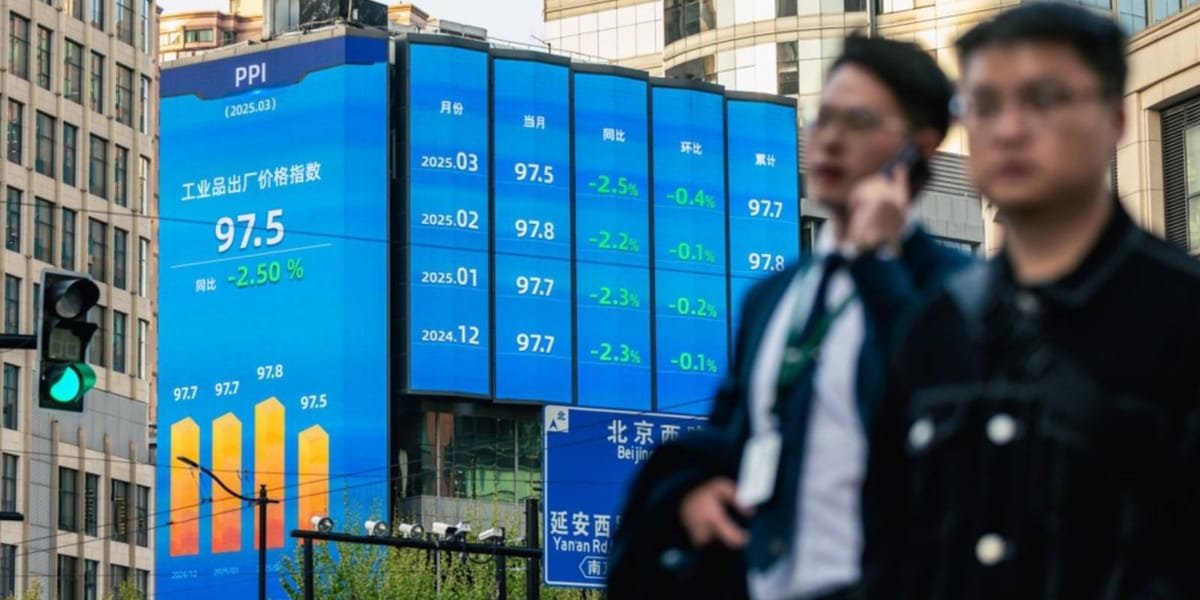
PMI falls to 48.6 in April, signaling deeper contraction as firms face rising fuel and input prices, weaker demand, and growing geopolitical uncertainty
Hong Kong’s private-sector economy has contracted further as global energy disruptions linked to the Middle East conflict push up costs and weaken demand across services and industry.

The latest S&P Global Purchasing Managers’ Index (PMI) for Hong Kong fell to 48.6 in April from 49.3 in March, marking a second consecutive month below the 50-point threshold that separates expansion from contraction.

The reading is the weakest in ten months and signals a broad-based slowdown in business activity.

The index, based on a survey of roughly 400 firms, showed declines in both output and new orders, with production shrinking at its fastest pace since mid-2025. Employment also slipped for the first time in three months, reflecting reduced workloads and easing backlogs.

These trends indicate that firms are scaling back operations rather than preparing for near-term recovery.

A key driver behind the downturn is the escalation in global energy prices tied to the Middle East conflict.

Companies across Hong Kong reported higher fuel and input costs, with survey respondents explicitly linking worsening conditions to oil price volatility and supply-chain pressure.

Input cost inflation reached its highest level in more than 14 years, while firms simultaneously raised selling prices at the fastest pace since 2023 in an attempt to protect margins.

The cost shock is particularly significant for Hong Kong because the economy is heavily service-oriented and deeply integrated into global logistics, trade, and transportation networks.

Higher fuel costs therefore ripple quickly into shipping, aviation, retail distribution, and tourism-related services.

Even firms not directly exposed to energy markets face indirect pressure through supplier pricing and weaker consumer demand.

Demand conditions have also deteriorated.

New export orders fell again, reflecting weaker external demand and ongoing uncertainty in global markets.

While some firms reported modest improvement in foreign orders earlier in the year, that momentum has now reversed.

Domestic demand has not been strong enough to offset the external slowdown, leaving overall activity in contraction.

Business sentiment remains subdued.

Forward-looking indicators in the survey suggest that companies expect continued pressure over the coming months, citing geopolitical instability, volatile energy prices, and weakening global trade conditions.

Although some firms are still hiring selectively or increasing purchasing activity, these actions appear tactical rather than indicative of sustained expansion.

The broader context is that Hong Kong is now absorbing a combination of external shocks rather than experiencing a purely domestic slowdown.

The Middle East conflict has added a new inflationary layer to already fragile global demand conditions, reinforcing a pattern seen across multiple economies where PMI readings are weakening under the combined pressure of high costs and geopolitical risk.

As long as energy markets remain unstable and global demand remains uneven, Hong Kong’s private sector is likely to remain under pressure, with cost inflation and weak orders continuing to shape business decisions across industries.
Calls are growing for Hong Kong to expand business support measures beyond fuel subsidies amid cost pressures, competitiveness concerns, and uneven post-pandemic recovery across sectors.
SYSTEM-DRIVEN pressures in Hong Kong’s economic policy framework—shaped by energy costs, fiscal constraints, and structural competitiveness challenges—are driving renewed debate over how far government support for businesses should extend beyond targeted fuel subsidies.

What is confirmed is that discussions within Hong Kong’s policy and business environment have highlighted fuel subsidies as an active but limited tool for easing operational costs for companies.

These subsidies are designed to offset part of the burden from fuel price volatility, particularly for transport-dependent industries such as logistics, construction, and small-scale retail distribution.

However, business groups and policy observers argue that such measures address only a narrow component of broader cost pressures facing the commercial sector.

Rent, wages, financing costs, and regulatory compliance expenses continue to weigh heavily on firms, particularly small and medium-sized enterprises that lack the scale to absorb sustained cost increases.

The central issue is that Hong Kong’s economic recovery following the pandemic has been uneven.

While sectors tied to finance, professional services, and high-end retail have shown relative resilience, other parts of the economy—especially consumption-driven and labour-intensive industries—have struggled to return to pre-pandemic momentum.

Fuel subsidies, in this context, function as a targeted relief mechanism rather than a structural solution.

They help mitigate short-term operational shocks but do not significantly alter the underlying cost structure of doing business in one of the world’s most expensive commercial environments.

The argument for expanding support reflects a broader concern about competitiveness.

Hong Kong continues to position itself as a global financial hub, but it faces increasing competition from regional cities offering lower operating costs and more diversified incentive packages for businesses and investors.

At the same time, fiscal policy constraints limit the scope for broad-based subsidies.

Government expenditure priorities include housing, healthcare, and infrastructure, which compete for the same fiscal space as business support programmes.

This creates a policy tension between targeted relief measures and more comprehensive economic intervention.

Business advocates therefore argue for a more integrated support framework rather than isolated subsidies.

This could include broader tax relief, targeted wage support for vulnerable sectors, or structural reforms aimed at reducing operational friction for small and medium-sized enterprises.

The fuel subsidy debate has become a proxy for this wider policy question: whether Hong Kong should continue relying on narrowly defined, cost-specific relief measures or shift toward more systemic support for business competitiveness.

For now, fuel subsidies remain part of the government’s toolkit, but pressure is increasing for policymakers to evaluate whether incremental support is sufficient in an environment where cost pressures are multi-layered and persistent.

The outcome of this debate will influence how Hong Kong balances fiscal discipline with the need to sustain private sector recovery and long-term economic positioning.
The Legislative Council has issued a formal warning to legislator Judy Chan following a reported traffic-related violation, highlighting how public conduct rules apply to elected officials in Hong Kong’s governance system.
ACTOR-DRIVEN dynamics within Hong Kong’s Legislative Council, the city’s unicameral lawmaking body, are at the centre of a disciplinary episode involving lawmaker Judy Chan, as institutional rules governing conduct and accountability intersect with a reported traffic offence.

What is confirmed is that the Legislative Council of Hong Kong has issued a warning to legislator Judy Chan over a traffic-related violation.

The action represents an official disciplinary response within the legislature’s internal governance framework, which is designed to regulate the behaviour of elected members both inside and outside formal parliamentary proceedings.

Judy Chan, a sitting member of the Legislative Council, is subject to the same statutory and ethical standards that apply to public officials in Hong Kong.

These standards include expectations of lawful conduct in private life, particularly where incidents may be viewed as affecting public trust in elected representatives.

The warning issued by the legislature does not constitute criminal adjudication but reflects an internal disciplinary mechanism.

Such mechanisms are used to signal institutional disapproval, maintain standards of public accountability, and reinforce behavioural expectations for lawmakers who represent constituents and participate in the city’s legislative process.

Traffic-related offences, depending on severity and jurisdictional classification, can range from administrative violations to more serious breaches involving safety or negligence.

In cases involving public officials, even relatively minor infractions can trigger formal review if they are deemed to carry reputational or ethical implications for the legislature as a whole.

The Legislative Council’s role in issuing warnings forms part of a broader system of parliamentary oversight that exists alongside Hong Kong’s judicial and administrative enforcement structures.

While courts handle criminal liability, the legislature retains authority over member conduct through internal codes and disciplinary procedures.

Judy Chan’s case illustrates how these parallel systems interact: a legal system addressing the offence itself, and a parliamentary institution assessing whether the conduct meets the standards expected of an elected official.

The outcome of the latter does not replace legal consequences but operates independently as a matter of institutional governance.

The practical effect of a formal warning is reputational rather than punitive in a legal sense.

It is intended to record the legislature’s position on the matter and signal to both the public and other members that conduct standards are actively enforced.

In Hong Kong’s broader political environment, where legislative oversight and public accountability have been under increased scrutiny in recent years, such disciplinary actions contribute to shaping perceptions of institutional discipline and the behaviour of elected representatives.

The case reinforces the principle that lawmakers are subject not only to electoral accountability but also to ongoing behavioural oversight by the institutions in which they serve.

That dual layer of accountability remains a defining feature of legislative governance in Hong Kong’s political system.
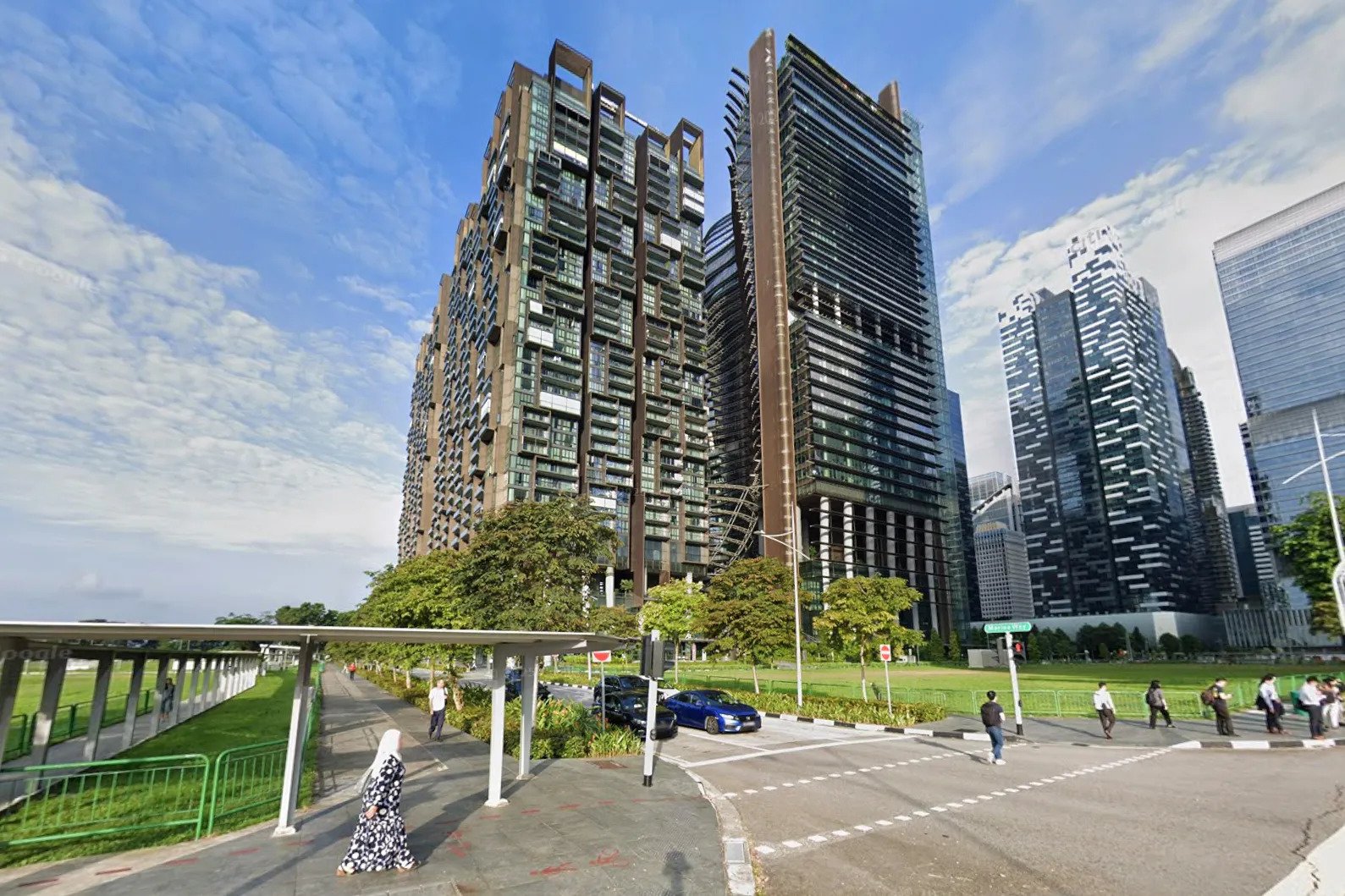
Prime Grade A office assets in Singapore’s Marina Bay district are drawing renewed attention from major property groups amid a broader reassessment of Asia’s commercial real estate market.
SYSTEM-DRIVEN forces in Singapore’s commercial real estate market—shaped by interest rate cycles, post-pandemic office demand recovery, and the repositioning of global capital toward high-quality Asian assets—are driving renewed attention toward Marina One, a major integrated development in the Marina Bay financial district.

What is confirmed is that Marina One, a large mixed-use office and residential complex in Singapore’s central business district, has attracted reported interest from major property players including CapitaLand and Hongkong Land.

These firms are among Asia’s most established real estate investors and developers, with long-standing exposure to Singapore’s premium office market.

Marina One is positioned in one of Singapore’s most strategically important commercial zones, adjacent to key financial institutions, government offices, and multinational headquarters.

Its office component is part of a broader integrated development that includes residential towers and retail space, designed to function as a self-contained urban hub within the Marina Bay district.

The reported interest comes at a time when Singapore’s Grade A office sector is experiencing a recalibration in valuations and leasing dynamics.

After a period of pandemic-driven disruption, office occupancy in prime districts has stabilised, supported by multinational firms consolidating regional headquarters in Singapore.

However, the sector is also contending with structural questions around hybrid work, space efficiency, and rising financing costs.

CapitaLand, one of Asia’s largest diversified real estate groups, has extensive exposure to Singapore’s commercial property sector through both development and investment holdings.

Hongkong Land, a long-established developer and landlord with deep roots in prime Asian office markets, similarly focuses on high-end central business district assets, particularly in Singapore and Hong Kong.

The interest in Marina One is therefore consistent with broader institutional strategies targeting stabilised, income-generating office assets in resilient financial hubs.

Such assets are increasingly attractive to long-term investors seeking predictable rental streams in markets perceived as politically and economically stable.

The mechanism driving this renewed attention is a combination of capital reallocation and valuation reset.

Higher global interest rates over the past period have pressured real estate valuations, but they have also created opportunities for well-capitalised buyers to acquire or reposition premium assets at more attractive yields.

Singapore’s regulatory stability and strong rule of law continue to make it a preferred destination for such capital flows.

Marina One itself is part of a generation of large-scale integrated developments that reflect Singapore’s urban planning strategy of combining residential, commercial, and lifestyle components within dense, transit-linked districts.

Its proximity to key transport infrastructure and financial institutions enhances its long-term appeal as a Grade A office location.

For the broader market, renewed institutional attention to assets like Marina One signals a potential stabilisation phase in Singapore’s top-tier office segment.

While secondary office locations continue to face pressure from remote work trends and corporate downsizing, prime assets in core districts are showing greater resilience due to limited supply and sustained demand from multinational tenants.

If interest from major property groups translates into transactions or strategic stakes, it would reinforce the view that Singapore’s core office market remains a defensive asset class within global real estate portfolios.

The outcome will influence pricing benchmarks for comparable Grade A developments across the Marina Bay and central business district corridor.
Markets in Hong Kong and mainland China rise on stronger industrial profit signals and renewed technology momentum, while positioning around CATL shifts sharply after heavy share sales.
SYSTEM-DRIVEN dynamics in China’s equity market—shaped by industrial profit trends, liquidity flows, and technology sector sentiment—drove a broad but uneven advance in Hong Kong and mainland Chinese shares, as investors reassessed growth expectations and risk positioning across heavyweight stocks.

What is confirmed is that Chinese and Hong Kong equities edged higher in recent trading sessions, supported by improving industrial profit data and a renewed appetite for technology-linked assets.

The benchmark Hong Kong indices gained modestly, with tech-heavy segments outperforming broader benchmarks at various points, reflecting a shift back toward growth-oriented stocks after periods of profit-taking and volatility.

The immediate macro driver was fresh industrial profit data from China, which signaled stabilisation in corporate earnings after a prolonged period of uneven recovery.

While not a uniform rebound across sectors, the data was strong enough to reinforce expectations that China’s manufacturing base may be regaining momentum, particularly in export-linked and high-end industrial segments.

This provided a supportive backdrop for equity markets that have been sensitive to growth uncertainty and policy direction.

Technology stocks played a central role in the upward drift.

Investors rotated back into large-cap tech names listed in Hong Kong after recent pullbacks, encouraged by improving sentiment around artificial intelligence, electric vehicles, and semiconductor supply chains.

The Hang Seng Tech index, which has been volatile throughout the year, showed relative strength compared with the broader market, indicating that risk appetite remains concentrated in innovation-linked equities rather than cyclical consumption sectors.

A key parallel development was the sharp shift in positioning around Contemporary Amperex Technology Co., the world’s largest electric vehicle battery producer, which is dual-listed in Shenzhen and Hong Kong.

Following a large-scale share sale that expanded available float, bearish positioning against the Hong Kong-listed shares fell significantly.

Market data showed short interest dropping to its lowest level in months, as traders unwound positions that had previously profited from valuation gaps between Hong Kong and mainland listings.

The share sale itself acted as a liquidity reset.

By increasing the supply of borrowable shares, it reduced the cost of shorting and enabled hedge funds and macro traders to exit crowded bearish trades.

At the same time, it signaled continued corporate confidence in funding expansion and international growth, particularly in battery manufacturing capacity and next-generation energy storage technologies.

Importantly, the reduction in bearish bets does not imply a uniform bullish consensus.

Instead, it reflects a repositioning after a period of extreme concentration in short trades tied to valuation spreads between dual-listed Chinese equities.

With that arbitrage pressure easing, CATL’s Hong Kong shares have stabilised near elevated levels, supported by continued investor focus on electric vehicle demand, energy transition policies, and global supply chain expansion.

Across the broader market, the interaction between macro data and stock-specific flows remains decisive.

Industrial profit improvements provide a baseline signal of stabilisation, but equity performance is still heavily influenced by liquidity conditions, regulatory expectations, and global risk sentiment toward Chinese assets.

The combined effect of stronger industrial earnings signals and easing bearish pressure in key growth stocks has therefore produced a cautious but visible uplift in Hong Kong and mainland equities, with technology and advanced manufacturing sectors leading relative performance.

Market participants are now positioning around whether this phase represents a durable earnings recovery or a temporary repricing driven by liquidity shifts and short-covering activity in high-profile growth stocks.
Battery giant’s major equity offering reshapes investor positioning as volatility rises in Hong Kong listings market
The trading response in Hong Kong’s equity market following a large-scale share sale by Contemporary Amperex Technology Co. Limited (CATL), one of the world’s dominant electric vehicle battery manufacturers, has reflected a sharp repositioning by investors after a blockbuster fundraising event.

What is confirmed is that CATL completed a major share sale in Hong Kong, attracting substantial institutional participation and marking one of the largest capital market transactions of its kind in the renewable energy and battery sector.

The offering expanded the company’s access to offshore capital and reinforced Hong Kong’s role as a secondary listing and fundraising hub for mainland Chinese technology champions.

The key issue is the post-offering market behavior.

Following the placement, short-term trading patterns indicated a retreat by bearish positions, with some investors reducing exposure after initial volatility.

This reaction is typical in large equity offerings where liquidity shifts, pricing stabilizes, and speculative positioning recalibrates in the days immediately after issuance.

CATL, a critical supplier in the global electric vehicle supply chain, produces lithium-ion batteries used by major automakers worldwide.

Its scale and technological position make its capital market activity closely watched as a proxy for broader demand trends in electric vehicles and energy storage systems.

The share sale itself reflects broader financing dynamics in the sector.

As global competition intensifies and capital-intensive expansion continues, leading battery manufacturers have increasingly turned to equity markets to fund capacity growth, research and development, and overseas expansion.

Hong Kong remains a key venue due to its international investor base and regulatory alignment with mainland issuers.

Investor reaction also reflects shifting sentiment in China-linked equities more broadly.

While long-term structural demand for electric vehicles remains intact, short-term concerns around pricing pressure, industrial overcapacity, and global macroeconomic conditions have contributed to more cautious positioning among hedge funds and trading desks.

Market mechanics following large placements often include temporary price pressure and elevated volatility as new shares are absorbed.

In CATL’s case, the scale of the transaction amplified these effects, drawing attention from global funds that track benchmark-weighted Chinese industrial and technology exposures.

The broader implication is that Hong Kong’s capital markets continue to function as a critical liquidity channel for large-scale industrial issuers, even as investor sentiment fluctuates between long-term thematic optimism and short-term risk management.

The immediate consequence is a rebalancing of positions across derivatives and cash equity markets linked to CATL, with trading activity stabilizing as the post-offering supply shock is absorbed into broader institutional portfolios.
Surge in exports and services drives recovery as city regains momentum after prolonged economic strain
Hong Kong’s economic expansion, driven by a rebound in external demand and services activity, has accelerated to its fastest pace in nearly five years, signaling a significant shift in the city’s post-pandemic recovery trajectory.

What is confirmed is that gross domestic product growth has strengthened markedly in the latest reporting period, supported by a combination of rising exports, improved financial market activity, and a gradual return of tourism and consumer spending.

The acceleration follows several years of subdued or volatile performance caused by pandemic restrictions, weak global demand, and structural adjustments in the regional economy.

The key issue is the composition of the rebound.

External trade has been a primary engine, with goods exports benefiting from improving global demand cycles and stabilization in key trading partners.

At the same time, services exports—particularly financial services, logistics, and tourism-related sectors—have contributed to growth as cross-border flows normalize.

Domestic demand is also showing signs of recovery, though at a more measured pace.

Private consumption has improved as employment conditions stabilize and inbound visitor numbers rise, supporting retail, hospitality, and transport sectors.

However, consumer confidence remains sensitive to interest rates and property market conditions, both of which continue to exert pressure on household spending.

Investment activity presents a mixed picture.

While some sectors, particularly finance and infrastructure, are seeing renewed capital flows, higher borrowing costs and global uncertainty have tempered broader business investment.

The property sector, a critical pillar of Hong Kong’s economy, continues to face downward pressure from elevated interest rates and cautious buyer sentiment.

The broader regional context is central to understanding the rebound.

Hong Kong’s economy is deeply integrated with mainland China and global trade networks.

Stabilization in mainland economic activity and improved cross-border movement have directly supported services demand, while global supply chain adjustments have influenced export performance.

Financial markets have played a stabilizing role.

As a major international financial center, Hong Kong has benefited from increased capital market activity and renewed investor engagement.

This has supported related services sectors and reinforced the city’s role as a gateway between China and global markets.

Despite the stronger headline growth, structural challenges remain.

Competition from other regional hubs, shifts in global trade patterns, and ongoing geopolitical tensions continue to shape the operating environment.

The recovery is therefore uneven, with strong external-facing sectors offset by more constrained domestic segments.

The immediate implication is that Hong Kong has entered a more sustained phase of recovery, with growth now broadening beyond initial reopening effects.

Policymakers are likely to focus on maintaining momentum through support for key industries, while managing financial stability risks tied to property and interest rates.

The current trajectory places Hong Kong on firmer economic footing, with recent growth data reinforcing its capacity to rebound as global and regional conditions stabilize.
Recognition in 2025 Travel + Leisure China rankings highlights brand repositioning and Hong Kong’s push to revive high-end tourism
Travel + Leisure China’s 2025 hotel rankings, an influential industry benchmark based on reader surveys and market perception, have named Regent Hong Kong among the country’s top 100 hotels, underscoring a broader recovery effort in Hong Kong’s luxury hospitality sector.

What is confirmed is that Regent Hong Kong, a flagship property on the Kowloon waterfront, secured a place on the list following its recent relaunch under the Regent brand.

The hotel had previously operated for years under a different identity before undergoing a substantial redevelopment and rebranding, part of a wider strategy by its parent group to reintroduce Regent as a global luxury name.

The key issue is not the award itself but what it represents: a signal that Hong Kong’s premium hotel segment is regaining traction after a prolonged downturn driven by travel restrictions, reduced mainland visitor flows, and intensified regional competition.

Recognition in a mainland China-focused ranking carries particular weight because mainland travelers are a primary customer base for Hong Kong’s high-end hospitality market.

The redevelopment of Regent Hong Kong involved a full-scale redesign of guest rooms, public spaces, and dining concepts, aiming to reposition the property at the top tier of urban luxury.

The hotel’s waterfront location overlooking Victoria Harbour remains its central asset, but the relaunch emphasized experiential design, privacy, and high-end service as differentiators in a crowded regional market.

Industry dynamics have shifted sharply.

Cities such as Singapore, Shanghai, and Tokyo have expanded their luxury hotel offerings during the years when Hong Kong faced prolonged border controls.

As travel resumes, Hong Kong is competing to reassert itself as a premium destination, particularly for affluent mainland Chinese tourists whose spending patterns strongly influence occupancy rates and pricing power.

Awards like the Travel + Leisure China list function as both marketing tools and demand signals.

They shape traveler perceptions, influence booking decisions, and help hotels command higher room rates.

For Regent Hong Kong, inclusion provides validation that its repositioning strategy is gaining recognition among its target demographic.

At the same time, the competitive environment remains intense.

New and recently upgraded properties across Asia are targeting the same high-spending clientele with aggressive pricing, brand partnerships, and experiential offerings.

Sustaining momentum will depend on maintaining service standards and differentiating beyond physical design.

The broader implication is that Hong Kong’s tourism recovery is entering a more competitive phase.

Early signs of demand return are being reinforced by selective recognition of flagship properties, but long-term performance will depend on consistent visitor inflows and the city’s ability to refresh its global appeal.

The immediate consequence is commercial: Regent Hong Kong is positioned to leverage the award in marketing and pricing strategies during the current travel cycle, reinforcing its role as a benchmark property in the city’s effort to rebuild its luxury tourism sector.
New regulatory push targets arcade prize games amid concerns over addiction, youth exposure, and legal gray areas
The Hong Kong government is moving to tighten regulation of claw machines—arcade-style prize games that have rapidly spread across the city—as authorities confront growing concern that the devices blur the line between entertainment and gambling.

What is confirmed is that officials are reviewing and updating licensing and operational rules governing claw machine venues, many of which have proliferated in shopping districts and residential neighborhoods.

These machines, which require players to pay per attempt to retrieve prizes of varying value, have traditionally operated under relatively loose oversight compared with formal gambling activities, which are tightly restricted in Hong Kong.

The key issue is structural: claw machines rely on repeated paid attempts with uncertain outcomes, a mechanic that mirrors core elements of gambling.

While operators present them as skill-based games, regulators are increasingly focused on the role of chance, payout manipulation, and prize valuation.

Machines can be calibrated to reduce win rates, creating a system where users may spend significant sums without guaranteed returns.

Authorities are particularly concerned about accessibility.

Unlike licensed betting venues, claw machine arcades are widely available to minors and often operate extended hours.

This has raised alarms about early exposure to gambling-like behavior, especially as machines become more sophisticated, offering high-value electronics or luxury items that incentivize repeated play.

New and proposed measures include stricter licensing requirements, clearer classification of machines based on prize value, and potential caps on the monetary worth of prizes.

Enforcement mechanisms are also being strengthened, with inspections targeting compliance on machine settings, transparency of odds, and consumer protections.

Some proposals under discussion involve requiring operators to disclose win probabilities or limit how machines can be adjusted.

Industry operators argue that overregulation could damage a legitimate entertainment sector, pointing out that claw machines are a long-standing part of arcade culture across Asia.

They maintain that most players understand the nature of the games and that responsible operation standards can address concerns without heavy-handed restrictions.

Critics counter that the current model lacks sufficient safeguards and exploits behavioral psychology, particularly among younger users.

They point to patterns of repeated spending, near-miss mechanics, and the illusion of skill as factors that can encourage compulsive play.

The broader implication is regulatory precedent.

Hong Kong’s approach may influence how other jurisdictions treat similar gray-area gaming formats, including digital loot boxes and hybrid arcade-gambling systems.

The city’s historically strict stance on gambling makes this a test case for how emerging quasi-gaming industries are classified and controlled.

What happens next is a phased implementation of revised rules, with authorities signaling that enforcement will intensify once updated guidelines are finalized.

Operators will be required to adapt their business models to meet compliance standards, while consumers will encounter clearer boundaries between entertainment and regulated gambling environments.
Potential listing signals strategic push into electrification while tapping capital markets to fund growth
Sany Heavy Industry, one of China’s largest construction machinery manufacturers, is considering an initial public offering in Hong Kong for its electric-focused business unit, reflecting a broader strategic shift toward new energy technologies and a need for dedicated capital to scale that transition.

What is confirmed is that the company is evaluating a listing of its electric division, which develops battery-powered heavy equipment and related technologies.

The plan has not been finalized, and key details including timing, valuation, and offering size remain under consideration.

The move would separate the electric business financially and operationally from Sany’s traditional diesel-based machinery operations.

The mechanism behind the proposed IPO is straightforward: raising capital specifically earmarked for the development and expansion of electric construction equipment.

Electrification in heavy industry requires significant upfront investment in research, battery systems, charging infrastructure, and supply chains.

By listing the unit independently, Sany would be able to attract investors focused on clean energy growth rather than conventional industrial cycles.

The timing reflects structural changes in both policy and market demand.

Governments, particularly in China, have been pushing for lower emissions across industrial sectors, including construction and mining equipment.

At the same time, large contractors and infrastructure developers are increasingly under pressure to reduce carbon footprints, creating a growing market for electric alternatives.

Sany’s electric unit is positioned to compete in an emerging segment that remains technically challenging.

Heavy machinery requires large batteries, durable components, and reliable performance under demanding conditions.

This raises costs and limits margins in the early stages of adoption.

The IPO would provide funding to address these constraints, including improving battery efficiency and scaling manufacturing capacity.

Hong Kong is being considered as the listing venue due to its role as a key financial gateway for Chinese companies seeking international investors.

A successful offering would allow Sany to diversify its funding sources and potentially achieve a higher valuation for its electric business than if it remained embedded within the parent company.

The stakes extend beyond Sany.

A successful IPO could serve as a benchmark for other industrial firms seeking to spin off and monetize clean energy divisions.

It would also test investor appetite for electrification in sectors traditionally seen as difficult to decarbonize.

However, the plan carries risks.

Investor sentiment toward new listings has been uneven, and valuations for clean technology companies have faced pressure amid rising interest rates and more cautious capital markets.

There is also execution risk: the electric unit must demonstrate commercial viability, not just technological promise, to sustain investor confidence.

The proposal remains under active evaluation, but its direction is clear.

Sany is moving to position electrification as a standalone growth engine, using capital markets to accelerate a transition that is increasingly being driven by regulation, customer demand, and competition.

If the IPO proceeds, it would mark a concrete step in the industrial sector’s shift toward low-emission technologies, with capital allocation increasingly tied to the pace and credibility of that transition.
The cash-strapped developer is exploring partial divestment of three flagship hotels, underscoring wider stress in Hong Kong’s property sector and ongoing efforts to stabilize its balance sheet.
Systemic pressure in Hong Kong’s property market is again forcing one of its largest developers, New World Development, to consider asset sales as it grapples with heavy debt and weak real estate conditions.

The company is in discussions to sell its 50 percent stake in a portfolio of three Hong Kong hotels valued at about two billion dollars.

What is confirmed is that the portfolio includes the Grand Hyatt Hong Kong, the Renaissance Harbour View Hotel, and the Hyatt Regency in Kowloon.

The other half of the assets is held by the Abu Dhabi Investment Authority, reflecting a joint-venture structure that has long been used in the city’s high-value hospitality sector.

The potential transaction would see New World divest part of its exposure to these prime assets while retaining a presence in the portfolio.

The process remains at a negotiation stage, and the outcome is not guaranteed.

Multiple parties are reportedly being considered, including an Asia-focused real estate investment manager backed by a major Japanese financial institution.

Any deal is expected to generate only a limited cash inflow relative to the scale of New World’s liabilities, highlighting the constrained financial relief such a sale would provide.

The key issue is not simply asset disposal but the broader liquidity strain facing the developer.

New World is widely viewed as one of Hong Kong’s most indebted major property groups, with its financial position pressured by falling asset values, slower transaction volumes, and higher refinancing costs across the sector.

Earlier restructuring efforts have included refinancing large loan packages and selling or monetizing commercial and hospitality holdings.

The hotel portfolio itself is strategically significant.

These properties are among Hong Kong’s most prominent international hospitality assets, located in core business and tourism districts.

However, even high-quality assets have become less liquid in the current environment, as investor demand has cooled and financing conditions remain tight.

The broader context is a prolonged downturn in Hong Kong real estate, which has affected both residential and commercial segments.

Developers across the sector have been selling stakes in malls, offices, and hotels to manage leverage.

In parallel, potential large-scale capital injections or control changes involving New World have been discussed in the market, but no comprehensive restructuring deal has been finalized.

For New World, the proposed hotel stake sale would likely be one component of a wider ongoing balance-sheet adjustment strategy rather than a standalone fix.

The company’s ability to stabilize its financial position will depend on whether asset sales, refinancing, or external capital can meaningfully offset its debt burden in a market where valuations remain under sustained pressure.
Experts warn that record holiday crowds are overwhelming popular sites, highlighting the need for coordinated, top-down environmental management
SYSTEM-DRIVEN pressures in Hong Kong’s tourism infrastructure are coming into focus after a surge in visitor numbers during the mainland China “Golden Week” holiday exposed strain on popular outdoor destinations and revived debate over the city’s approach to ecotourism management.

What is confirmed is that Hong Kong experienced a sharp increase in visitor activity during the Golden Week holiday period, a traditionally high-travel window when millions of mainland Chinese tourists travel domestically and internationally.

Popular natural attractions such as hiking trails, coastal parks, and rural villages saw heavy congestion, with local authorities and conservation groups reporting visible environmental and logistical pressure.

The key issue is structural: Hong Kong’s ecotourism sites are not managed under a unified, top-down framework capable of handling mass tourism flows during peak periods.

Instead, responsibility is fragmented across multiple agencies, conservation bodies, and local administrations, creating uneven enforcement of visitor limits, waste management standards, and environmental protection measures.

Experts argue that this fragmentation becomes most visible during holiday surges, when visitor numbers spike far beyond baseline capacity.

Without coordinated entry controls or dynamic crowd management systems, high-traffic sites face overcrowding, trail degradation, litter accumulation, and strain on local infrastructure such as transport links and sanitation facilities.

Hong Kong’s geography amplifies the challenge.

Despite its dense urban core, a significant portion of its land area consists of protected country parks, coastal reserves, and hiking networks that are freely accessible to the public.

These spaces are a major attraction for both residents and tourists seeking outdoor recreation, but they were not originally designed for sustained mass tourism volumes.

The Golden Week surge has therefore become a recurring stress test for the city’s environmental governance model.

Each year, temporary crowding highlights gaps in visitor flow regulation, but long-term structural reform has lagged behind rising demand for nature-based tourism.

Tourism specialists point out that without centralized policy direction, individual site managers lack the tools to coordinate capacity limits across the entire system.

This includes the absence of unified ticketing systems, real-time visitor tracking, or enforceable quotas for highly sensitive ecological zones.

At the same time, Hong Kong faces a policy tension between accessibility and conservation.

Open access to natural areas is a core feature of the city’s identity and public space policy, but unrestricted access during peak tourism periods creates environmental trade-offs that are becoming harder to manage.

The implications extend beyond environmental wear.

Overcrowding can degrade visitor experience, increase safety risks on narrow trails, and strain emergency response capacity in remote areas.

It can also accelerate long-term ecological damage in sensitive habitats already under pressure from urban expansion and climate-related stressors.

Calls for a top-down ecotourism strategy therefore focus on building a coordinated framework that can regulate demand without fully restricting access.

This includes proposals for timed entry systems, visitor caps during peak periods, improved transport coordination to disperse crowds, and stronger enforcement of conservation rules.

The Golden Week episode underscores a broader shift in Hong Kong’s tourism economy: demand for outdoor and nature-based experiences is rising faster than the governance systems designed to manage it.

Without structural reform, experts warn that seasonal surges will continue to expose the limits of a fragmented management model and increase long-term pressure on the city’s natural environment.
A landmark prosecution tests the boundaries of information flow, market access, and compliance standards in Asia’s hedge fund industry
ACTOR-DRIVEN dynamics define the unfolding insider trading trial involving Segantii Capital Management, a prominent Hong Kong hedge fund, where prosecutors allege that a single $1.14 million trade became the catalyst for one of the city’s most closely watched financial crime cases in years.

What is confirmed is that Hong Kong’s authorities have brought insider trading charges linked to trading activity involving Segantii Capital Management and individuals connected to the firm.

The case centers on a specific transaction valued at approximately $1.14 million, which regulators argue was executed using non-public, price-sensitive information tied to a corporate event in Hong Kong’s equity markets.

Segantii Capital Management is a multi-strategy hedge fund known for its event-driven trading approach and its significant presence in Asia’s block trading and secondary markets.

The firm has historically operated at the intersection of institutional order flow, private deal execution, and rapid positioning around corporate announcements, making it a key participant in Hong Kong’s high-speed equity ecosystem.

The key issue is not the size of the trade itself, but what it represents: the legal boundary between legitimate market intelligence gathering and unlawful use of material non-public information in a market structure where hedge funds, investment banks, and brokers often operate in close informational proximity.

Insider trading cases in Hong Kong typically require prosecutors to demonstrate that specific individuals had access to confidential information, that the information was material to price formation, and that trades were executed with knowledge of that information before it became public.

The Segantii case is being closely scrutinized because it involves institutional actors rather than individual retail traders, raising the stakes for compliance standards across the hedge fund industry.

The alleged trade of $1.14 million has become symbolic within the broader investigation because it is being treated as a reference point for reconstructing the flow of information inside trading desks, communications between market participants, and timing of order execution relative to corporate disclosures.

Hong Kong’s regulatory environment is particularly sensitive to insider trading enforcement due to its role as a global financial hub for mainland Chinese companies and international capital.

Authorities have increasingly focused on strengthening market integrity frameworks to align with global standards, especially as trading volumes in derivatives, block trades, and cross-border listings continue to expand.

If the allegations are proven in court, the implications extend beyond a single fund.

A conviction would reinforce stricter expectations around information barriers, internal compliance controls, and surveillance of employee communications within hedge funds operating in Asia’s most active equity market.

For Segantii, the reputational impact is already material, as hedge funds rely heavily on counterpart trust, execution access, and institutional relationships with banks and brokers.

Even before legal resolution, regulatory scrutiny can affect trading capacity, prime brokerage relationships, and participation in large block transactions.

The broader consequence is a tightening of operational discipline across Hong Kong’s hedge fund ecosystem.

Firms are likely to increase compliance monitoring, restrict informal information channels, and enhance documentation of trade rationale to reduce exposure to similar allegations.

The trial also underscores a structural tension in modern markets: the faster and more interconnected trading becomes, the harder it is to clearly separate legitimate market insight from prohibited informational advantage.

That tension is now being tested directly in court through a case anchored by a single $1.14 million trade that has expanded into a wider examination of how institutional trading desks operate under regulatory scrutiny.

The outcome will shape not only the legal standing of the individuals involved, but also the operational norms for hedge funds navigating Hong Kong’s increasingly enforcement-driven financial environment.
Extreme oversubscription and sharp first-day gains highlight a speculative wave in Hong Kong’s healthcare and tech listings
Star Sports Medicine Co. delivered one of the most striking Hong Kong market debuts of the year, with its shares surging as much as 204% above its initial public offering price during the first trading session.

The Beijing-based medical device manufacturer, which focuses on sports-related orthopedic implants and rehabilitation equipment, saw its stock climb from HK$98.50 to intraday levels near HK$299, reflecting intense early demand from investors.

The listing raised approximately HK$829.6 million and was heavily oversubscribed, with retail subscription demand reportedly exceeding available shares by thousands of times.

This imbalance has become a defining feature of recent Hong Kong IPOs, where limited allocations and strong speculative interest frequently lead to sharp post-listing price spikes.

The key issue is not the performance of a single company but the broader structure of Hong Kong’s current IPO environment.

A growing number of new listings are experiencing extreme first-day gains driven by underpriced offerings, constrained float sizes, and concentrated retail participation.

This pattern has been particularly visible in healthcare, technology, and advanced manufacturing sectors.

Star Sports operates in the orthopedic and sports medicine segment, producing surgical devices and rehabilitation products used in joint repair and injury treatment.

Its business reflects a wider push among Chinese healthcare companies to raise capital in Hong Kong, where access to international investors and relative regulatory flexibility make the market attractive for expansion-stage firms.

Market data shows that similar listings in recent months have also recorded triple-digit percentage gains on debut, suggesting that Star Sports is part of a broader cycle rather than an isolated anomaly.

Average first-day gains across new Hong Kong listings have risen significantly, driven by repeated patterns of oversubscription and tight public float structures.

The mechanics of this trend are rooted in IPO pricing strategies.

Offer prices are often set conservatively to ensure full subscription, but limited share availability in retail tranches leads to aggressive buying pressure once trading begins.

This creates rapid repricing in the secondary market as investors compete for scarce shares.

Hong Kong’s role as a primary offshore listing venue for mainland Chinese firms has reinforced this dynamic.

With restricted access to U.S. capital markets for many Chinese companies, Hong Kong has become the central platform for equity fundraising in healthcare and technology sectors seeking global capital exposure.

The result is a market increasingly defined by initial trading volatility rather than gradual price discovery.

While issuers benefit from successful capital raising and strong opening valuations, investors face heightened risk of entering positions after sharp early-stage price inflation.

Star Sports’ debut underscores the persistence of this IPO cycle, where speculative demand, limited supply, and sector-driven enthusiasm combine to produce extreme first-day market moves.

The continuation of this pattern will depend on whether upcoming listings sustain similar levels of investor oversubscription and liquidity concentration.
Crypto momentum faces regional cooling while investor appetite pivots toward high-growth AI listings in Hong Kong
Market-driven shifts in global capital allocation are pushing Bitcoin toward the $80,000 threshold even as a key source of demand in Asia shows signs of weakening, highlighting a divergence between speculative digital assets and surging equity interest in artificial intelligence companies.

What is confirmed is that Bitcoin has recently tested levels close to $80,000, extending a rally fueled by institutional inflows, exchange-traded product demand, and expectations of looser monetary conditions in major economies.

The move places the cryptocurrency near historic highs and underscores its continued sensitivity to global liquidity cycles rather than purely retail-driven enthusiasm.

At the same time, trading data indicates that Asian buying pressure—long a critical driver of crypto price momentum—has moderated.

Regional premiums that typically signal strong demand have narrowed or turned negative, suggesting reduced appetite among traders in key markets such as Hong Kong, South Korea, and parts of mainland China-linked platforms.

This cooling does not signal a collapse in participation but reflects a shift in where speculative capital is being deployed.

The key issue is the rapid reallocation of investor attention toward equity markets in Hong Kong, where a wave of artificial intelligence-focused initial public offerings has generated outsized returns.

Several newly listed companies tied to AI infrastructure, data services, and semiconductor ecosystems have seen sharp post-listing gains, drawing liquidity away from alternative assets.

The surge has been amplified by policy support for technology financing and a broader effort to position Hong Kong as a capital hub for next-generation industries.

This dynamic is reshaping short-term crypto flows.

Institutional investors, particularly hedge funds and multi-asset managers, are increasingly treating Bitcoin as one component within a broader risk portfolio rather than a standalone speculative trade.

When high-growth equity opportunities emerge with clearer earnings narratives, capital rotates accordingly, dampening marginal demand for digital assets.

Despite softer Asian participation, Bitcoin’s resilience reflects structural changes in its investor base.

Spot-based investment vehicles and regulated market access in the United States and Europe have reduced reliance on offshore retail flows.

This has made price action more stable but also more sensitive to macroeconomic signals such as interest rate expectations and dollar liquidity.

The divergence also highlights a broader competition between asset classes.

Artificial intelligence equities offer exposure to tangible revenue growth and government-backed industrial policy, while cryptocurrencies continue to trade largely on scarcity narratives and macro hedging.

In periods where growth visibility improves, equities tend to attract incremental capital at the expense of more abstract stores of value.

For Hong Kong, the IPO surge represents a strategic shift.

Authorities have actively encouraged listings tied to advanced technology sectors, aiming to revive market activity and compete with mainland exchanges and U.S. capital markets.
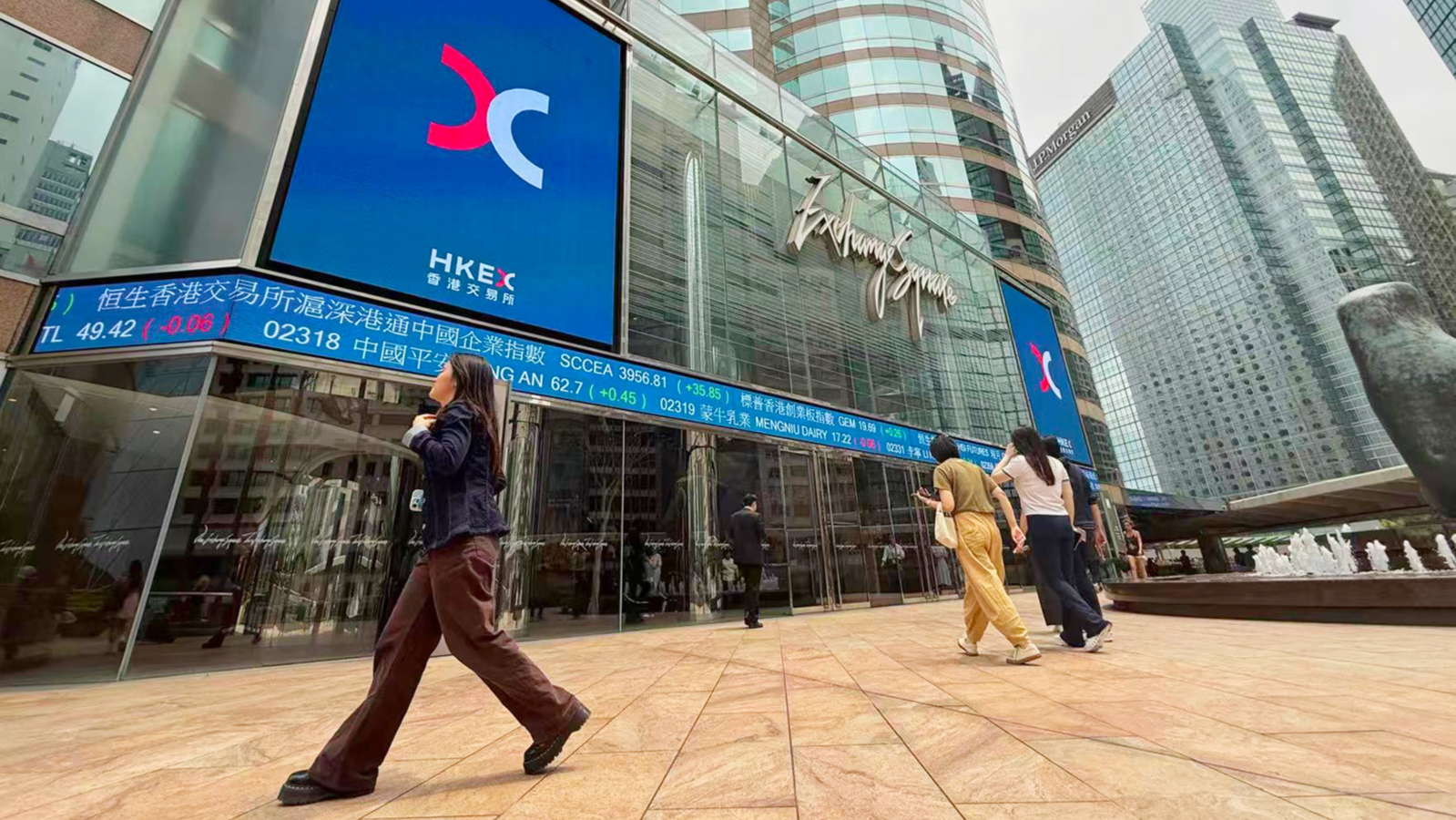
The strong debut performance of AI-linked companies signals that global investors are willing to re-engage with the city when compelling sectoral themes align with policy support.

The immediate consequence is a more fragmented global risk environment.

Bitcoin remains elevated and volatile, supported by institutional demand, while regional flows fluctuate based on competing opportunities.

Equity markets tied to artificial intelligence are absorbing a growing share of speculative and growth-oriented capital, particularly in Asia.

This redistribution of capital does not weaken Bitcoin’s long-term positioning but introduces new constraints on momentum.

As long as alternative high-return opportunities persist, especially in policy-backed sectors like AI, crypto rallies are likely to face intermittent headwinds from shifting investor priorities.

The current market reflects a recalibration rather than a reversal, with capital actively rotating between digital assets and equity growth stories depending on relative opportunity.
Explosive first-day gains underscore renewed investor appetite and Hong Kong’s push to revive its capital markets
Star Sports’ stock market debut in Hong Kong, where shares surged more than 200 percent on the first day of trading, reflects a broader resurgence in initial public offerings driven by strong retail demand, limited float structures, and a strategic push to re-energize the city’s financial markets.

What is confirmed is that the company’s shares more than tripled shortly after listing, marking one of the most dramatic first-day performances in Hong Kong in recent years.

The scale of the jump places the listing among a growing cluster of highly volatile debuts that have attracted speculative trading and intense investor attention.

Trading volumes were elevated, with rapid price swings characteristic of a market environment dominated by momentum-driven buying.

The mechanism behind the surge is rooted in supply-demand imbalance.

Many recent Hong Kong IPOs have featured relatively small public floats, meaning only a limited portion of total shares is available for trading.

When combined with strong retail participation and margin financing, this creates conditions for sharp price escalation once trading begins.

Institutional allocations often remain locked or limited, amplifying the impact of early buying pressure.

Hong Kong’s regulatory adjustments have also contributed to the trend.

Authorities have introduced measures aimed at attracting more listings, including streamlined approval processes and accommodations for companies with non-traditional structures or growth profiles.

This has coincided with a deliberate effort to position the city as the primary offshore listing venue for Chinese and regional firms amid shifting global capital flows.

The stakes extend beyond a single listing.

After a prolonged period of subdued IPO activity, driven by geopolitical tension, regulatory crackdowns, and weak investor sentiment, Hong Kong is seeking to reassert itself as a leading global fundraising hub.

High-profile and high-performing debuts serve as signals to both issuers and investors that liquidity and appetite are returning.

However, the implications are mixed.

While sharp first-day gains generate headlines and attract capital, they also raise concerns about pricing discipline and market stability.

Companies that experience extreme early surges can face pressure to justify valuations that rapidly detach from fundamentals.

For investors, the environment increases the risk of volatility-driven losses once initial momentum fades.

Regulators and market participants are closely monitoring these dynamics.

There is an ongoing balancing act between encouraging listings and maintaining orderly market behavior.

Excessive speculation could undermine confidence if followed by abrupt corrections, particularly among retail investors who are often most exposed to short-term swings.

The broader consequence is a market increasingly defined by episodic bursts of activity rather than steady growth.

Hong Kong’s ability to convert debut-day enthusiasm into sustained capital formation will determine whether the current IPO revival represents a structural recovery or a cycle driven by short-term liquidity and sentiment.

The immediate outcome is clear: Star Sports’ debut has reinforced momentum in Hong Kong’s listing market, prompting other companies to accelerate plans to go public in a window where investor demand is proving both strong and highly reactive.
A state-influenced model blending capital markets, policy direction, and regional integration is reshaping how Chinese innovation ecosystems scale and compete globally
China’s evolving innovation strategy, increasingly anchored in Hong Kong’s role as a financial and regulatory bridge, is reshaping the traditional Silicon Valley model by combining state direction, capital market access, and tightly integrated industrial policy.

What is confirmed is that Hong Kong has taken on a renewed role as a launchpad for Chinese technology firms seeking global capital and legitimacy while remaining aligned with mainland priorities.

Authorities have expanded listing rules, promoted secondary listings for mainland companies, and encouraged cross-border financial flows through programs that connect Hong Kong markets with mainland exchanges.

This framework allows Chinese firms to raise funds at scale while operating within a system that balances international investor access with domestic oversight.

The mechanism differs sharply from Silicon Valley’s historically decentralized, venture capital-driven ecosystem.

In China’s model, government policy plays a central role in identifying priority sectors such as semiconductors, artificial intelligence, and advanced manufacturing.

Capital is then directed—through state-backed funds, local government incentives, and policy guidance—toward companies operating in these areas.

Hong Kong’s capital markets provide an external-facing layer, enabling these firms to access foreign investment without fully detaching from state influence.

This hybrid system has been reinforced by regulatory shifts in recent years.

Mainland authorities have tightened oversight of overseas listings while encouraging companies to list closer to home, particularly in Hong Kong.

At the same time, Hong Kong has adjusted its regulatory framework to accommodate high-growth, pre-profit technology firms, mirroring aspects of U.S. listing practices while maintaining alignment with Beijing’s broader strategic objectives.

The stakes are both economic and geopolitical.

By reshaping how technology companies are funded and scaled, China is reducing reliance on U.S.-centered capital markets and insulating its innovation pipeline from external pressure, including export controls and investment restrictions.

Hong Kong’s role as an intermediary helps maintain access to global capital pools even as political tensions reshape financial flows.

For companies, the model offers advantages in scale and speed but imposes constraints on autonomy.

Firms benefit from coordinated support across financing, regulation, and market access, yet operate within a system where policy priorities can shift rapidly and influence corporate strategy.

This trade-off distinguishes the Chinese approach from the more market-driven dynamics of Silicon Valley.

The broader consequence is the emergence of competing innovation systems.

The U.S. model continues to emphasize private capital, open networks, and global talent mobility, while China’s model integrates state planning with selective openness.

Hong Kong sits at the intersection, functioning as both gateway and filter, channeling capital into sectors deemed strategically critical.

This restructuring is already influencing global investment patterns.

Capital that once flowed predominantly into U.S. tech ecosystems is increasingly being redirected toward Asia-based opportunities aligned with government priorities.

At the same time, multinational investors are recalibrating risk assessments, weighing access to growth against regulatory and political considerations.

The next phase is operational rather than theoretical: more Chinese technology firms are expected to use Hong Kong as their primary fundraising venue, reinforcing the city’s role as the financial core of a distinctly state-shaped innovation ecosystem that is designed to compete directly with Silicon Valley on scale, speed, and strategic focus.
Canberra is expanding bilateral and regional trade agreements to diversify exports, reduce geopolitical exposure, and reinforce a rules-based trade system
SYSTEM-DRIVEN trade policy is reshaping Australia’s global economic positioning as the government intensifies efforts to secure and expand trade agreements in response to rising protectionist risks from the United States and ongoing strategic dependence on China.

What is confirmed is that Australia has moved aggressively in recent years to broaden its network of free trade agreements and economic partnerships, positioning itself as one of the most active mid-sized economies in pursuing market access through formal trade frameworks.

This strategy is designed to reduce vulnerability to sudden policy shifts by major powers and to stabilize export flows across multiple regions.

The immediate backdrop is a shifting global trade environment.

The United States has signaled a more protectionist approach in several policy areas, including tariffs, industrial subsidies, and domestic manufacturing incentives.

At the same time, China remains Australia’s largest trading partner, creating a structural dependence that has previously exposed Australian exporters to coercive trade restrictions during diplomatic disputes.

Australia’s response has been to deepen engagement with a wide range of partners across Asia, Europe, and the Indo-Pacific.

Existing agreements with Japan, South Korea, and Southeast Asian nations have been expanded, while newer frameworks such as regional trade pacts have increased integration across multiple economies.

Bilateral deals with countries including India and the United Kingdom have also been prioritized to open alternative markets for key exports.

The mechanism is straightforward but strategically significant.

Trade agreements reduce tariffs, align regulatory standards, and provide legal protections for exporters and investors.

By locking in these rules across multiple jurisdictions, Australia aims to ensure continuity of access even if geopolitical tensions disrupt individual bilateral relationships.

The stakes are particularly high given Australia’s export profile.

The economy relies heavily on commodities such as iron ore, coal, and liquefied natural gas, as well as agricultural products and education services.

Concentration in a small number of markets, especially China, has historically amplified the impact of political or economic disruptions.

Recent policy efforts have therefore focused on diversification.

India has emerged as a key target market, with agreements designed to reduce tariffs on Australian goods and expand services trade.

European negotiations aim to secure deeper access for agricultural exports, although progress has been uneven due to disagreements over market protections.

At the same time, Australia has played a visible role in supporting multilateral trade systems and regional agreements that promote open markets.

This includes participation in Indo-Pacific frameworks and continued commitment to comprehensive regional trade deals that include multiple major economies.

The approach reflects a strategic preference for rules-based systems over unilateral arrangements.

The relationship with China remains central but recalibrated.

Trade flows have largely stabilized after a period of disruption, with key exports such as iron ore continuing at high volumes.

However, policymakers are actively reducing overreliance by cultivating alternative buyers and supply chains.

The reference to countering potential policy shifts linked to Donald Trump reflects concerns that a future U.S. administration could further prioritize domestic industry through tariffs or trade restrictions.

While the United States is not Australia’s largest export destination, changes in U.S. trade policy can reshape global demand patterns and supply chains, indirectly affecting Australian exports.

The economic implications of this strategy are long-term.

Expanding trade agreements requires sustained negotiation and regulatory alignment, but once established, they can provide durable frameworks that reduce uncertainty for businesses and investors.

The immediate consequence is that Australia is positioning itself as a proactive architect of trade stability in a fragmented global environment, using agreements as a hedge against both geopolitical risk and economic concentration.

The next phase will involve finalizing pending negotiations and implementing existing agreements, with the objective of translating diplomatic progress into measurable increases in diversified export flows and reduced exposure to single-market shocks.
A looming decision over a Chinese-linked lease at a strategic northern port is becoming a focal point for both national security policy and the fragile reset in Sino-Australian relations
ACTOR-DRIVEN government decision-making in Australia is shaping a high-stakes review of Darwin Port, a strategically located northern harbor leased to a Chinese-linked company, in a case that now sits at the intersection of national security policy and efforts to stabilize relations with China.

What is confirmed is that the Australian government is actively reviewing the long-term lease of Darwin Port, currently operated by a company controlled by Chinese interests under a 99-year agreement signed in 2015. The port sits near critical defense infrastructure and is geographically positioned as a gateway to the Indo-Pacific, making it a sensitive asset in Australia’s strategic planning.

The central issue is whether the lease arrangement remains acceptable under current national security standards.

When the deal was approved, scrutiny of foreign investment in critical infrastructure was less stringent.

Since then, Australia has significantly tightened its regulatory framework, expanding powers to review and potentially unwind foreign ownership in sectors deemed vital to national interest.

Security agencies have raised concerns about the potential for intelligence risks and strategic leverage arising from foreign control of infrastructure located close to military operations.

Darwin hosts rotational deployments of foreign troops and serves as a logistical hub for regional defense activities, elevating the port’s importance beyond commercial shipping.

At the same time, the review is unfolding against a backdrop of cautiously improving relations between Australia and China after several years of trade restrictions and diplomatic strain.

Recent efforts by both governments have focused on stabilizing economic ties, including the removal of some trade barriers and the resumption of high-level dialogue.

The Darwin Port case has therefore become more than a domestic policy question.

It is also a test of whether Australia can enforce stricter security standards without triggering a renewed deterioration in bilateral relations.

A forced divestment or termination of the lease could be interpreted by Beijing as a politically motivated move, while allowing the arrangement to continue could draw domestic criticism over security risks.

The company operating the port has maintained that it complies with Australian law and operates as a commercial entity without involvement in state-directed activities.

The allegation that the port poses a direct security threat has not been proven in public disclosures, but policymakers are evaluating risk based on potential exposure rather than confirmed misuse.

Australia’s foreign investment review system now includes powers to impose conditions, require operational changes, or order divestment if a transaction is deemed contrary to national interest.

The Darwin Port review is one of the most prominent tests of these expanded authorities in practice.

Economically, the port is a relatively small asset in global terms but significant for northern Australia’s development strategy.

Any change in ownership or operational control could affect regional investment flows, infrastructure planning, and trade logistics in the area.

For China, the outcome carries symbolic and practical weight.

The lease has often been cited as an example of Chinese commercial presence in developed markets.

A reversal would signal tighter barriers to such investments, while a negotiated adjustment could demonstrate a pathway for coexistence under stricter rules.

The decision timeline has tightened as political pressure builds domestically.

Australian leaders have indicated that national security considerations will be decisive, but have also emphasized the importance of maintaining stable economic relations with China.

The immediate next step is a formal determination by the government following the security review, which will set a precedent for how Australia balances foreign investment openness with strategic risk management in critical infrastructure.
Listing activity continues to build in Hong Kong even as geopolitical shocks tied to Iran-related conflict test global risk appetite and capital flows
SYSTEM-DRIVEN — Hong Kong’s initial public offering (IPO) pipeline and broader equity listing market structure are being tested by renewed geopolitical volatility linked to escalating conflict involving Iran and Israel, yet current market conditions indicate continued momentum in planned listings rather than a broad withdrawal of issuance.

What is confirmed is that Hong Kong remains one of the world’s primary venues for equity fundraising, particularly for mainland Chinese companies seeking international capital while maintaining regulatory and political proximity to China.

The city’s exchange system is designed to absorb cross-border capital flows, and its listing pipeline is shaped by a steady flow of pre-approved or in-process IPO candidates, especially in technology, healthcare, and advanced manufacturing sectors.

Recent market behavior shows that despite spikes in global risk aversion triggered by Middle East conflict dynamics, IPO preparation activity has not materially stalled.

Instead, underwriting processes, investor roadshows, and regulatory filings continue to progress, though often with adjusted timing.

This reflects a structural feature of Hong Kong’s pipeline: listings are typically staged over months, making them less sensitive to short-term volatility than spot equity trading.

The key mechanism at work is risk compartmentalization.

While geopolitical shocks such as Iran-related conflict episodes can trigger immediate volatility in global equities, Hong Kong’s IPO market is partially insulated because issuers can delay pricing windows without canceling deals outright.

Investment banks and sponsors often re-anchor valuation ranges rather than withdrawing transactions, preserving the pipeline even during unstable periods.

At the same time, investor sentiment is more selective.

Institutional demand tends to tighten during periods of geopolitical stress, with capital rotating toward defensive sectors and higher-quality issuers.

This creates a divergence: the number of companies in the pipeline remains stable or rising, while execution quality and pricing discipline become more stringent.

The broader context is that Hong Kong’s role as a fundraising hub has been reinforced by shifting global capital structures.

Mainland Chinese firms increasingly rely on Hong Kong listings for international exposure, while global investors continue to view the city as a gateway into China-linked growth sectors.

This dual dependency supports a persistent listing pipeline even when external shocks affect sentiment.

What is also evident is that volatility linked to Middle East conflict, including Iran-related geopolitical risk, tends to affect secondary markets more immediately than primary issuance.

Equity indices and derivatives markets react quickly, but IPO preparation cycles are slower-moving and governed by regulatory review timelines and corporate financing needs.

Market participants are responding by widening execution windows rather than abandoning issuance.

Companies are more likely to extend pricing periods, reduce deal sizes, or adjust valuation expectations instead of halting listings entirely.

This behavior indicates that structural demand for Hong Kong listings is absorbing external shocks rather than being overridden by them.

The implications are significant for capital formation in the region.

If the IPO pipeline continues despite episodic geopolitical volatility, Hong Kong retains its function as a stable financing platform for Asia-focused issuers.

If volatility were to materially disrupt issuance, it would signal a breakdown in cross-border risk tolerance, but current indicators do not show such a shift.

The immediate consequence is a market environment defined by cautious continuity: listings proceed, but under tighter scrutiny, narrower pricing tolerance, and greater sensitivity to timing.

This balance allows the pipeline to remain active even as global geopolitical conditions inject periodic instability into broader financial markets.
A timeline of enforcement shows how a sweeping security framework has transformed media operations, accountability, and public information flow in the city
SYSTEM-DRIVEN — Hong Kong’s national security law, imposed in 2020, has become the central force reshaping the city’s press environment by introducing broad legal powers that directly affect how journalists operate, what can be published, and which media organizations can survive.

What is confirmed is that since the law took effect in June 2020, authorities have used its provisions to target individuals and institutions involved in media production.

The law criminalizes acts defined as secession, subversion, terrorism, and collusion with foreign forces, with penalties that can include life imprisonment.

Its definitions are widely regarded as expansive, allowing enforcement to reach journalistic activity if it is interpreted as threatening national security.

The most consequential early shift came with arrests of high-profile media figures and executives.

Senior newsroom leaders and publishers were detained on allegations tied to collusion or seditious publication.

These actions were accompanied by police searches of newsrooms, seizure of journalistic materials, and freezing of corporate assets, which directly impaired operations.

The mechanism is financial as much as legal.

Freezing assets has proven decisive in forcing media closures.

Several prominent independent outlets shut down after authorities restricted access to funds needed to pay staff and continue publishing.

These closures were not isolated incidents but part of a pattern in which legal pressure and financial constraints intersected to dismantle critical news organizations.

Another confirmed development is the revival and use of colonial-era sedition laws alongside the national security framework.

Authorities have charged journalists and editors with publishing material deemed seditious, broadening the legal exposure beyond the national security law itself.

This dual-track enforcement increases uncertainty for media professionals by expanding the range of potential offenses.

The impact extends beyond arrests and closures into structural changes within newsrooms.

Many outlets have reduced investigative reporting, altered editorial lines, or introduced internal compliance reviews to avoid legal risk.

Self-censorship has become a documented response, driven not by formal directives but by the perceived boundaries of enforcement.

Foreign media organizations have also adjusted their presence.

Some have relocated regional staff or reassessed operations in Hong Kong due to concerns over legal exposure and data security.

This shift has weakened the city’s long-standing role as a regional media hub connecting China to international audiences.

Authorities maintain that the law has restored stability after the unrest of 2019 and insist that press freedom remains protected as long as reporting does not violate national security provisions.

This position reflects a narrower definition of permissible journalism, where the boundary between reporting and security risk is determined by enforcement authorities.

Critics argue that the framework has fundamentally altered the operating environment for journalism by introducing legal ambiguity and high penalties that discourage scrutiny of government actions.

The key issue is not only the number of prosecutions but the deterrent effect created by the law’s breadth and enforcement methods.

The consequences are measurable in institutional terms.

Media diversity has contracted, ownership structures have shifted, and the range of publicly available viewpoints has narrowed.

Professional associations have disbanded, and journalist unions have dissolved under pressure, further reducing collective capacity to resist or negotiate regulatory constraints.

What changes next is driven by continued enforcement and legal precedent.

Each prosecution clarifies how authorities interpret the law, incrementally defining the limits of permissible reporting.

The cumulative effect is a restructured media system in which legal compliance, rather than editorial independence, has become the dominant organizing principle.
High-profile legal dispute tests how losses are assigned in opaque, high-speed equity deals
The legal case involving financier Simon Sadler, a central figure in global block trading, is an actor-driven dispute that is exposing how risk, liability, and trust function in one of the least transparent corners of equity markets.

Sadler, whose firm built its reputation on arranging large, rapid share sales for institutional clients, now faces a courtroom challenge that could reshape expectations for how such trades are structured and enforced.

What is confirmed is that the dispute centers on losses arising from block trades—privately negotiated transactions in which large volumes of shares are sold, often at a discount, to avoid disrupting public markets.

These deals depend on intermediaries who agree to take temporary positions and then distribute the shares to buyers.

When markets move sharply or buyers fail to materialize, those intermediaries can be left holding significant exposure.

The mechanism under scrutiny is the allocation of that exposure.

Block trading operates on speed and conditional commitments: banks or specialized firms may underwrite or partially guarantee a transaction before placing the shares with investors.

The legal conflict now focuses on whether contractual terms adequately defined who absorbs losses when execution breaks down, and whether standard market practices were followed or stretched.

Sadler’s business model has been associated with aggressive risk-taking within this structure.

By stepping in to facilitate large trades that others might avoid, such firms can generate substantial fees and trading gains.

The same approach magnifies downside risk when volatility rises or liquidity disappears.

The case brings those trade-offs into sharp focus, particularly in an environment where market swings have become more frequent and severe.

The stakes extend beyond a single firm.

Block trades are widely used by major shareholders—including private equity groups, founders, and early investors—to exit positions discreetly.

The system relies on confidence that intermediaries can manage risk and that agreements will be honored even under stress.

A court ruling that tightens or reinterprets liability could alter pricing, reduce deal appetite, and increase the cost of executing large transactions.

The dispute also highlights the structural opacity of the market.

Unlike exchange-based trading, block deals are negotiated privately, with limited disclosure of pricing dynamics, counterparty commitments, and risk-sharing arrangements.

This lack of transparency complicates legal interpretation and makes outcomes highly sensitive to contract language and industry norms.

Financial institutions are already reacting.

The immediate consequence is a more cautious approach to underwriting large trades, stricter internal risk controls, and greater scrutiny of counterparty reliability.

Firms are reassessing how much capital they are willing to commit to deals that depend on rapid resale in uncertain markets.

The case is moving forward as a test of how modern equity markets handle concentrated risk outside public exchanges.

Its outcome will directly influence how future block trades are negotiated, priced, and executed, reinforcing the need for clearer accountability in transactions that move billions of dollars in minutes.
Equity losses and interest rate shifts weigh on the city’s financial reserves, highlighting structural market strain
The Hong Kong Exchange Fund, the government-controlled pool of financial assets used to back the city’s currency and stabilize markets, has recorded its smallest gain in five quarters, reflecting sustained pressure across global and local financial markets.

The result marks a clear slowdown after stronger performance in previous periods and signals the limits of recent recovery in Hong Kong’s investment environment.

What is confirmed is that weaker equity market performance was a primary driver of the reduced return.

Hong Kong and mainland Chinese stocks have remained volatile, with intermittent rallies failing to offset broader declines.

The fund’s exposure to global equities also faced headwinds from uneven economic growth and shifting investor expectations.

The mechanism behind the decline lies in the Exchange Fund’s diversified portfolio.

It holds a mix of equities, bonds, foreign exchange reserves, and other assets.

When stock markets underperform and bond yields fluctuate due to changing interest rate expectations, overall returns compress.

Recent quarters have seen both factors move in ways that limit upside: equities have struggled to sustain gains, while higher-for-longer interest rate conditions have reduced the value of existing bond holdings.

Currency management adds another layer of complexity.

The fund plays a central role in maintaining Hong Kong’s currency peg to the US dollar.

This requires active intervention when capital flows shift.

Periods of outflow, driven by global monetary tightening or regional economic concerns, can force the fund to deploy resources in defense of the peg, affecting its investment positioning and liquidity.

The broader context is a market still adjusting to structural challenges.

China’s slower economic growth, ongoing property sector weakness, and cautious consumer sentiment continue to weigh on investor confidence.

At the same time, geopolitical tensions and evolving trade dynamics have increased risk premiums for assets linked to the region.

Despite the weaker quarterly outcome, the Exchange Fund remains substantial in size and continues to fulfill its core function of financial stability.

Its long-term strategy emphasizes capital preservation alongside steady returns, meaning short-term fluctuations are expected.

The key issue is not a single quarter’s performance but whether persistent market weakness begins to erode cumulative gains.

The stakes extend beyond portfolio returns.

The Exchange Fund underpins confidence in Hong Kong’s monetary system and financial reputation.

A prolonged period of subdued performance could influence perceptions of the city’s resilience as a global financial hub, particularly as it competes with other regional centers for capital and listings.

What changes next will depend on market stabilization and policy direction.

If equity markets regain consistent momentum and global rate pressures ease, the fund’s returns could recover.

The immediate consequence, however, is clear: Hong Kong’s primary financial reserve has entered a lower-return phase, mirroring the broader constraints facing its markets and economy.
Renewed investor confidence, policy support signals, and earnings momentum lift equities, with tech firms leading gains
Market momentum in Hong Kong is being driven by a technology-led rebound, as investors return to equities amid improving sentiment toward China’s economic outlook and policy direction.

The latest gains reflect a combination of stronger-than-expected corporate performance in key sectors, targeted government support signals, and a recalibration of risk after a prolonged period of market weakness.

What is confirmed is that major Hong Kong-listed technology companies have led the recent rally, pushing benchmark indices higher and reversing part of the losses seen over the past year.

This upward movement has been supported by increased trading volumes and renewed participation from both institutional and mainland investors using cross-border investment channels.

The mechanism behind the rally is rooted in shifting expectations.

Investors are responding to signs that Chinese authorities are willing to stabilize growth through selective stimulus, regulatory easing in the technology sector, and measures aimed at supporting capital markets.
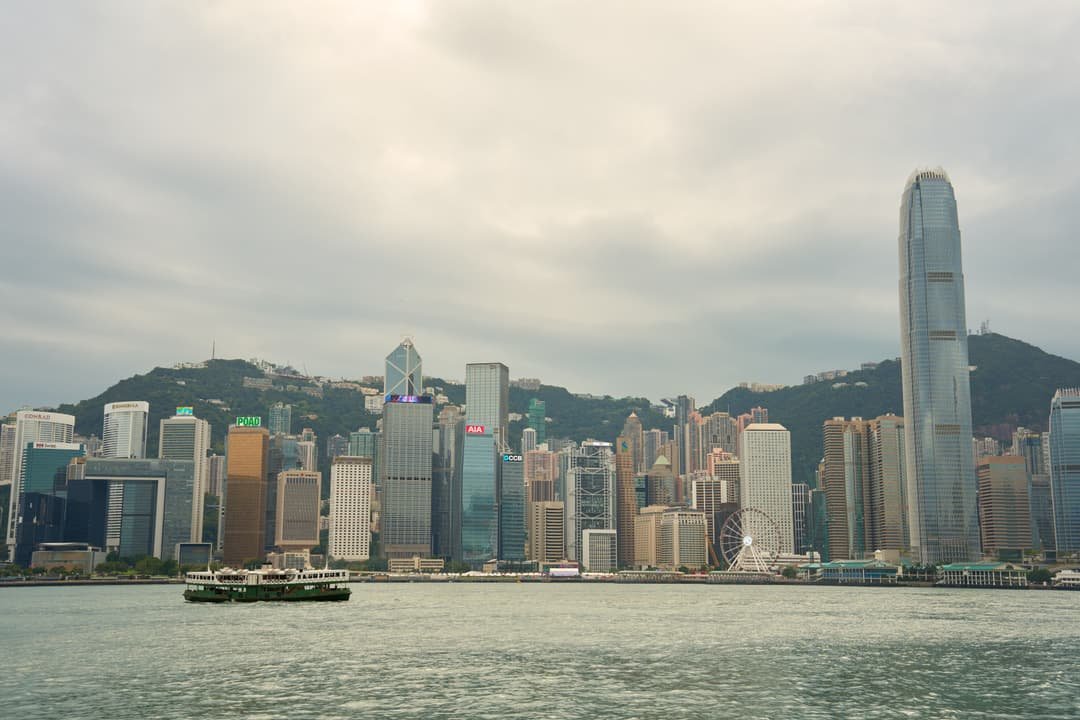
These signals have reduced some of the uncertainty that had weighed heavily on valuations, particularly for internet and platform companies previously affected by regulatory crackdowns.

At the same time, earnings updates from leading firms have shown resilience in core business lines such as e-commerce, cloud services, and digital advertising.

While growth rates are not returning to previous highs, the stabilization itself is being treated as a positive inflection point.

The key issue is not rapid expansion, but the re-establishment of predictable operating conditions.

Broader market participation is also expanding beyond technology.

Financials, property developers, and consumer stocks have posted gains, though to a lesser extent.

This reflects cautious optimism rather than a full-scale recovery.

Property remains a structurally fragile sector, with ongoing debt concerns and uneven demand, but even modest policy support has helped lift sentiment.

International factors are reinforcing the move.

A softer global interest rate outlook has eased pressure on emerging market assets, while the relative valuation of Hong Kong equities—trading at discounts compared with global peers—has attracted bargain-hunting investors.

Capital inflows through mainland channels have played a stabilizing role, signaling domestic confidence in the market.

However, the rally is not without constraints.

Structural challenges in China’s economy, including weak consumer confidence, high local government debt, and a still-adjusting property market, continue to limit the pace and durability of gains.

Investors are responding tactically to policy signals rather than making broad, long-term commitments.

The stakes extend beyond short-term market performance.

Hong Kong’s role as a financial gateway to China depends on maintaining liquidity, investor trust, and regulatory clarity.

Sustained equity market strength would reinforce its position, while renewed volatility could accelerate capital diversion to other regional hubs.

What changes next depends on policy follow-through and earnings consistency.

If authorities continue to prioritize market stability and companies deliver incremental growth, the current rally could evolve into a more durable recovery phase.

The immediate consequence is clear: technology stocks have re-established themselves as the primary engine of Hong Kong’s equity market, setting the direction for broader investor sentiment and capital flows.
Insurance giant reports $1.76 billion in first-quarter growth, led by cross-border demand and mainland expansion
AIA Group’s operating structure and regional strategy are driving a sharp increase in new business value, with its China and Hong Kong divisions emerging as the core engines behind a strong first-quarter performance.

What is confirmed is that the Asia-focused life insurer generated approximately $1.76 billion in new business value in the first quarter, marking a significant year-on-year increase.

This metric, which reflects the profitability of newly written policies rather than raw sales volume, is a key indicator of future earnings in the insurance sector.

The growth signals both higher demand and improved product mix across its main markets.

The mechanism behind the surge is concentrated in two areas.

In mainland China, AIA has continued expanding its footprint through a multi-provincial strategy that allows it to operate beyond its original base in major cities.

This expansion increases access to a large and underpenetrated life insurance market, where rising incomes and an aging population are driving demand for protection and savings products.

In Hong Kong, the rebound is being powered by cross-border business.

The reopening of travel between mainland China and Hong Kong has restored a crucial flow of customers who historically purchased insurance policies in the city.

These policies are often denominated in foreign currencies and are perceived as offering diversification and stability compared with domestic products.

The return of this demand has materially lifted sales volumes and margins.

Distribution is a central factor.

AIA relies heavily on agency channels, and its ability to recruit and retain agents in both markets has supported growth.

Increased agent productivity, combined with digital tools that streamline underwriting and customer engagement, has improved conversion rates and reduced acquisition costs.

This operational efficiency directly feeds into higher new business value.

Product design also plays a role.

AIA has focused on higher-margin protection products and long-term savings plans, which generate more value per policy than simpler offerings.

The shift in product mix indicates a deliberate strategy to prioritize profitability over sheer scale, aligning with broader industry trends toward capital efficiency.

The stakes extend beyond quarterly performance.

China represents one of the largest life insurance growth opportunities globally, but it is also a highly regulated and competitive market dominated by domestic players.

AIA’s ability to expand geographically while maintaining margins will determine whether it can sustain its growth trajectory.

In Hong Kong, the dependence on mainland customers introduces volatility tied to travel policies and economic conditions across the border.

There are structural risks.

Mainland China’s economic slowdown and pressure on household incomes could limit demand for long-term financial products.

Regulatory changes, including capital requirements and product approvals, can also affect profitability.

In Hong Kong, shifts in currency expectations or cross-border policy restrictions could alter purchasing behavior.

The immediate implication of the latest results is a reaffirmation of AIA’s positioning as a cross-border insurer with dual engines.

Strong performance in China and Hong Kong not only boosts near-term earnings visibility but also reinforces the company’s strategy of linking mainland demand with international financial products offered through Hong Kong.

The result is a clear signal to investors: AIA’s growth model, built on geographic expansion and cross-border integration, is delivering measurable gains as regional mobility and consumer demand recover.
New 600kW depot charging plan targets freight electrification, tackling one of the city’s hardest decarbonization challenges
Hong Kong’s transport and energy policy framework is driving a new phase of electrification focused on heavy trucks, with authorities and industry moving to deploy high-power depot charging systems capable of supporting commercial fleets at scale.

What is confirmed is the introduction of a plan centered on 600-kilowatt charging infrastructure designed specifically for heavy-duty vehicles.

This level of power significantly exceeds typical passenger vehicle chargers and is intended to reduce charging times for trucks that operate on tight logistics schedules.

The initiative marks a shift from earlier electric vehicle adoption efforts, which largely concentrated on private cars and light commercial vehicles.

The mechanism is straightforward but technically demanding.

Heavy trucks require large battery packs to deliver sufficient range, particularly in dense urban logistics networks.

Charging those batteries within operational windows requires ultra-fast charging systems, often located at depots where fleets return between shifts.

The 600kW systems allow operators to recharge vehicles in a fraction of the time required by conventional chargers, making electrification viable for high-utilization fleets.

Hong Kong’s urban structure makes this approach both necessary and challenging.

The city’s logistics sector depends on continuous movement of goods through ports, warehouses, and retail distribution points, often within tight spatial constraints.

Depot-based charging avoids the need for widespread public infrastructure but requires significant upfront investment, grid upgrades, and careful planning to manage peak electricity demand.

The policy push reflects broader decarbonization goals.

Heavy vehicles contribute disproportionately to roadside emissions and urban air pollution despite representing a smaller share of total vehicle numbers.

Electrifying this segment offers outsized environmental benefits, particularly in densely populated districts where freight traffic is concentrated.

Industry participation is critical.

Fleet operators must commit to transitioning vehicles, while utilities and infrastructure providers must ensure sufficient power capacity and reliability.

The scale of 600kW charging introduces new pressures on the electricity grid, including the need for high-capacity connections, energy storage solutions, and load management systems to prevent disruptions.

Economic considerations remain a central constraint.

Electric heavy trucks carry higher upfront costs than diesel equivalents, and charging infrastructure adds another layer of capital expenditure.

The viability of the transition depends on a combination of policy incentives, fuel cost savings over time, and regulatory pressure to reduce emissions.

Without sustained support, adoption could remain limited to early movers.

The move also aligns Hong Kong with a broader global trend toward electrifying freight transport, particularly in major port cities and logistics hubs.

However, the city’s limited land availability and dense built environment make its approach more reliant on centralized, high-efficiency charging solutions rather than dispersed networks.

The stakes extend beyond environmental policy.

Successfully electrifying heavy transport would reduce dependence on imported fuels, stabilize operating costs for logistics companies, and reinforce Hong Kong’s position as a technologically advanced trade hub.

Failure to scale the infrastructure, by contrast, would leave a significant portion of emissions untouched.

The immediate consequence of the 600kW depot charging plan is the creation of a technical and commercial test case for large-scale truck electrification in a dense urban economy, with early deployments expected to shape investment decisions and regulatory strategy across the sector.
Investor sentiment improves on easing financial pressures and policy expectations, lifting a sector battered by years of decline
Financial market dynamics are driving a sharp rebound in Hong Kong’s property shares, as improving liquidity conditions and shifting policy expectations trigger renewed investor interest in one of the city’s most heavily discounted sectors.

What is confirmed is a broad rally across major Hong Kong-listed developers, with share prices rising significantly in recent trading sessions.

The move follows a period of prolonged weakness tied to high interest rates, falling property values, and reduced demand from both local buyers and mainland Chinese investors.

The latest gains reflect a recalibration of expectations rather than a sudden change in underlying fundamentals.

The mechanism behind the rally is rooted in interest rate outlooks.

Hong Kong’s currency peg to the US dollar forces its monetary policy to closely follow that of the United States.

As expectations build that US rate hikes have peaked and eventual cuts may follow, borrowing conditions in Hong Kong are expected to ease.

Lower financing costs directly improve the outlook for property developers, which rely heavily on debt to fund projects and manage cash flow.

At the same time, valuations across the sector had reached historically low levels after years of decline.

Many developers were trading at deep discounts to their net asset value, reflecting pessimism about future earnings and asset prices.

The recent rally suggests investors are repositioning to capture potential upside if conditions stabilize, rather than responding to immediate improvements in sales or rents.

Policy signals are also playing a role.

Hong Kong authorities have already rolled back several cooling measures in the property market, including restrictions that previously limited speculative buying.

These changes are designed to revive transaction volumes and restore confidence.

While early indicators show some pickup in activity, the recovery remains uneven, with demand still constrained by affordability and economic uncertainty.

Mainland China’s economic trajectory adds another layer.

Hong Kong’s property sector has long depended on capital flows and buyer demand from the mainland.

Slower growth in China and stress in its own property market have weakened this channel.

However, recent policy efforts by Beijing to stabilize its real estate sector and support growth have contributed to improved sentiment toward related assets, including Hong Kong developers.

The stakes are high because property is central to Hong Kong’s economic model.

Real estate underpins government revenue through land sales, influences household wealth, and shapes the balance sheets of major conglomerates.

A sustained recovery would ease fiscal pressures and support broader economic activity, while a false rebound could expose deeper structural weaknesses.

There are clear constraints.

Office vacancy rates remain elevated, reflecting shifts in business demand and the impact of remote work.

Residential affordability is still stretched relative to incomes, limiting the pool of buyers even if financing becomes cheaper.

Developers also face refinancing risks as large debt maturities approach in a higher-rate environment than in the past decade.

The current rally therefore represents a forward-looking bet rather than confirmation of recovery.

Investors are pricing in a scenario where interest rates decline, policy support continues, and demand gradually returns.

Any deviation from that path could reverse gains quickly.

The immediate consequence is a measurable improvement in market sentiment and capital flows into the sector, signaling that investors are once again willing to take exposure to Hong Kong property after a prolonged period of retreat.
Rising geopolitical tensions, domestic competition, and global mobility concerns are driving a surge in demand for Hong Kong’s higher education sector
China’s higher education and mobility system is driving a growing shift among mainland families toward Hong Kong universities, as structural pressures at home and barriers abroad reshape long-standing study pathways.

What is confirmed is a sustained increase in applications from mainland Chinese students to Hong Kong’s top universities, alongside expanding recruitment efforts by those institutions.

The change is not driven by a single event but by converging forces: intense domestic competition, tightening geopolitical conditions affecting overseas study, and Hong Kong’s unique positioning as both part of China and an international academic hub.

The mechanism begins with China’s national university entrance exam, the gaokao, which remains the dominant gateway to higher education.

Admission to elite mainland institutions is highly restricted, with acceptance rates among the lowest globally.

Even strong students face limited chances of entering top-tier universities, pushing families to consider alternatives that offer comparable prestige and better long-term prospects.

At the same time, traditional study destinations such as the United States, the United Kingdom, and Australia have become more complex and, in some cases, less predictable for Chinese students.

Visa scrutiny, geopolitical tensions, and concerns about safety and post-graduation work opportunities have altered risk calculations.

These changes have not eliminated overseas study but have reduced its certainty as a default pathway.

Hong Kong has emerged as a strategic middle ground.

Its universities operate under internationally recognized academic systems, use English as a primary language of instruction, and maintain strong global rankings.

Degrees are widely accepted by employers and graduate programs abroad, while students remain geographically and culturally close to mainland China.

Policy design reinforces this appeal.

Hong Kong institutions actively recruit mainland students through separate admission tracks that do not rely solely on gaokao scores, allowing more flexibility in evaluating candidates.

Scholarships and financial incentives have expanded, further lowering barriers for middle-class families seeking alternatives to both domestic and Western education routes.

The political and legal environment also plays a role.

Since the introduction of Hong Kong’s national security framework, the city has tightened its governance structure, aligning more closely with Beijing while maintaining distinct educational and financial systems.

For many mainland families, this combination reduces perceived political risk compared to Western countries, while still preserving access to international networks.

Demand pressure is already reshaping Hong Kong’s higher education sector.

Universities are expanding capacity, increasing cross-border partnerships, and investing in research programs designed to attract talent from mainland China.

This influx strengthens Hong Kong’s role as a regional education hub but also intensifies competition for local students and raises questions about resource allocation.

The economic implications extend beyond education.

Students trained in Hong Kong often move into finance, technology, and professional services sectors that connect China with global markets.
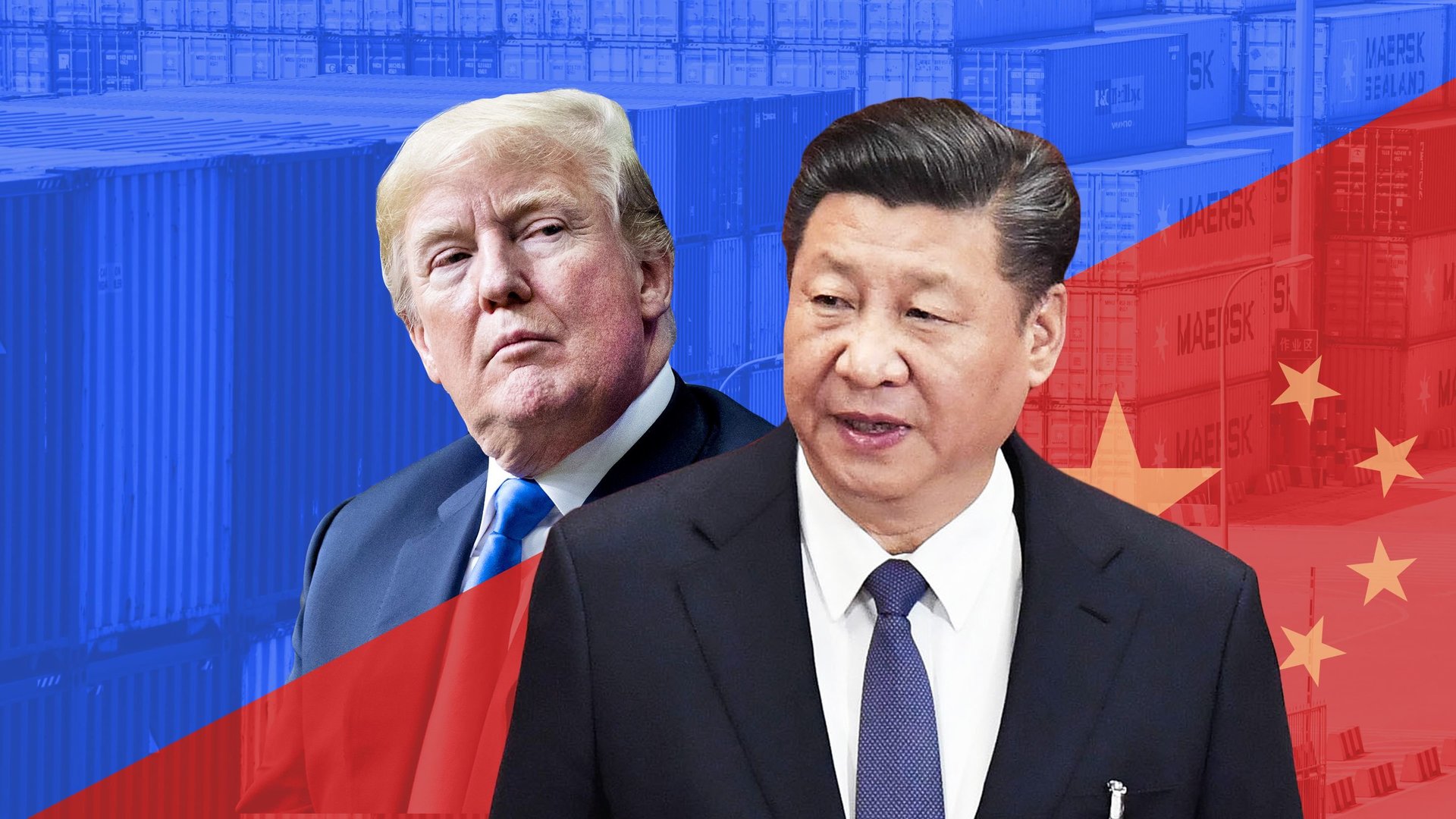
Their presence reinforces the city’s function as an intermediary between mainland capital and international systems, particularly as other channels face geopolitical friction.

There are trade-offs.

The surge in mainland enrollment has prompted debate within Hong Kong about identity, language use, and access to public resources.

Universities must balance internationalization goals with local expectations, while maintaining academic standards under growing demand.

The key issue is not simply where students study, but how education pathways are being reconfigured under geopolitical and economic pressure.

Hong Kong’s rise as a preferred destination reflects a broader recalibration in how Chinese families manage risk, opportunity, and global exposure.

The immediate consequence is clear: Hong Kong universities are becoming a central node in China’s outward-facing education system, absorbing demand that once flowed more heavily to Western countries and reshaping regional talent dynamics in the process.
A wave of artificial intelligence IPOs is reinforcing Hong Kong’s role as China’s capital gateway, but structural limits still constrain its evolution into a broader innovation hub
Hong Kong’s capital markets are increasingly being driven by a system-level shift in how Chinese technology companies access global funding, with the city positioning itself as the primary offshore venue for artificial intelligence initial public offerings.

What is confirmed is that a growing number of China-linked AI companies are choosing to list or plan listings in Hong Kong rather than in the United States or mainland exchanges.

This reflects tightening regulatory controls on overseas listings, ongoing geopolitical tension, and the strategic need for Chinese firms to raise international capital in a jurisdiction that remains financially open but politically aligned with Beijing.

The mechanism behind this shift is structural.

US capital markets, once the default destination for high-growth Chinese tech firms, have become less accessible due to stricter audit requirements and political scrutiny.

At the same time, mainland exchanges impose profitability and approval constraints that many early-stage AI firms cannot meet.

Hong Kong sits between these systems, offering international investors, convertible currency, and a regulatory framework that accommodates high-growth technology listings.

Artificial intelligence companies are particularly suited to this environment.

Many operate with high upfront costs, long development cycles, and uncertain near-term profitability, making flexible listing rules critical.

Hong Kong’s reforms in recent years, including allowances for pre-revenue and dual-class share structures, have made it more competitive for these types of firms.

However, the current wave of AI listings also exposes limitations in Hong Kong’s financial ecosystem.

The city remains heavily dependent on mainland capital flows and policy direction, which can constrain investor diversity and liquidity.

Valuations for newly listed tech firms have at times lagged those in US markets, reflecting a narrower base of global institutional participation.

The key issue is whether Hong Kong can evolve beyond being a conduit for Chinese companies into becoming a fully competitive global innovation finance hub.

That would require deeper capital pools, stronger research coverage, and a broader pipeline of international issuers rather than primarily China-focused listings.

There are signs of ambition on that front.

Authorities have promoted the city as a center for emerging technologies, including AI, biotechnology, and green finance.

Efforts are also underway to strengthen connections with mainland innovation clusters while maintaining international financial standards.

At the same time, geopolitical dynamics continue to shape the market’s trajectory.

Investor sentiment toward Chinese technology firms remains sensitive to regulatory shifts, data governance rules, and broader US-China relations.

These factors influence both listing decisions and post-IPO performance.

For companies, the calculation is pragmatic: Hong Kong offers access to capital with fewer political barriers than the United States and more flexibility than mainland exchanges.

For investors, the opportunity is exposure to China’s AI sector within a familiar legal and financial framework, albeit with constraints tied to market depth and geopolitical risk.

The current surge in AI IPO activity underscores Hong Kong’s strategic relevance, but also clarifies its ceiling.

The city has secured its role as the primary offshore listing venue for Chinese technology firms, and its next phase depends on whether it can convert that position into a broader, more diversified global capital market.
Expanded freight links from Laos and neighboring countries are cutting costs and accelerating delivery of tropical fruit into China’s consumer markets
SYSTEM-DRIVEN trade infrastructure is reshaping agricultural logistics across Southeast Asia as new rail connections linking China with mainland Southeast Asia begin to alter the economics of perishable goods transport, particularly high-demand tropical fruits such as durian.

The development reflects a broader strategy to integrate regional economies through faster overland freight corridors that complement existing maritime routes.

What is confirmed is that China has expanded rail freight connectivity through Laos as part of a wider network linking Yunnan province with Southeast Asian agricultural producers.

These rail routes are increasingly used to transport fresh produce, reducing reliance on longer sea freight journeys that are more vulnerable to delays, port congestion, and spoilage risks for perishable goods.

The core mechanism driving the shift is transit time reduction.

Durian, a highly perishable and high-value tropical fruit, typically depends on rapid logistics chains to maintain quality during export.

Traditional shipping routes from Thailand, Vietnam, and Malaysia to Chinese markets can take several days by sea, with additional delays at ports.

Rail transport through inland corridors can significantly shorten delivery times, improving freshness and reducing spoilage losses.

The impact is most visible in pricing and supply stability.

Faster logistics and increased freight capacity tend to lower per-unit transport costs, which can translate into more stable or reduced retail prices in destination markets.
At the same time, improved supply chain efficiency allows exporters in Southeast Asia to expand market reach and reduce dependency on seasonal shipping bottlenecks.

China’s domestic demand is a central driver of this trade expansion.

Durian consumption has surged in recent years, turning the fruit into a major import commodity.

This demand has encouraged both infrastructure investment and the development of dedicated cold-chain logistics systems capable of maintaining temperature control across long-distance rail routes.

The new rail corridor also changes competitive dynamics among exporting countries.

Producers in Thailand, Vietnam, and Malaysia compete not only on price and quality but increasingly on logistical access to Chinese distribution networks.

Countries with faster or more reliable rail-linked routes gain a structural advantage in supplying fresh produce.

However, the system is not without constraints.

Rail capacity remains limited compared to maritime bulk shipping, and temperature-controlled logistics require significant investment in refrigeration technology and coordination across borders.

Any disruption at border crossings or customs checkpoints can still affect delivery speed, reducing some of the theoretical advantages of rail transport.

Despite these limitations, the expansion of Southeast Asia–China rail freight represents a structural shift in regional agricultural trade.

It reflects a gradual reorientation of supply chains toward integrated land-based corridors that prioritize speed and predictability for high-value perishable goods, with long-term implications for pricing, trade balance, and regional economic integration.
Authorities push back against international commentary on the jailed media tycoon as his national security trial continues under close global scrutiny
ACTOR-DRIVEN legal and political tensions are intensifying in Hong Kong as the government publicly condemns what it describes as attempts to “whitewash” the case of media tycoon Jimmy Lai, the founder of Apple Daily and a central figure in the city’s national security prosecution framework.

What is confirmed is that Hong Kong authorities have issued statements rejecting external commentary that portrays Jimmy Lai’s prosecution in political terms.

The government maintains that the case is strictly legal in nature and proceeds under the city’s national security legislation, which was introduced in 2020 following widespread protests and has since been used in multiple high-profile prosecutions.

Jimmy Lai, a businessman and pro-democracy advocate, is currently on trial on charges related to alleged collusion with foreign forces and publishing activities deemed to violate national security provisions.

He has been detained for an extended period, and his case is widely regarded as one of the most significant under the new legal framework due to its political visibility and international attention.

The government’s latest response targets what it sees as efforts by foreign politicians, media organizations, and advocacy groups to characterize Lai as a victim of political persecution.

Officials argue that such narratives undermine judicial independence and misrepresent the legal basis of the proceedings.

The broader context is the National Security Law implemented in Hong Kong in 2020, which criminalizes secession, subversion, terrorism, and collusion with foreign forces.

Critics of the law argue that its definitions are broad and can be applied to political expression, while authorities maintain that it is essential for restoring stability after the 2019 protests.

The case has become a focal point in broader geopolitical tensions between China, Hong Kong authorities, and Western governments, many of which have called for Lai’s release and raised concerns about press freedom and judicial transparency in the city.

For Hong Kong’s administration, the stakes are institutional legitimacy and the enforcement of its legal framework.

For critics, the case represents a test of whether political dissent and media activity can be separated from national security enforcement under the current system.

The trial remains ongoing, and its outcome is expected to carry significant implications for Hong Kong’s media environment, legal boundaries for political expression, and international perceptions of the city’s autonomy under the “one country, two systems” arrangement.

The government’s latest statements reinforce a firm position that external interpretations of the case will not alter judicial proceedings, which continue under the established national security legal structure.
City tightens restrictions on alternative tobacco products as health authorities target youth uptake and long-term smoking trends
SYSTEM-DRIVEN public health regulation is reshaping nicotine policy in Hong Kong as authorities move to expand restrictions on vaping products, marking one of the most stringent anti-electronic cigarette regimes in Asia.

What is confirmed is that Hong Kong has been progressively tightening its rules on electronic cigarettes and other alternative nicotine products, building toward a broader ban framework that significantly limits both sale and distribution.

The latest policy direction strengthens earlier measures that already prohibited the import, manufacture, and commercial sale of vaping products in the city.

The current regulatory approach places vaping devices and related consumables in the same high-restriction category as other controlled tobacco alternatives, effectively closing most legal supply channels.

Enforcement has focused on border control, retail inspections, and penalties for illegal possession or distribution, reflecting a zero-tolerance policy stance.

The rationale driving the policy is public health protection, particularly concerns about rising nicotine use among younger populations.

Health authorities have consistently argued that vaping products, while sometimes marketed as smoking cessation tools, carry addiction risks and may act as entry points to traditional tobacco use rather than substitutes.

The policy also reflects Hong Kong’s long-standing anti-smoking strategy, which includes high tobacco taxation, strict advertising bans, and restrictions on smoking in public spaces.

The expansion of vaping controls extends this framework into newer nicotine delivery technologies that were not previously covered under traditional tobacco regulations.

For consumers, the impact is significant.

Legal access to vaping products has been progressively eliminated, leaving limited or no lawful retail options within the city.

This shifts enforcement focus toward illicit supply chains, including cross-border importation and informal resale networks, which authorities have sought to disrupt.

For the broader market, the ban reduces the viability of commercial vaping businesses in Hong Kong, effectively removing the city as a legal operating environment for manufacturers and distributors.

This contrasts with jurisdictions that regulate vaping under controlled licensing systems rather than outright prohibition.

Critics of strict bans in other jurisdictions have argued that prohibition can push demand into unregulated markets, where product safety and quality control are weaker.

Supporters of Hong Kong’s approach counter that limiting availability is the most direct way to reduce youth exposure and long-term nicotine dependency.

The tightening regulatory stance places Hong Kong among a small group of jurisdictions globally that have adopted near-total restrictions on vaping products, reinforcing its broader positioning as a highly regulated public health environment with aggressive tobacco control policies.

The policy trajectory indicates continued tightening rather than relaxation, with enforcement and border control measures acting as the primary tools to ensure compliance across retail and import channels.
Policy shift loosens restrictions on private car travel between Hong Kong and mainland cities, signaling deeper integration across the Greater Bay Area transport network
SYSTEM-DRIVEN policy change is reshaping cross-border mobility across southern China as Hong Kong introduces a new vehicle quota arrangement for the Hong Kong–Zhuhai–Macau Bridge, allowing more flexible private car travel between jurisdictions under a simplified approval framework.

What is confirmed is that Hong Kong authorities have opened an expanded allocation of vehicle permits for travel across the Hong Kong–Zhuhai–Macau Bridge, a major infrastructure link connecting Hong Kong with the mainland cities of Zhuhai and Macau.

The new arrangement relaxes earlier restrictions that tightly controlled eligibility and usage conditions for private vehicles crossing the bridge.

The Hong Kong–Zhuhai–Macau Bridge itself is a thirty-six-kilometre engineering project spanning the Pearl River Delta, designed to integrate transport networks across Hong Kong, Macau, and Guangdong province.

Since its opening, cross-border traffic has been regulated through strict permit quotas, requiring applicants to meet specific residency, business, or ownership conditions.

Under the new policy, authorities are expanding access by increasing the number of eligible private vehicles and streamlining application procedures.

While the framework still includes administrative approval, the system is being described as more flexible and less restrictive than previous arrangements, effectively widening the pool of drivers who can legally use the bridge for personal or business travel.

The change reflects a broader policy direction aimed at improving connectivity within the Greater Bay Area, a regional integration strategy linking Hong Kong, Macau, and nine mainland cities into a unified economic and transport corridor.

Easier vehicle movement is intended to support commerce, tourism, and cross-border employment flows.

For Hong Kong residents, the practical impact is increased access to mainland road networks, which were previously difficult to use without commercial arrangements or limited quota approvals.

For mainland users, the policy similarly enhances access into Hong Kong under regulated but expanded conditions, although licensing and insurance requirements remain in place.

The policy also carries regulatory and logistical implications.

Cross-border driving involves coordination between three separate legal and traffic systems, including differences in licensing standards, insurance coverage, and vehicle registration frameworks.

Expanding quotas increases administrative complexity even as it reduces access barriers.

No immediate changes to border inspection procedures or customs enforcement have been announced alongside the quota expansion.

However, the adjustment signals a gradual easing of mobility constraints rather than a full liberalization of cross-border private vehicle travel, with authorities retaining control over eligibility and volume through the permit system.

The expansion of the quota reinforces a long-term trajectory toward deeper physical and economic integration in the Pearl River Delta, with transport policy used as a primary tool to align mobility with regional development goals.
Deal, reported by local media and later confirmed by Uber, strengthens the company’s position ahead of upcoming regulatory changes for ride-hailing services in Hong Kong
Uber has agreed to acquire FlyTaxi, a Hong Kong-based taxi-hailing platform, in a move that consolidates its position in one of Asia’s most tightly regulated and strategically sensitive urban transport markets.
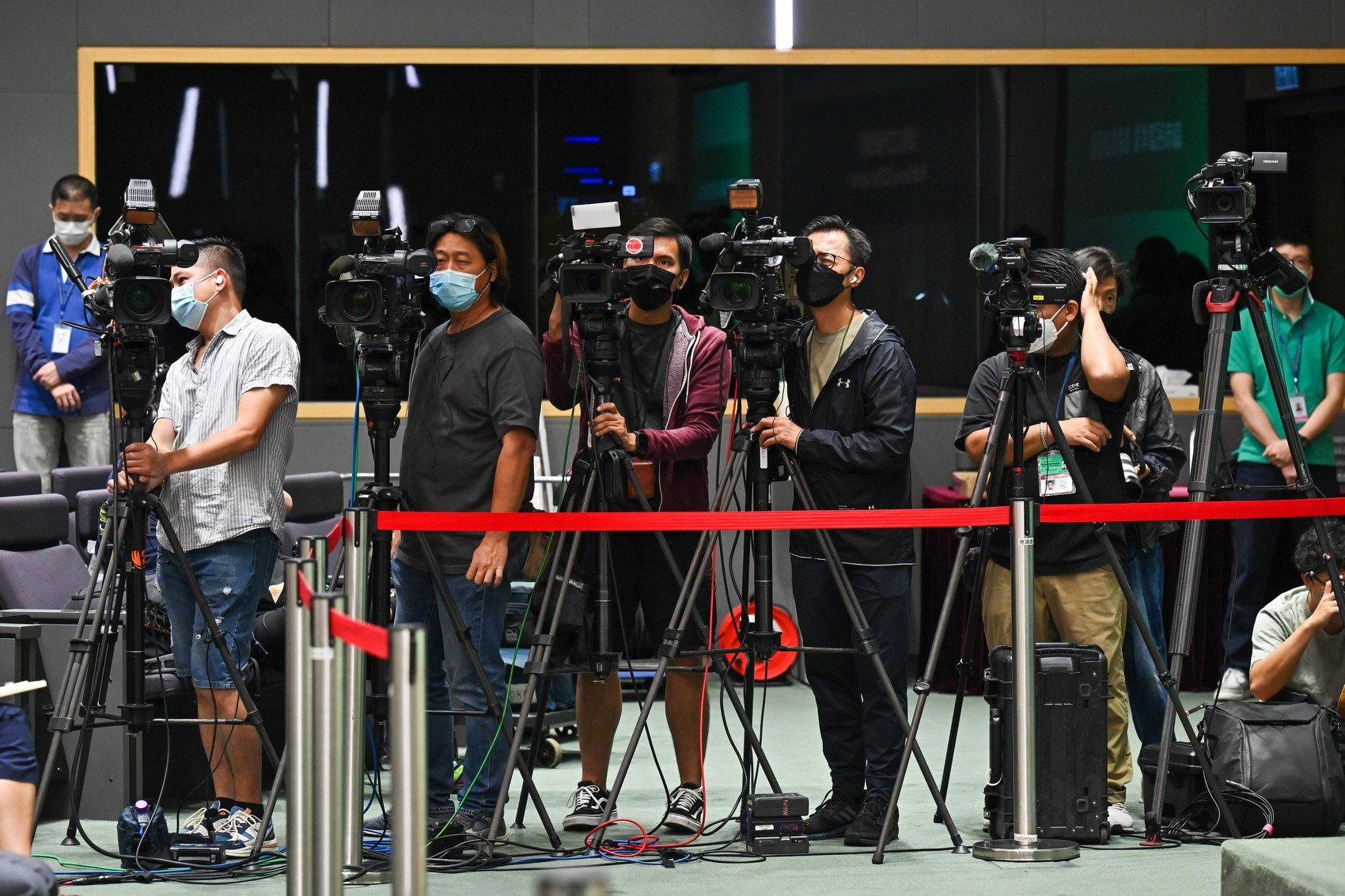
The acquisition was first reported by local media and subsequently confirmed through corporate statements, with financial terms not disclosed.

What is confirmed is that FlyTaxi will continue to operate for now under its existing brand and service structure, and users of both Uber and FlyTaxi apps are not expected to see immediate operational changes.

The companies have framed the deal as a technology and market integration effort rather than an immediate platform merger.

FlyTaxi is a locally developed ride-hailing application that connects passengers with licensed taxis.

It was founded in 2013 and became one of the earliest large-scale digital platforms to formalize taxi booking in Hong Kong.

Its user base expanded as a domestic alternative to Uber, particularly after earlier consolidation in the market, when Uber absorbed competing local services and integrated them into its ecosystem.

The strategic significance of the acquisition lies less in FlyTaxi’s standalone scale and more in timing.

Hong Kong is preparing to introduce a formal licensing regime for ride-hailing platforms, which will impose structured requirements on operators and drivers, including permits, compliance obligations, and vehicle standards.

That regulatory shift is expected to reshape competition by determining which platforms can legally operate at scale.

By acquiring a major local competitor ahead of that framework, Uber is positioning itself to enter the new regime with a stronger integrated base of drivers, data, and market share.

The company has described the move as a way to combine FlyTaxi’s local operational knowledge with its global technology systems, aiming to improve efficiency for drivers and service consistency for passengers.

The deal also reflects a broader pattern in Uber’s international strategy, in which it has increasingly used acquisitions or partnerships to consolidate fragmented urban mobility markets before regulatory transitions or competitive entry points emerge.

In Hong Kong specifically, where taxi services have long been politically and economically sensitive, consolidation reduces the number of independent digital intermediaries in the system.

No details have been disclosed about integration timelines, platform migration plans, or whether FlyTaxi will remain a distinct consumer-facing app over the long term.

For now, both companies are maintaining operational continuity, while the market adjusts to another step toward a more centralized ride-hailing structure in Hong Kong’s transport ecosystem.
As Hong Kong advances its stablecoin licensing regime, HSBC’s involvement signals growing institutional interest—but also rising scrutiny of financial stability, compliance, and digital currency oversight.
A SYSTEM-DRIVEN regulatory shift in Hong Kong’s approach to digital assets is reshaping how major global banks engage with stablecoins, as new licensing frameworks bring traditional financial institutions, including HSBC, closer to the center of crypto-market infrastructure.

What is confirmed is that Hong Kong has been developing a formal regulatory regime for stablecoins, requiring issuers and related financial intermediaries to meet stricter licensing, reserve, and compliance standards.

The framework is designed to bring stablecoins—digital tokens typically pegged to fiat currencies—under supervision comparable to traditional financial instruments, rather than leaving them in lightly regulated crypto markets.
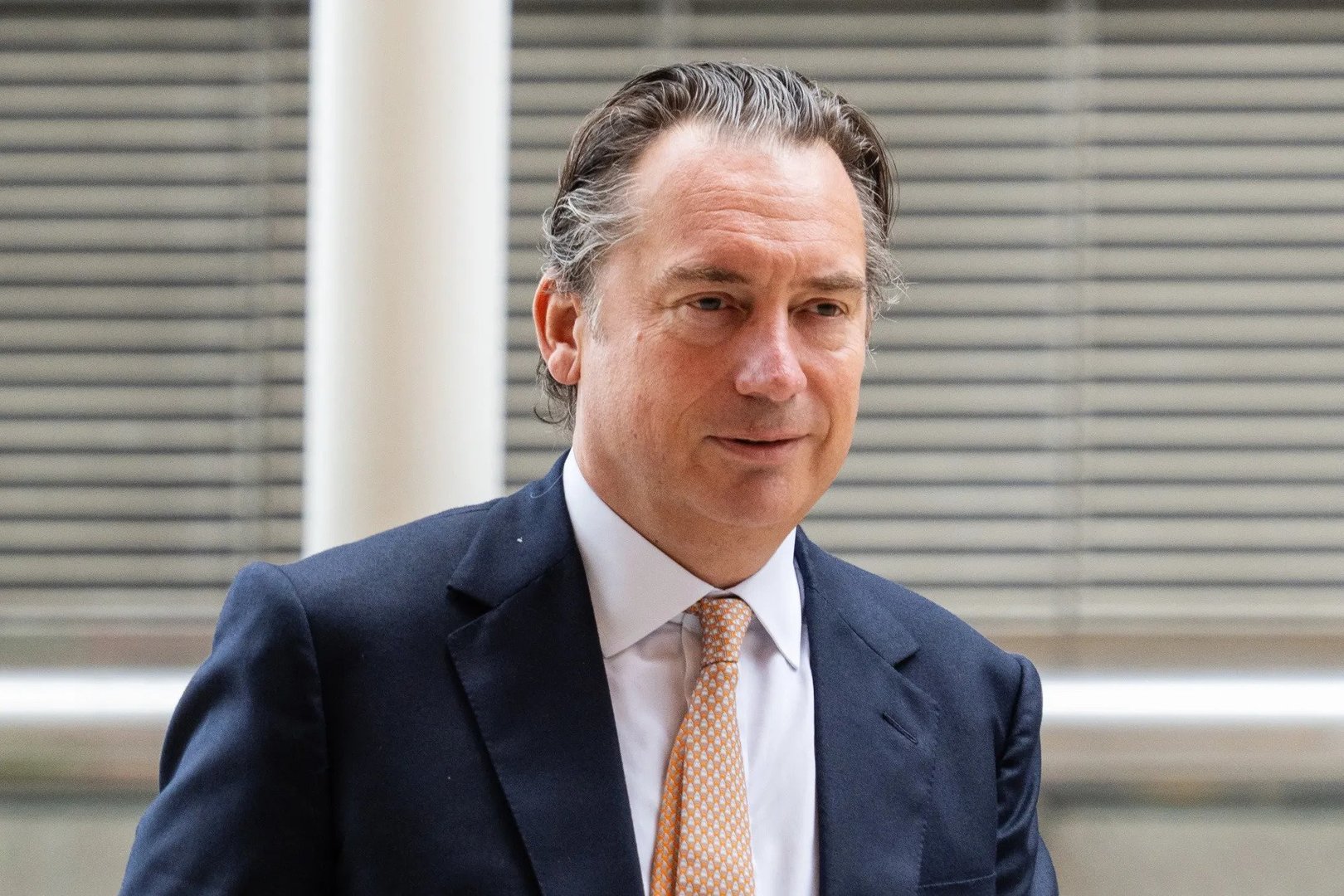
HSBC’s involvement reflects the broader entry of established banks into regulated digital asset ecosystems.

While HSBC is not itself issuing a stablecoin under the Hong Kong framework, its participation in the evolving licensing environment signals that major banks are positioning themselves to support, custody, or facilitate stablecoin-related services under regulatory approval.

This includes potential roles in reserve management, settlement infrastructure, and institutional client services.

The policy shift in Hong Kong is part of a wider global trend.

Governments and financial regulators are increasingly concerned about the systemic risks posed by unregulated stablecoins, particularly their potential impact on monetary stability, capital flows, and consumer protection.

High-profile failures in parts of the crypto sector have accelerated regulatory urgency, pushing jurisdictions like Hong Kong to formalize oversight rather than restrict innovation outright.

The stakes are significant because stablecoins function as a bridge between traditional finance and cryptocurrency markets.
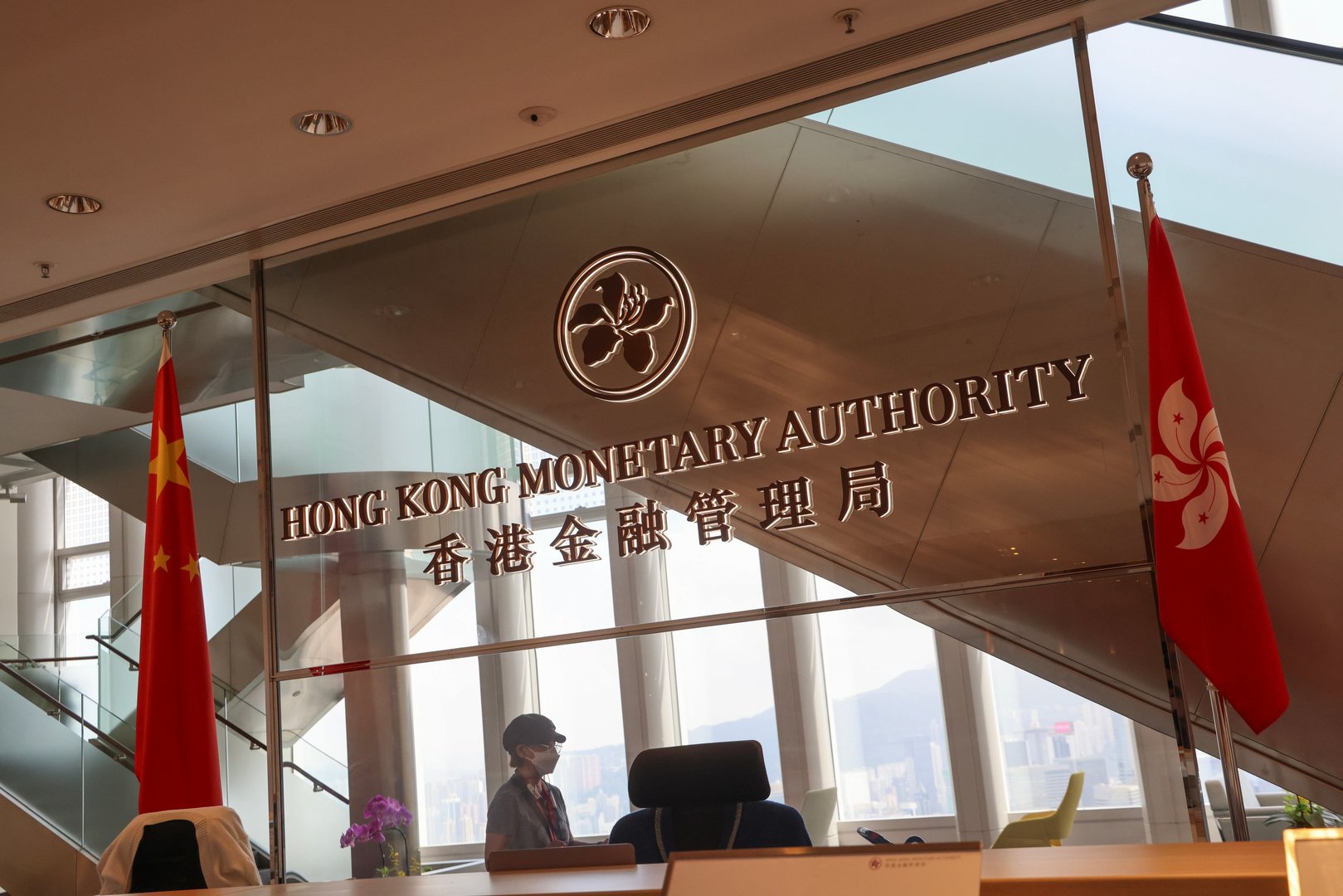
If widely adopted under regulated conditions, they could reshape cross-border payments, liquidity management, and digital settlement systems.
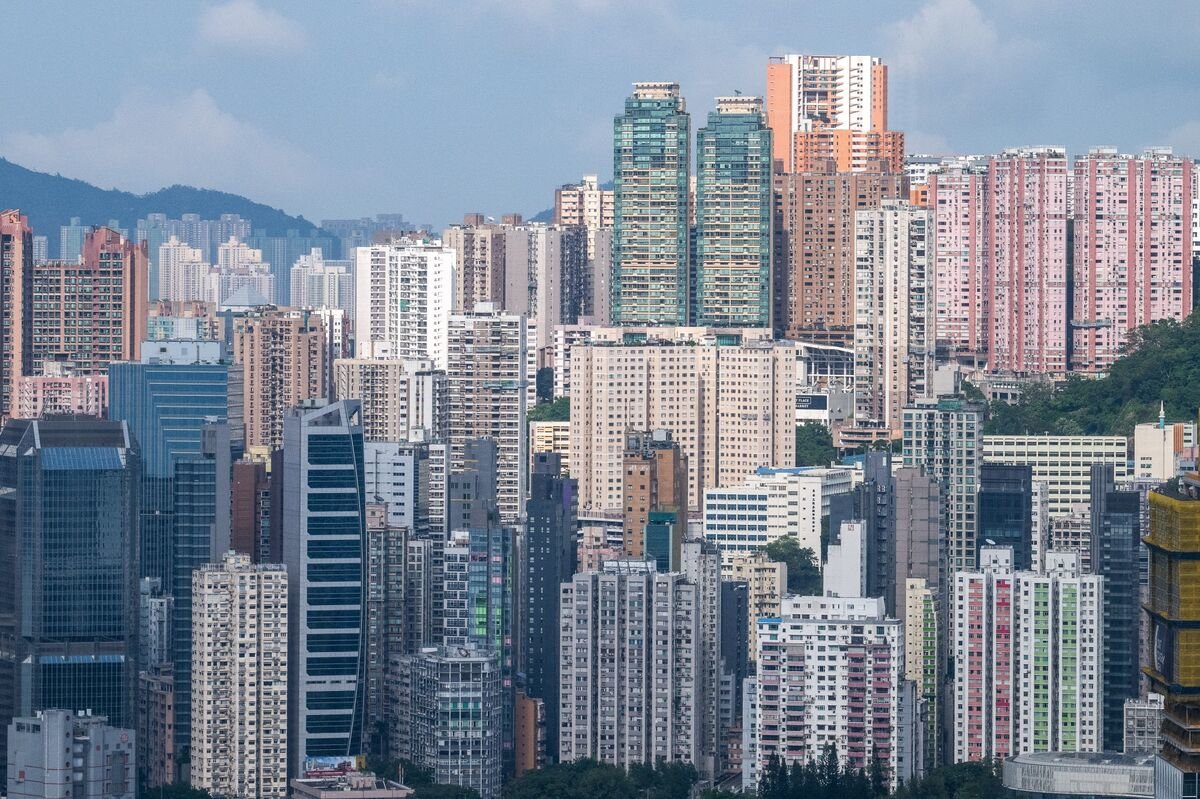
However, they also raise concerns about bank-like risks operating outside traditional deposit insurance frameworks if oversight is insufficient or inconsistent.
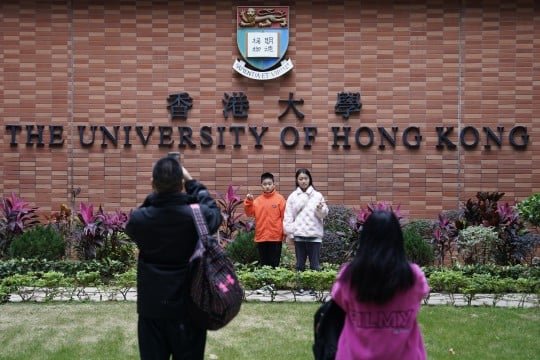
For banks such as HSBC, participation in regulated stablecoin systems offers both opportunity and constraint.

The opportunity lies in becoming infrastructure providers for digital asset settlement and custody services.

The constraint lies in strict compliance obligations, including anti-money laundering controls, reserve transparency, and operational risk requirements that may limit flexibility compared to unregulated crypto firms.

Regulators in Hong Kong are attempting to strike a balance between encouraging financial innovation and maintaining systemic stability.

The licensing regime is intended to ensure that only entities meeting stringent requirements can issue or operate stablecoin services, thereby reducing the likelihood of destabilizing events tied to asset mismanagement or reserve failures.

The immediate consequence of HSBC’s positioning within this framework is increased alignment between traditional banking infrastructure and regulated digital currency systems.

That alignment is likely to accelerate institutional adoption of stablecoin-based settlement mechanisms while reinforcing regulatory control over how digital value transfers are issued, backed, and monitored.
Why Global Tech Is Betting On Thailand
Why Big Tech is betting on Thailand
KPMG Cuts Around 10% of US Audit Partners After Failed Exit Push
French Police Probe Suspected Weather-Data Tampering After Unusual Polymarket Bets on Paris Temperatures
CATL Unveils Revolutionary EV Battery Tech: 1000 km Range and 7-Minute Charging Ahead of Beijing Auto Show
Changi Airport: How Singapore Engineered the World’s Most Efficient Travel Experience
Italy’s €100K Tax Gambit: Europe’s Soft Power Tax Haven
Travel on all public transport in the Australian state of Victoria will be free in May and then half price for the remainder of this year as the government ramps up help for consumers battling high fuel costs
News Roundup
Zhejiang China Commodities City Group Eyes Hong Kong IPO to Drive Global Expansion
Chinese Healthcare Stocks Surge in Hong Kong as Middle East Tensions Rattle Markets
Hong Kong to Channel Diesel Subsidies Directly to Oil Firms Amid Oversight Concerns
Hong Kong to Host Major Wiki Finance Expo 2026 Showcasing Fintech and Web3 Innovation
Hong Kong Police Arrest Suspect in Major Patient Data Leak Affecting Tens of Thousands
ISOPT Gears Up for Joint Scientific Meeting Across Shenzhen and Hong Kong
Hong Kong Tunnel Toll Cuts Leave Taxi Passengers Without Fare Relief
Hong Kong’s Dining Scene Shines with Must-Visit Restaurants This April
Hong Kong Awards First Stablecoin Licences to Major Banking Players
From Factory Floor to Fortune: Hong Kong Worker Rises to Global Wealth Elite
Hong Kong Laundry Businesses Struggle as Rising Oil Prices Drive Costs Higher
Workplace Sexual Harassment Complaints Rise Sharply in Hong Kong
Manycore Targets $130 Million Raise in Hong Kong IPO as Hangzhou Tech Firms Expand
IPO Activity in Mainland China and Hong Kong Shows Renewed Momentum in Early 2026
Hong Kong Urged to Strengthen Resilience Amid Increasingly Complex Global Environment
Norman Foster’s Vision Redefined Hong Kong’s Skyline and Global Trading Architecture
Hong Kong Anti-Corruption Body Emphasizes Clean Governance as Foundation for Sustainable Growth
dentsu Hong Kong and Café de Coral Bring Social Media Energy to Life with Flash-Mob at CON-CON 2026
Hong Kong Dining Scene Showcases Top Quick-Service and Casual Restaurants in 2026 Rankings
Hong Kong Collectors Shift Focus from Ownership to Public Cultural Engagement
Chinese Firm’s Washington Outreach Linked to Trump-Era Networks Yields Policy Breakthrough
Hong Kong PMI Slips Below Growth Threshold as External Pressures Weigh on Business Activity
Hong Kong Surges Ahead of Wall Street and Europe in Global IPO Rankings
Hong Kong Moves to Criminalise Refusal to Provide Passwords in Investigations
Hong Kong Shapes Near-Term Property Outlook Across Greater Bay Area
Liu Wei’s ‘You Like Pork?’ Tops Poly Hong Kong Art Sale at 3.5 Million Dollars
Artificial Intelligence Takes Centre Stage at Hong Kong Technology Fairs
Hongkong Land Executives Increase Holdings Through Senior Management Share Plan
Hong Kong Company Launches Arbitration Against Maersk Over Panama Port Dispute
Hong Kong Urges Foreign Governments to Lift Covid-Era Flight Restrictions
Hong Kong Mortgage Corporation Explores Landmark Digital Bond Offering
Hong Kong Steps Up Scrutiny of Bank Culture in Push for Stronger Financial Governance
Hong Kong Clarifies Digital Currency Strategy, Says It Is Not Competing With US Stablecoins or Digital Yuan
Chinese AI Glasses Firm Rokid Plans Hong Kong IPO to Accelerate Expansion
Hong Kong Doctor Faces Disciplinary Review After Sharing Resuscitation Image Online
Hong Kong’s East Dam Draws Strong Easter Crowds With Steady Visitor Surge
Cathay Pacific Flight Diverts to Japan After Mid-Air Issue on Los Angeles–Hong Kong Route
U Power Expands Battery-Swapping Truck Plans in Thailand and Eyes Hong Kong Taxi Rollout
Hong Kong Selected to Host INTERPOL General Assembly at End of Year
7-Eleven Recreates Its First Hong Kong Store to Celebrate Anniversary Milestone
Wilson Sonsini Strengthens Hong Kong Presence With Senior Antitrust Hire