Renewed investor confidence, policy support signals, and earnings momentum lift equities, with tech firms leading gains
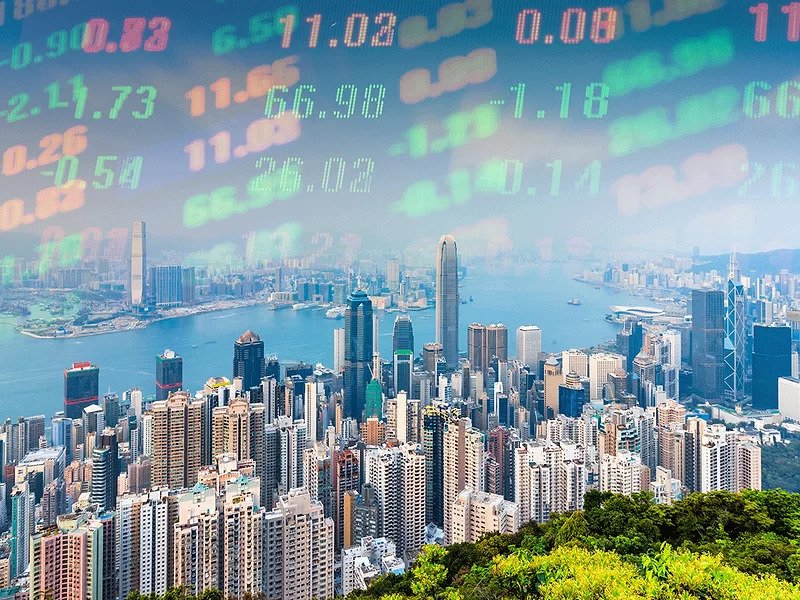
Market momentum in Hong Kong is being driven by a technology-led rebound, as investors return to equities amid improving sentiment toward China’s economic outlook and policy direction.
The latest gains reflect a combination of stronger-than-expected corporate performance in key sectors, targeted government support signals, and a recalibration of risk after a prolonged period of market weakness.
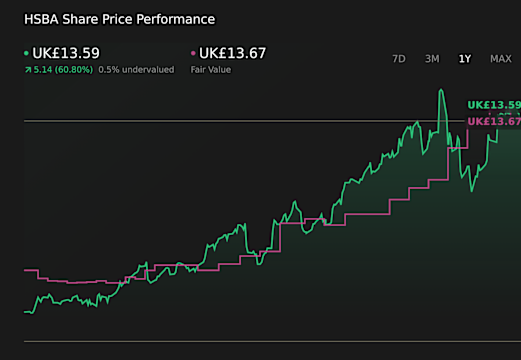
What is confirmed is that major Hong Kong-listed technology companies have led the recent rally, pushing benchmark indices higher and reversing part of the losses seen over the past year.
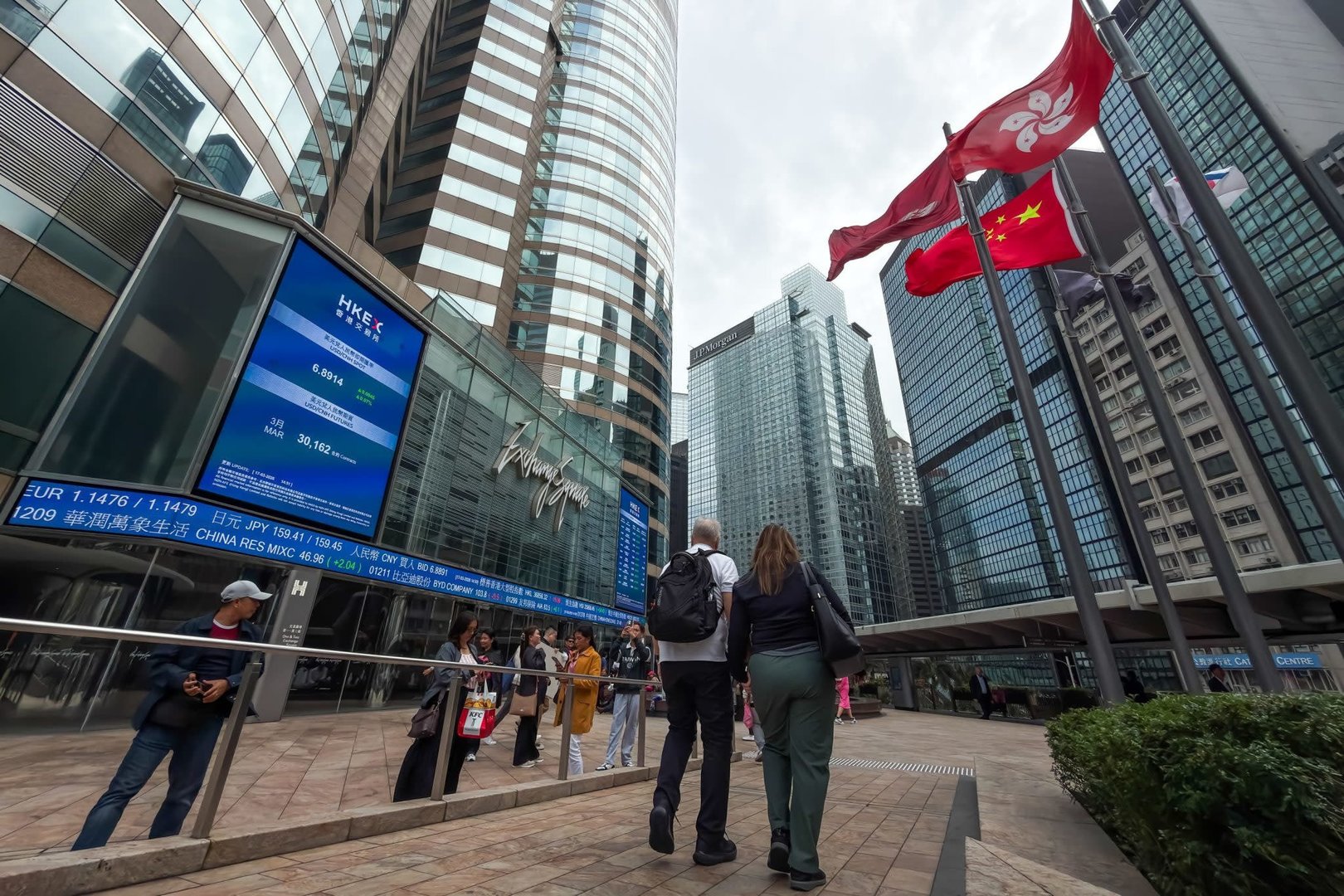
This upward movement has been supported by increased trading volumes and renewed participation from both institutional and mainland investors using cross-border investment channels.
The mechanism behind the rally is rooted in shifting expectations.
Investors are responding to signs that Chinese authorities are willing to stabilize growth through selective stimulus, regulatory easing in the technology sector, and measures aimed at supporting capital markets.
These signals have reduced some of the uncertainty that had weighed heavily on valuations, particularly for internet and platform companies previously affected by regulatory crackdowns.
At the same time, earnings updates from leading firms have shown resilience in core business lines such as e-commerce, cloud services, and digital advertising.
While growth rates are not returning to previous highs, the stabilization itself is being treated as a positive inflection point.
The key issue is not rapid expansion, but the re-establishment of predictable operating conditions.
Broader market participation is also expanding beyond technology.
Financials, property developers, and consumer stocks have posted gains, though to a lesser extent.
This reflects cautious optimism rather than a full-scale recovery.
Property remains a structurally fragile sector, with ongoing debt concerns and uneven demand, but even modest policy support has helped lift sentiment.
International factors are reinforcing the move.
A softer global interest rate outlook has eased pressure on emerging market assets, while the relative valuation of Hong Kong equities—trading at discounts compared with global peers—has attracted bargain-hunting investors.
Capital inflows through mainland channels have played a stabilizing role, signaling domestic confidence in the market.
However, the rally is not without constraints.
Structural challenges in China’s economy, including weak consumer confidence, high local government debt, and a still-adjusting property market, continue to limit the pace and durability of gains.
Investors are responding tactically to policy signals rather than making broad, long-term commitments.
The stakes extend beyond short-term market performance.
Hong Kong’s role as a financial gateway to China depends on maintaining liquidity, investor trust, and regulatory clarity.
Sustained equity market strength would reinforce its position, while renewed volatility could accelerate capital diversion to other regional hubs.
What changes next depends on policy follow-through and earnings consistency.
If authorities continue to prioritize market stability and companies deliver incremental growth, the current rally could evolve into a more durable recovery phase.
The immediate consequence is clear: technology stocks have re-established themselves as the primary engine of Hong Kong’s equity market, setting the direction for broader investor sentiment and capital flows.
The latest gains reflect a combination of stronger-than-expected corporate performance in key sectors, targeted government support signals, and a recalibration of risk after a prolonged period of market weakness.
What is confirmed is that major Hong Kong-listed technology companies have led the recent rally, pushing benchmark indices higher and reversing part of the losses seen over the past year.
This upward movement has been supported by increased trading volumes and renewed participation from both institutional and mainland investors using cross-border investment channels.
The mechanism behind the rally is rooted in shifting expectations.
Investors are responding to signs that Chinese authorities are willing to stabilize growth through selective stimulus, regulatory easing in the technology sector, and measures aimed at supporting capital markets.
These signals have reduced some of the uncertainty that had weighed heavily on valuations, particularly for internet and platform companies previously affected by regulatory crackdowns.
At the same time, earnings updates from leading firms have shown resilience in core business lines such as e-commerce, cloud services, and digital advertising.
While growth rates are not returning to previous highs, the stabilization itself is being treated as a positive inflection point.
The key issue is not rapid expansion, but the re-establishment of predictable operating conditions.
Broader market participation is also expanding beyond technology.
Financials, property developers, and consumer stocks have posted gains, though to a lesser extent.
This reflects cautious optimism rather than a full-scale recovery.
Property remains a structurally fragile sector, with ongoing debt concerns and uneven demand, but even modest policy support has helped lift sentiment.
International factors are reinforcing the move.
A softer global interest rate outlook has eased pressure on emerging market assets, while the relative valuation of Hong Kong equities—trading at discounts compared with global peers—has attracted bargain-hunting investors.
Capital inflows through mainland channels have played a stabilizing role, signaling domestic confidence in the market.
However, the rally is not without constraints.
Structural challenges in China’s economy, including weak consumer confidence, high local government debt, and a still-adjusting property market, continue to limit the pace and durability of gains.
Investors are responding tactically to policy signals rather than making broad, long-term commitments.
The stakes extend beyond short-term market performance.
Hong Kong’s role as a financial gateway to China depends on maintaining liquidity, investor trust, and regulatory clarity.
Sustained equity market strength would reinforce its position, while renewed volatility could accelerate capital diversion to other regional hubs.
What changes next depends on policy follow-through and earnings consistency.
If authorities continue to prioritize market stability and companies deliver incremental growth, the current rally could evolve into a more durable recovery phase.
The immediate consequence is clear: technology stocks have re-established themselves as the primary engine of Hong Kong’s equity market, setting the direction for broader investor sentiment and capital flows.