Explosive first-day gains underscore renewed investor appetite and Hong Kong’s push to revive its capital markets
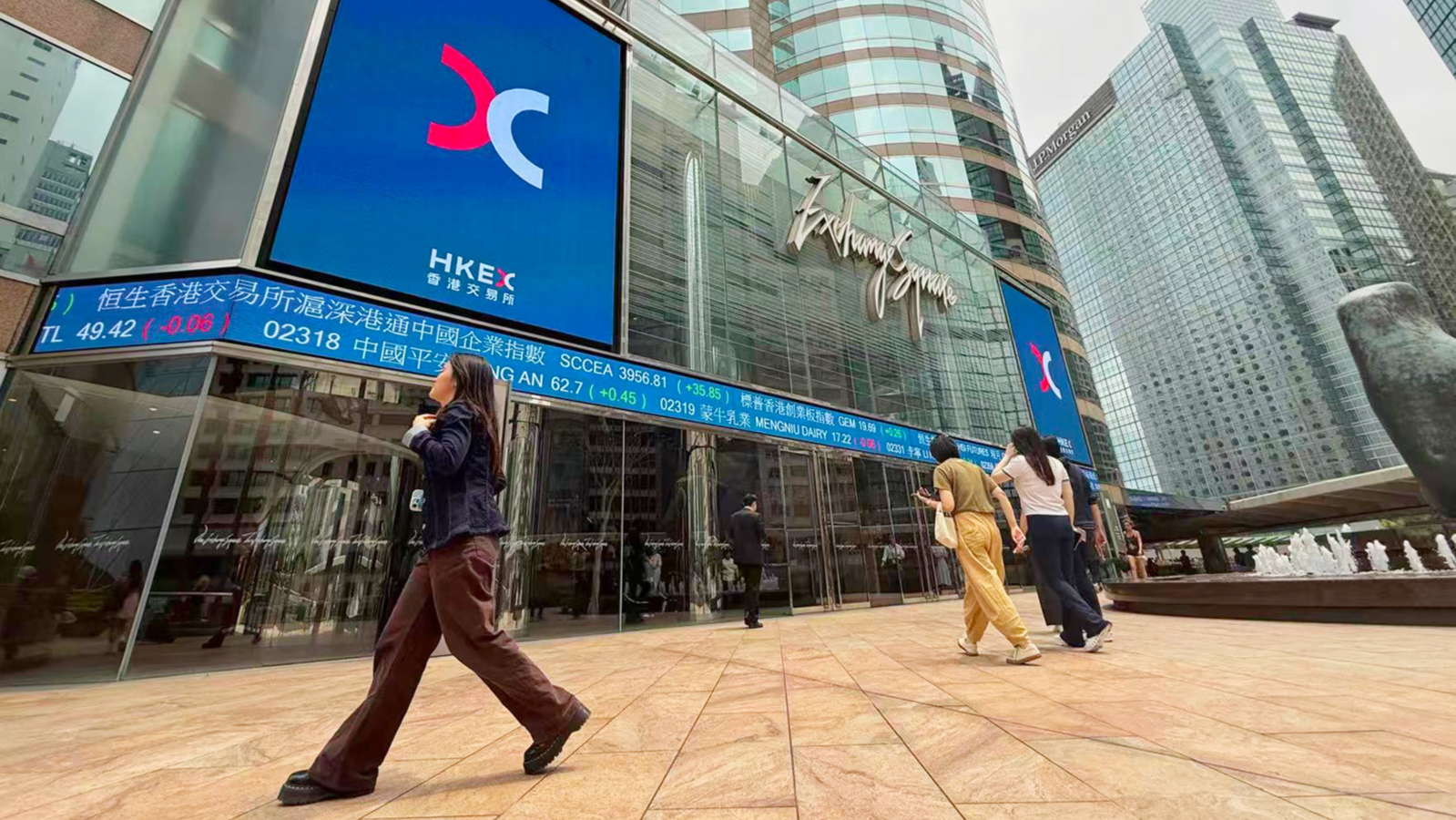
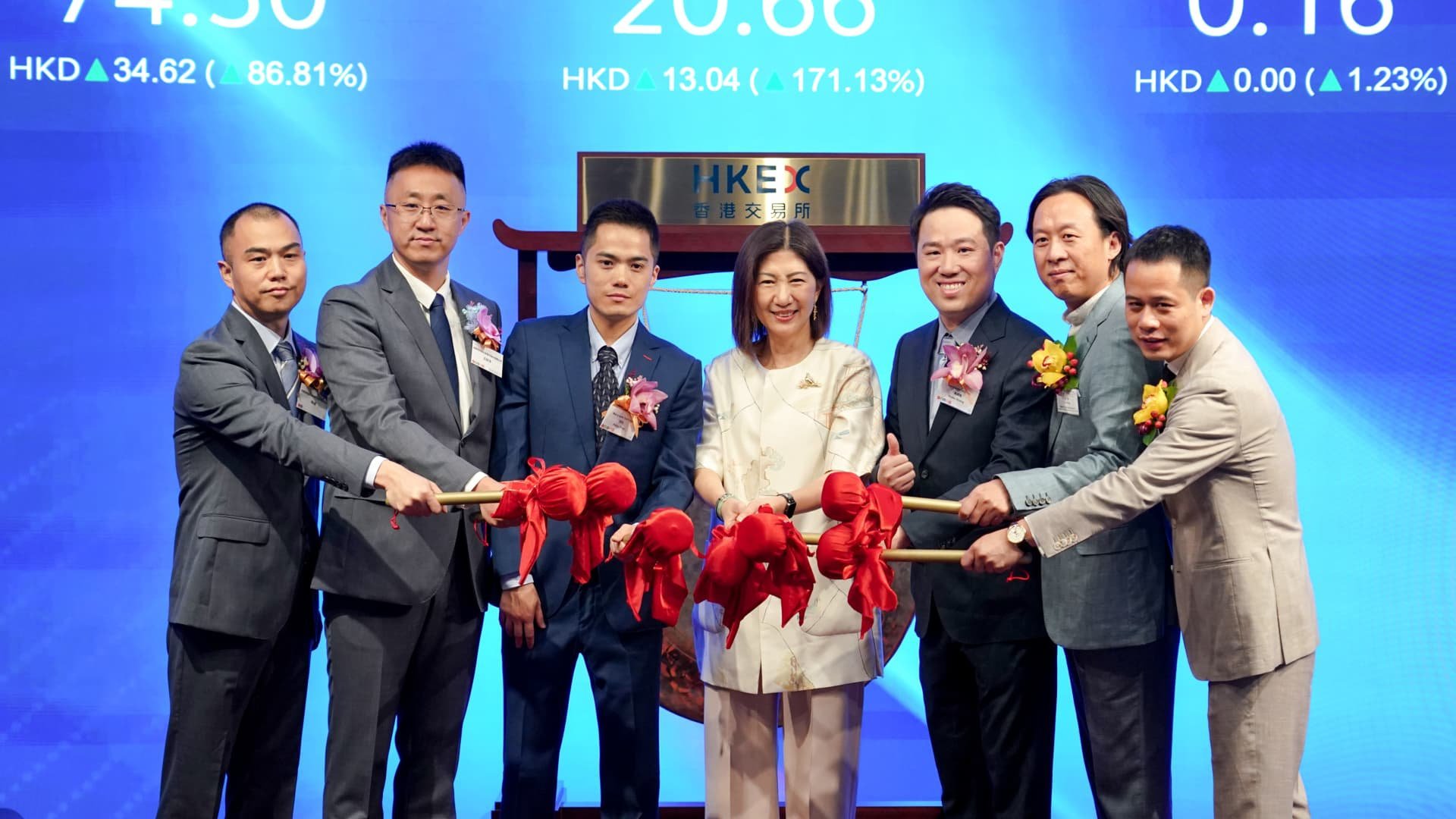
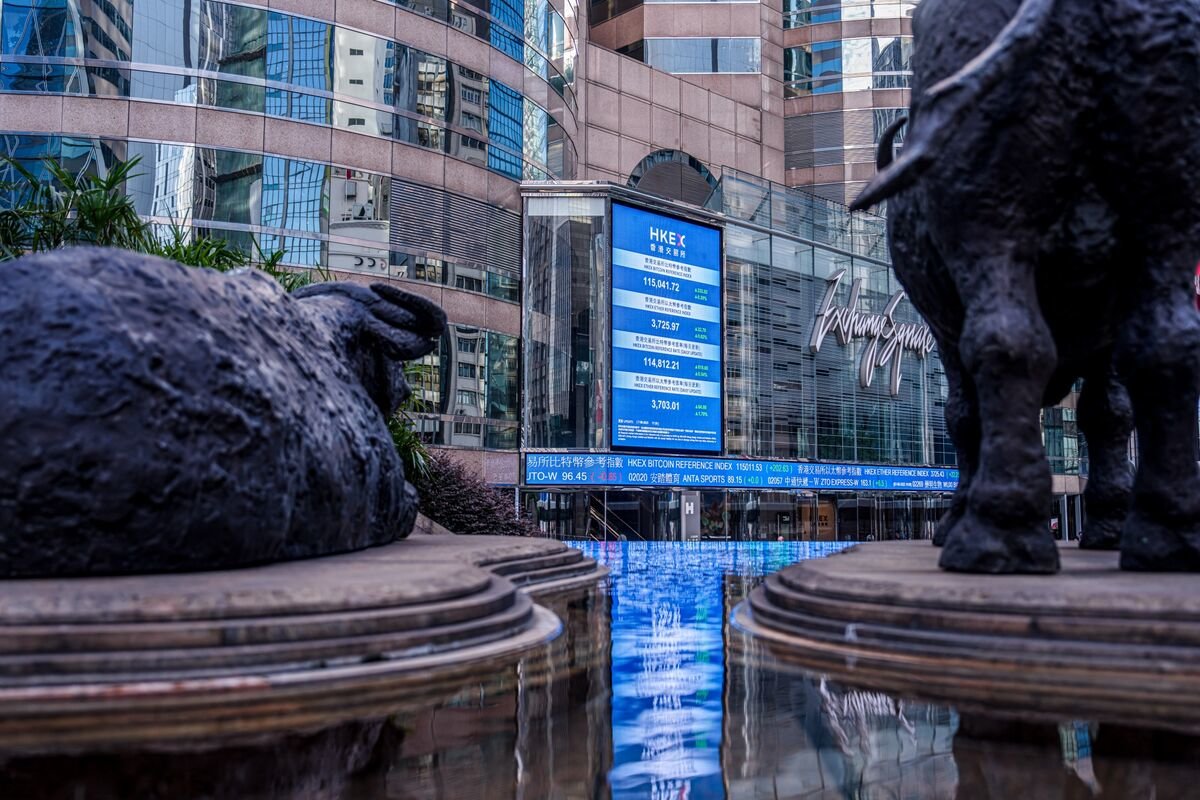
Star Sports’ stock market debut in Hong Kong, where shares surged more than 200 percent on the first day of trading, reflects a broader resurgence in initial public offerings driven by strong retail demand, limited float structures, and a strategic push to re-energize the city’s financial markets.
What is confirmed is that the company’s shares more than tripled shortly after listing, marking one of the most dramatic first-day performances in Hong Kong in recent years.
The scale of the jump places the listing among a growing cluster of highly volatile debuts that have attracted speculative trading and intense investor attention.
Trading volumes were elevated, with rapid price swings characteristic of a market environment dominated by momentum-driven buying.
The mechanism behind the surge is rooted in supply-demand imbalance.
Many recent Hong Kong IPOs have featured relatively small public floats, meaning only a limited portion of total shares is available for trading.
When combined with strong retail participation and margin financing, this creates conditions for sharp price escalation once trading begins.
Institutional allocations often remain locked or limited, amplifying the impact of early buying pressure.
Hong Kong’s regulatory adjustments have also contributed to the trend.
Authorities have introduced measures aimed at attracting more listings, including streamlined approval processes and accommodations for companies with non-traditional structures or growth profiles.
This has coincided with a deliberate effort to position the city as the primary offshore listing venue for Chinese and regional firms amid shifting global capital flows.
The stakes extend beyond a single listing.
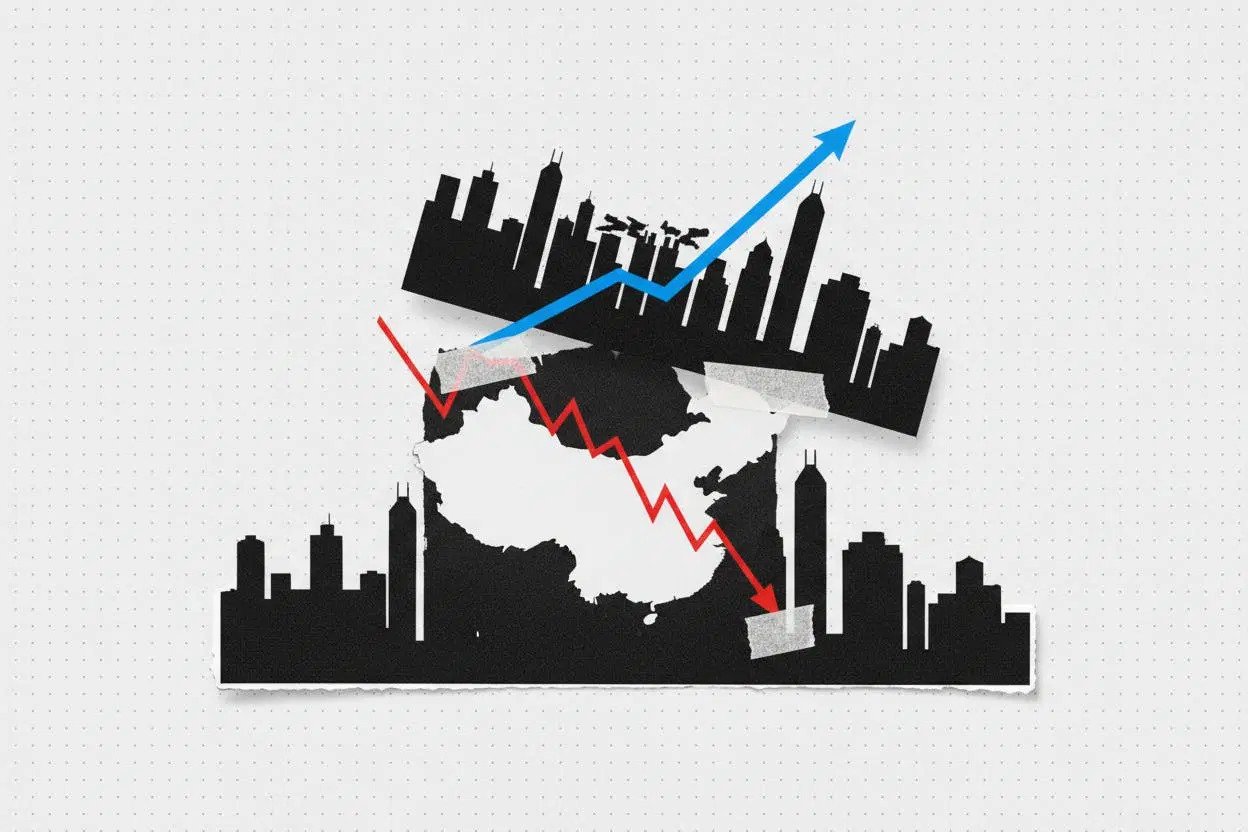
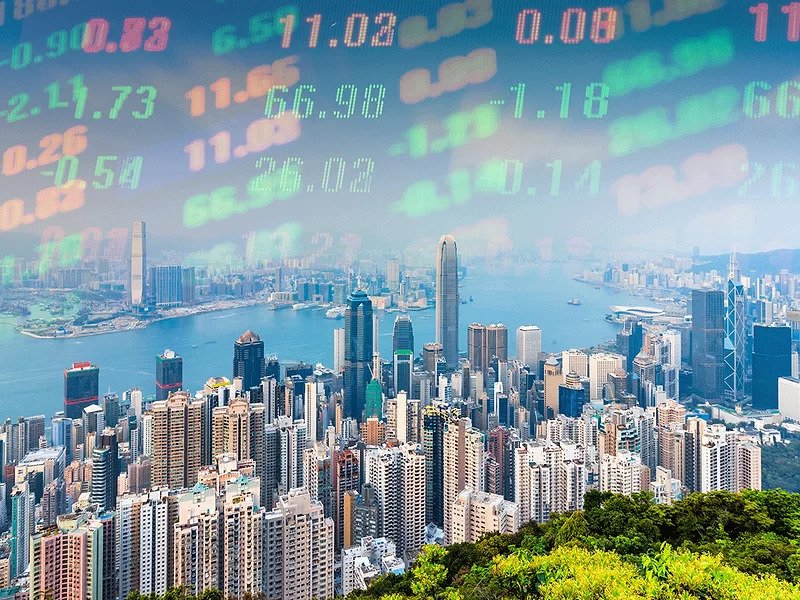
After a prolonged period of subdued IPO activity, driven by geopolitical tension, regulatory crackdowns, and weak investor sentiment, Hong Kong is seeking to reassert itself as a leading global fundraising hub.
High-profile and high-performing debuts serve as signals to both issuers and investors that liquidity and appetite are returning.
However, the implications are mixed.
While sharp first-day gains generate headlines and attract capital, they also raise concerns about pricing discipline and market stability.
Companies that experience extreme early surges can face pressure to justify valuations that rapidly detach from fundamentals.
For investors, the environment increases the risk of volatility-driven losses once initial momentum fades.
Regulators and market participants are closely monitoring these dynamics.
There is an ongoing balancing act between encouraging listings and maintaining orderly market behavior.
Excessive speculation could undermine confidence if followed by abrupt corrections, particularly among retail investors who are often most exposed to short-term swings.
The broader consequence is a market increasingly defined by episodic bursts of activity rather than steady growth.
Hong Kong’s ability to convert debut-day enthusiasm into sustained capital formation will determine whether the current IPO revival represents a structural recovery or a cycle driven by short-term liquidity and sentiment.
The immediate outcome is clear: Star Sports’ debut has reinforced momentum in Hong Kong’s listing market, prompting other companies to accelerate plans to go public in a window where investor demand is proving both strong and highly reactive.
What is confirmed is that the company’s shares more than tripled shortly after listing, marking one of the most dramatic first-day performances in Hong Kong in recent years.
The scale of the jump places the listing among a growing cluster of highly volatile debuts that have attracted speculative trading and intense investor attention.
Trading volumes were elevated, with rapid price swings characteristic of a market environment dominated by momentum-driven buying.
The mechanism behind the surge is rooted in supply-demand imbalance.
Many recent Hong Kong IPOs have featured relatively small public floats, meaning only a limited portion of total shares is available for trading.
When combined with strong retail participation and margin financing, this creates conditions for sharp price escalation once trading begins.
Institutional allocations often remain locked or limited, amplifying the impact of early buying pressure.
Hong Kong’s regulatory adjustments have also contributed to the trend.
Authorities have introduced measures aimed at attracting more listings, including streamlined approval processes and accommodations for companies with non-traditional structures or growth profiles.
This has coincided with a deliberate effort to position the city as the primary offshore listing venue for Chinese and regional firms amid shifting global capital flows.
The stakes extend beyond a single listing.
After a prolonged period of subdued IPO activity, driven by geopolitical tension, regulatory crackdowns, and weak investor sentiment, Hong Kong is seeking to reassert itself as a leading global fundraising hub.
High-profile and high-performing debuts serve as signals to both issuers and investors that liquidity and appetite are returning.
However, the implications are mixed.
While sharp first-day gains generate headlines and attract capital, they also raise concerns about pricing discipline and market stability.
Companies that experience extreme early surges can face pressure to justify valuations that rapidly detach from fundamentals.
For investors, the environment increases the risk of volatility-driven losses once initial momentum fades.
Regulators and market participants are closely monitoring these dynamics.
There is an ongoing balancing act between encouraging listings and maintaining orderly market behavior.
Excessive speculation could undermine confidence if followed by abrupt corrections, particularly among retail investors who are often most exposed to short-term swings.
The broader consequence is a market increasingly defined by episodic bursts of activity rather than steady growth.
Hong Kong’s ability to convert debut-day enthusiasm into sustained capital formation will determine whether the current IPO revival represents a structural recovery or a cycle driven by short-term liquidity and sentiment.
The immediate outcome is clear: Star Sports’ debut has reinforced momentum in Hong Kong’s listing market, prompting other companies to accelerate plans to go public in a window where investor demand is proving both strong and highly reactive.