Listing activity continues to build in Hong Kong even as geopolitical shocks tied to Iran-related conflict test global risk appetite and capital flows
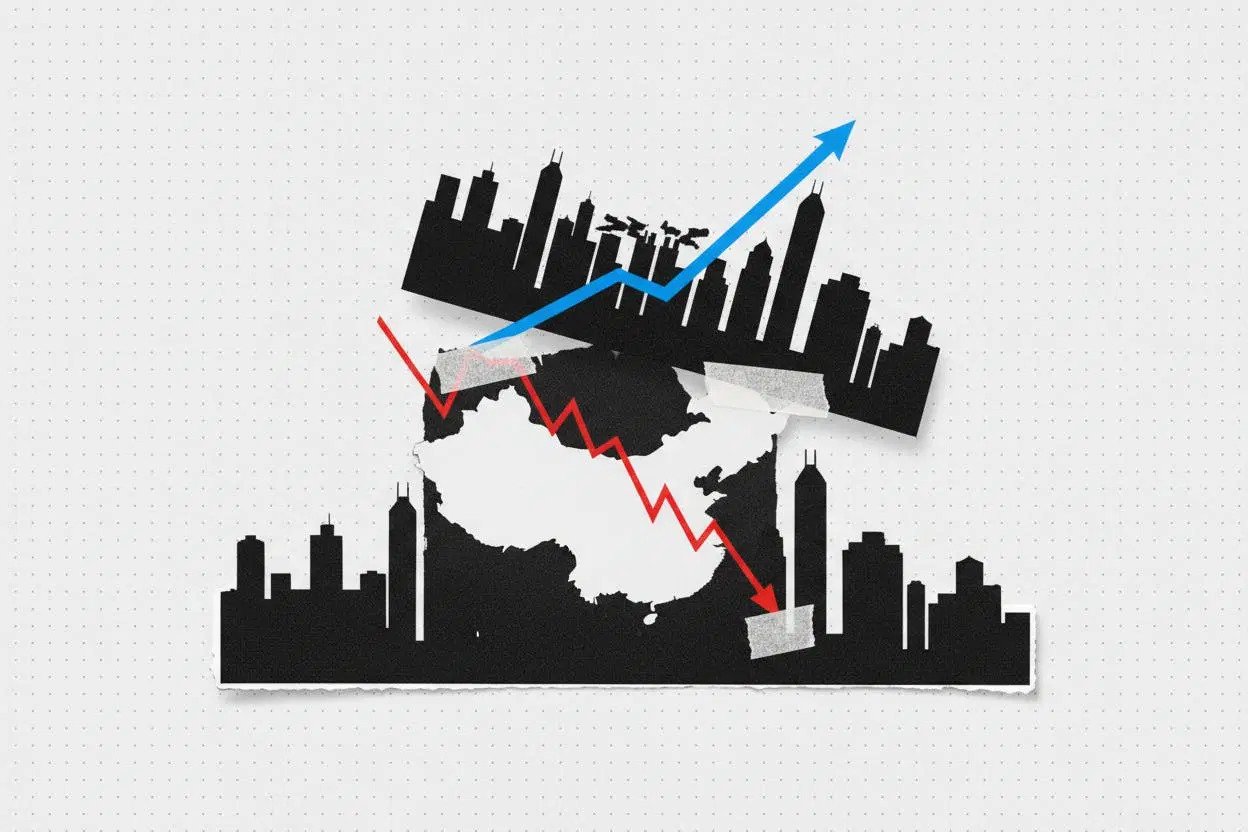
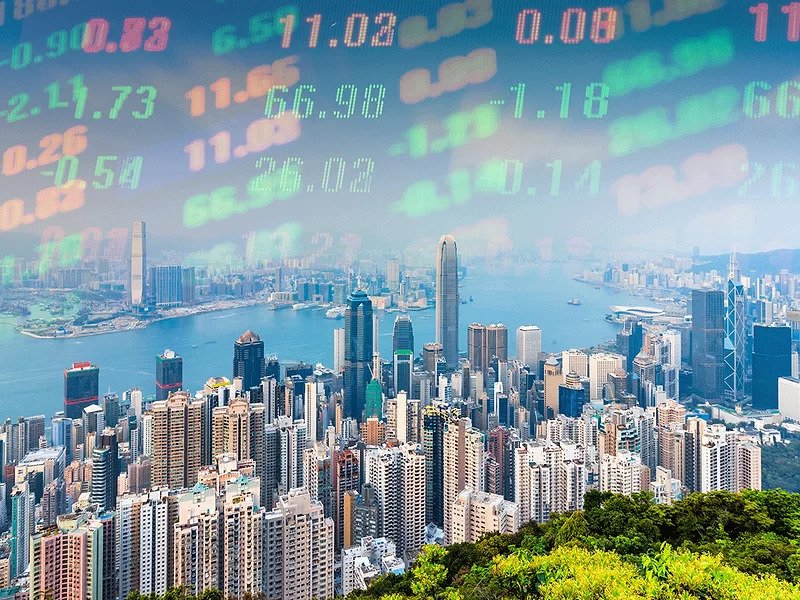
SYSTEM-DRIVEN — Hong Kong’s initial public offering (IPO) pipeline and broader equity listing market structure are being tested by renewed geopolitical volatility linked to escalating conflict involving Iran and Israel, yet current market conditions indicate continued momentum in planned listings rather than a broad withdrawal of issuance.
What is confirmed is that Hong Kong remains one of the world’s primary venues for equity fundraising, particularly for mainland Chinese companies seeking international capital while maintaining regulatory and political proximity to China.
The city’s exchange system is designed to absorb cross-border capital flows, and its listing pipeline is shaped by a steady flow of pre-approved or in-process IPO candidates, especially in technology, healthcare, and advanced manufacturing sectors.
Recent market behavior shows that despite spikes in global risk aversion triggered by Middle East conflict dynamics, IPO preparation activity has not materially stalled.
Instead, underwriting processes, investor roadshows, and regulatory filings continue to progress, though often with adjusted timing.
This reflects a structural feature of Hong Kong’s pipeline: listings are typically staged over months, making them less sensitive to short-term volatility than spot equity trading.
The key mechanism at work is risk compartmentalization.
While geopolitical shocks such as Iran-related conflict episodes can trigger immediate volatility in global equities, Hong Kong’s IPO market is partially insulated because issuers can delay pricing windows without canceling deals outright.
Investment banks and sponsors often re-anchor valuation ranges rather than withdrawing transactions, preserving the pipeline even during unstable periods.
At the same time, investor sentiment is more selective.
Institutional demand tends to tighten during periods of geopolitical stress, with capital rotating toward defensive sectors and higher-quality issuers.
This creates a divergence: the number of companies in the pipeline remains stable or rising, while execution quality and pricing discipline become more stringent.
The broader context is that Hong Kong’s role as a fundraising hub has been reinforced by shifting global capital structures.
Mainland Chinese firms increasingly rely on Hong Kong listings for international exposure, while global investors continue to view the city as a gateway into China-linked growth sectors.
This dual dependency supports a persistent listing pipeline even when external shocks affect sentiment.
What is also evident is that volatility linked to Middle East conflict, including Iran-related geopolitical risk, tends to affect secondary markets more immediately than primary issuance.
Equity indices and derivatives markets react quickly, but IPO preparation cycles are slower-moving and governed by regulatory review timelines and corporate financing needs.
Market participants are responding by widening execution windows rather than abandoning issuance.
Companies are more likely to extend pricing periods, reduce deal sizes, or adjust valuation expectations instead of halting listings entirely.
This behavior indicates that structural demand for Hong Kong listings is absorbing external shocks rather than being overridden by them.
The implications are significant for capital formation in the region.
If the IPO pipeline continues despite episodic geopolitical volatility, Hong Kong retains its function as a stable financing platform for Asia-focused issuers.
If volatility were to materially disrupt issuance, it would signal a breakdown in cross-border risk tolerance, but current indicators do not show such a shift.
The immediate consequence is a market environment defined by cautious continuity: listings proceed, but under tighter scrutiny, narrower pricing tolerance, and greater sensitivity to timing.
This balance allows the pipeline to remain active even as global geopolitical conditions inject periodic instability into broader financial markets.
What is confirmed is that Hong Kong remains one of the world’s primary venues for equity fundraising, particularly for mainland Chinese companies seeking international capital while maintaining regulatory and political proximity to China.
The city’s exchange system is designed to absorb cross-border capital flows, and its listing pipeline is shaped by a steady flow of pre-approved or in-process IPO candidates, especially in technology, healthcare, and advanced manufacturing sectors.
Recent market behavior shows that despite spikes in global risk aversion triggered by Middle East conflict dynamics, IPO preparation activity has not materially stalled.
Instead, underwriting processes, investor roadshows, and regulatory filings continue to progress, though often with adjusted timing.
This reflects a structural feature of Hong Kong’s pipeline: listings are typically staged over months, making them less sensitive to short-term volatility than spot equity trading.
The key mechanism at work is risk compartmentalization.
While geopolitical shocks such as Iran-related conflict episodes can trigger immediate volatility in global equities, Hong Kong’s IPO market is partially insulated because issuers can delay pricing windows without canceling deals outright.
Investment banks and sponsors often re-anchor valuation ranges rather than withdrawing transactions, preserving the pipeline even during unstable periods.
At the same time, investor sentiment is more selective.
Institutional demand tends to tighten during periods of geopolitical stress, with capital rotating toward defensive sectors and higher-quality issuers.
This creates a divergence: the number of companies in the pipeline remains stable or rising, while execution quality and pricing discipline become more stringent.
The broader context is that Hong Kong’s role as a fundraising hub has been reinforced by shifting global capital structures.
Mainland Chinese firms increasingly rely on Hong Kong listings for international exposure, while global investors continue to view the city as a gateway into China-linked growth sectors.
This dual dependency supports a persistent listing pipeline even when external shocks affect sentiment.
What is also evident is that volatility linked to Middle East conflict, including Iran-related geopolitical risk, tends to affect secondary markets more immediately than primary issuance.
Equity indices and derivatives markets react quickly, but IPO preparation cycles are slower-moving and governed by regulatory review timelines and corporate financing needs.
Market participants are responding by widening execution windows rather than abandoning issuance.
Companies are more likely to extend pricing periods, reduce deal sizes, or adjust valuation expectations instead of halting listings entirely.
This behavior indicates that structural demand for Hong Kong listings is absorbing external shocks rather than being overridden by them.
The implications are significant for capital formation in the region.
If the IPO pipeline continues despite episodic geopolitical volatility, Hong Kong retains its function as a stable financing platform for Asia-focused issuers.
If volatility were to materially disrupt issuance, it would signal a breakdown in cross-border risk tolerance, but current indicators do not show such a shift.
The immediate consequence is a market environment defined by cautious continuity: listings proceed, but under tighter scrutiny, narrower pricing tolerance, and greater sensitivity to timing.
This balance allows the pipeline to remain active even as global geopolitical conditions inject periodic instability into broader financial markets.