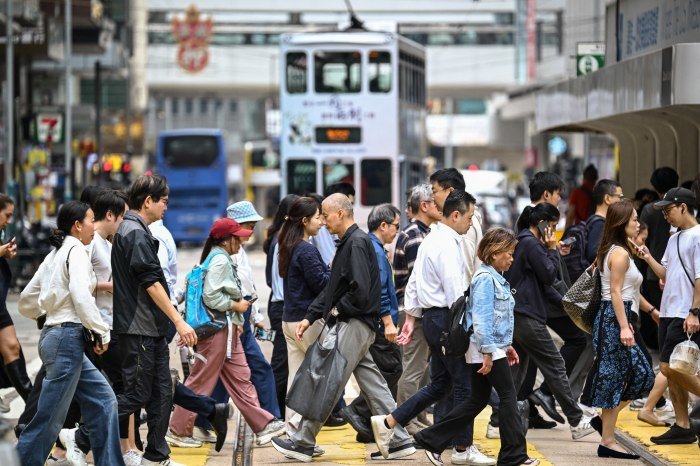
March marked the city’s eleventh straight month of retail growth, driven by rising visitor arrivals, stronger local demand, and a surge in electric vehicle purchases before tax incentives expired.
SYSTEM-DRIVEN
Hong Kong’s retail rebound is being driven by a combination of recovering tourism flows, improving domestic consumption, and government-linked market incentives that are reshaping spending patterns across the city’s consumer economy.
March retail sales rose 12.8 percent from a year earlier, extending a recovery streak that has now lasted eleven consecutive months.
What is confirmed is that total retail sales reached HK$33.9 billion in March, with nearly every major retail category recording gains.
The increase followed a particularly strong February and pushed first-quarter retail growth above twelve percent year on year.
After adjusting for inflation, retail sales volume rose 9.8 percent, indicating that the expansion reflected real increases in purchasing activity rather than price effects alone.
The strongest single driver was the motor vehicle sector.
Sales of vehicles and automotive parts surged more than eighty percent as consumers accelerated purchases ahead of the expiration of first-registration tax concessions for electric private cars at the end of March.
The incentive deadline triggered a concentrated wave of buying, particularly benefiting electric vehicle brands already competing aggressively in Hong Kong’s premium and mass-market segments.
Tourism also played a central role.
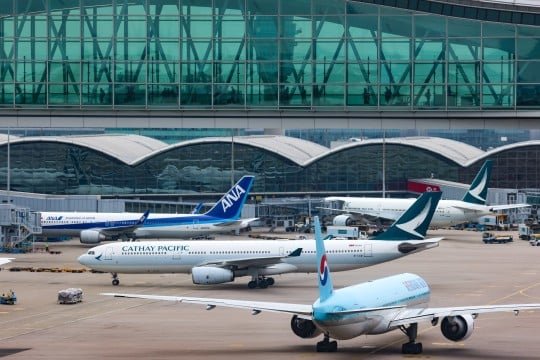
Visitor arrivals rose sharply in March, reaching roughly 4.35 million, with mainland Chinese visitors accounting for more than 3 million arrivals.
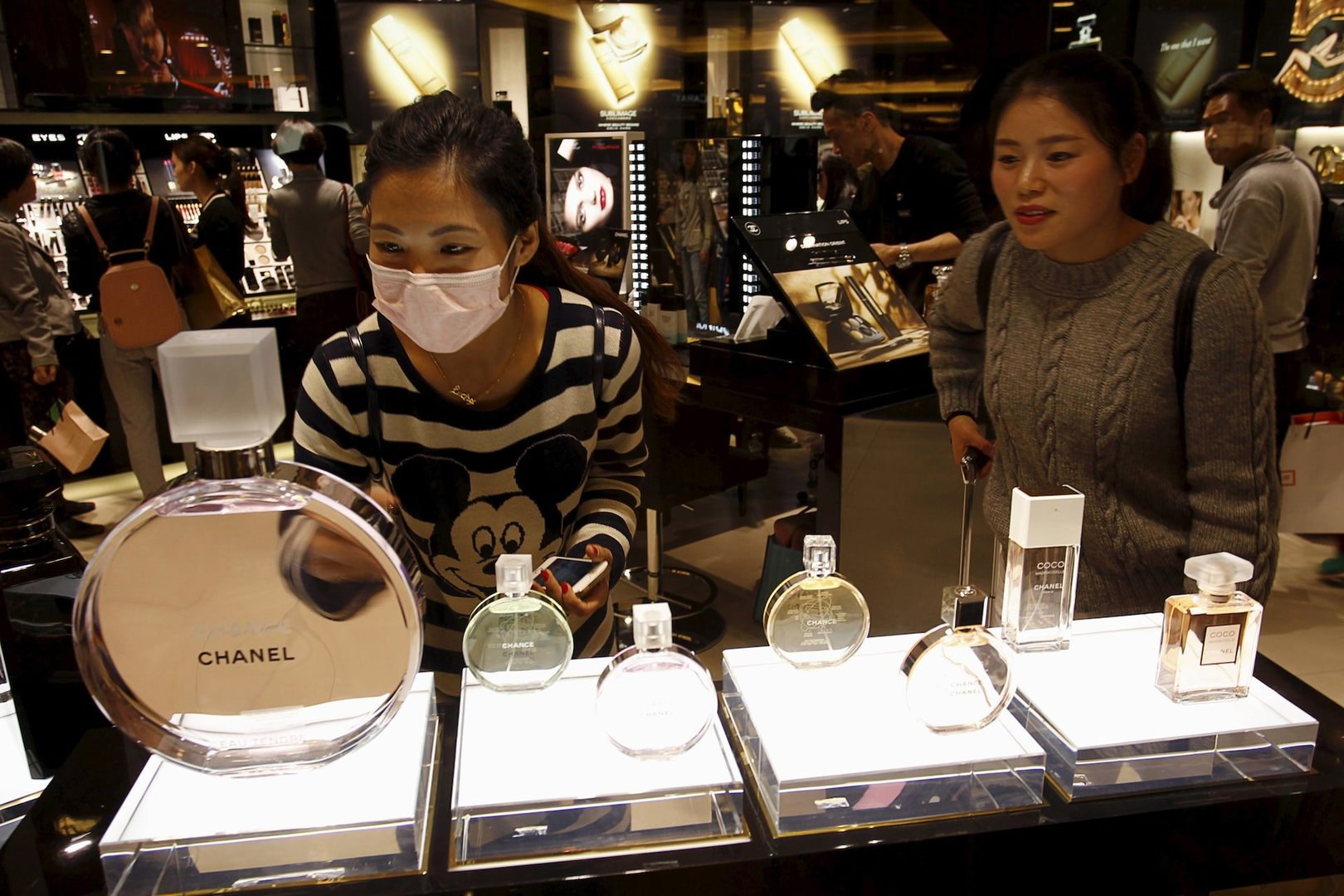
Jewelry, watches, luxury gifts, cosmetics, apparel, and consumer electronics all benefited from the return of cross-border spending.
The mechanism behind the recovery is broader than simple tourism normalization.
Hong Kong’s retail sector is emerging from a prolonged post-pandemic adjustment period that previously included falling sales, weak local confidence, outbound spending by residents, and structural pressure from e-commerce and mainland competition.
The current rebound reflects a partial reversal of those trends, supported by stronger economic growth, improving financial conditions, and renewed visitor traffic.
The shift is particularly notable because Hong Kong’s retail sector had struggled for much of 2024 and early 2025. At that stage, increased visitor numbers were not translating into proportional retail spending, partly because mainland tourists were spending less per visit and many Hong Kong residents were shopping across the border in Shenzhen, where prices were often lower.
The latest figures suggest some stabilization in consumer behavior, although structural competition remains intense.
Online retail also expanded rapidly.
Internet-based retail sales rose more than thirty-five percent in March, substantially outpacing overall retail growth.
That acceleration highlights how consumer spending in Hong Kong is increasingly split between traditional storefront retail and digital commerce platforms, forcing established retailers to adapt operating models and inventory strategies.
The broader economic backdrop has improved.
Hong Kong’s economy recently recorded its strongest quarterly growth in nearly five years, supported by exports, financial activity, artificial intelligence-linked electronics demand, and tourism recovery.
Retail performance is now becoming an important indicator of whether that macroeconomic rebound is translating into sustained domestic consumption.
Not every sector benefited equally.
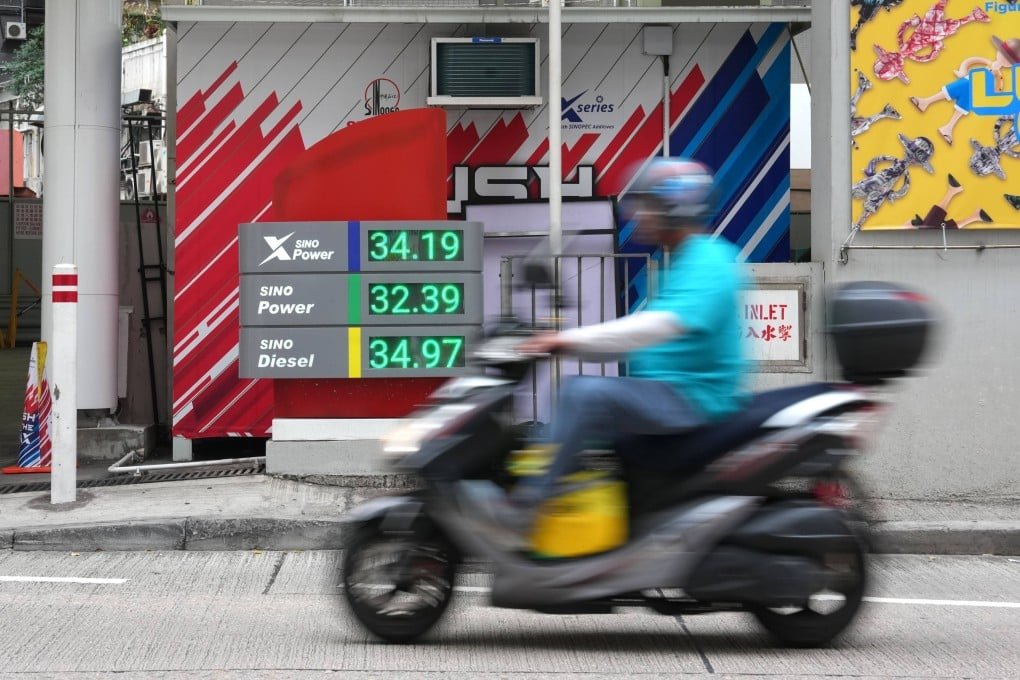
Fuel sales declined, and some categories linked to traditional discretionary spending remained under pressure.
Footwear and clothing accessories continued to show weakness despite overall gains in apparel spending.
That unevenness reflects changing consumer preferences, cautious household budgeting, and continued competition from mainland Chinese shopping destinations and online platforms.
Business sentiment has improved but remains cautious.
Retail operators expect continued support from inbound tourism and local consumption, especially around holiday periods and large-scale events.
At the same time, rising geopolitical tensions, energy costs, and shifts in regional spending behavior remain significant external risks for consumer demand.
The importance of the latest figures extends beyond retail.
Hong Kong’s economic model depends heavily on services, tourism, finance, and consumption-driven sectors.
Sustained retail expansion strengthens employment, commercial property occupancy, logistics demand, and government revenue tied to business activity.
The immediate consequence is that Hong Kong’s consumer economy has shifted from contraction into measurable expansion, with tourism recovery and domestic demand now reinforcing each other rather than moving in opposite directions.
Hong Kong’s retail rebound is being driven by a combination of recovering tourism flows, improving domestic consumption, and government-linked market incentives that are reshaping spending patterns across the city’s consumer economy.
March retail sales rose 12.8 percent from a year earlier, extending a recovery streak that has now lasted eleven consecutive months.
What is confirmed is that total retail sales reached HK$33.9 billion in March, with nearly every major retail category recording gains.
The increase followed a particularly strong February and pushed first-quarter retail growth above twelve percent year on year.
After adjusting for inflation, retail sales volume rose 9.8 percent, indicating that the expansion reflected real increases in purchasing activity rather than price effects alone.
The strongest single driver was the motor vehicle sector.
Sales of vehicles and automotive parts surged more than eighty percent as consumers accelerated purchases ahead of the expiration of first-registration tax concessions for electric private cars at the end of March.
The incentive deadline triggered a concentrated wave of buying, particularly benefiting electric vehicle brands already competing aggressively in Hong Kong’s premium and mass-market segments.
Tourism also played a central role.
Visitor arrivals rose sharply in March, reaching roughly 4.35 million, with mainland Chinese visitors accounting for more than 3 million arrivals.
Jewelry, watches, luxury gifts, cosmetics, apparel, and consumer electronics all benefited from the return of cross-border spending.
The mechanism behind the recovery is broader than simple tourism normalization.
Hong Kong’s retail sector is emerging from a prolonged post-pandemic adjustment period that previously included falling sales, weak local confidence, outbound spending by residents, and structural pressure from e-commerce and mainland competition.
The current rebound reflects a partial reversal of those trends, supported by stronger economic growth, improving financial conditions, and renewed visitor traffic.
The shift is particularly notable because Hong Kong’s retail sector had struggled for much of 2024 and early 2025. At that stage, increased visitor numbers were not translating into proportional retail spending, partly because mainland tourists were spending less per visit and many Hong Kong residents were shopping across the border in Shenzhen, where prices were often lower.
The latest figures suggest some stabilization in consumer behavior, although structural competition remains intense.
Online retail also expanded rapidly.
Internet-based retail sales rose more than thirty-five percent in March, substantially outpacing overall retail growth.
That acceleration highlights how consumer spending in Hong Kong is increasingly split between traditional storefront retail and digital commerce platforms, forcing established retailers to adapt operating models and inventory strategies.
The broader economic backdrop has improved.
Hong Kong’s economy recently recorded its strongest quarterly growth in nearly five years, supported by exports, financial activity, artificial intelligence-linked electronics demand, and tourism recovery.
Retail performance is now becoming an important indicator of whether that macroeconomic rebound is translating into sustained domestic consumption.
Not every sector benefited equally.
Fuel sales declined, and some categories linked to traditional discretionary spending remained under pressure.
Footwear and clothing accessories continued to show weakness despite overall gains in apparel spending.
That unevenness reflects changing consumer preferences, cautious household budgeting, and continued competition from mainland Chinese shopping destinations and online platforms.
Business sentiment has improved but remains cautious.
Retail operators expect continued support from inbound tourism and local consumption, especially around holiday periods and large-scale events.
At the same time, rising geopolitical tensions, energy costs, and shifts in regional spending behavior remain significant external risks for consumer demand.
The importance of the latest figures extends beyond retail.
Hong Kong’s economic model depends heavily on services, tourism, finance, and consumption-driven sectors.
Sustained retail expansion strengthens employment, commercial property occupancy, logistics demand, and government revenue tied to business activity.
The immediate consequence is that Hong Kong’s consumer economy has shifted from contraction into measurable expansion, with tourism recovery and domestic demand now reinforcing each other rather than moving in opposite directions.