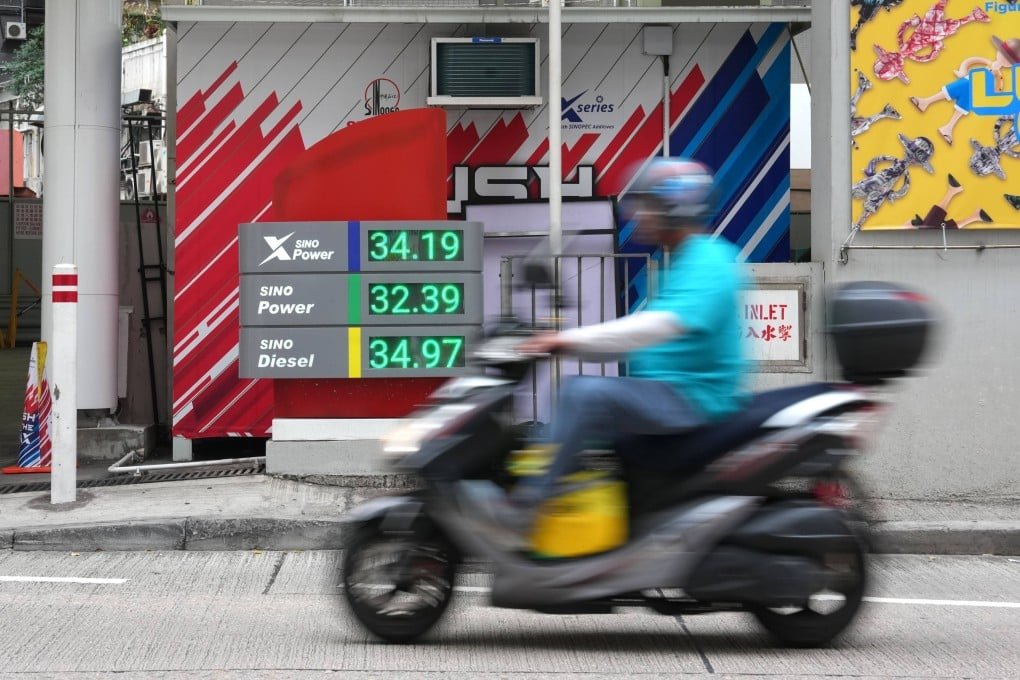
Calls are growing for Hong Kong to expand business support measures beyond fuel subsidies amid cost pressures, competitiveness concerns, and uneven post-pandemic recovery across sectors.
SYSTEM-DRIVEN pressures in Hong Kong’s economic policy framework—shaped by energy costs, fiscal constraints, and structural competitiveness challenges—are driving renewed debate over how far government support for businesses should extend beyond targeted fuel subsidies.
What is confirmed is that discussions within Hong Kong’s policy and business environment have highlighted fuel subsidies as an active but limited tool for easing operational costs for companies.
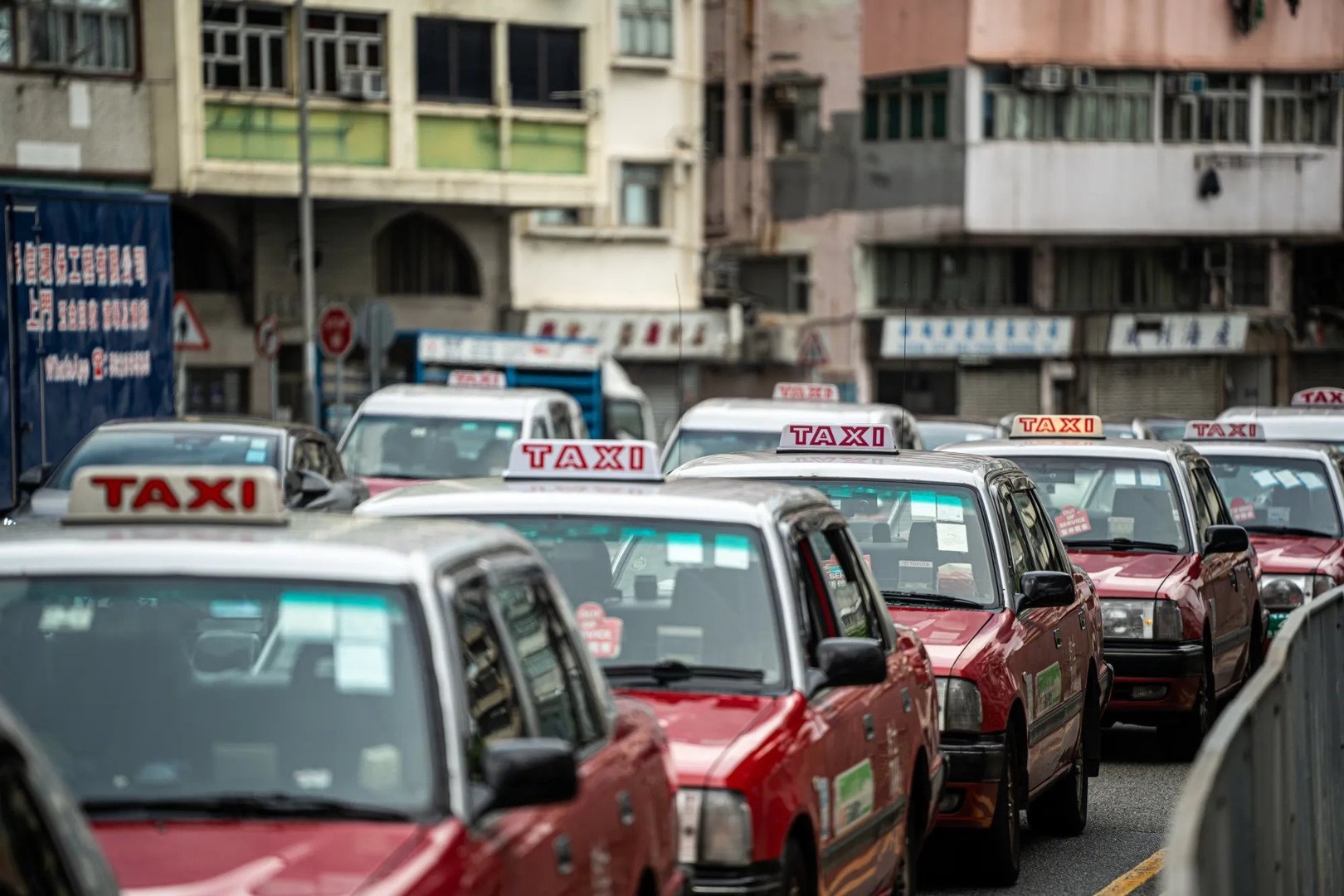
These subsidies are designed to offset part of the burden from fuel price volatility, particularly for transport-dependent industries such as logistics, construction, and small-scale retail distribution.
However, business groups and policy observers argue that such measures address only a narrow component of broader cost pressures facing the commercial sector.
Rent, wages, financing costs, and regulatory compliance expenses continue to weigh heavily on firms, particularly small and medium-sized enterprises that lack the scale to absorb sustained cost increases.
The central issue is that Hong Kong’s economic recovery following the pandemic has been uneven.
While sectors tied to finance, professional services, and high-end retail have shown relative resilience, other parts of the economy—especially consumption-driven and labour-intensive industries—have struggled to return to pre-pandemic momentum.
Fuel subsidies, in this context, function as a targeted relief mechanism rather than a structural solution.
They help mitigate short-term operational shocks but do not significantly alter the underlying cost structure of doing business in one of the world’s most expensive commercial environments.
The argument for expanding support reflects a broader concern about competitiveness.
Hong Kong continues to position itself as a global financial hub, but it faces increasing competition from regional cities offering lower operating costs and more diversified incentive packages for businesses and investors.
At the same time, fiscal policy constraints limit the scope for broad-based subsidies.
Government expenditure priorities include housing, healthcare, and infrastructure, which compete for the same fiscal space as business support programmes.
This creates a policy tension between targeted relief measures and more comprehensive economic intervention.
Business advocates therefore argue for a more integrated support framework rather than isolated subsidies.
This could include broader tax relief, targeted wage support for vulnerable sectors, or structural reforms aimed at reducing operational friction for small and medium-sized enterprises.
The fuel subsidy debate has become a proxy for this wider policy question: whether Hong Kong should continue relying on narrowly defined, cost-specific relief measures or shift toward more systemic support for business competitiveness.
For now, fuel subsidies remain part of the government’s toolkit, but pressure is increasing for policymakers to evaluate whether incremental support is sufficient in an environment where cost pressures are multi-layered and persistent.
The outcome of this debate will influence how Hong Kong balances fiscal discipline with the need to sustain private sector recovery and long-term economic positioning.
What is confirmed is that discussions within Hong Kong’s policy and business environment have highlighted fuel subsidies as an active but limited tool for easing operational costs for companies.
These subsidies are designed to offset part of the burden from fuel price volatility, particularly for transport-dependent industries such as logistics, construction, and small-scale retail distribution.
However, business groups and policy observers argue that such measures address only a narrow component of broader cost pressures facing the commercial sector.
Rent, wages, financing costs, and regulatory compliance expenses continue to weigh heavily on firms, particularly small and medium-sized enterprises that lack the scale to absorb sustained cost increases.
The central issue is that Hong Kong’s economic recovery following the pandemic has been uneven.
While sectors tied to finance, professional services, and high-end retail have shown relative resilience, other parts of the economy—especially consumption-driven and labour-intensive industries—have struggled to return to pre-pandemic momentum.
Fuel subsidies, in this context, function as a targeted relief mechanism rather than a structural solution.
They help mitigate short-term operational shocks but do not significantly alter the underlying cost structure of doing business in one of the world’s most expensive commercial environments.
The argument for expanding support reflects a broader concern about competitiveness.
Hong Kong continues to position itself as a global financial hub, but it faces increasing competition from regional cities offering lower operating costs and more diversified incentive packages for businesses and investors.
At the same time, fiscal policy constraints limit the scope for broad-based subsidies.
Government expenditure priorities include housing, healthcare, and infrastructure, which compete for the same fiscal space as business support programmes.
This creates a policy tension between targeted relief measures and more comprehensive economic intervention.
Business advocates therefore argue for a more integrated support framework rather than isolated subsidies.
This could include broader tax relief, targeted wage support for vulnerable sectors, or structural reforms aimed at reducing operational friction for small and medium-sized enterprises.
The fuel subsidy debate has become a proxy for this wider policy question: whether Hong Kong should continue relying on narrowly defined, cost-specific relief measures or shift toward more systemic support for business competitiveness.
For now, fuel subsidies remain part of the government’s toolkit, but pressure is increasing for policymakers to evaluate whether incremental support is sufficient in an environment where cost pressures are multi-layered and persistent.
The outcome of this debate will influence how Hong Kong balances fiscal discipline with the need to sustain private sector recovery and long-term economic positioning.