Investor sentiment improves on easing financial pressures and policy expectations, lifting a sector battered by years of decline
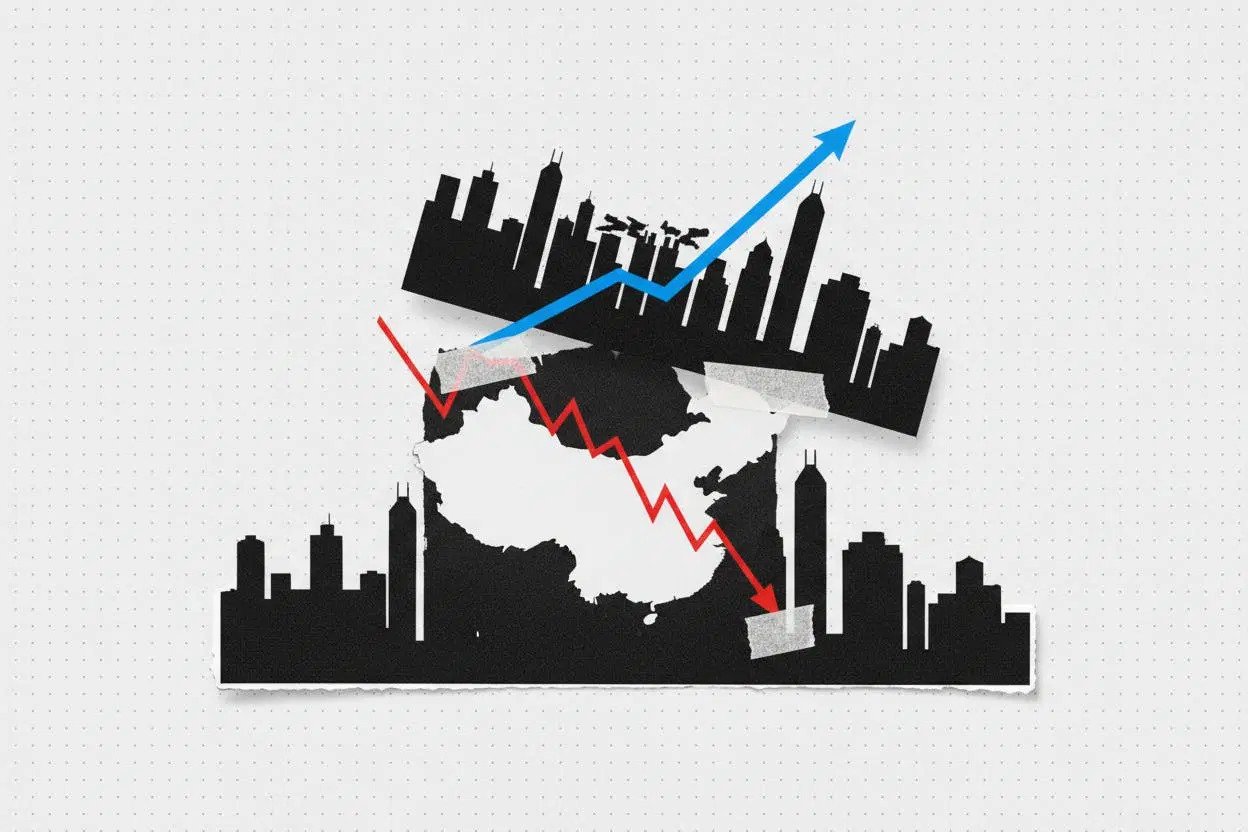
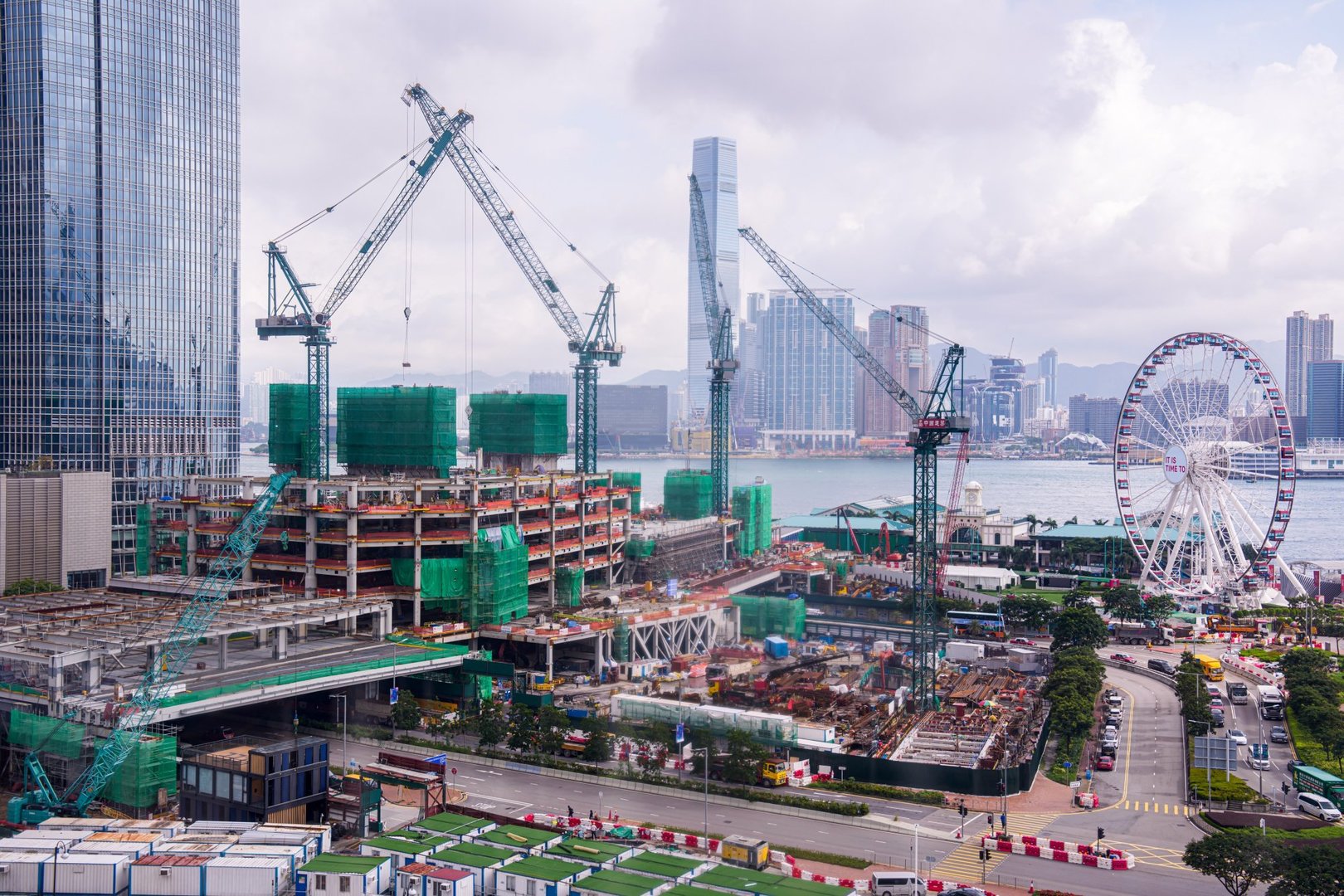
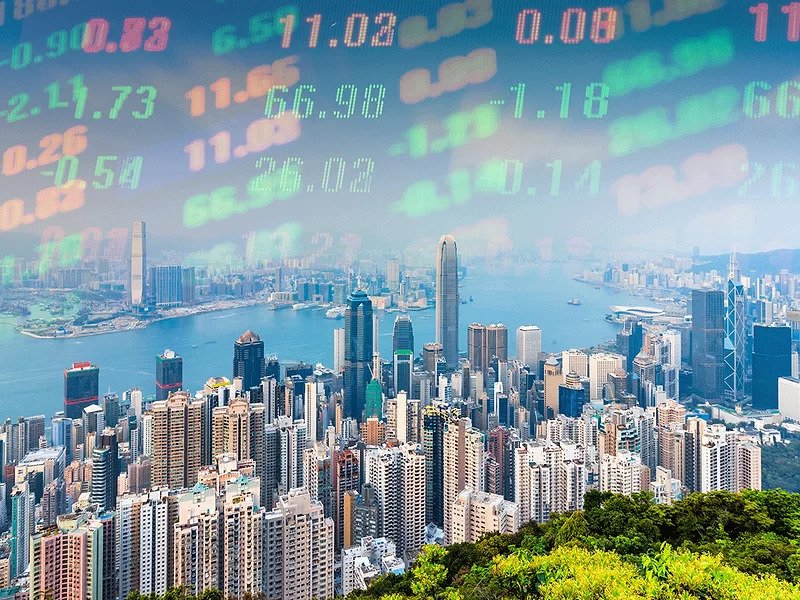
Financial market dynamics are driving a sharp rebound in Hong Kong’s property shares, as improving liquidity conditions and shifting policy expectations trigger renewed investor interest in one of the city’s most heavily discounted sectors.
What is confirmed is a broad rally across major Hong Kong-listed developers, with share prices rising significantly in recent trading sessions.
The move follows a period of prolonged weakness tied to high interest rates, falling property values, and reduced demand from both local buyers and mainland Chinese investors.
The latest gains reflect a recalibration of expectations rather than a sudden change in underlying fundamentals.
The mechanism behind the rally is rooted in interest rate outlooks.
Hong Kong’s currency peg to the US dollar forces its monetary policy to closely follow that of the United States.
As expectations build that US rate hikes have peaked and eventual cuts may follow, borrowing conditions in Hong Kong are expected to ease.
Lower financing costs directly improve the outlook for property developers, which rely heavily on debt to fund projects and manage cash flow.
At the same time, valuations across the sector had reached historically low levels after years of decline.
Many developers were trading at deep discounts to their net asset value, reflecting pessimism about future earnings and asset prices.
The recent rally suggests investors are repositioning to capture potential upside if conditions stabilize, rather than responding to immediate improvements in sales or rents.
Policy signals are also playing a role.
Hong Kong authorities have already rolled back several cooling measures in the property market, including restrictions that previously limited speculative buying.
These changes are designed to revive transaction volumes and restore confidence.
While early indicators show some pickup in activity, the recovery remains uneven, with demand still constrained by affordability and economic uncertainty.
Mainland China’s economic trajectory adds another layer.
Hong Kong’s property sector has long depended on capital flows and buyer demand from the mainland.
Slower growth in China and stress in its own property market have weakened this channel.
However, recent policy efforts by Beijing to stabilize its real estate sector and support growth have contributed to improved sentiment toward related assets, including Hong Kong developers.
The stakes are high because property is central to Hong Kong’s economic model.
Real estate underpins government revenue through land sales, influences household wealth, and shapes the balance sheets of major conglomerates.
A sustained recovery would ease fiscal pressures and support broader economic activity, while a false rebound could expose deeper structural weaknesses.
There are clear constraints.
Office vacancy rates remain elevated, reflecting shifts in business demand and the impact of remote work.
Residential affordability is still stretched relative to incomes, limiting the pool of buyers even if financing becomes cheaper.
Developers also face refinancing risks as large debt maturities approach in a higher-rate environment than in the past decade.
The current rally therefore represents a forward-looking bet rather than confirmation of recovery.
Investors are pricing in a scenario where interest rates decline, policy support continues, and demand gradually returns.
Any deviation from that path could reverse gains quickly.
The immediate consequence is a measurable improvement in market sentiment and capital flows into the sector, signaling that investors are once again willing to take exposure to Hong Kong property after a prolonged period of retreat.
What is confirmed is a broad rally across major Hong Kong-listed developers, with share prices rising significantly in recent trading sessions.
The move follows a period of prolonged weakness tied to high interest rates, falling property values, and reduced demand from both local buyers and mainland Chinese investors.
The latest gains reflect a recalibration of expectations rather than a sudden change in underlying fundamentals.
The mechanism behind the rally is rooted in interest rate outlooks.
Hong Kong’s currency peg to the US dollar forces its monetary policy to closely follow that of the United States.
As expectations build that US rate hikes have peaked and eventual cuts may follow, borrowing conditions in Hong Kong are expected to ease.
Lower financing costs directly improve the outlook for property developers, which rely heavily on debt to fund projects and manage cash flow.
At the same time, valuations across the sector had reached historically low levels after years of decline.
Many developers were trading at deep discounts to their net asset value, reflecting pessimism about future earnings and asset prices.
The recent rally suggests investors are repositioning to capture potential upside if conditions stabilize, rather than responding to immediate improvements in sales or rents.
Policy signals are also playing a role.
Hong Kong authorities have already rolled back several cooling measures in the property market, including restrictions that previously limited speculative buying.
These changes are designed to revive transaction volumes and restore confidence.
While early indicators show some pickup in activity, the recovery remains uneven, with demand still constrained by affordability and economic uncertainty.
Mainland China’s economic trajectory adds another layer.
Hong Kong’s property sector has long depended on capital flows and buyer demand from the mainland.
Slower growth in China and stress in its own property market have weakened this channel.
However, recent policy efforts by Beijing to stabilize its real estate sector and support growth have contributed to improved sentiment toward related assets, including Hong Kong developers.
The stakes are high because property is central to Hong Kong’s economic model.
Real estate underpins government revenue through land sales, influences household wealth, and shapes the balance sheets of major conglomerates.
A sustained recovery would ease fiscal pressures and support broader economic activity, while a false rebound could expose deeper structural weaknesses.
There are clear constraints.
Office vacancy rates remain elevated, reflecting shifts in business demand and the impact of remote work.
Residential affordability is still stretched relative to incomes, limiting the pool of buyers even if financing becomes cheaper.
Developers also face refinancing risks as large debt maturities approach in a higher-rate environment than in the past decade.
The current rally therefore represents a forward-looking bet rather than confirmation of recovery.
Investors are pricing in a scenario where interest rates decline, policy support continues, and demand gradually returns.
Any deviation from that path could reverse gains quickly.
The immediate consequence is a measurable improvement in market sentiment and capital flows into the sector, signaling that investors are once again willing to take exposure to Hong Kong property after a prolonged period of retreat.