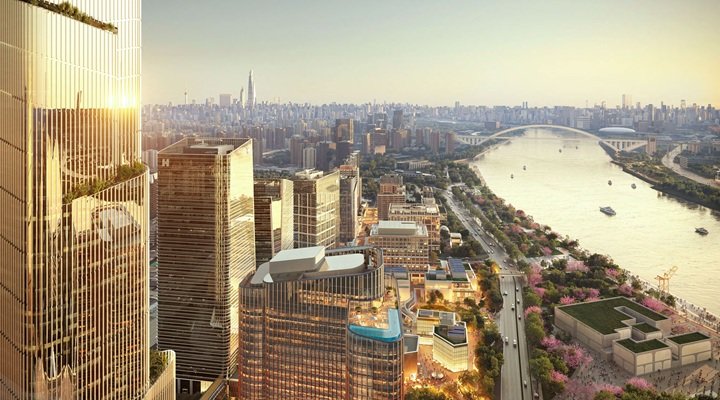
The developer has opened Phase Two of Westbund Central in Shanghai, introducing international retail and lifestyle brands as part of a multi-year strategy to build a massive mixed-use urban district anchored by offices, retail, housing, and cultural space.
SYSTEM-DRIVEN
Hongkong Land is advancing the staged commercialization of its Westbund Central development in Shanghai, a large-scale mixed-use district built around a long-term urban planning and leasing strategy rather than a single construction milestone.
The latest phase focuses on how global retail and lifestyle tenants are being integrated into a regulatory and architectural framework designed to transform a former waterfront industrial zone into a high-end commercial hub.
The project, valued at roughly eight billion US dollars, is structured as a multi-phase development scheduled for completion through 2028. What is confirmed is that Phase Two has now been opened and is centered on designer retail and lifestyle concepts, marking a shift from the first phase, which focused more heavily on dining, cafés, and leisure facilities.
The new tenant lineup includes international brands such as Issey Miyake, Leica Store & Gallery, Swiss chocolatier House of Läderach, design companies HAY and Paulmann, and a multi-brand boutique operator known as SND.
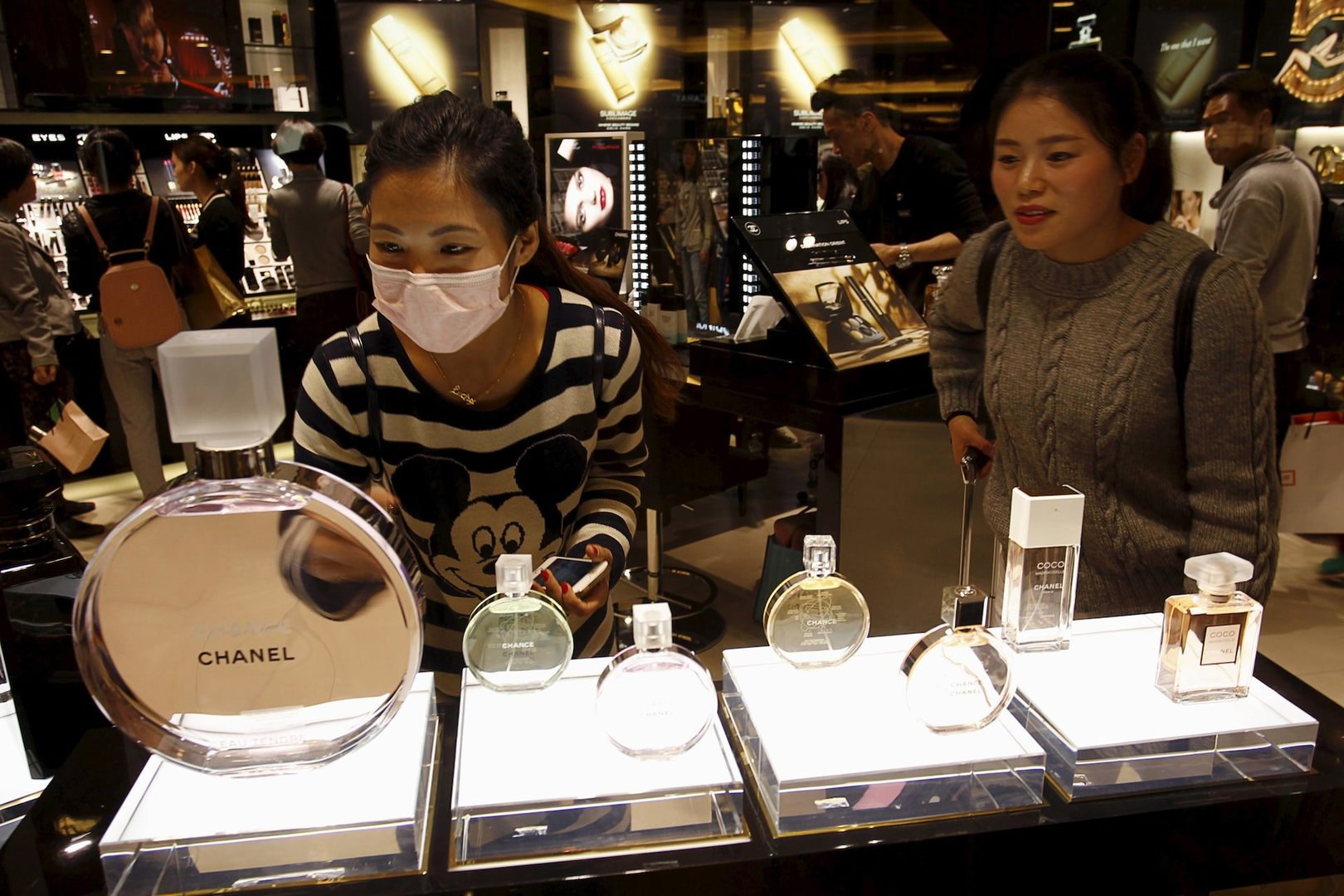
These tenants are positioned as part of a curated retail ecosystem rather than a traditional shopping mall model, with the intention of attracting high-spending consumers and global foot traffic to Shanghai’s Xuhui waterfront district.
The development is not limited to retail.
It is designed as a mixed-use district spanning offices, residential buildings, hotels, cultural venues, and retail space.
Upon full completion, the project is expected to include roughly 240,000 square meters of retail, 650,000 square meters of Grade A office space, luxury residential units, hotels, and dedicated cultural facilities.
Office space is planned to host multinational companies including Adidas and Lululemon, reinforcing the site’s positioning as an international business hub.
The mechanism driving this rollout is phased urban activation.
Rather than opening the entire development at once, Hongkong Land is releasing components in stages to secure tenants, build commercial momentum, and gradually increase property value.
Phase One established initial foot traffic through food and leisure offerings.
Phase Two is designed to upgrade the tenant profile toward global design and luxury lifestyle brands.
A future Phase Three is expected to introduce flagship luxury maison stores, further elevating the site’s retail positioning.
The stakes are significant for both the developer and Shanghai’s broader commercial landscape.
Westbund Central is Hongkong Land’s largest single investment and represents a strategic push into mainland China’s premium mixed-use property sector.
The development sits within a broader shift in Chinese urban planning, where large-scale integrated districts are being used to combine commerce, culture, and residential life in dense, walkable environments.
For retailers, the project offers access to a high-income consumer base in one of China’s most economically active cities.
For Hongkong Land, it provides long-term recurring income through leasing while also increasing asset value through gradual occupancy expansion.
The scale of the project also means its performance will be closely watched as a benchmark for other international developers operating in China’s evolving property market.
As additional retail space continues to open and Phase Three approaches, the development is moving from construction-driven expansion toward full commercial activation, with leasing strategy now playing a central role in shaping the future identity of the district.
Hongkong Land is advancing the staged commercialization of its Westbund Central development in Shanghai, a large-scale mixed-use district built around a long-term urban planning and leasing strategy rather than a single construction milestone.
The latest phase focuses on how global retail and lifestyle tenants are being integrated into a regulatory and architectural framework designed to transform a former waterfront industrial zone into a high-end commercial hub.
The project, valued at roughly eight billion US dollars, is structured as a multi-phase development scheduled for completion through 2028. What is confirmed is that Phase Two has now been opened and is centered on designer retail and lifestyle concepts, marking a shift from the first phase, which focused more heavily on dining, cafés, and leisure facilities.
The new tenant lineup includes international brands such as Issey Miyake, Leica Store & Gallery, Swiss chocolatier House of Läderach, design companies HAY and Paulmann, and a multi-brand boutique operator known as SND.
These tenants are positioned as part of a curated retail ecosystem rather than a traditional shopping mall model, with the intention of attracting high-spending consumers and global foot traffic to Shanghai’s Xuhui waterfront district.
The development is not limited to retail.
It is designed as a mixed-use district spanning offices, residential buildings, hotels, cultural venues, and retail space.
Upon full completion, the project is expected to include roughly 240,000 square meters of retail, 650,000 square meters of Grade A office space, luxury residential units, hotels, and dedicated cultural facilities.
Office space is planned to host multinational companies including Adidas and Lululemon, reinforcing the site’s positioning as an international business hub.
The mechanism driving this rollout is phased urban activation.
Rather than opening the entire development at once, Hongkong Land is releasing components in stages to secure tenants, build commercial momentum, and gradually increase property value.
Phase One established initial foot traffic through food and leisure offerings.
Phase Two is designed to upgrade the tenant profile toward global design and luxury lifestyle brands.
A future Phase Three is expected to introduce flagship luxury maison stores, further elevating the site’s retail positioning.
The stakes are significant for both the developer and Shanghai’s broader commercial landscape.
Westbund Central is Hongkong Land’s largest single investment and represents a strategic push into mainland China’s premium mixed-use property sector.
The development sits within a broader shift in Chinese urban planning, where large-scale integrated districts are being used to combine commerce, culture, and residential life in dense, walkable environments.
For retailers, the project offers access to a high-income consumer base in one of China’s most economically active cities.
For Hongkong Land, it provides long-term recurring income through leasing while also increasing asset value through gradual occupancy expansion.
The scale of the project also means its performance will be closely watched as a benchmark for other international developers operating in China’s evolving property market.
As additional retail space continues to open and Phase Three approaches, the development is moving from construction-driven expansion toward full commercial activation, with leasing strategy now playing a central role in shaping the future identity of the district.