Experts warn that record holiday crowds are overwhelming popular sites, highlighting the need for coordinated, top-down environmental management
SYSTEM-DRIVEN pressures in Hong Kong’s tourism infrastructure are coming into focus after a surge in visitor numbers during the mainland China “Golden Week” holiday exposed strain on popular outdoor destinations and revived debate over the city’s approach to ecotourism management.
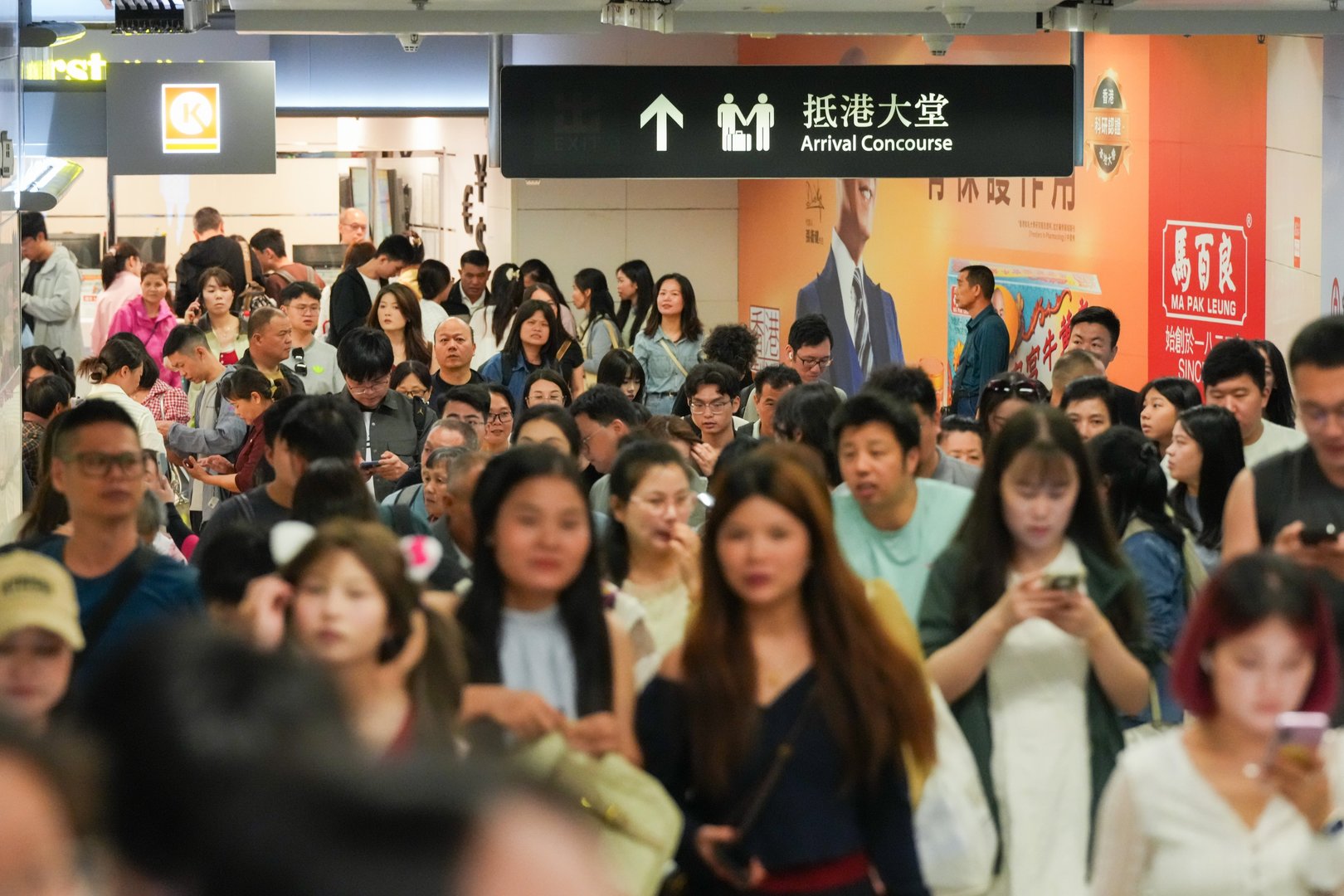
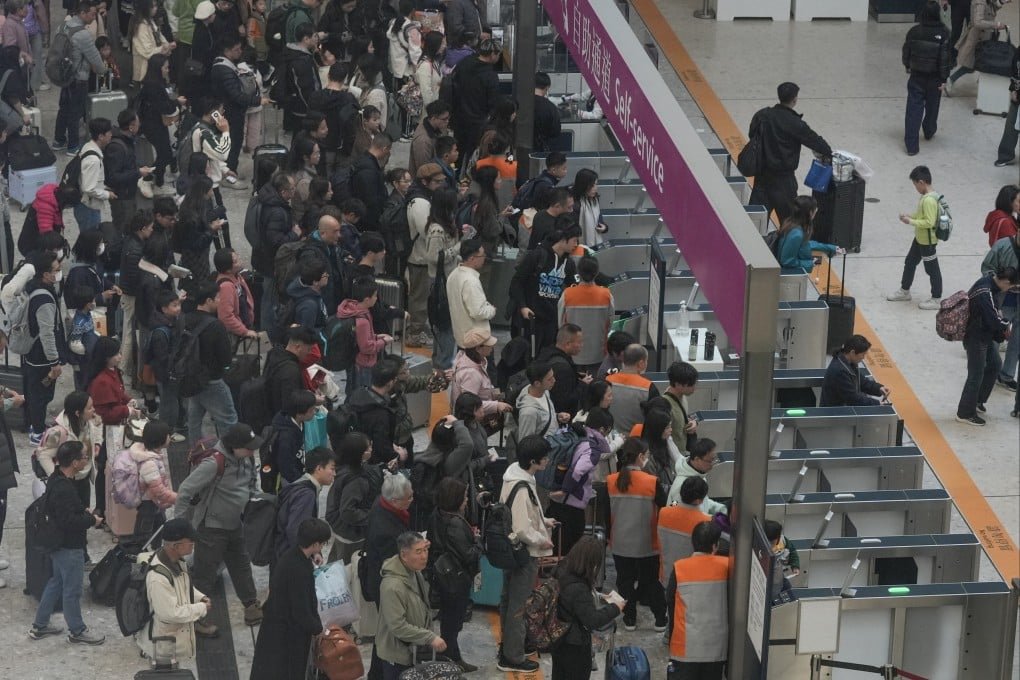
What is confirmed is that Hong Kong experienced a sharp increase in visitor activity during the Golden Week holiday period, a traditionally high-travel window when millions of mainland Chinese tourists travel domestically and internationally.
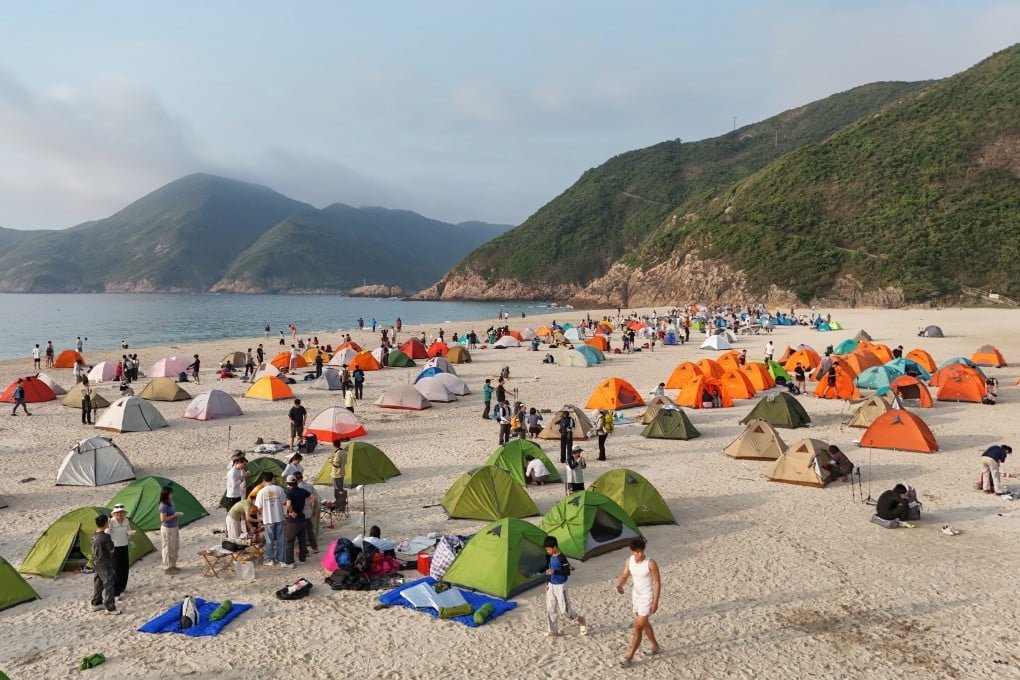
Popular natural attractions such as hiking trails, coastal parks, and rural villages saw heavy congestion, with local authorities and conservation groups reporting visible environmental and logistical pressure.
The key issue is structural: Hong Kong’s ecotourism sites are not managed under a unified, top-down framework capable of handling mass tourism flows during peak periods.
Instead, responsibility is fragmented across multiple agencies, conservation bodies, and local administrations, creating uneven enforcement of visitor limits, waste management standards, and environmental protection measures.
Experts argue that this fragmentation becomes most visible during holiday surges, when visitor numbers spike far beyond baseline capacity.
Without coordinated entry controls or dynamic crowd management systems, high-traffic sites face overcrowding, trail degradation, litter accumulation, and strain on local infrastructure such as transport links and sanitation facilities.
Hong Kong’s geography amplifies the challenge.
Despite its dense urban core, a significant portion of its land area consists of protected country parks, coastal reserves, and hiking networks that are freely accessible to the public.
These spaces are a major attraction for both residents and tourists seeking outdoor recreation, but they were not originally designed for sustained mass tourism volumes.
The Golden Week surge has therefore become a recurring stress test for the city’s environmental governance model.
Each year, temporary crowding highlights gaps in visitor flow regulation, but long-term structural reform has lagged behind rising demand for nature-based tourism.
Tourism specialists point out that without centralized policy direction, individual site managers lack the tools to coordinate capacity limits across the entire system.
This includes the absence of unified ticketing systems, real-time visitor tracking, or enforceable quotas for highly sensitive ecological zones.
At the same time, Hong Kong faces a policy tension between accessibility and conservation.
Open access to natural areas is a core feature of the city’s identity and public space policy, but unrestricted access during peak tourism periods creates environmental trade-offs that are becoming harder to manage.
The implications extend beyond environmental wear.
Overcrowding can degrade visitor experience, increase safety risks on narrow trails, and strain emergency response capacity in remote areas.
It can also accelerate long-term ecological damage in sensitive habitats already under pressure from urban expansion and climate-related stressors.
Calls for a top-down ecotourism strategy therefore focus on building a coordinated framework that can regulate demand without fully restricting access.
This includes proposals for timed entry systems, visitor caps during peak periods, improved transport coordination to disperse crowds, and stronger enforcement of conservation rules.
The Golden Week episode underscores a broader shift in Hong Kong’s tourism economy: demand for outdoor and nature-based experiences is rising faster than the governance systems designed to manage it.
Without structural reform, experts warn that seasonal surges will continue to expose the limits of a fragmented management model and increase long-term pressure on the city’s natural environment.
What is confirmed is that Hong Kong experienced a sharp increase in visitor activity during the Golden Week holiday period, a traditionally high-travel window when millions of mainland Chinese tourists travel domestically and internationally.
Popular natural attractions such as hiking trails, coastal parks, and rural villages saw heavy congestion, with local authorities and conservation groups reporting visible environmental and logistical pressure.
The key issue is structural: Hong Kong’s ecotourism sites are not managed under a unified, top-down framework capable of handling mass tourism flows during peak periods.
Instead, responsibility is fragmented across multiple agencies, conservation bodies, and local administrations, creating uneven enforcement of visitor limits, waste management standards, and environmental protection measures.
Experts argue that this fragmentation becomes most visible during holiday surges, when visitor numbers spike far beyond baseline capacity.
Without coordinated entry controls or dynamic crowd management systems, high-traffic sites face overcrowding, trail degradation, litter accumulation, and strain on local infrastructure such as transport links and sanitation facilities.
Hong Kong’s geography amplifies the challenge.
Despite its dense urban core, a significant portion of its land area consists of protected country parks, coastal reserves, and hiking networks that are freely accessible to the public.
These spaces are a major attraction for both residents and tourists seeking outdoor recreation, but they were not originally designed for sustained mass tourism volumes.
The Golden Week surge has therefore become a recurring stress test for the city’s environmental governance model.
Each year, temporary crowding highlights gaps in visitor flow regulation, but long-term structural reform has lagged behind rising demand for nature-based tourism.
Tourism specialists point out that without centralized policy direction, individual site managers lack the tools to coordinate capacity limits across the entire system.
This includes the absence of unified ticketing systems, real-time visitor tracking, or enforceable quotas for highly sensitive ecological zones.
At the same time, Hong Kong faces a policy tension between accessibility and conservation.
Open access to natural areas is a core feature of the city’s identity and public space policy, but unrestricted access during peak tourism periods creates environmental trade-offs that are becoming harder to manage.
The implications extend beyond environmental wear.
Overcrowding can degrade visitor experience, increase safety risks on narrow trails, and strain emergency response capacity in remote areas.
It can also accelerate long-term ecological damage in sensitive habitats already under pressure from urban expansion and climate-related stressors.
Calls for a top-down ecotourism strategy therefore focus on building a coordinated framework that can regulate demand without fully restricting access.
This includes proposals for timed entry systems, visitor caps during peak periods, improved transport coordination to disperse crowds, and stronger enforcement of conservation rules.
The Golden Week episode underscores a broader shift in Hong Kong’s tourism economy: demand for outdoor and nature-based experiences is rising faster than the governance systems designed to manage it.
Without structural reform, experts warn that seasonal surges will continue to expose the limits of a fragmented management model and increase long-term pressure on the city’s natural environment.