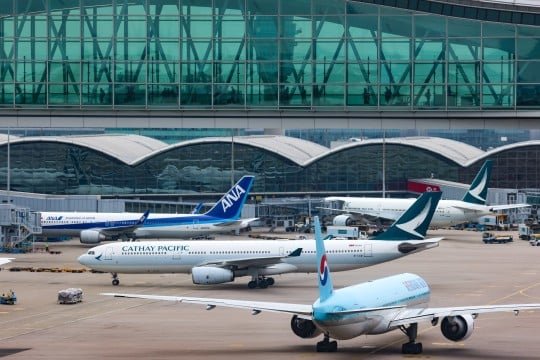
The cross-border initiative aims to connect waste collection, fuel refining, airport refueling, and green finance into a unified aviation decarbonization network centered on Hong Kong International Airport and a major new production facility in Dongguan.
SYSTEM-DRIVEN
Hong Kong and the mainland Chinese manufacturing city of Dongguan are building what officials describe as the Greater Bay Area’s first fully integrated sustainable aviation fuel supply chain, reflecting a broader industrial shift in which aviation decarbonization is becoming a coordinated infrastructure and energy-security strategy rather than a niche environmental initiative.
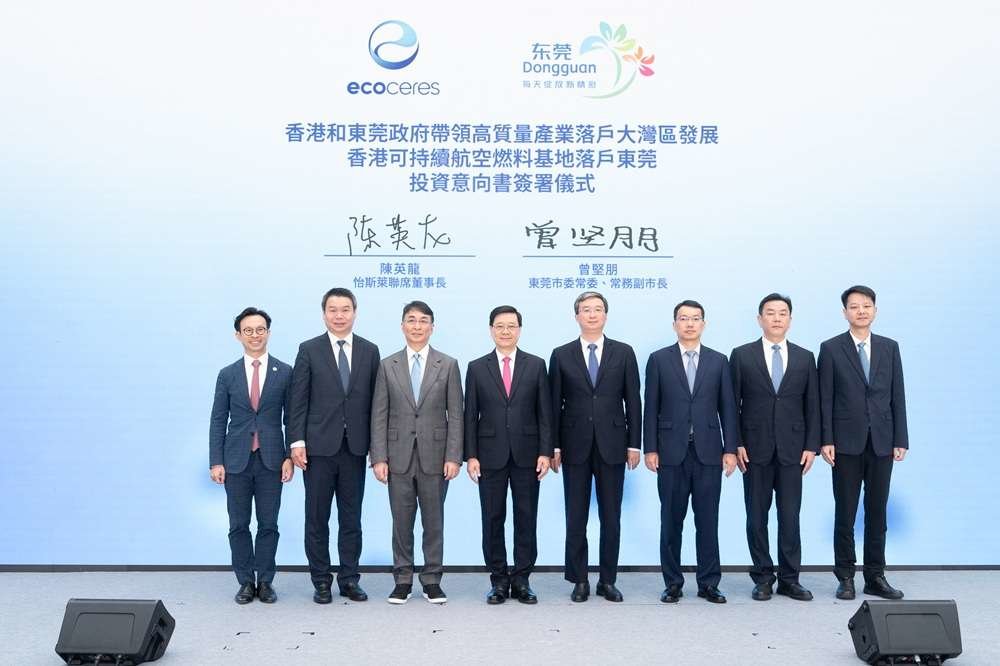
What is confirmed is that Hong Kong authorities, the Dongguan municipal government, and Hong Kong-incubated biofuels company EcoCeres have signed agreements to establish a cross-border sustainable aviation fuel, or SAF, ecosystem linking waste feedstock collection, fuel production, refining, blending, trading, and airport refueling operations.
At the center of the project is a planned EcoCeres facility in Dongguan expected to produce approximately 450,000 tonnes annually of sustainable aviation fuel and hydrotreated vegetable oil.
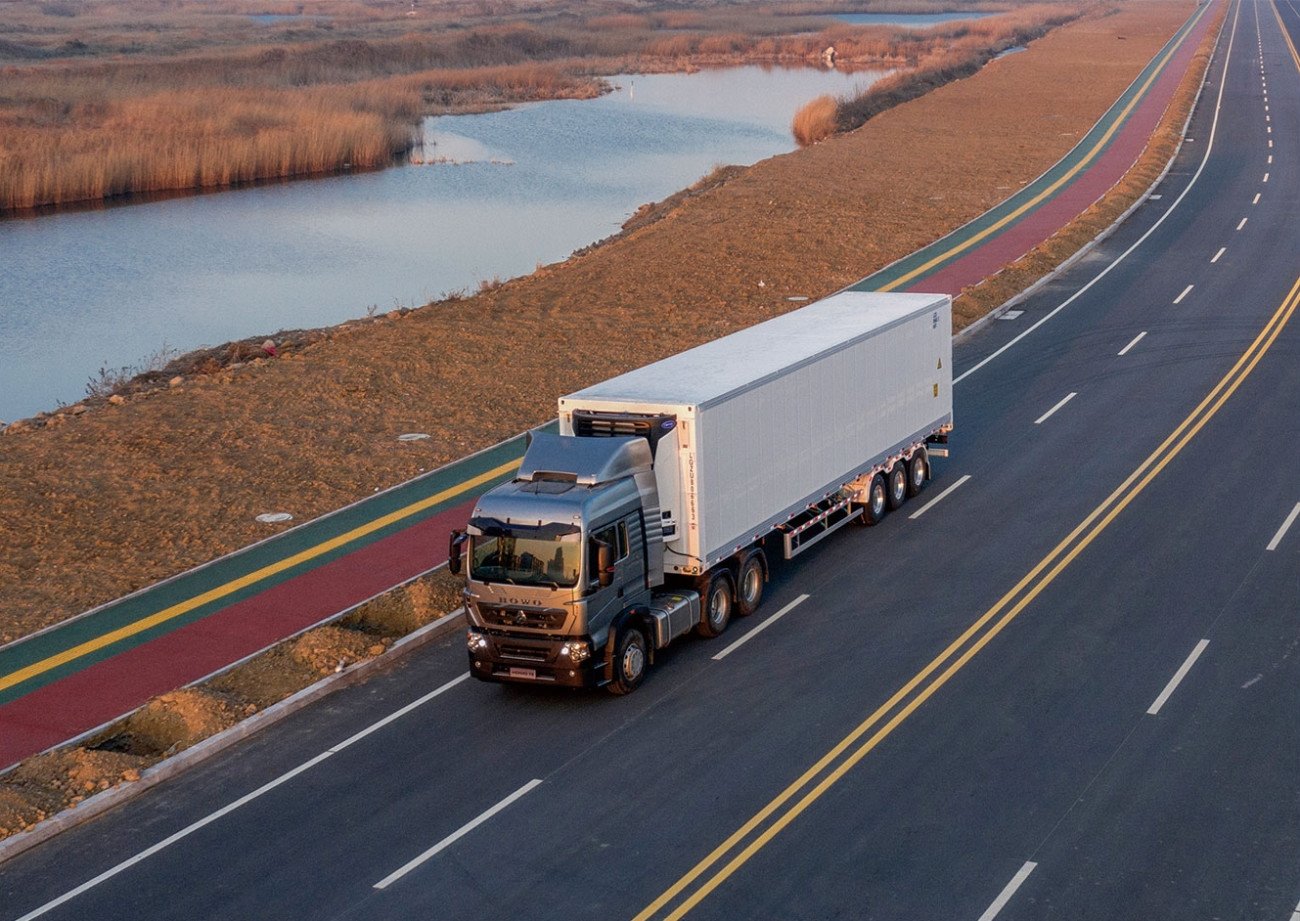
The project is designed around an integrated supply-chain model: waste-based feedstocks such as used cooking oil will be collected across the Greater Bay Area, processed and refined in Dongguan, and then transported into Hong Kong for aviation fuel blending, trading, and aircraft refueling.
The mechanism matters because sustainable aviation fuel remains one of the few immediately deployable pathways for reducing emissions from commercial aviation without redesigning aircraft fleets.
SAF can generally be blended with conventional jet fuel and used in existing aircraft engines and airport infrastructure without major technical modifications.
The aviation sector faces mounting pressure to decarbonize as governments tighten emissions targets and airlines confront growing investor scrutiny over climate exposure.
Conventional jet fuel remains heavily carbon-intensive, while long-haul aviation has few scalable alternatives in the near term.
Electric aviation technology is still limited mainly to smaller aircraft and short-range applications.
Hong Kong’s government has already stated that it aims for departing flights at Hong Kong International Airport to use a specified proportion of sustainable aviation fuel by 2030. The Dongguan partnership is intended to help secure long-term regional supply capacity before SAF demand accelerates further.
The key issue is scale.
Global SAF demand is rising much faster than production capacity.
Most airlines currently have limited access to commercially viable volumes, and SAF remains significantly more expensive than traditional jet fuel.
Building a localized regional supply chain reduces dependence on imported fuel and may lower logistics costs while improving supply stability.
The project also reflects Beijing’s broader industrial strategy around green manufacturing and carbon reduction.
China has incorporated low-carbon development into successive national planning frameworks, while local governments increasingly compete to attract clean-energy and advanced industrial projects.
Dongguan contributes manufacturing infrastructure, industrial land, chemical processing capability, and access to waste feedstock networks.
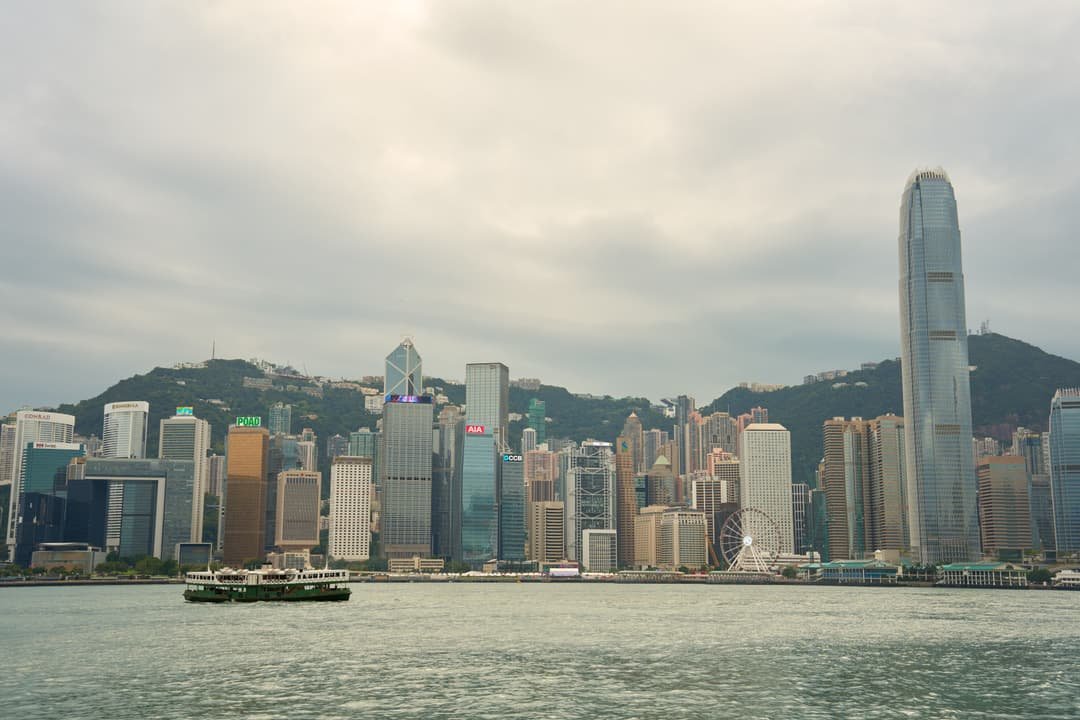
Hong Kong contributes aviation demand, international finance, commodity trading systems, and one of the world’s busiest cargo and passenger airports.
EcoCeres is central to the commercialization effort.
The company was incubated by Towngas and later attracted major international investment.
It already operates SAF-related facilities in mainland China and Malaysia and has become a significant exporter of sustainable aviation fuel into overseas markets, particularly Europe.
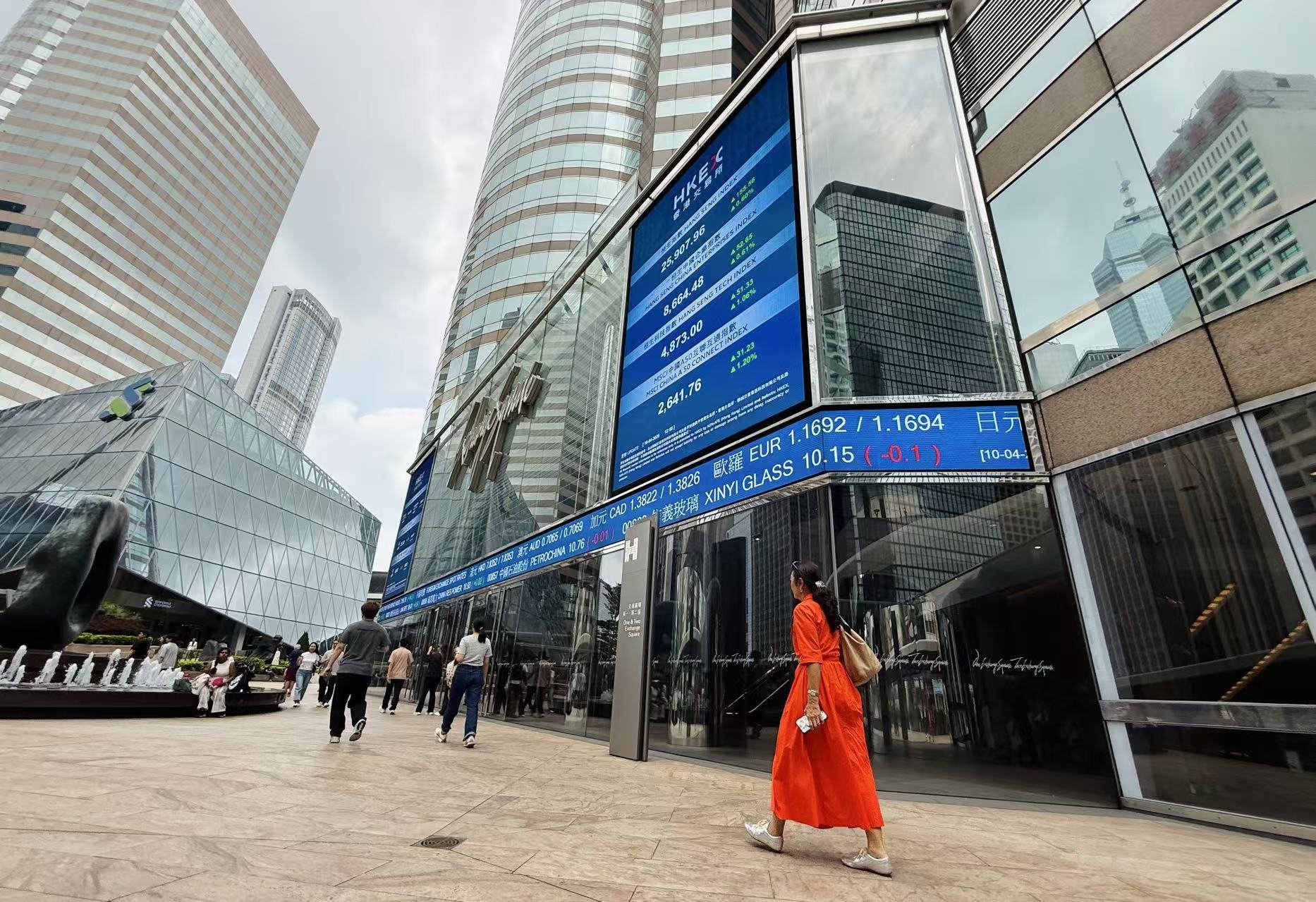
The project also ties into Hong Kong’s effort to position itself as a green finance and climate-transition hub.
Sustainable aviation fuel projects can generate demand for green bonds, carbon-linked financing structures, emissions trading services, and climate-related investment products.
The economic implications extend beyond aviation.
A functioning SAF ecosystem creates industrial demand for waste collection, logistics, refining technology, storage infrastructure, and certification systems.
It also strengthens the Greater Bay Area’s role as an integrated industrial and financial cluster linking Hong Kong with southern Chinese manufacturing centers.
The timing is significant because global aviation regulators and airlines are increasingly moving from voluntary sustainability commitments toward measurable fuel-transition requirements.
Regions capable of building dependable SAF production and delivery infrastructure early may gain a long-term competitive advantage in aviation logistics and low-carbon transport services.
The initiative also highlights how climate policy is increasingly merging with industrial policy.
Governments are no longer treating sustainable fuel solely as an environmental objective.
It is becoming part of strategic infrastructure planning tied to energy resilience, advanced manufacturing, and regional economic competitiveness.
The immediate consequence is that Hong Kong and Dongguan are moving beyond climate pledges into physical industrial deployment, creating one of Asia’s most concrete cross-border sustainable aviation fuel networks anchored by large-scale production capacity and direct airport integration.
Hong Kong and the mainland Chinese manufacturing city of Dongguan are building what officials describe as the Greater Bay Area’s first fully integrated sustainable aviation fuel supply chain, reflecting a broader industrial shift in which aviation decarbonization is becoming a coordinated infrastructure and energy-security strategy rather than a niche environmental initiative.
What is confirmed is that Hong Kong authorities, the Dongguan municipal government, and Hong Kong-incubated biofuels company EcoCeres have signed agreements to establish a cross-border sustainable aviation fuel, or SAF, ecosystem linking waste feedstock collection, fuel production, refining, blending, trading, and airport refueling operations.
At the center of the project is a planned EcoCeres facility in Dongguan expected to produce approximately 450,000 tonnes annually of sustainable aviation fuel and hydrotreated vegetable oil.
The project is designed around an integrated supply-chain model: waste-based feedstocks such as used cooking oil will be collected across the Greater Bay Area, processed and refined in Dongguan, and then transported into Hong Kong for aviation fuel blending, trading, and aircraft refueling.
The mechanism matters because sustainable aviation fuel remains one of the few immediately deployable pathways for reducing emissions from commercial aviation without redesigning aircraft fleets.
SAF can generally be blended with conventional jet fuel and used in existing aircraft engines and airport infrastructure without major technical modifications.
The aviation sector faces mounting pressure to decarbonize as governments tighten emissions targets and airlines confront growing investor scrutiny over climate exposure.
Conventional jet fuel remains heavily carbon-intensive, while long-haul aviation has few scalable alternatives in the near term.
Electric aviation technology is still limited mainly to smaller aircraft and short-range applications.
Hong Kong’s government has already stated that it aims for departing flights at Hong Kong International Airport to use a specified proportion of sustainable aviation fuel by 2030. The Dongguan partnership is intended to help secure long-term regional supply capacity before SAF demand accelerates further.
The key issue is scale.
Global SAF demand is rising much faster than production capacity.
Most airlines currently have limited access to commercially viable volumes, and SAF remains significantly more expensive than traditional jet fuel.
Building a localized regional supply chain reduces dependence on imported fuel and may lower logistics costs while improving supply stability.
The project also reflects Beijing’s broader industrial strategy around green manufacturing and carbon reduction.
China has incorporated low-carbon development into successive national planning frameworks, while local governments increasingly compete to attract clean-energy and advanced industrial projects.
Dongguan contributes manufacturing infrastructure, industrial land, chemical processing capability, and access to waste feedstock networks.
Hong Kong contributes aviation demand, international finance, commodity trading systems, and one of the world’s busiest cargo and passenger airports.
EcoCeres is central to the commercialization effort.
The company was incubated by Towngas and later attracted major international investment.
It already operates SAF-related facilities in mainland China and Malaysia and has become a significant exporter of sustainable aviation fuel into overseas markets, particularly Europe.
The project also ties into Hong Kong’s effort to position itself as a green finance and climate-transition hub.
Sustainable aviation fuel projects can generate demand for green bonds, carbon-linked financing structures, emissions trading services, and climate-related investment products.
The economic implications extend beyond aviation.
A functioning SAF ecosystem creates industrial demand for waste collection, logistics, refining technology, storage infrastructure, and certification systems.
It also strengthens the Greater Bay Area’s role as an integrated industrial and financial cluster linking Hong Kong with southern Chinese manufacturing centers.
The timing is significant because global aviation regulators and airlines are increasingly moving from voluntary sustainability commitments toward measurable fuel-transition requirements.
Regions capable of building dependable SAF production and delivery infrastructure early may gain a long-term competitive advantage in aviation logistics and low-carbon transport services.
The initiative also highlights how climate policy is increasingly merging with industrial policy.
Governments are no longer treating sustainable fuel solely as an environmental objective.
It is becoming part of strategic infrastructure planning tied to energy resilience, advanced manufacturing, and regional economic competitiveness.
The immediate consequence is that Hong Kong and Dongguan are moving beyond climate pledges into physical industrial deployment, creating one of Asia’s most concrete cross-border sustainable aviation fuel networks anchored by large-scale production capacity and direct airport integration.