A state-influenced model blending capital markets, policy direction, and regional integration is reshaping how Chinese innovation ecosystems scale and compete globally
China’s evolving innovation strategy, increasingly anchored in Hong Kong’s role as a financial and regulatory bridge, is reshaping the traditional Silicon Valley model by combining state direction, capital market access, and tightly integrated industrial policy.
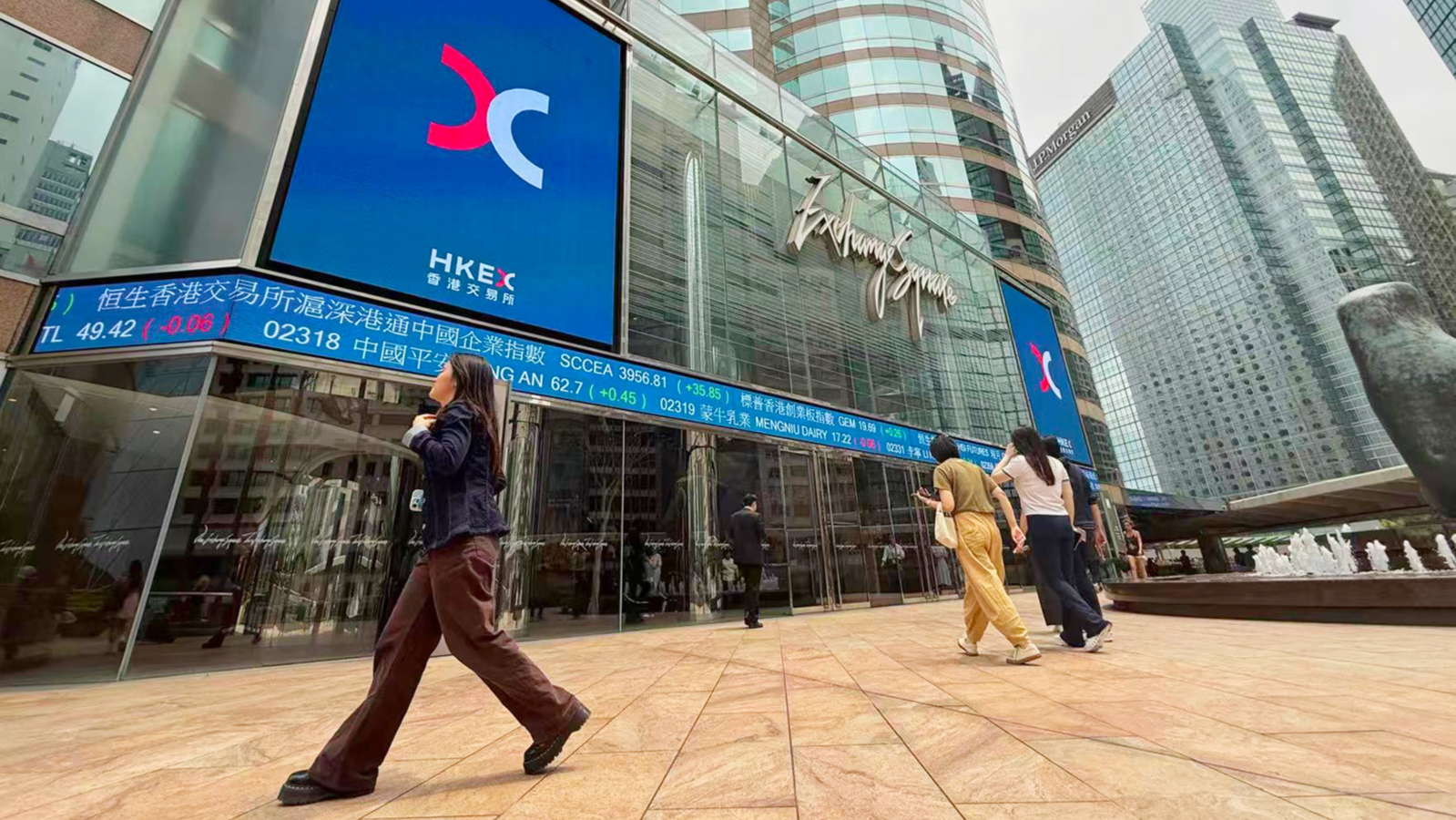
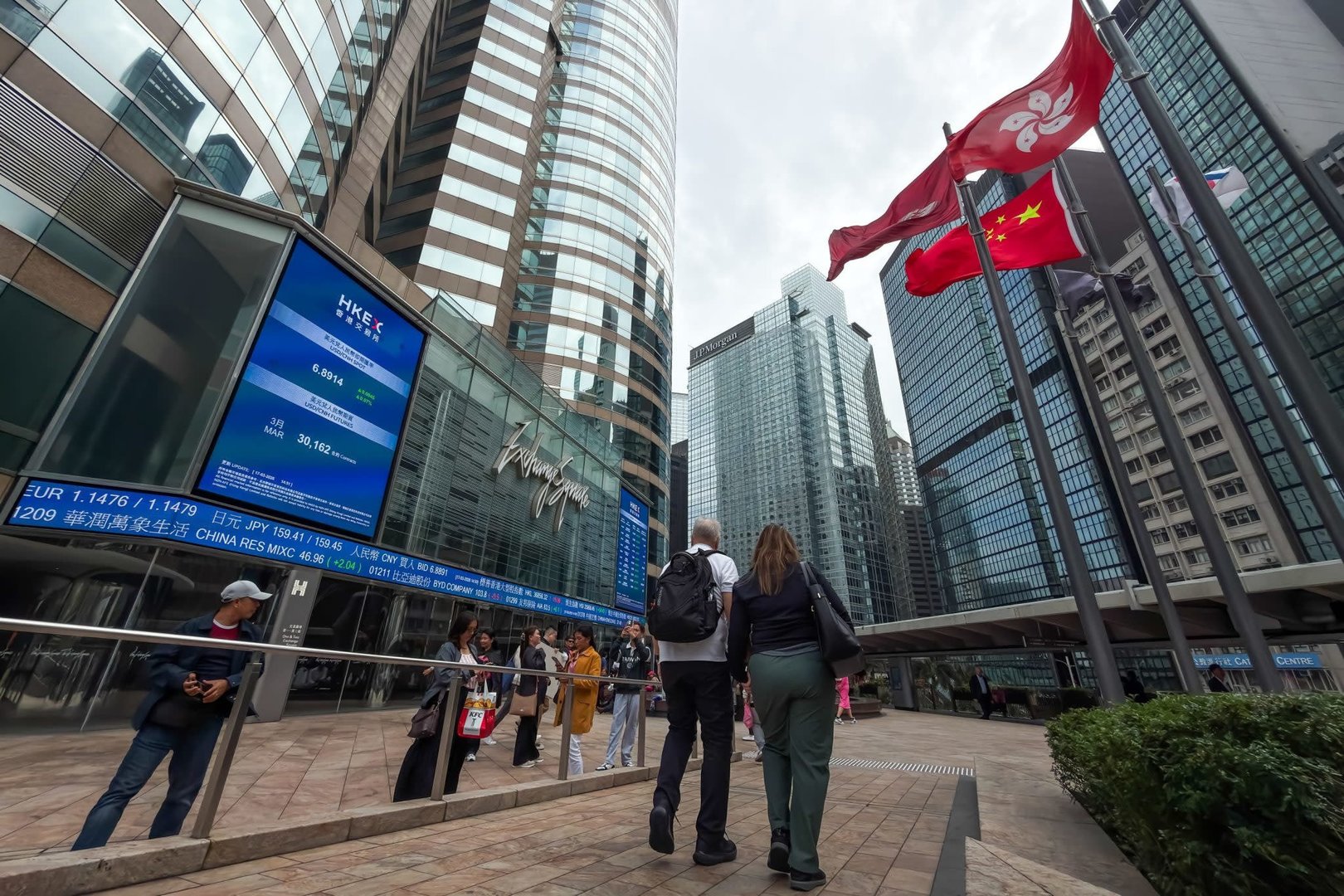
What is confirmed is that Hong Kong has taken on a renewed role as a launchpad for Chinese technology firms seeking global capital and legitimacy while remaining aligned with mainland priorities.
Authorities have expanded listing rules, promoted secondary listings for mainland companies, and encouraged cross-border financial flows through programs that connect Hong Kong markets with mainland exchanges.
This framework allows Chinese firms to raise funds at scale while operating within a system that balances international investor access with domestic oversight.
The mechanism differs sharply from Silicon Valley’s historically decentralized, venture capital-driven ecosystem.
In China’s model, government policy plays a central role in identifying priority sectors such as semiconductors, artificial intelligence, and advanced manufacturing.
Capital is then directed—through state-backed funds, local government incentives, and policy guidance—toward companies operating in these areas.
Hong Kong’s capital markets provide an external-facing layer, enabling these firms to access foreign investment without fully detaching from state influence.
This hybrid system has been reinforced by regulatory shifts in recent years.
Mainland authorities have tightened oversight of overseas listings while encouraging companies to list closer to home, particularly in Hong Kong.
At the same time, Hong Kong has adjusted its regulatory framework to accommodate high-growth, pre-profit technology firms, mirroring aspects of U.S. listing practices while maintaining alignment with Beijing’s broader strategic objectives.
The stakes are both economic and geopolitical.
By reshaping how technology companies are funded and scaled, China is reducing reliance on U.S.-centered capital markets and insulating its innovation pipeline from external pressure, including export controls and investment restrictions.
Hong Kong’s role as an intermediary helps maintain access to global capital pools even as political tensions reshape financial flows.
For companies, the model offers advantages in scale and speed but imposes constraints on autonomy.
Firms benefit from coordinated support across financing, regulation, and market access, yet operate within a system where policy priorities can shift rapidly and influence corporate strategy.
This trade-off distinguishes the Chinese approach from the more market-driven dynamics of Silicon Valley.
The broader consequence is the emergence of competing innovation systems.
The U.S. model continues to emphasize private capital, open networks, and global talent mobility, while China’s model integrates state planning with selective openness.
Hong Kong sits at the intersection, functioning as both gateway and filter, channeling capital into sectors deemed strategically critical.
This restructuring is already influencing global investment patterns.
Capital that once flowed predominantly into U.S. tech ecosystems is increasingly being redirected toward Asia-based opportunities aligned with government priorities.
At the same time, multinational investors are recalibrating risk assessments, weighing access to growth against regulatory and political considerations.
The next phase is operational rather than theoretical: more Chinese technology firms are expected to use Hong Kong as their primary fundraising venue, reinforcing the city’s role as the financial core of a distinctly state-shaped innovation ecosystem that is designed to compete directly with Silicon Valley on scale, speed, and strategic focus.
What is confirmed is that Hong Kong has taken on a renewed role as a launchpad for Chinese technology firms seeking global capital and legitimacy while remaining aligned with mainland priorities.
Authorities have expanded listing rules, promoted secondary listings for mainland companies, and encouraged cross-border financial flows through programs that connect Hong Kong markets with mainland exchanges.
This framework allows Chinese firms to raise funds at scale while operating within a system that balances international investor access with domestic oversight.
The mechanism differs sharply from Silicon Valley’s historically decentralized, venture capital-driven ecosystem.
In China’s model, government policy plays a central role in identifying priority sectors such as semiconductors, artificial intelligence, and advanced manufacturing.
Capital is then directed—through state-backed funds, local government incentives, and policy guidance—toward companies operating in these areas.
Hong Kong’s capital markets provide an external-facing layer, enabling these firms to access foreign investment without fully detaching from state influence.
This hybrid system has been reinforced by regulatory shifts in recent years.
Mainland authorities have tightened oversight of overseas listings while encouraging companies to list closer to home, particularly in Hong Kong.
At the same time, Hong Kong has adjusted its regulatory framework to accommodate high-growth, pre-profit technology firms, mirroring aspects of U.S. listing practices while maintaining alignment with Beijing’s broader strategic objectives.
The stakes are both economic and geopolitical.
By reshaping how technology companies are funded and scaled, China is reducing reliance on U.S.-centered capital markets and insulating its innovation pipeline from external pressure, including export controls and investment restrictions.
Hong Kong’s role as an intermediary helps maintain access to global capital pools even as political tensions reshape financial flows.
For companies, the model offers advantages in scale and speed but imposes constraints on autonomy.
Firms benefit from coordinated support across financing, regulation, and market access, yet operate within a system where policy priorities can shift rapidly and influence corporate strategy.
This trade-off distinguishes the Chinese approach from the more market-driven dynamics of Silicon Valley.
The broader consequence is the emergence of competing innovation systems.
The U.S. model continues to emphasize private capital, open networks, and global talent mobility, while China’s model integrates state planning with selective openness.
Hong Kong sits at the intersection, functioning as both gateway and filter, channeling capital into sectors deemed strategically critical.
This restructuring is already influencing global investment patterns.
Capital that once flowed predominantly into U.S. tech ecosystems is increasingly being redirected toward Asia-based opportunities aligned with government priorities.
At the same time, multinational investors are recalibrating risk assessments, weighing access to growth against regulatory and political considerations.
The next phase is operational rather than theoretical: more Chinese technology firms are expected to use Hong Kong as their primary fundraising venue, reinforcing the city’s role as the financial core of a distinctly state-shaped innovation ecosystem that is designed to compete directly with Silicon Valley on scale, speed, and strategic focus.