City tightens restrictions on alternative tobacco products as health authorities target youth uptake and long-term smoking trends
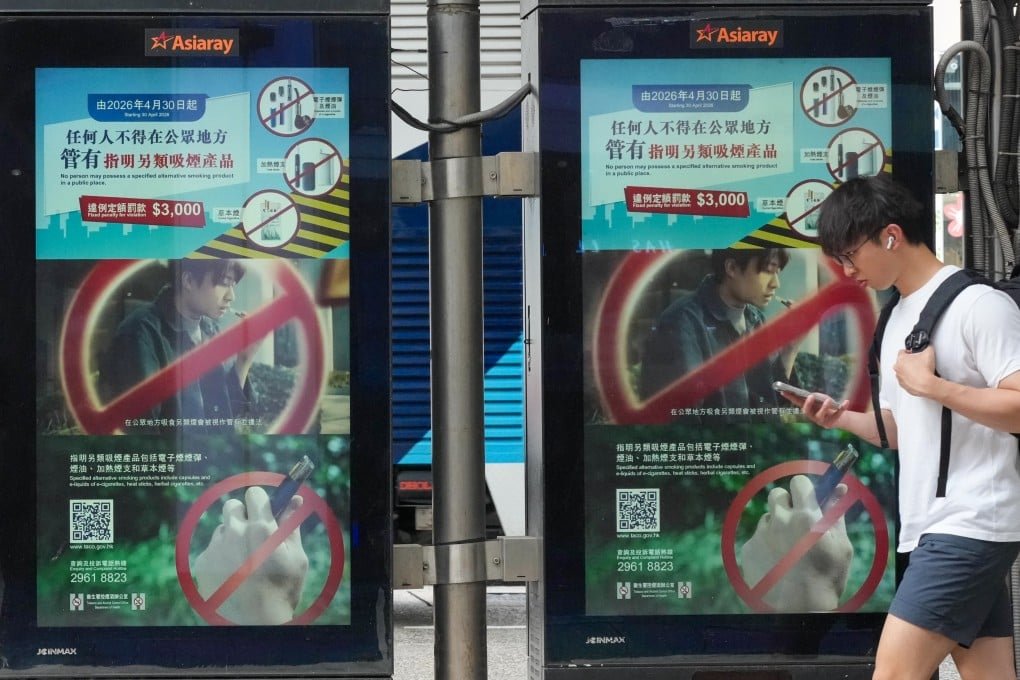
SYSTEM-DRIVEN public health regulation is reshaping nicotine policy in Hong Kong as authorities move to expand restrictions on vaping products, marking one of the most stringent anti-electronic cigarette regimes in Asia.
What is confirmed is that Hong Kong has been progressively tightening its rules on electronic cigarettes and other alternative nicotine products, building toward a broader ban framework that significantly limits both sale and distribution.
The latest policy direction strengthens earlier measures that already prohibited the import, manufacture, and commercial sale of vaping products in the city.
The current regulatory approach places vaping devices and related consumables in the same high-restriction category as other controlled tobacco alternatives, effectively closing most legal supply channels.
Enforcement has focused on border control, retail inspections, and penalties for illegal possession or distribution, reflecting a zero-tolerance policy stance.
The rationale driving the policy is public health protection, particularly concerns about rising nicotine use among younger populations.
Health authorities have consistently argued that vaping products, while sometimes marketed as smoking cessation tools, carry addiction risks and may act as entry points to traditional tobacco use rather than substitutes.
The policy also reflects Hong Kong’s long-standing anti-smoking strategy, which includes high tobacco taxation, strict advertising bans, and restrictions on smoking in public spaces.
The expansion of vaping controls extends this framework into newer nicotine delivery technologies that were not previously covered under traditional tobacco regulations.
For consumers, the impact is significant.
Legal access to vaping products has been progressively eliminated, leaving limited or no lawful retail options within the city.
This shifts enforcement focus toward illicit supply chains, including cross-border importation and informal resale networks, which authorities have sought to disrupt.
For the broader market, the ban reduces the viability of commercial vaping businesses in Hong Kong, effectively removing the city as a legal operating environment for manufacturers and distributors.
This contrasts with jurisdictions that regulate vaping under controlled licensing systems rather than outright prohibition.
Critics of strict bans in other jurisdictions have argued that prohibition can push demand into unregulated markets, where product safety and quality control are weaker.
Supporters of Hong Kong’s approach counter that limiting availability is the most direct way to reduce youth exposure and long-term nicotine dependency.
The tightening regulatory stance places Hong Kong among a small group of jurisdictions globally that have adopted near-total restrictions on vaping products, reinforcing its broader positioning as a highly regulated public health environment with aggressive tobacco control policies.
The policy trajectory indicates continued tightening rather than relaxation, with enforcement and border control measures acting as the primary tools to ensure compliance across retail and import channels.
What is confirmed is that Hong Kong has been progressively tightening its rules on electronic cigarettes and other alternative nicotine products, building toward a broader ban framework that significantly limits both sale and distribution.
The latest policy direction strengthens earlier measures that already prohibited the import, manufacture, and commercial sale of vaping products in the city.
The current regulatory approach places vaping devices and related consumables in the same high-restriction category as other controlled tobacco alternatives, effectively closing most legal supply channels.
Enforcement has focused on border control, retail inspections, and penalties for illegal possession or distribution, reflecting a zero-tolerance policy stance.
The rationale driving the policy is public health protection, particularly concerns about rising nicotine use among younger populations.
Health authorities have consistently argued that vaping products, while sometimes marketed as smoking cessation tools, carry addiction risks and may act as entry points to traditional tobacco use rather than substitutes.
The policy also reflects Hong Kong’s long-standing anti-smoking strategy, which includes high tobacco taxation, strict advertising bans, and restrictions on smoking in public spaces.
The expansion of vaping controls extends this framework into newer nicotine delivery technologies that were not previously covered under traditional tobacco regulations.
For consumers, the impact is significant.
Legal access to vaping products has been progressively eliminated, leaving limited or no lawful retail options within the city.
This shifts enforcement focus toward illicit supply chains, including cross-border importation and informal resale networks, which authorities have sought to disrupt.
For the broader market, the ban reduces the viability of commercial vaping businesses in Hong Kong, effectively removing the city as a legal operating environment for manufacturers and distributors.
This contrasts with jurisdictions that regulate vaping under controlled licensing systems rather than outright prohibition.
Critics of strict bans in other jurisdictions have argued that prohibition can push demand into unregulated markets, where product safety and quality control are weaker.
Supporters of Hong Kong’s approach counter that limiting availability is the most direct way to reduce youth exposure and long-term nicotine dependency.
The tightening regulatory stance places Hong Kong among a small group of jurisdictions globally that have adopted near-total restrictions on vaping products, reinforcing its broader positioning as a highly regulated public health environment with aggressive tobacco control policies.
The policy trajectory indicates continued tightening rather than relaxation, with enforcement and border control measures acting as the primary tools to ensure compliance across retail and import channels.