Electric mobility firm advances regional strategy with Thailand deployment and second-quarter launch target in Hong Kong
Electric vehicle technology company U Power is preparing to deploy battery-swapping trucks in Thailand while advancing plans to introduce its platform to Hong Kong’s taxi sector in the second quarter of the year.
The company’s strategy reflects a growing focus on Southeast Asia and Greater China, where demand for efficient and scalable electric mobility solutions continues to rise.
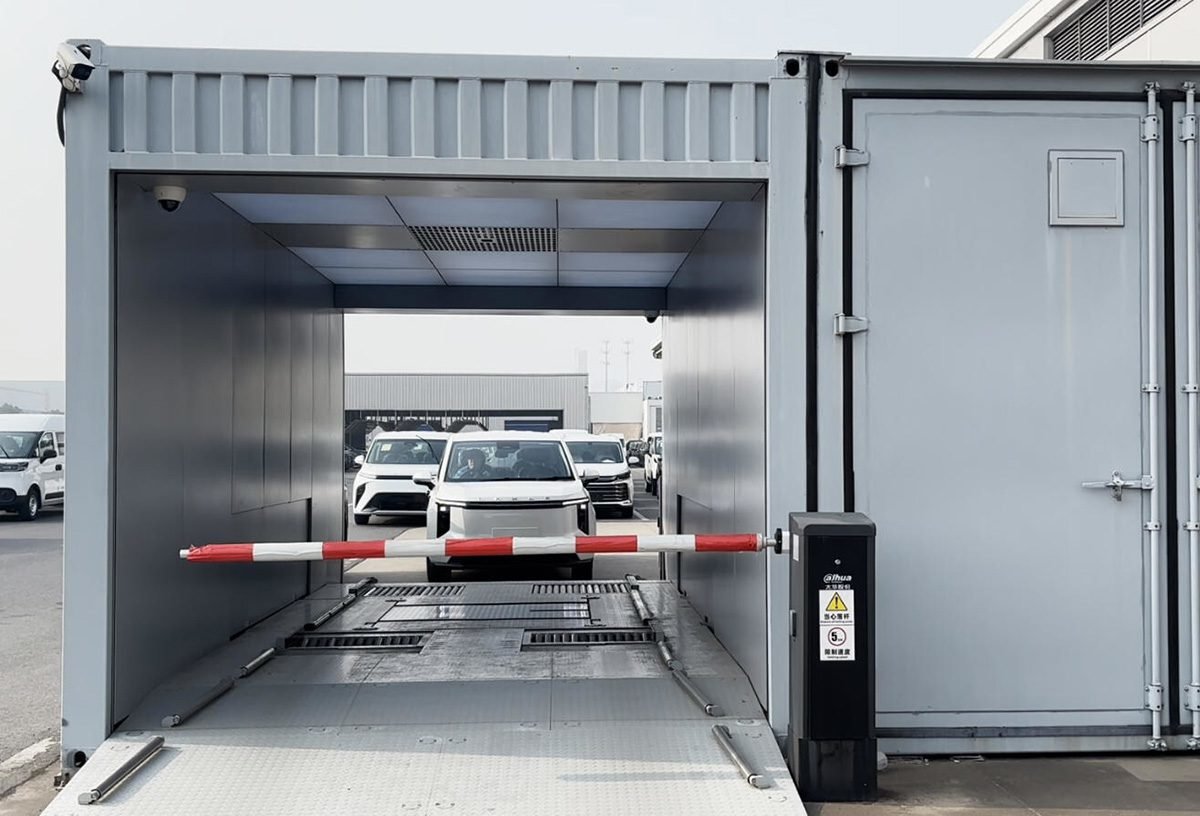
By introducing battery-swapping technology, U Power aims to reduce charging downtime and improve operational efficiency for commercial fleets.
In Thailand, the rollout of battery-swapping trucks is expected to support the country’s broader push toward cleaner transportation and energy transition.
The initiative aligns with national efforts to promote electric vehicles and strengthen infrastructure, positioning Thailand as a regional leader in sustainable mobility.
The planned Hong Kong launch targets the city’s extensive taxi network, offering a model that could enable drivers to quickly exchange depleted batteries for fully charged units.
This approach is designed to address common challenges associated with charging time, particularly in densely populated urban environments where vehicle utilisation is high.
U Power has indicated that preparations are underway to establish the necessary infrastructure, including swapping stations and partnerships with local operators.
The company’s expansion underscores confidence in both Thailand’s supportive policy environment and Hong Kong’s readiness to adopt innovative transport solutions.
Industry observers note that battery-swapping is gaining renewed attention as a practical alternative to conventional charging, especially for commercial fleets that require minimal downtime.
The technology has the potential to accelerate electrification by making electric vehicles more convenient and economically viable.
As U Power moves forward with its regional plans, the success of these initiatives could influence broader adoption of battery-swapping systems across Asia, contributing to the evolution of the electric mobility landscape.
The company’s strategy reflects a growing focus on Southeast Asia and Greater China, where demand for efficient and scalable electric mobility solutions continues to rise.
By introducing battery-swapping technology, U Power aims to reduce charging downtime and improve operational efficiency for commercial fleets.
In Thailand, the rollout of battery-swapping trucks is expected to support the country’s broader push toward cleaner transportation and energy transition.
The initiative aligns with national efforts to promote electric vehicles and strengthen infrastructure, positioning Thailand as a regional leader in sustainable mobility.
The planned Hong Kong launch targets the city’s extensive taxi network, offering a model that could enable drivers to quickly exchange depleted batteries for fully charged units.
This approach is designed to address common challenges associated with charging time, particularly in densely populated urban environments where vehicle utilisation is high.
U Power has indicated that preparations are underway to establish the necessary infrastructure, including swapping stations and partnerships with local operators.
The company’s expansion underscores confidence in both Thailand’s supportive policy environment and Hong Kong’s readiness to adopt innovative transport solutions.
Industry observers note that battery-swapping is gaining renewed attention as a practical alternative to conventional charging, especially for commercial fleets that require minimal downtime.
The technology has the potential to accelerate electrification by making electric vehicles more convenient and economically viable.
As U Power moves forward with its regional plans, the success of these initiatives could influence broader adoption of battery-swapping systems across Asia, contributing to the evolution of the electric mobility landscape.