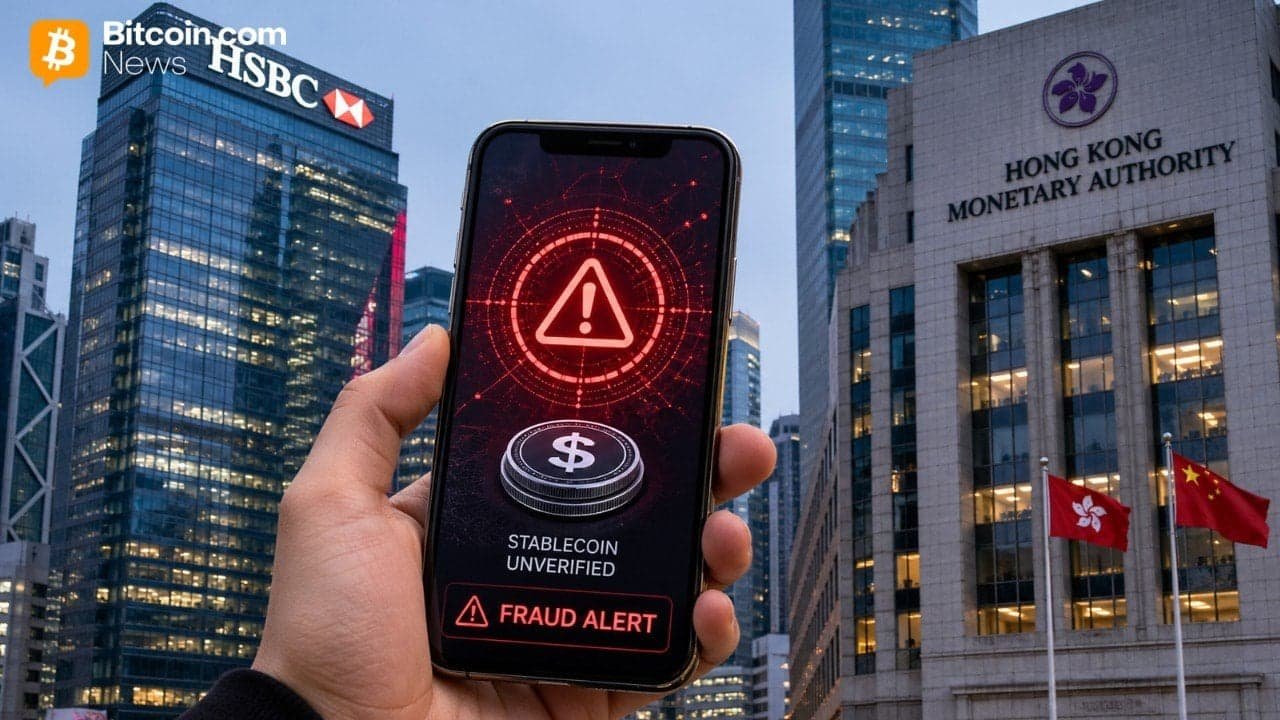
As Hong Kong advances its stablecoin licensing regime, HSBC’s involvement signals growing institutional interest—but also rising scrutiny of financial stability, compliance, and digital currency oversight.
A SYSTEM-DRIVEN regulatory shift in Hong Kong’s approach to digital assets is reshaping how major global banks engage with stablecoins, as new licensing frameworks bring traditional financial institutions, including HSBC, closer to the center of crypto-market infrastructure.
What is confirmed is that Hong Kong has been developing a formal regulatory regime for stablecoins, requiring issuers and related financial intermediaries to meet stricter licensing, reserve, and compliance standards.
The framework is designed to bring stablecoins—digital tokens typically pegged to fiat currencies—under supervision comparable to traditional financial instruments, rather than leaving them in lightly regulated crypto markets.
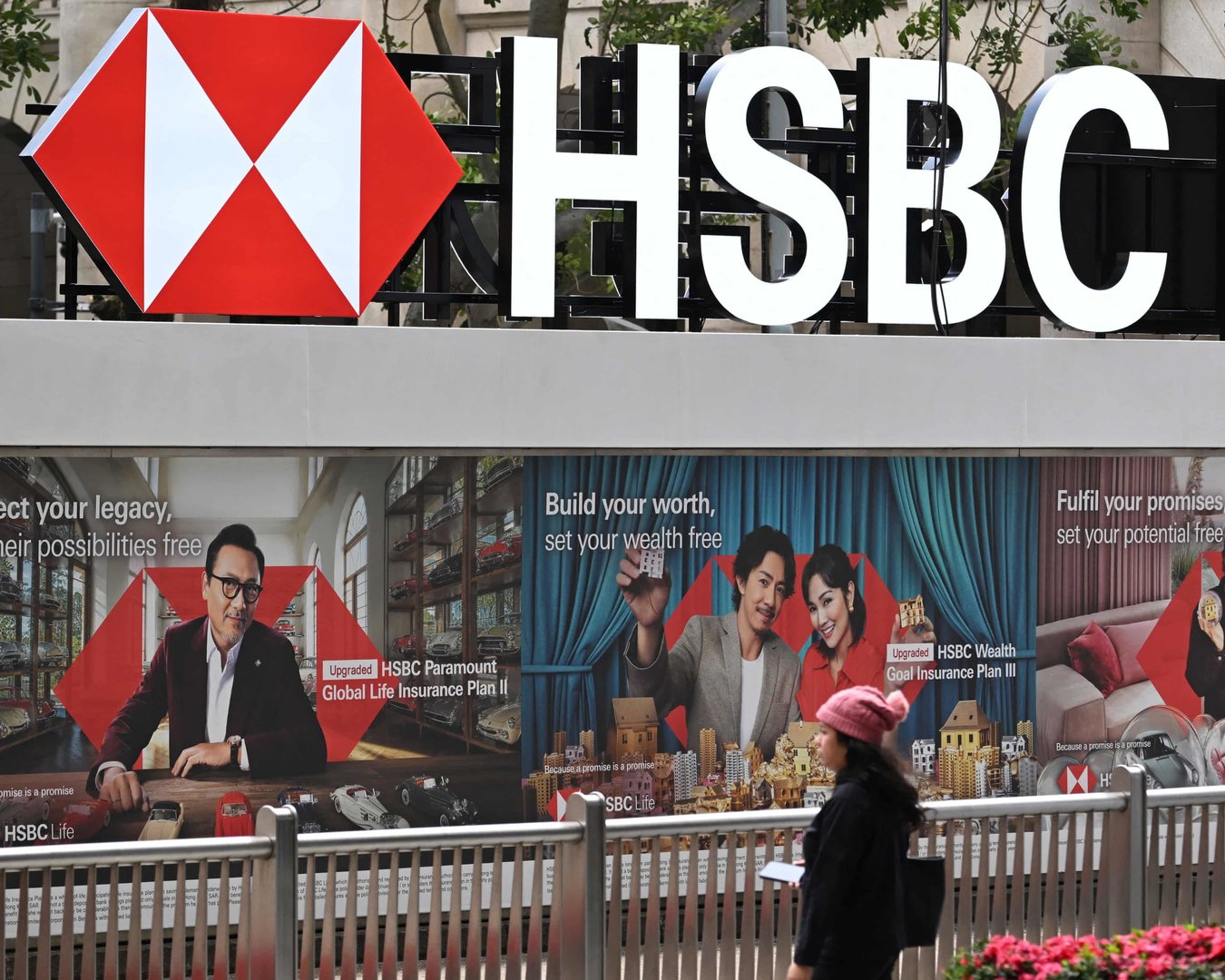
HSBC’s involvement reflects the broader entry of established banks into regulated digital asset ecosystems.
While HSBC is not itself issuing a stablecoin under the Hong Kong framework, its participation in the evolving licensing environment signals that major banks are positioning themselves to support, custody, or facilitate stablecoin-related services under regulatory approval.
This includes potential roles in reserve management, settlement infrastructure, and institutional client services.
The policy shift in Hong Kong is part of a wider global trend.
Governments and financial regulators are increasingly concerned about the systemic risks posed by unregulated stablecoins, particularly their potential impact on monetary stability, capital flows, and consumer protection.
High-profile failures in parts of the crypto sector have accelerated regulatory urgency, pushing jurisdictions like Hong Kong to formalize oversight rather than restrict innovation outright.
The stakes are significant because stablecoins function as a bridge between traditional finance and cryptocurrency markets.
If widely adopted under regulated conditions, they could reshape cross-border payments, liquidity management, and digital settlement systems.
However, they also raise concerns about bank-like risks operating outside traditional deposit insurance frameworks if oversight is insufficient or inconsistent.
For banks such as HSBC, participation in regulated stablecoin systems offers both opportunity and constraint.
The opportunity lies in becoming infrastructure providers for digital asset settlement and custody services.
The constraint lies in strict compliance obligations, including anti-money laundering controls, reserve transparency, and operational risk requirements that may limit flexibility compared to unregulated crypto firms.
Regulators in Hong Kong are attempting to strike a balance between encouraging financial innovation and maintaining systemic stability.
The licensing regime is intended to ensure that only entities meeting stringent requirements can issue or operate stablecoin services, thereby reducing the likelihood of destabilizing events tied to asset mismanagement or reserve failures.
The immediate consequence of HSBC’s positioning within this framework is increased alignment between traditional banking infrastructure and regulated digital currency systems.
That alignment is likely to accelerate institutional adoption of stablecoin-based settlement mechanisms while reinforcing regulatory control over how digital value transfers are issued, backed, and monitored.
What is confirmed is that Hong Kong has been developing a formal regulatory regime for stablecoins, requiring issuers and related financial intermediaries to meet stricter licensing, reserve, and compliance standards.
The framework is designed to bring stablecoins—digital tokens typically pegged to fiat currencies—under supervision comparable to traditional financial instruments, rather than leaving them in lightly regulated crypto markets.
HSBC’s involvement reflects the broader entry of established banks into regulated digital asset ecosystems.
While HSBC is not itself issuing a stablecoin under the Hong Kong framework, its participation in the evolving licensing environment signals that major banks are positioning themselves to support, custody, or facilitate stablecoin-related services under regulatory approval.
This includes potential roles in reserve management, settlement infrastructure, and institutional client services.
The policy shift in Hong Kong is part of a wider global trend.
Governments and financial regulators are increasingly concerned about the systemic risks posed by unregulated stablecoins, particularly their potential impact on monetary stability, capital flows, and consumer protection.
High-profile failures in parts of the crypto sector have accelerated regulatory urgency, pushing jurisdictions like Hong Kong to formalize oversight rather than restrict innovation outright.
The stakes are significant because stablecoins function as a bridge between traditional finance and cryptocurrency markets.
If widely adopted under regulated conditions, they could reshape cross-border payments, liquidity management, and digital settlement systems.
However, they also raise concerns about bank-like risks operating outside traditional deposit insurance frameworks if oversight is insufficient or inconsistent.
For banks such as HSBC, participation in regulated stablecoin systems offers both opportunity and constraint.
The opportunity lies in becoming infrastructure providers for digital asset settlement and custody services.
The constraint lies in strict compliance obligations, including anti-money laundering controls, reserve transparency, and operational risk requirements that may limit flexibility compared to unregulated crypto firms.
Regulators in Hong Kong are attempting to strike a balance between encouraging financial innovation and maintaining systemic stability.
The licensing regime is intended to ensure that only entities meeting stringent requirements can issue or operate stablecoin services, thereby reducing the likelihood of destabilizing events tied to asset mismanagement or reserve failures.
The immediate consequence of HSBC’s positioning within this framework is increased alignment between traditional banking infrastructure and regulated digital currency systems.
That alignment is likely to accelerate institutional adoption of stablecoin-based settlement mechanisms while reinforcing regulatory control over how digital value transfers are issued, backed, and monitored.