A wave of artificial intelligence IPOs is reinforcing Hong Kong’s role as China’s capital gateway, but structural limits still constrain its evolution into a broader innovation hub
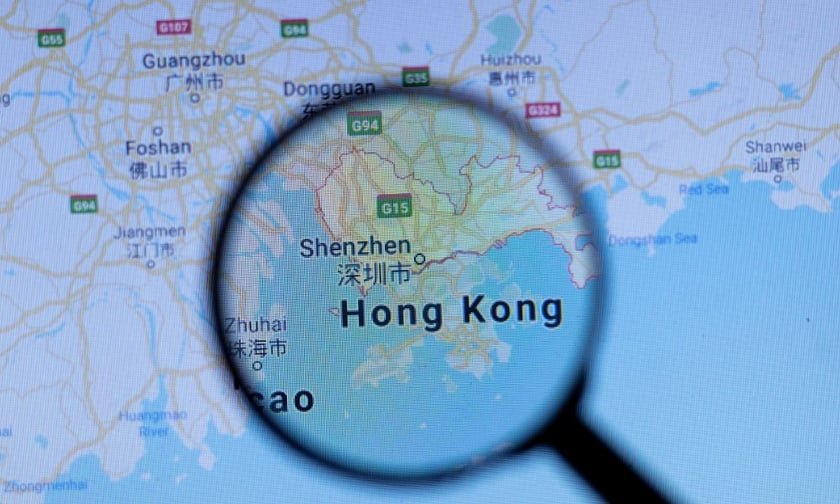
Hong Kong’s capital markets are increasingly being driven by a system-level shift in how Chinese technology companies access global funding, with the city positioning itself as the primary offshore venue for artificial intelligence initial public offerings.
What is confirmed is that a growing number of China-linked AI companies are choosing to list or plan listings in Hong Kong rather than in the United States or mainland exchanges.
This reflects tightening regulatory controls on overseas listings, ongoing geopolitical tension, and the strategic need for Chinese firms to raise international capital in a jurisdiction that remains financially open but politically aligned with Beijing.
The mechanism behind this shift is structural.
US capital markets, once the default destination for high-growth Chinese tech firms, have become less accessible due to stricter audit requirements and political scrutiny.
At the same time, mainland exchanges impose profitability and approval constraints that many early-stage AI firms cannot meet.
Hong Kong sits between these systems, offering international investors, convertible currency, and a regulatory framework that accommodates high-growth technology listings.
Artificial intelligence companies are particularly suited to this environment.
Many operate with high upfront costs, long development cycles, and uncertain near-term profitability, making flexible listing rules critical.
Hong Kong’s reforms in recent years, including allowances for pre-revenue and dual-class share structures, have made it more competitive for these types of firms.
However, the current wave of AI listings also exposes limitations in Hong Kong’s financial ecosystem.
The city remains heavily dependent on mainland capital flows and policy direction, which can constrain investor diversity and liquidity.
Valuations for newly listed tech firms have at times lagged those in US markets, reflecting a narrower base of global institutional participation.
The key issue is whether Hong Kong can evolve beyond being a conduit for Chinese companies into becoming a fully competitive global innovation finance hub.
That would require deeper capital pools, stronger research coverage, and a broader pipeline of international issuers rather than primarily China-focused listings.
There are signs of ambition on that front.
Authorities have promoted the city as a center for emerging technologies, including AI, biotechnology, and green finance.
Efforts are also underway to strengthen connections with mainland innovation clusters while maintaining international financial standards.
At the same time, geopolitical dynamics continue to shape the market’s trajectory.
Investor sentiment toward Chinese technology firms remains sensitive to regulatory shifts, data governance rules, and broader US-China relations.
These factors influence both listing decisions and post-IPO performance.
For companies, the calculation is pragmatic: Hong Kong offers access to capital with fewer political barriers than the United States and more flexibility than mainland exchanges.
For investors, the opportunity is exposure to China’s AI sector within a familiar legal and financial framework, albeit with constraints tied to market depth and geopolitical risk.
The current surge in AI IPO activity underscores Hong Kong’s strategic relevance, but also clarifies its ceiling.
The city has secured its role as the primary offshore listing venue for Chinese technology firms, and its next phase depends on whether it can convert that position into a broader, more diversified global capital market.
What is confirmed is that a growing number of China-linked AI companies are choosing to list or plan listings in Hong Kong rather than in the United States or mainland exchanges.
This reflects tightening regulatory controls on overseas listings, ongoing geopolitical tension, and the strategic need for Chinese firms to raise international capital in a jurisdiction that remains financially open but politically aligned with Beijing.
The mechanism behind this shift is structural.
US capital markets, once the default destination for high-growth Chinese tech firms, have become less accessible due to stricter audit requirements and political scrutiny.
At the same time, mainland exchanges impose profitability and approval constraints that many early-stage AI firms cannot meet.
Hong Kong sits between these systems, offering international investors, convertible currency, and a regulatory framework that accommodates high-growth technology listings.
Artificial intelligence companies are particularly suited to this environment.
Many operate with high upfront costs, long development cycles, and uncertain near-term profitability, making flexible listing rules critical.
Hong Kong’s reforms in recent years, including allowances for pre-revenue and dual-class share structures, have made it more competitive for these types of firms.
However, the current wave of AI listings also exposes limitations in Hong Kong’s financial ecosystem.
The city remains heavily dependent on mainland capital flows and policy direction, which can constrain investor diversity and liquidity.
Valuations for newly listed tech firms have at times lagged those in US markets, reflecting a narrower base of global institutional participation.
The key issue is whether Hong Kong can evolve beyond being a conduit for Chinese companies into becoming a fully competitive global innovation finance hub.
That would require deeper capital pools, stronger research coverage, and a broader pipeline of international issuers rather than primarily China-focused listings.
There are signs of ambition on that front.
Authorities have promoted the city as a center for emerging technologies, including AI, biotechnology, and green finance.
Efforts are also underway to strengthen connections with mainland innovation clusters while maintaining international financial standards.
At the same time, geopolitical dynamics continue to shape the market’s trajectory.
Investor sentiment toward Chinese technology firms remains sensitive to regulatory shifts, data governance rules, and broader US-China relations.
These factors influence both listing decisions and post-IPO performance.
For companies, the calculation is pragmatic: Hong Kong offers access to capital with fewer political barriers than the United States and more flexibility than mainland exchanges.
For investors, the opportunity is exposure to China’s AI sector within a familiar legal and financial framework, albeit with constraints tied to market depth and geopolitical risk.
The current surge in AI IPO activity underscores Hong Kong’s strategic relevance, but also clarifies its ceiling.
The city has secured its role as the primary offshore listing venue for Chinese technology firms, and its next phase depends on whether it can convert that position into a broader, more diversified global capital market.